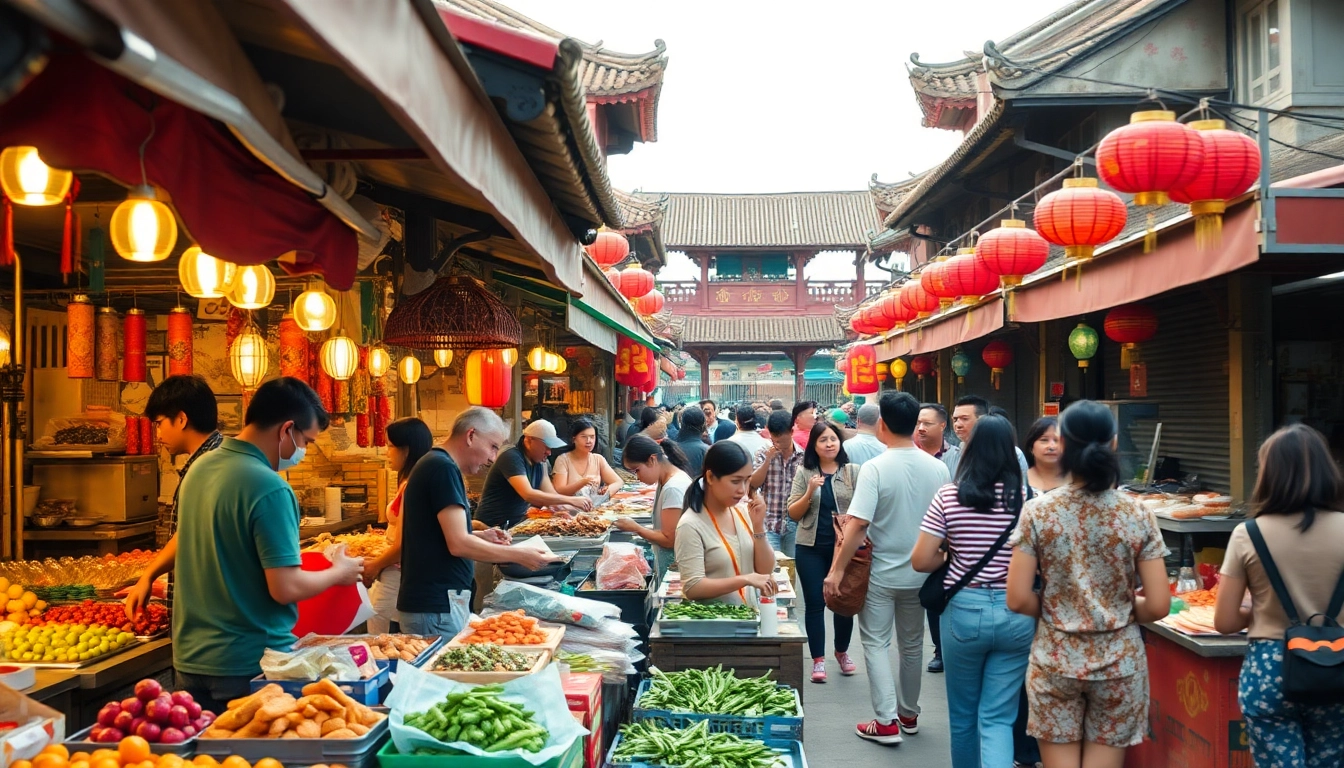
Vietnam. Just the name conjures up images of bustling markets, vibrant street life, and, of course, incredible food! I’ve been fortunate enough to explore this beautiful country, and let me tell you, the culinary experiences are truly unforgettable. This isn’t just about eating; it’s about immersing yourself in a culture rich in tradition and flavor. So, pack your bags (and your appetite!), because we’re about to embark on a delicious adventure through the top Vietnamese food tourism spots. From the fragrant streets of Hanoi to the tropical shores of Phu Quoc, Vietnam offers diverse and exciting authentic Vietnamese food tour locations waiting to be explored. Get ready to tantalize your taste buds with a symphony of flavors, textures, and aromas that will leave you craving more.
Hanoi: A Culinary Capital
My journey began in Hanoi, the heart of Northern Vietnam. The Old Quarter is a foodie paradise! I remember wandering its narrow streets, the air thick with the aroma of roasting meats, simmering broths, and the sweet perfume of freshly brewed coffee. The sensory experience is overwhelming in the best possible way – a captivating blend of sights, sounds, and smells that perfectly encapsulates the vibrant energy of Hanoi. You absolutely must try the iconic phở here – the rich, flavorful broth, often simmered for hours, is a testament to Vietnamese culinary patience and skill. The tender slices of beef, the fresh herbs, and the perfectly balanced spices create a harmonious symphony of flavors that is both comforting and invigorating. And don’t forget to sample the street food – from bánh mì, the quintessential Vietnamese baguette sandwich, bursting with savory meats, pickled vegetables, and fresh cilantro, to the unique and surprisingly delicious egg coffee, a Hanoi specialty that perfectly balances the richness of eggs with the bitterness of coffee. Hanoi stands out as one of the best places for Vietnamese cuisine.
Exploring Hanoi’s Hidden Gems
Beyond the main streets, Hanoi offers a treasure trove of hidden culinary gems. Venture off the beaten path and explore the labyrinthine alleyways that crisscross the city. Seek out local eateries tucked away in these hidden corners, where you’ll discover authentic Hanoi cuisine untouched by mass tourism. These small, family-run establishments often offer the most memorable culinary experiences, serving up traditional dishes passed down through generations. I recommend exploring the areas around Hoan Kiem Lake, a picturesque body of water in the heart of Hanoi, for some fantastic finds. The streets surrounding the lake are lined with charming cafes, restaurants, and street vendors, each offering a unique Vietnamese culinary experiences. Don’t be afraid to simply wander and let your senses guide you; you’ll be rewarded with delicious discoveries around every corner.
Hoi An: A Fusion of Flavors
Next, I ventured south to Hoi An, a charming ancient town that exudes a unique blend of history and culture. This UNESCO World Heritage site is a delightful blend of Vietnamese, Chinese, and Japanese influences, a fascinating confluence of cultures that is beautifully reflected in its cuisine. The local dishes here are lighter and sweeter than those in the north, a delightful change of pace that showcases the versatility of Vietnamese cooking. The use of fresh herbs, delicate spices, and a touch of sweetness distinguishes Hoi An’s cuisine, creating a memorable culinary experience. One of my favorite memories is a cooking class where I learned to make fresh spring rolls – a hands-on experience that allowed me to appreciate the artistry and precision involved in creating this Vietnamese culinary classic. The vibrant colors, the fresh ingredients, and the satisfying process of rolling the perfect spring roll made it a truly unforgettable experience, and, of course, the result was absolutely delicious! Hoi An offers some of the most appealing authentic Vietnamese food tour locations.
Hoi An’s Night Market Delights
Don’t miss the night market in Hoi An. As the sun sets, the ancient town transforms into a vibrant spectacle of lights, sounds, and smells. The vibrant atmosphere, coupled with the incredible array of street food, makes it a must-visit. The night market is a feast for the senses, a kaleidoscope of culinary delights that will tempt even the most discerning palate. You’ll find everything from savory pancakes, crispy and golden-brown, to grilled seafood, succulent and bursting with flavor. The variety is staggering, and the prices are incredibly affordable. Bargaining is expected, so don’t be shy; a little friendly negotiation is all part of the fun! Remember to try the Cao Lau, a Hoi An specialty made with unique noodles and pork, a dish that perfectly encapsulates the town’s unique culinary identity. The night market is not just a place to eat; it’s a cultural experience, a vibrant tapestry of sights, sounds, and tastes that perfectly captures the spirit of Hoi An.
Ho Chi Minh City: A Modern Culinary Hub
Ho Chi Minh City, the bustling southern metropolis, offers a completely different culinary experience. Modern influences blend seamlessly with traditional dishes, creating a vibrant and diverse food scene that reflects the city’s dynamic energy. The culinary landscape is as vast and varied as the city itself, offering a tantalizing blend of old and new, traditional and modern. I spent days exploring the city’s markets, a sensory explosion of sights, sounds, and smells. The markets are a microcosm of Vietnamese society, a bustling hub of activity where locals and tourists alike come together to experience the vibrant energy and culinary diversity of the city. Sampling everything from exotic fruits, bursting with vibrant colors and unique flavors, to spicy curries, rich and aromatic, was a culinary adventure in itself. The energy here is infectious, a dynamic pulse that permeates every aspect of the city, including its culinary scene. The food is just as exciting, a reflection of the city’s vibrant and ever-evolving character. Ho Chi Minh City is among the best places for Vietnamese cuisine.
Discovering Saigon’s Best Kept Secrets
Venture beyond the tourist hotspots and explore the local districts. The true culinary heart of Ho Chi Minh City lies beyond the well-trodden tourist trails, in the hidden alleyways and bustling local markets. You’ll discover hidden gems, authentic culinary experiences that offer a glimpse into the soul of the city. These are the places where locals eat, where the food is fresh, the prices are reasonable, and the atmosphere is authentic. Ask locals for recommendations; they’ll often point you towards places you wouldn’t find in any guidebook, offering a truly insider’s perspective on the city’s culinary scene. These hidden gems often offer a more intimate and authentic culinary experience, a chance to connect with the local culture and sample dishes that are rarely found in tourist-oriented establishments. Embrace the unexpected, and you’ll be rewarded with some of the most memorable culinary experiences of your trip.
Hue: Imperial Cuisine
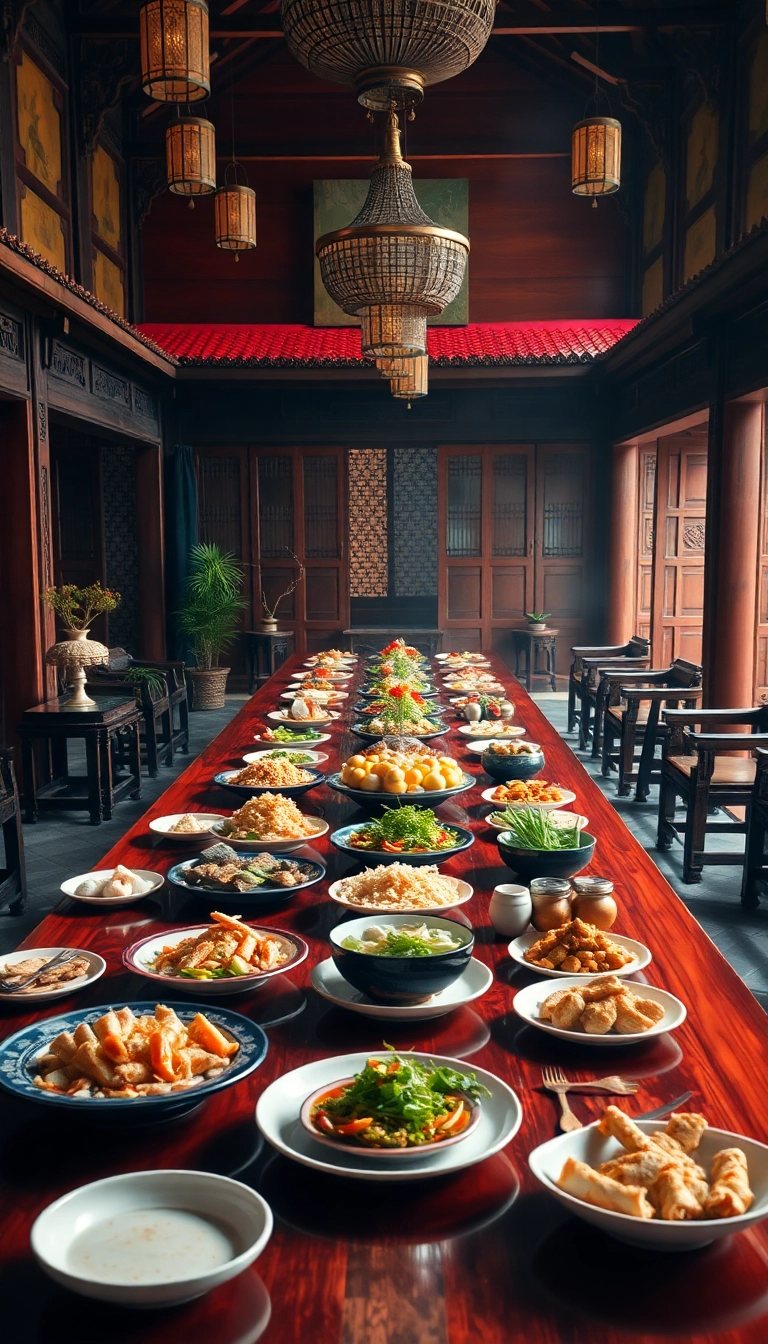
Hue, the former imperial capital, boasts a rich culinary history that reflects its royal past. Its cuisine is known for its elegance and refinement, a testament to the sophisticated tastes of the emperors and their court. The dishes are often elaborate and visually stunning, a reflection of the meticulous attention to detail that characterized the imperial court. I had the pleasure of enjoying a traditional royal banquet, a truly unforgettable experience that transported me back in time. The attention to detail, from the exquisite presentation to the subtle yet complex flavors, was breathtaking. Each dish was a work of art, a carefully crafted culinary masterpiece that showcased the skill and artistry of Hue’s chefs. The flavors were delicate yet profound, a harmonious blend of sweet, sour, salty, and spicy notes that created a symphony of tastes on the palate. It was a feast for the senses, a culinary journey that left an indelible mark on my memory. Hue provides some exceptional unique Vietnamese culinary experiences.
Nha Trang: Seafood Paradise
Nha Trang, a coastal city famed for its stunning beaches and vibrant nightlife, is a seafood lover’s dream. The freshest catches of the day are prepared in countless ways, reflecting the versatility of Vietnamese seafood cuisine. From simple grilled dishes, showcasing the natural flavors of the seafood, to elaborate soups, brimming with aromatic herbs and spices, there is something to satisfy every palate. I spent a delightful afternoon by the sea, enjoying a seafood feast with stunning ocean views – a perfect way to unwind after a day of exploring. The combination of fresh, high-quality seafood, the beautiful ocean setting, and the relaxed atmosphere created a truly memorable dining experience. The gentle sea breeze, the sound of the waves crashing against the shore, and the delicious seafood created a perfect harmony of sights, sounds, and tastes.
Da Lat: Cool Climate Cuisine
Da Lat, situated in the Central Highlands, offers a refreshing change of pace from the humid coastal regions. The cool mountain air influences the local cuisine, which is known for its fresh vegetables and hearty dishes. This mountainous region boasts a unique culinary identity, shaped by its cool climate and fertile soil. I loved the local specialties, like the flavorful mushroom dishes, earthy and satisfying, and the unique coffee preparations, a testament to the region’s rich coffee-growing tradition. The cool climate allows for the cultivation of a wide variety of vegetables and fruits, resulting in a cuisine that is both fresh and flavorful. The local coffee, grown in the rich volcanic soil of the Central Highlands, is renowned for its distinctive flavor profile, a result of the unique terroir of the region.
Mekong Delta: Floating Markets and Fresh Produce
The Mekong Delta is a unique culinary adventure, a region known for its intricate network of rivers and canals, its lush rice paddies, and its vibrant floating markets. I took a boat trip through the floating markets, a truly unforgettable experience that immersed me in the heart of Vietnamese culture. Vendors sell their produce directly from their boats, creating a bustling and vibrant atmosphere. The sheer abundance of fresh fruits, vegetables, and seafood is astounding, a testament to the region’s fertile lands and abundant waterways. You can even find unique dishes made from local ingredients you won’t find anywhere else, a culinary journey into the heart of Vietnamese regional cuisine. The floating markets are not just places to buy food; they are a cultural experience, a glimpse into the daily lives of the people who inhabit this unique and fascinating region.
Sapa: Mountain Flavors
Nestled in the northern mountains, Sapa provides a breathtaking backdrop for a culinary journey. The local cuisine reflects the region’s unique environment, with dishes featuring locally grown vegetables and meats, reflecting the region’s unique agricultural traditions and the hardy nature of its people. The cuisine is hearty and flavorful, designed to sustain those who live and work in the mountains. I recommend trying the local hill tribe specialties for a truly authentic experience. These dishes often feature unique ingredients and cooking techniques, providing a glimpse into the rich culinary heritage of the various ethnic groups that call Sapa home. The stunning mountain scenery, combined with the unique culinary experiences, makes Sapa a truly unforgettable destination.
Phu Quoc Island: Tropical Delights
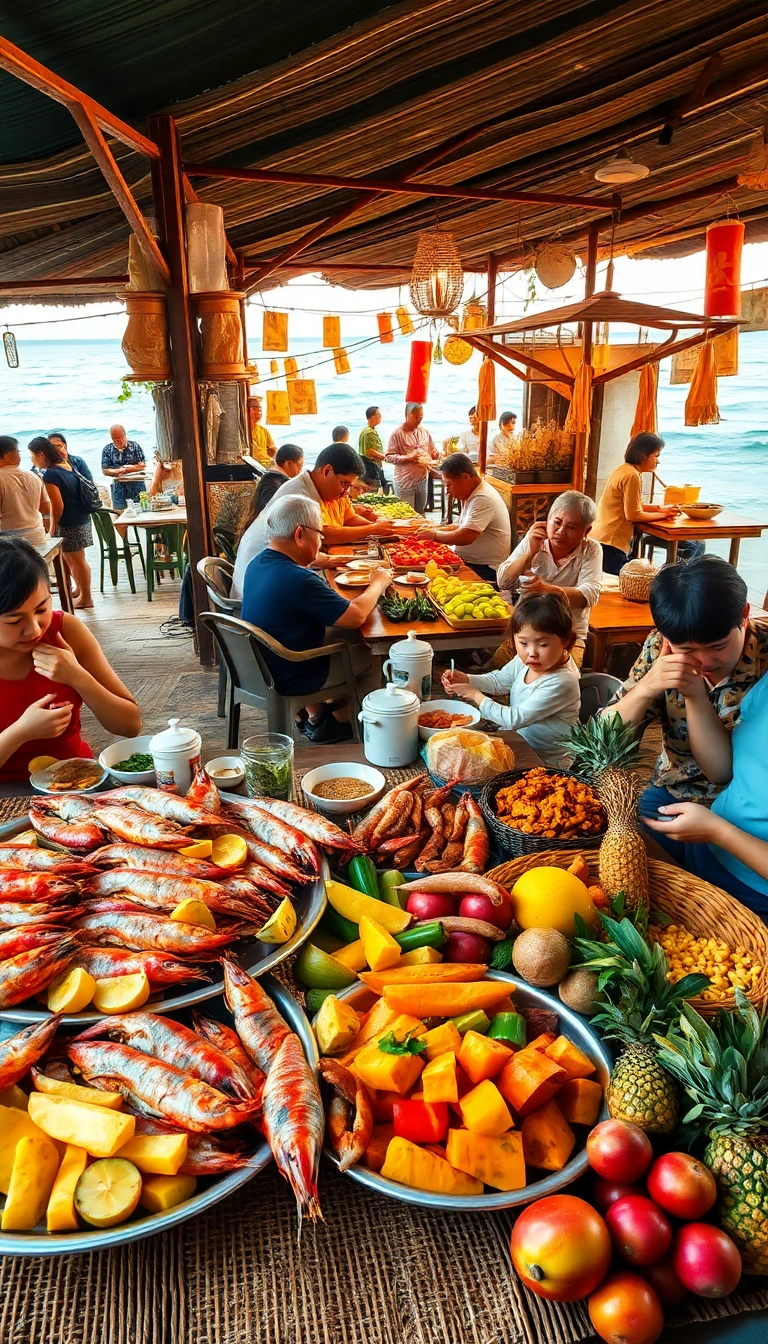
Phu Quoc Island, a tropical paradise, offers a feast for the senses. The island’s fresh seafood, coupled with its tropical fruits and unique spices, creates a culinary experience unlike any other. The abundance of fresh seafood, sourced from the surrounding waters, is a hallmark of Phu Quoc’s cuisine. The island’s tropical climate also allows for the cultivation of a wide variety of fruits and spices, adding a unique dimension to the local dishes. I spent my days relaxing on the beach, enjoying fresh coconut water and delicious seafood dishes, a perfect blend of relaxation and culinary indulgence. The combination of fresh ingredients, the beautiful island setting, and the relaxed atmosphere creates a truly unforgettable culinary experience. Phu Quoc Island features some of the most intriguing unique Vietnamese culinary experiences.
Make the most of your Vietnam trip with our comprehensive food guides.
Planning your adventure requires knowing best time for Sapa trekking, so consider seasonal weather patterns for an unforgettable trip!
Exploring Beyond the Tourist Trail
While these are some of Vietnam’s most popular food destinations, don’t be afraid to explore beyond the well-trodden paths. Venture into smaller towns and villages to discover hidden culinary gems and truly unique gastronomic experiences. Talk to locals, ask for recommendations, and be open to trying new things. You never know what delicious surprises you might find! The true culinary heart of Vietnam lies beyond the tourist hotspots, in the smaller towns and villages where traditional cooking methods and local ingredients are still cherished. Embrace the unexpected, and be open to new experiences, and you will be rewarded with culinary discoveries that will stay with you long after your trip is over.
- Hanoi: Explore the Old Quarter’s street food scene and savor the iconic phở, indulging in the rich broth and tender beef.
- Hoi An: Indulge in the fusion cuisine and vibrant night market, savoring the Cao Lau and an array of street food delights.
- Ho Chi Minh City: Discover the modern culinary scene and explore local districts, uncovering hidden gems and authentic flavors.
- Hue: Experience the elegant imperial cuisine, perhaps even indulging in a traditional royal banquet.
- Nha Trang: Delight in the freshest seafood by the sea, enjoying a meal with stunning ocean views.
- Da Lat: Savor the cool climate cuisine and unique coffee preparations, experiencing the hearty mushroom dishes and distinctive coffee flavors.
- Mekong Delta: Explore the floating markets and fresh produce, experiencing the vibrant atmosphere and unique local ingredients.
- Sapa: Try the local hill tribe specialties in the northern mountains, savoring the hearty and flavorful dishes.
- Phu Quoc Island: Enjoy tropical delights and fresh seafood, relaxing on the beach and indulging in the island’s culinary offerings.
- Can Tho: Explore the Cai Rang Floating Market, the largest floating market in the Mekong Delta, and enjoy the diverse local delicacies.
- Cuc Phuong National Park: Discover rural Vietnamese cuisine amidst stunning natural beauty, experiencing the simple yet flavorful dishes of the countryside.
- Phong Nha-Ke Bang National Park: Enjoy local specialties after exploring the magnificent caves, rewarding yourself after a day of adventure.
