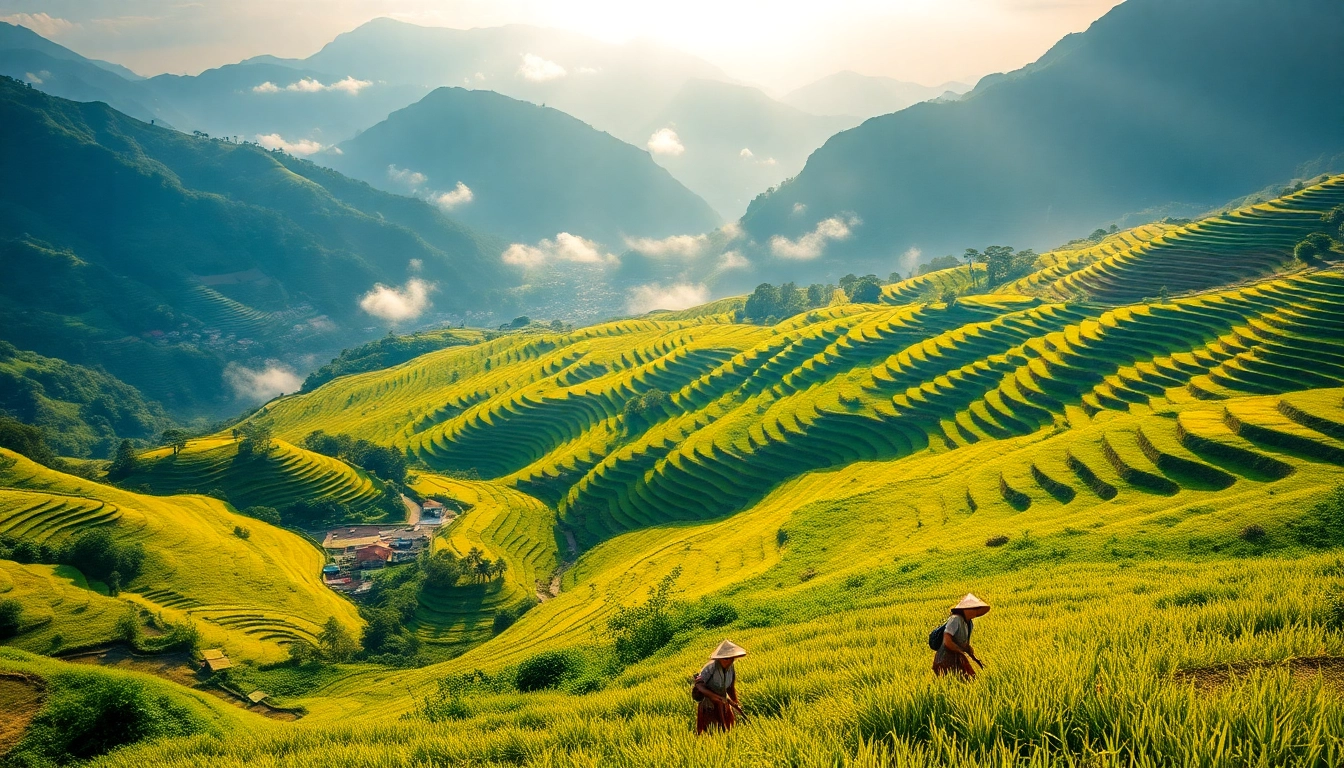
Vietnam, renowned for its vibrant culture and diverse landscapes, boasts some of the most breathtaking rice terraces in Southeast Asia. These stunning agricultural marvels not only exemplify traditional farming ingenuity but also offer travelers unparalleled scenic beauty. The rice terraces of Vietnam are a testament to centuries-old farming practices that harmonize with the natural environment, creating a mesmerizing tapestry of greenery and terraces that stretch across mountainsides. Beyond their visual appeal, these terraces represent a profound connection between the Vietnamese people and their land, a connection forged through generations of hard work and sustainable practices. The intricate network of waterways and carefully sculpted fields demonstrates an intimate understanding of the local ecology and a commitment to preserving it. Visitors to these regions are not just witnessing a beautiful landscape; they are experiencing a living, breathing example of cultural heritage and environmental stewardship.
The Cultural Significance of Rice Terraces in Vietnam
Rice cultivation has been the backbone of Vietnamese agriculture and culture for thousands of years. The terraces serve as living symbols of resilience, community, and tradition. Local communities have cultivated these terraces meticulously, passing down techniques from generation to generation. These landscapes are intertwined with festivals, rituals, and daily life, making them an integral part of Vietnamese identity. The rice terraces aren’t simply fields; they are stages for life’s most important moments. From planting ceremonies that invoke the blessings of the gods to harvest festivals that celebrate the bounty of the land, the terraces are at the center of the community’s social and spiritual life. Each terrace represents the labor of countless hands, the wisdom of ancestors, and the hope for a prosperous future. The intricate knowledge of water management, soil conservation, and crop rotation that is passed down through families is a testament to the deep understanding and respect for nature that is embedded in Vietnamese culture.
Key Regions Featuring Stunning Rice Terraces
Several regions in Vietnam are renowned for their picturesque rice terraces, each offering unique scenic vistas and cultural experiences. These include:
Mu Cang Chai, Yen Bai Province
Often regarded as the most spectacular rice terrace landscape in Vietnam, Mu Cang Chai features terraced fields that cascade down mountain slopes. Exploring Mu Cang Chai rice field tours provides a chance to witness the region’s captivating beauty during the harvest season from September to October when the fields turn golden, creating a breathtaking panorama. The terraces here are not just functional; they are works of art, sculpted over centuries to create a landscape of unparalleled beauty. The winding roads that snake through the mountains offer stunning viewpoints at every turn, allowing visitors to fully appreciate the scale and grandeur of the terraces. Beyond the visual spectacle, Mu Cang Chai offers a glimpse into the lives of the Hmong people, who have cultivated these lands for generations, preserving their unique culture and traditions.
Sapa, Lao Cai Province
Sapa’s terraced fields are nestled amidst towering mountains and lush forests. The region’s vibrant ethnic minority communities add cultural richness to the scenic beauty. Visitors can trek through terraced valleys and witness traditional farming practices firsthand. The diverse ethnic groups that call Sapa home, including the Hmong, Dao, and Tay, each contribute their unique traditions and customs to the region’s rich cultural tapestry. Trekking through the valleys offers the opportunity to interact with local villagers, learn about their way of life, and sample traditional cuisine. The vibrant markets of Sapa are a feast for the senses, filled with colorful textiles, handicrafts, and local produce.
Yen Bai Province
Aside from Mu Cang Chai, Yen Bai offers expansive rice terraces with vivid green hues, particularly during the planting season. The area’s remote villages provide authentic cultural encounters. The province is less traveled than Sapa, offering a more secluded and authentic experience for those seeking to escape the crowds. The rolling hills and verdant valleys are dotted with traditional stilt houses, where visitors can experience the warm hospitality of the local people. Exploring the backroads of Yen Bai by motorbike is a popular way to discover hidden waterfalls, ancient temples, and breathtaking viewpoints.
Y Ty, Lao Cai Province
This lesser-known destination offers pristine rice terraces and is perfect for travelers seeking tranquility and untouched landscapes. Visiting during the planting or harvesting seasons reveals the full beauty of the terraced fields. Y Ty is a hidden gem, a place where time seems to stand still. The rice terraces here are particularly stunning, cascading down the mountainsides in a series of perfectly sculpted steps. The region is home to the Ha Nhi people, who have preserved their traditional way of life for centuries. Staying in a local homestay is a unique opportunity to experience their culture firsthand, sharing meals, learning about their customs, and participating in daily activities.
The Best Time to Visit Vietnam’s Rice Terraces
The timing of a visit significantly influences the visual splendor of Vietnam’s rice terraces. Best time to visit Sapa is often during the harvest season, from September to October, when the fields turn golden and ready for reaping, creating a striking contrast against the blue skies. The planting season, typically from May to July, offers lush green landscapes as new rice shoots sprout. For those interested in vibrant cultural festivals, aligning visits with local harvest festivals provides an immersive experience. Each season offers a unique perspective on the rice terraces. During the rainy season, the terraces are filled with water, creating shimmering reflections of the sky and clouds. In the dry season, the terraces are a patchwork of colors, ranging from deep green to golden yellow, depending on the stage of the rice crop.
Experiencing the Beauty: Activities and Tours
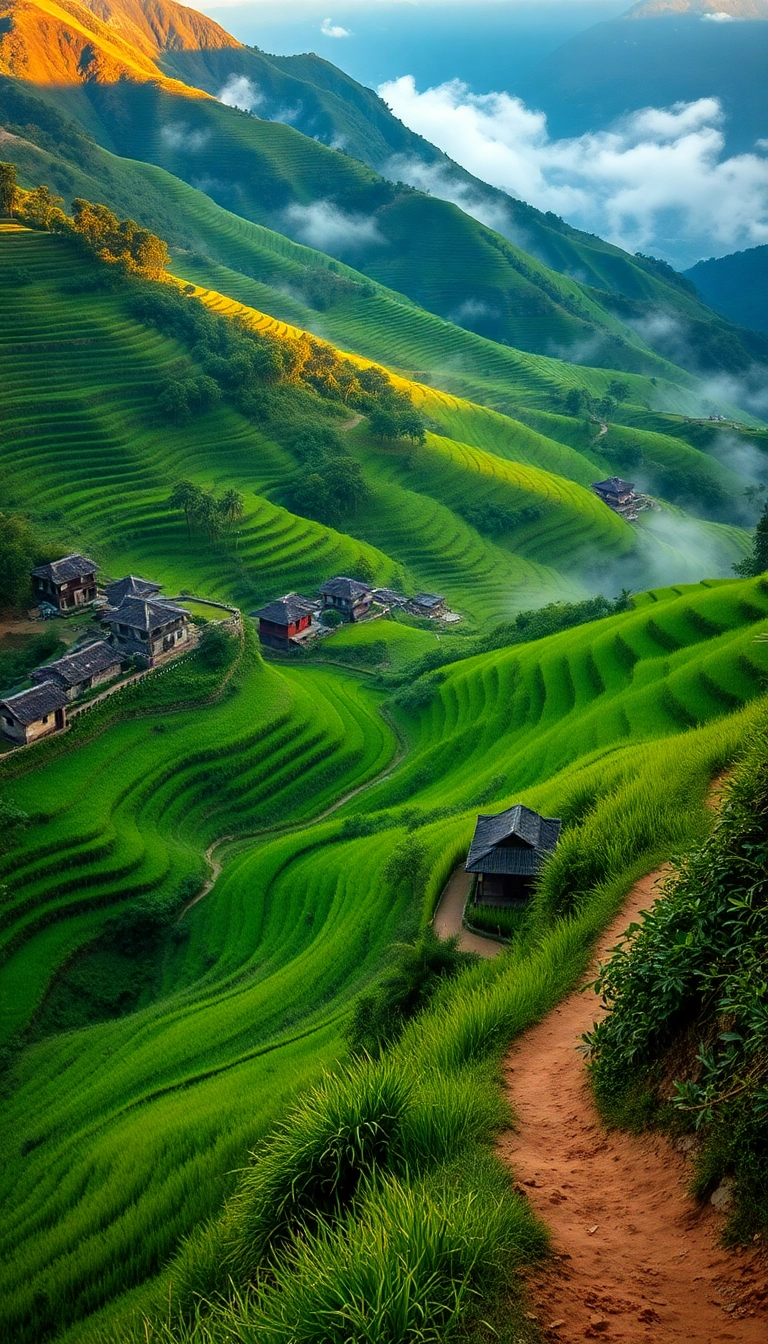
Travelers seeking to immerse themselves in the splendor of Vietnam’s rice terraces can choose from a variety of activities. Guided treks through terraced landscapes allow visitors to appreciate the intricate engineering and natural beauty up close. Vietnam rice terrace photography tours are popular, enabling visitors to capture stunning vistas at dawn or sunset when the lighting enhances the landscape’s contours.
Additionally, cultural tours include visits to local villages, where traditional crafts and farming techniques are demonstrated. Homestays with ethnic minority families provide authentic insights into rural Vietnamese life, enriching the overall experience. Cooking classes offer the chance to learn how to prepare traditional Vietnamese dishes using fresh, local ingredients. Learning about the history and culture of the rice terraces from a local guide can provide a deeper understanding and appreciation for this unique landscape. Consider hiring a guide from the local community to directly support their economy and ensure that your visit is respectful and sustainable.
Ecological and Environmental Significance
The rice terraces of Vietnam are not only aesthetic marvels but also vital ecological systems. These landscapes help prevent soil erosion, conserve water, and promote biodiversity. By maintaining sustainable farming practices, local communities contribute to environmental preservation, ensuring these scenic views endure for future generations. The intricate network of irrigation canals and terraces helps to regulate water flow, preventing flooding and ensuring a steady supply of water for agriculture. The rice terraces also provide habitat for a variety of plant and animal species, contributing to the overall biodiversity of the region. The traditional farming practices used by local communities, such as crop rotation and composting, help to maintain soil fertility and prevent the need for chemical fertilizers and pesticides.
Perhaps you’re wondering expatriate banking in Vietnam is so popular, and whether it’s the right choice for you?
Challenges Facing Rice Terrace Preservation
Despite their beauty and cultural importance, rice terraces face threats from modernization, climate change, and economic pressures. Urbanization and infrastructural development threaten to encroach upon these landscapes. Additionally, irregular rainfall patterns and rising temperatures due to climate change can disrupt rice cultivation cycles, affecting both the environment and local livelihoods.
Efforts by local governments and NGOs aim to promote sustainable tourism, ecological conservation, and the preservation of traditional farming techniques. Supporting responsible tourism and local initiatives can help safeguard these cultural landscapes. These initiatives include providing training and resources to local communities to help them adapt to climate change, promoting sustainable agricultural practices, and developing eco-tourism projects that benefit the local economy.
How Tourism Can Promote Conservation and Local Economies
Eco-tourism and cultural tourism provide vital economic incentives for local communities to preserve rice terraces. By attracting visitors, these initiatives generate income that supports infrastructure improvements and environmental conservation efforts. Responsible tourists are encouraged to respect local customs, minimize environmental impact, and contribute to community development projects.
Promoting authentic experiences, such as homestays and cultural festivals, further enhances the economic benefits while fostering cultural understanding and appreciation. By choosing to stay in locally owned accommodations, eat at local restaurants, and purchase handicrafts directly from artisans, tourists can ensure that their money stays within the community and supports local livelihoods. Supporting community-based tourism initiatives can also help to empower local communities and give them a greater say in the management and preservation of their cultural heritage.
Expert Insights on Vietnam’s Rice Terraces
Environmental and cultural experts emphasize the importance of sustainable management to preserve Vietnam’s rice terraces. Dr. Nguyen Van Linh, an agronomist specializing in terraced farming, notes, “These landscapes are a living heritage that requires ongoing efforts in conservation and community engagement. Sustainable tourism can be a powerful tool in maintaining their beauty and cultural integrity.”
Plan an immersive Vietnam trip by exploring the specifics of each region in our Vietnam travel regions guide.
Tourism industry specialists recommend that visitors educate themselves about local customs and participate in eco-friendly activities, ensuring their presence supports rather than harms these fragile landscapes. Furthermore, understanding the carrying capacity of these areas is crucial to prevent over-tourism. Implementing visitor quotas and promoting off-season travel can help to distribute the impact of tourism more evenly throughout the year.
Travel Tips for Visiting Vietnam’s Rice Terraces
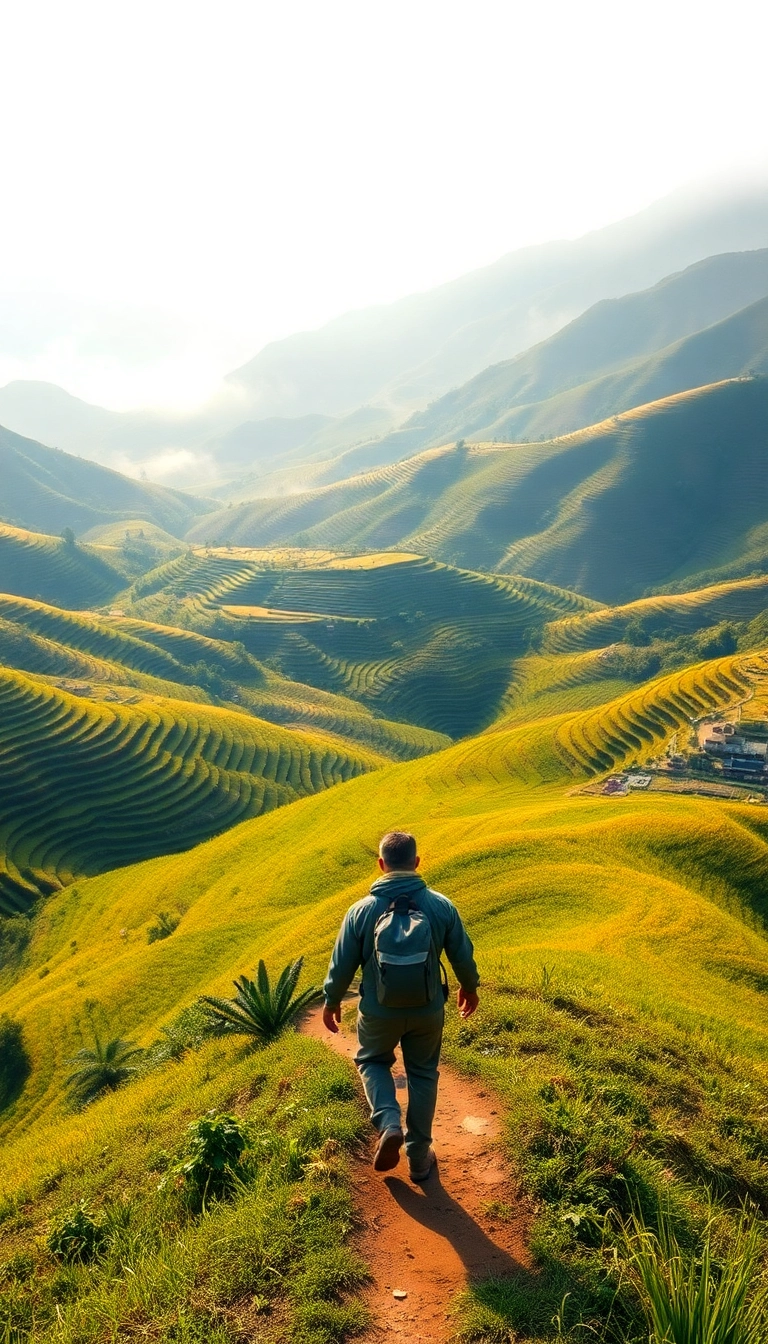
To maximize the experience, travelers should plan visits during the optimal seasons, such as the best time to visit Sapa, which is September to October for the harvest, or May to July for lush green vistas. Hiring local guides enriches the journey with cultural insights. Respect for local customs, environmentally responsible behavior, and patience are essential when exploring these serene landscapes. Comfortable trekking shoes, camera gear, and appropriate clothing for variable weather conditions are also recommended. Learning a few basic Vietnamese phrases can also enhance your interactions with local people and show your respect for their culture. Be prepared for limited infrastructure in some areas, including basic accommodation and transportation options. Embrace the opportunity to disconnect from the modern world and immerse yourself in the beauty and tranquility of the rice terraces.
An Unmissable Natural Wonder
Vietnam’s rice terraces stand as a profound testament to human ingenuity and harmony with nature. They offer not only stunning visual appeal but also a deep cultural narrative that continues to thrive amidst modern challenges. Vietnam rice terrace photography tours, along with other activities, provide an immersive experience into Vietnam’s rich agricultural traditions and natural beauty. Visiting these landscapes provides an immersive experience into Vietnam’s rich agricultural traditions and natural beauty. Exploring Mu Cang Chai rice field tours can offer travelers seeking awe-inspiring views combined with cultural depth, Vietnam’s rice terraces are an unmissable destination that promises unforgettable memories and meaningful insights into a timeless way of life. They are a reminder of the importance of preserving our cultural heritage and protecting our natural environment for future generations.
Isn’t it wild how we could dive into the beauty of Y Ty’s rice terraces? Imagine tasting delicious dishes made by the Ha Nhi people, where every bite speaks of their rich history! And don’t forget about the traditional festivals. those vibrant performances and colorful outfits really make the culture come alive! It feels like such an incredible adventure just waiting for us!
Vietnam’s rice terraces are stunning, reflecting rich culture and traditional farming practices. what a beautiful experience!
I feel the same! Those terraces truly capture the heart of Vietnam’s culture and beauty.
Imagine sipping tea while soaking in those breathtaking views. truly a perfect vibe!
Just make sure your tea doesn’t spill. those views are steep!
Those terraces can be breathtaking. Last time, I almost dropped my camera!
I appreciate your perspective! Have you thought about visiting during the harvest season?
The rice terraces of Vietnam beautifully showcase community spirit and respect for nature. What are your thoughts? Exploring them offers a chance to learn from the Hmong people and appreciate their heritage.