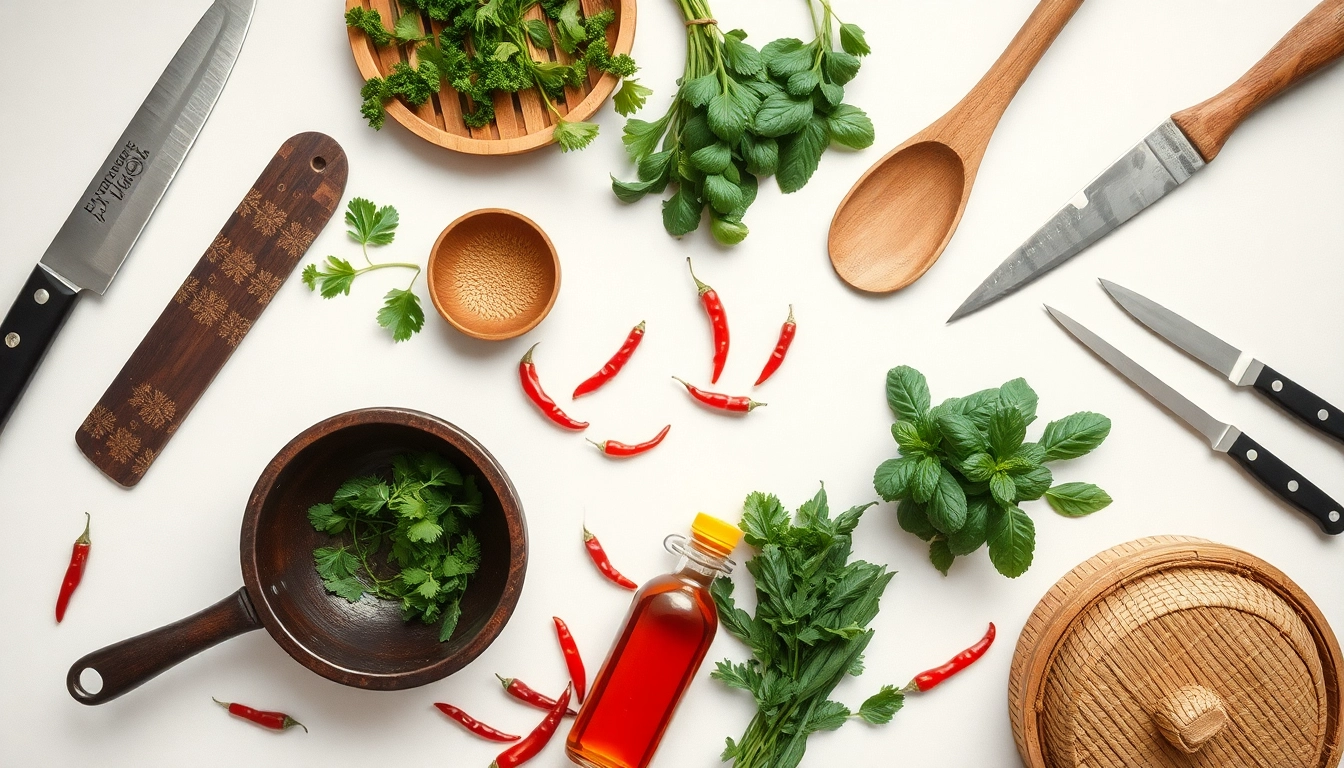
If you’ve ever dived into a bowl of Pho or savored a fresh summer roll, you know that Vietnamese cuisine isn’t just about ingredients—it’s about the tools that transform those ingredients into culinary magic. Over the years, I’ve discovered that having the right utensils can elevate your cooking from good to downright spectacular. Today, I want to share my personal journey along with an essential Vietnamese cooking tools list that every home chef should have in their arsenal. Trust me, once you get these tools, you’ll feel like a true Vietnamese chef—minus the jet lag! Not only do these utensils help you achieve authentic flavors and textures, but they also make the cooking process more enjoyable and efficient. Whether you’re a seasoned cook or just starting out, these tools will help you unlock the vibrant and complex flavors that make Vietnamese cuisine so beloved around the world.
1. The Classic Clay Pot (Nồi đất)
Nothing beats the aroma that wafts from a slow-cooked Vietnamese stew in traditional Vietnamese kitchen equipment. I first experienced this at a family gathering, and I was hooked. The clay distributes heat evenly, making your dishes rich and flavorful. Plus, it’s perfect for simmering broths, braises, or even making your own fermented sauces like nước mắm hoặc mắm tôm. A word of advice: invest in a good-quality clay pot; it lasts forever and adds an authentic touch to your cooking. This is one of the Vietnamese cooking utensils for beginners that many Vietnamese households use for everyday cooking because of their durability and ability to develop a seasoned surface that improves with age. You’ll find that using a clay pot not only enriches the taste but also brings an authentic Vietnamese atmosphere to your kitchen, especially if you enjoy slow-cooked, hearty meals like bò kho or cá kho tộ.
2. The Essential Bamboo Steamer
If you’ve ever bitten into a perfectly steamed Bánh Bao or summer roll, you know the magic of a bamboo steamer. I love how it gently cooks without making the food soggy—just the right steam to keep everything tender and vibrant. Plus, it’s eco-friendly and adds that lovely bamboo aroma to your dishes. Pro tip: line it with parchment paper or cabbage leaves to prevent sticking, and you’ll be steaming like a pro in no time. The bamboo material allows steam to circulate evenly around the food, ensuring the delicate textures of dumplings, buns, and vegetables are preserved. I also use my bamboo steamer to prepare Vietnamese sticky rice dishes and to gently reheat leftovers without drying them out. It’s a versatile tool that combines tradition with practicality, making it a must-have for anyone serious about Vietnamese cooking.
If you’re aiming for unforgettable memories, remember to review these best photography spots Vietnam before you go!
3. The Sharp Knives (Especially the Vietnamese Cleaver)
Nothing turns a good cook into a great one like a sharp, reliable knife. As part of the essential Vietnamese cooking tools list, I recommend investing in a Vietnamese cleaver—it’s a powerhouse for chopping herbs, slicing meats, and even crushing garlic. The broad blade allows for quick mincing, and the heft makes chopping effortless. Remember, a dull knife is dangerous, so keep yours sharp and well-maintained. Trust me, once you get the hang of it, your prep time will shrink and your dishes will look Instagram-worthy. Vietnamese cleavers are uniquely designed with a rectangular, heavy blade that enables you to chop through bones, cut large vegetables, and scoop ingredients with ease. They’re also perfect for preparing traditional dishes like thịt kho tàu or chopped salads. Besides their practicality, a good cleaver adds an authentic aesthetic to your kitchen, reminiscent of traditional Vietnamese markets. To keep your knives in top shape, invest in a good sharpening stone and learn proper sharpening techniques—it makes all the difference.
4. The Rice Cooker (Perfect for Perfect Rice)
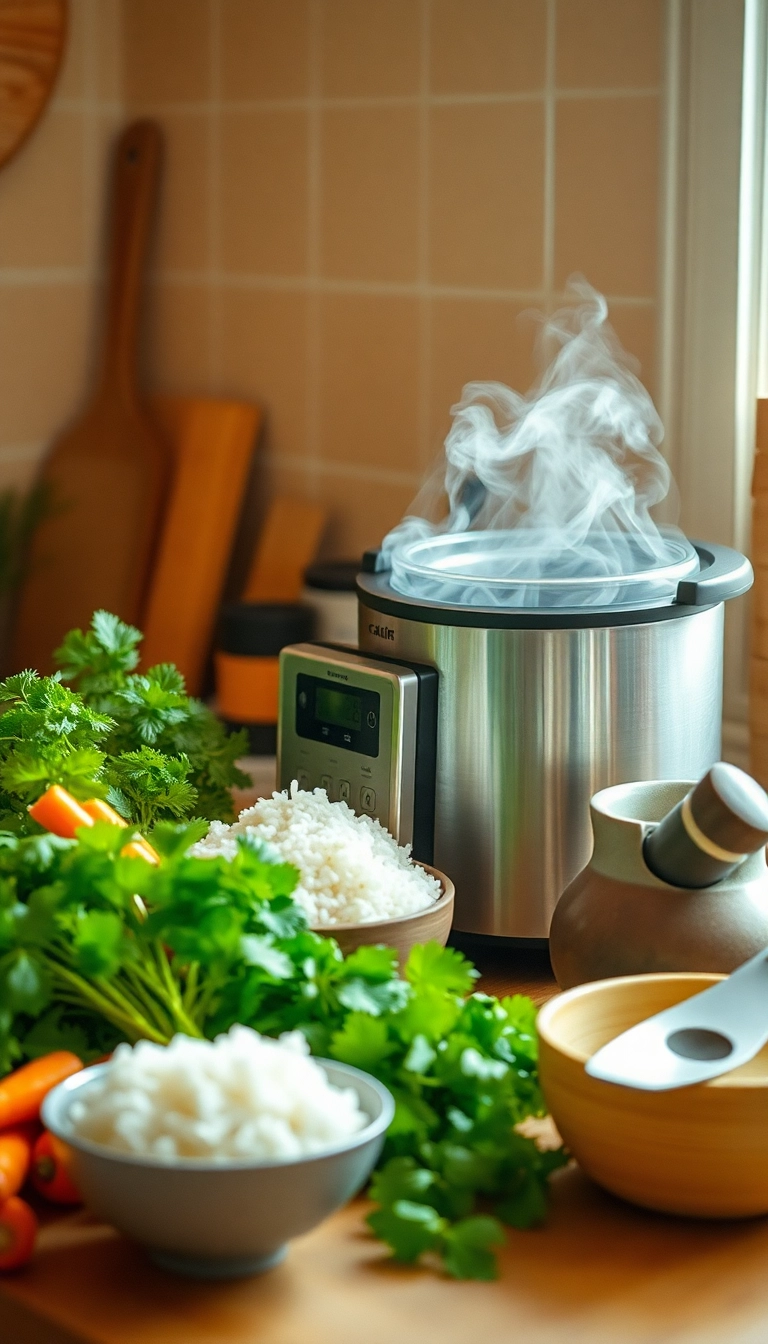
If there’s one utensil I can’t live without for Vietnamese cooking, it’s my rice cooker. Vietnamese meals often revolve around rice, and achieving fluffy, perfectly cooked rice is an art. I’ve tried many brands, but my favorite is one with fuzzy logic—it’s like having a little rice chef in your kitchen. Bonus: modern rice cookers often come with steaming trays, so you can cook rice and veggies simultaneously—talk about efficiency! For Vietnamese cooking utensils for beginners, the beauty of a good rice cooker is its ability to consistently produce perfectly cooked rice every time, whether it’s jasmine, sticky rice, or plain white rice. Vietnamese cuisine often pairs rice with almost every dish, from grilled meats to vegetable stir-fries. A high-quality rice cooker reduces the guesswork and ensures your rice is neither too sticky nor too dry. It also frees up stove space and simplifies meal prep. For added convenience, some models have programmable features allowing you to set the cooking time in advance, making mealtime planning a breeze.
5. The Mortar and Pestle (Tạo)
Nothing beats pounding fresh herbs and spices with a mortar and pestle. As essential traditional Vietnamese kitchen equipment, I use mine to make vibrant pestos, marinade pastes, or even to crush garlic and chili. It’s a meditative process that releases amazing flavors and aromas. Plus, it’s a lot more fun than blitzing everything in a blender. My advice: get a sturdy stone mortar—it’s durable and adds authenticity to your cooking. Using a mortar and pestle allows you to control the texture of your ingredients, whether you want a coarse spice rub or a smooth paste. Vietnamese dishes like nước mắm chấm or bò lúc lắc benefit greatly from freshly ground spices. The act of pounding also releases essential oils and aromas, elevating the flavor profile of your dishes. Additionally, a mortar and pestle are invaluable for preparing traditional condiments like tỏi ớt chưng (garlic and chili paste) or an aromatic lemongrass marinade. Investing in a good-quality stone mortar ensures it won’t crack or chip over time, providing years of reliable use.
6. The Fish Scaler and Kitchen Shears
If you’re tackling fish dishes, these two tools are your best friends. I learned the hard way that scaling fish with a dull knife is a nightmare—so a good fish scaler is essential. Kitchen shears are perfect for trimming herbs, cutting lemongrass, or even slicing through poultry. They’re versatile and save time, which means more time enjoying your delicious Vietnamese creations. Fish is a staple in Vietnamese cuisine, used in dishes like cá kho tộ or gỏi cá. Properly scaling fish ensures a clean presentation and prevents messes while cooking. A fish scaler designed with fine teeth makes quick work of removing scales without damaging the flesh. Kitchen shears are equally indispensable—they can cut through bones, trim herbs, and even open packaging easily. Having these tools at your fingertips streamlines the cooking process and keeps your workstation tidy. Remember to clean and dry them thoroughly after use to maintain their sharpness and prevent rusting.
7. The Lemon Squeezer and Lime Juicer
Fresh citrus is a staple in Vietnamese cuisine, especially in dipping sauces like Nước Chấm. I keep a sturdy lime juicer handy—it makes extracting every drop quick and mess-free. I’ve found that freshly squeezed lime juice elevates any dish, giving it that bright, tangy punch. Trust me, investing in a good citrus squeezer is a game-changer for your condiment game. The vibrant acidity of lime and lemon juice enhances grilled meats, seafood, and salads—bringing out the natural flavors and adding a refreshing zing. A dedicated lemon squeezer or lime juicer ensures you get maximum juice with minimal effort and no seeds. Some models come with a built-in strainer to catch pulp, making your sauces smooth and visually appealing. Using fresh citrus juice is especially important in Vietnamese recipes like gỏi cuốn (spring rolls) and bún thịt nướng, where the acidity balances savory and sweet elements. Keep your citrus tools clean and dry to prevent corrosion and ensure longevity.
8. The Stir-Fry Wok (Chảo xào)
Vietnamese stir-fries are quick, flavorful, and colorful—thanks to a trusty wok. I love how easy it is to toss ingredients in a wok, ensuring even cooking and fantastic flavor absorption. My wok is seasoned and well-used; it has that perfect non-stick surface. When choosing one, go for a carbon steel wok—lightweight, durable, and heats up quickly. It’s an investment that pays off in every stir-fry. The high heat capacity of a good wok allows you to quickly sear meats and vegetables, locking in juices and flavors. Its curved shape makes tossing ingredients effortless, which is essential for dishes like xào gà or canh chua. A well-seasoned wok develops a natural non-stick coating, reducing the need for excessive oil and making cooking healthier. Additionally, a wok can double as a deep-frying vessel or a steaming pan with the right accessories. Regularly maintain your wok by cleaning it without soap and re-seasoning it as needed to preserve its non-stick surface and authentic flavor.
9. The Small Skimmer or Slotted Spoon
This tool might seem simple, but it’s incredibly useful for removing foam from broths, lifting fried items out of hot oil, or serving delicate herbs. I keep mine within arm’s reach when making Pho or other brothy dishes. It helps maintain clarity and presentation—plus, it’s satisfying to scoop out those aromatic herbs and noodles with style. The skimmer allows you to lift ingredients without breaking them apart, which is crucial when serving delicate items like spring rolls or rice noodles. It also helps remove impurities that float to the top of boiling broths, ensuring a clear and flavorful soup. A slotted spoon can be used to serve stir-fried vegetables, dumplings, or even to drain excess oil from fried foods. Choose a stainless steel or durable silicone version for easy cleaning and heat resistance. Having this tool handy enhances the overall presentation and quality of your dishes, making your Vietnamese meals look as authentic as they taste.
10. The Vietnamese Tea Pot (Ấm trà)
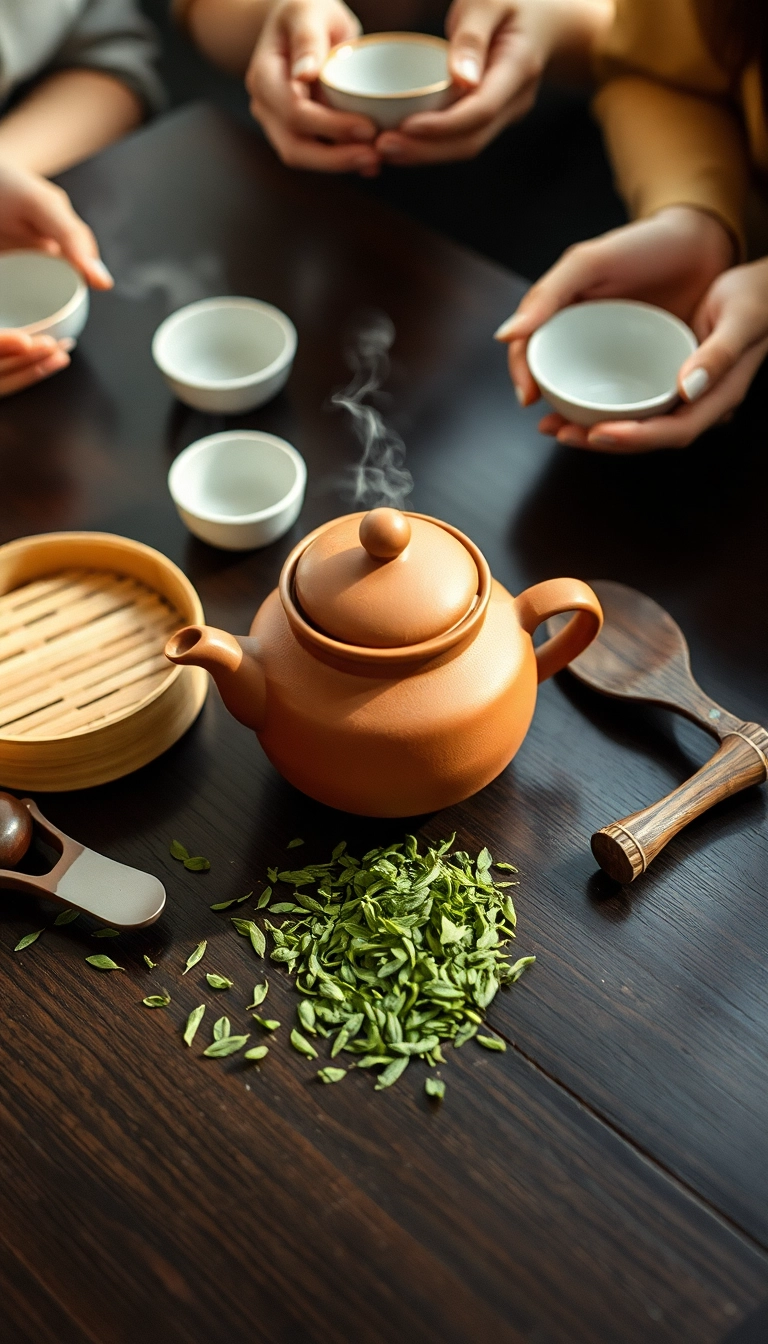
Vietnamese tea is a ritual, a social event, and a way to unwind. My favorite is a traditional small teapot that allows for multiple infusions. I love how it encourages slow sipping and conversation. Plus, having a beautiful teapot adds an aesthetic touch to your table—because eating is also about the experience, right? Vietnamese tea, often green or jasmine, is served alongside almost every meal and in many social gatherings. The small teapot, or ấm trà, is designed to hold enough tea leaves for multiple infusions, each releasing a different layer of flavor. Preparing and sharing tea is a cherished tradition that fosters connection and relaxation. An elegant teapot made of porcelain or clay enhances the aesthetic of your dining setup. It also keeps the tea warm longer, allowing you to enjoy multiple rounds of fragrant, freshly brewed tea. Incorporate this into your routine and elevate your dining experience—whether alone or with friends—by embracing this beautiful Vietnamese tradition.
Bonus: The Multi-purpose Cutting Board
Finally, a sturdy cutting board is your canvas. I recommend one with a juice groove to catch those inevitable juices from meats and fruits. It’s the foundation of all your prep work. Keep a separate board for meats and vegetables to avoid cross-contamination—trust me, your taste buds will thank you! A high-quality chopping board not only protects your countertops but also makes chopping, slicing, and dicing safer and more efficient. Opt for a wooden or polyethylene board, depending on your preference, and ensure it’s thick enough to withstand frequent use. The juice groove helps contain liquids, keeping your workspace clean. Regularly sanitize your boards to prevent bacteria buildup, especially after cutting raw meats. Having dedicated boards for different ingredients ensures purity of flavors and keeps your kitchen hygienic. An investment in a good cutting board makes all your Vietnamese cooking preparations smoother and more enjoyable.
Discover the best places to eat with our Vietnam food guides featuring top restaurants and street food spots.
Equip Yourself and Embrace the Flavors
Mastering Vietnamese cuisine doesn’t mean you need an entire pantry of specialized tools—just these essentials will set you on the right path. Each utensil plays a role in capturing the vibrant, fresh, and aromatic essence of Vietnam’s culinary traditions. By investing in quality tools, you not only make your cooking more authentic but also more fun and efficient. Remember, the right utensils help you unlock the full potential of your ingredients, allowing you to create dishes that would make any Vietnamese grandma proud. So go ahead, gather these tools, and start experimenting in your kitchen. With each chop, stir, and simmer, you’ll be closer to experiencing the true flavors of Vietnam—right in your own home. Happy cooking!
