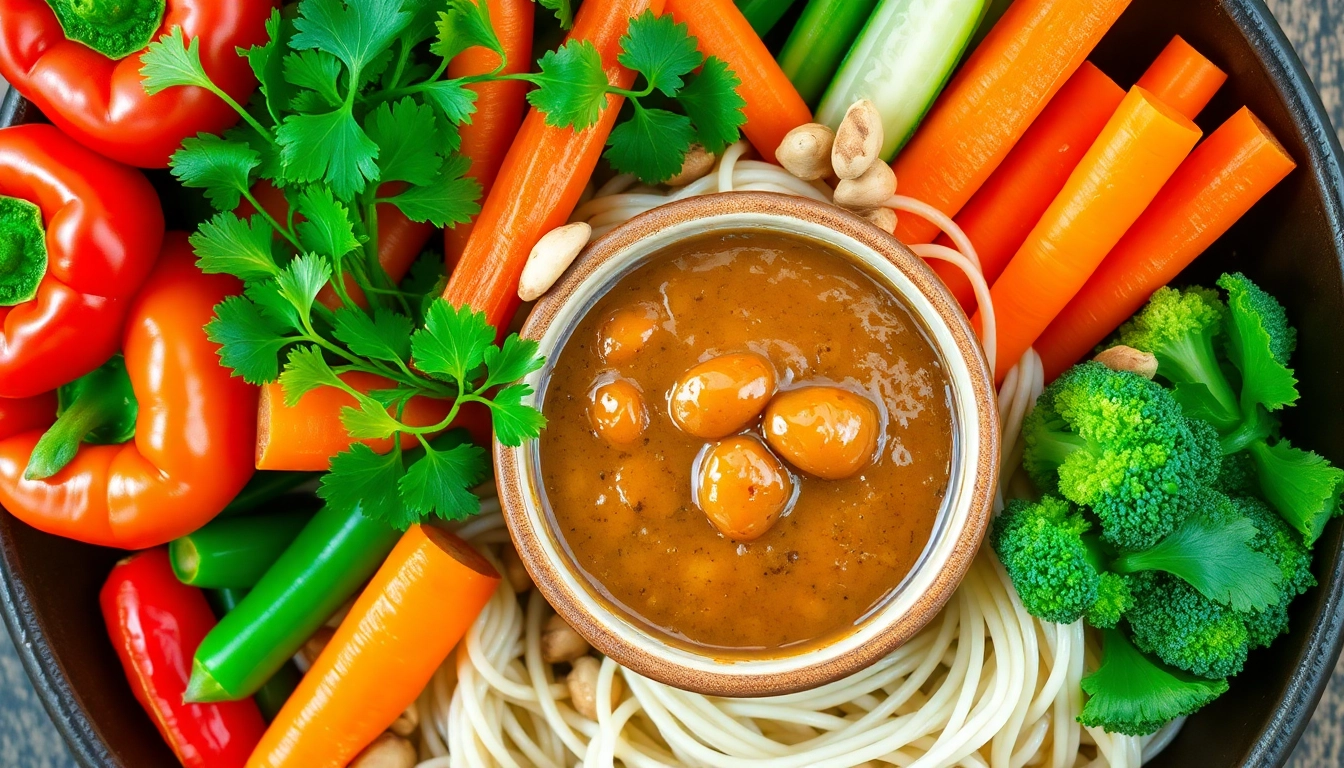
Whenever I think about Vietnamese cuisine, one of the first flavors that comes to mind is the rich, nutty goodness of peanut sauce. It’s incredible how a simple mixture of ingredients can elevate an ordinary dish into something truly memorable. I remember my first time trying it—savoring a fresh spring roll dipped in that creamy, savory sauce—and from that moment, I knew I had to learn how to make it myself. The complexity of flavors, the balance of sweet, salty, and savory, all combined into one delightful experience. It’s more than just a condiment; it’s an essential part of the Vietnamese culinary tapestry. For beginners, this easy Vietnamese peanut sauce recipe is a great starting point.
Why You Should Make Your Own Peanut Sauce
While store-bought peanut sauces are convenient, nothing beats the freshness and control you get from homemade. When you make your own, you can adjust the sweetness, saltiness, and spiciness to suit your taste. Plus, the process is surprisingly simple, and the ingredients are often pantry staples. I find that homemade peanut sauce not only tastes better but also allows you to experiment with flavors—adding a hint of lime, garlic, or chili to make it uniquely yours. Beyond the flavor, making your own sauce is also a healthier option. You avoid the preservatives and excessive sugar often found in commercial brands. It’s a small effort that yields a significant reward in taste and health.
Key Ingredients for an Authentic Vietnamese Peanut Sauce
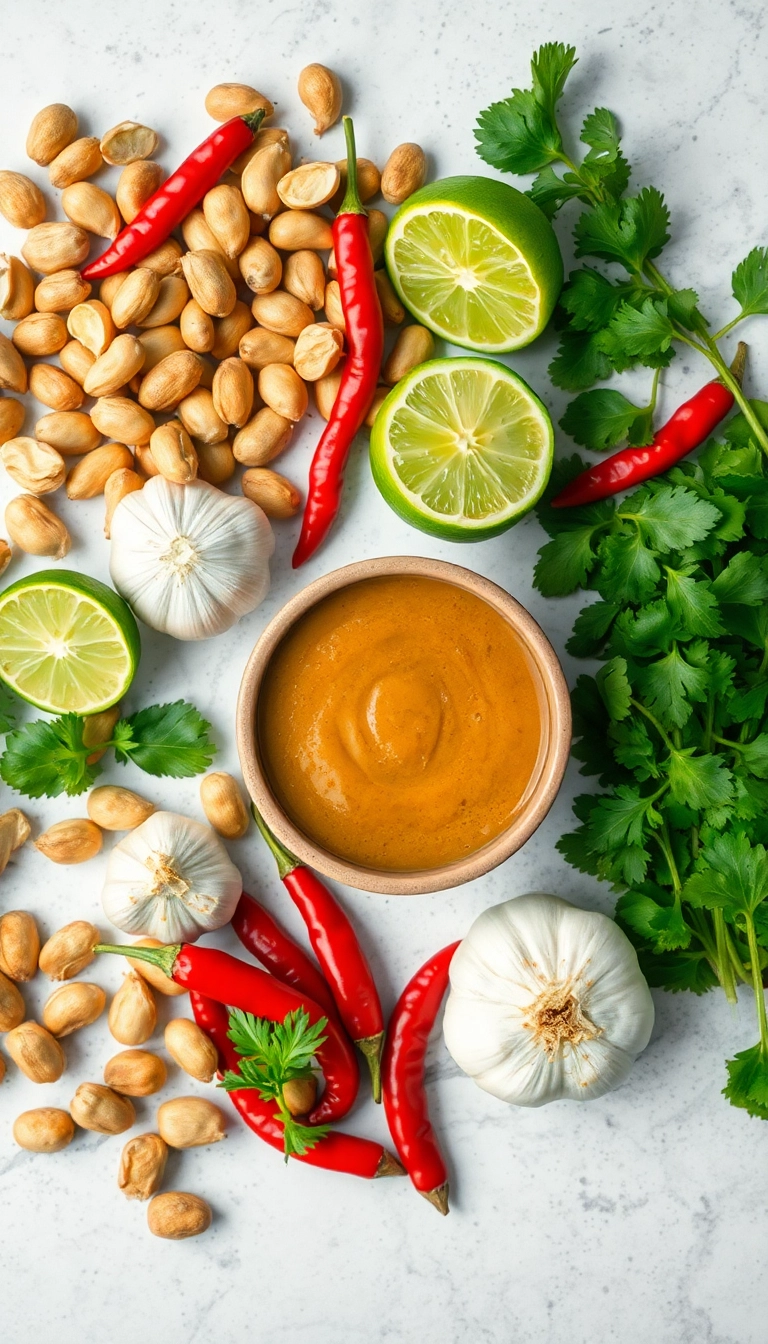
To craft a truly authentic Vietnamese peanut sauce, you’ll need just a handful of ingredients. These are staples I always keep in my kitchen. In fact, following a simple Vietnamese dipping sauce recipe can make preparation even more straightforward.
- Peanut Butter: Creamy or chunky, depending on your preference. Natural peanut butter without added sugar is ideal. The quality of your peanut butter significantly impacts the final taste. Look for brands with just peanuts and maybe a touch of salt.
- Hoison Sauce: Adds sweetness and depth of flavor. Hoisin sauce is a key component, lending a unique umami note that’s hard to replicate.
- Soy Sauce: For saltiness and umami. Opt for a low-sodium soy sauce to better control the overall saltiness of your sauce.
- Lime Juice: Brightens the sauce with a tangy freshness. Freshly squeezed lime juice is essential for that vibrant zing. Bottled lime juice simply doesn’t compare.
- Garlic: Fresh minced for a pungent kick. Garlic adds that aromatic punch that elevates the sauce. Don’t be tempted to use garlic powder; fresh is best.
- Chili Flakes or Sriracha: To add heat, if desired. Adjust the amount to your spice preference. A little goes a long way!
- Water: To thin out the sauce to your preferred consistency. Water helps to bring all the ingredients together and create the perfect texture.
Step-by-Step: How to Make Vietnamese Peanut Sauce
Making this sauce is straightforward. I like to keep it simple, so here’s my go-to method. This approach aligns well with an easy Vietnamese peanut sauce recipe that anyone can follow at home.
1. Gather Your Ingredients
Before starting, ensure all ingredients are measured and ready. This helps streamline the process and prevents any last-minute trips to the pantry. Having everything prepped and measured ensures a smooth and enjoyable cooking experience.
2. Mix the Base
In a small bowl, combine 1/2 cup of peanut butter, 2 tablespoons of hoisin sauce, and 1 tablespoon of soy sauce. Stir until smooth. This is the foundation of your peanut sauce, so make sure everything is well combined. A whisk can help to break up any clumps in the peanut butter.
3. Add Fresh Flavors
Stir in 1 clove of minced garlic and the juice of half a lime. Adjust the amount of lime depending on your preference for tanginess. The fresh garlic and lime juice add a layer of complexity and brightness to the sauce, preventing it from being too heavy.
4. Incorporate Heat
If you like spicy sauces, add a pinch of chili flakes or a teaspoon of Sriracha. Mix well to combine all flavors evenly. Remember, you can always add more spice, but you can’t take it away! Start with a small amount and adjust to your liking.
5. Thin the Sauce
Gradually add water, a tablespoon at a time, until you reach your desired consistency. I prefer a slightly thicker sauce for dipping, but a thinner version works well as a dressing or marinade. The key is to add the water slowly, stirring constantly, to avoid making the sauce too thin.
6. Taste and Adjust
Finally, taste your sauce. Adjust the saltiness, sweetness, or acidity as needed. Sometimes, a little extra lime or a pinch of sugar can balance everything perfectly. Tasting as you go is crucial for achieving the perfect balance of flavors. Don’t be afraid to experiment!
Perfect Uses for Vietnamese Peanut Sauce
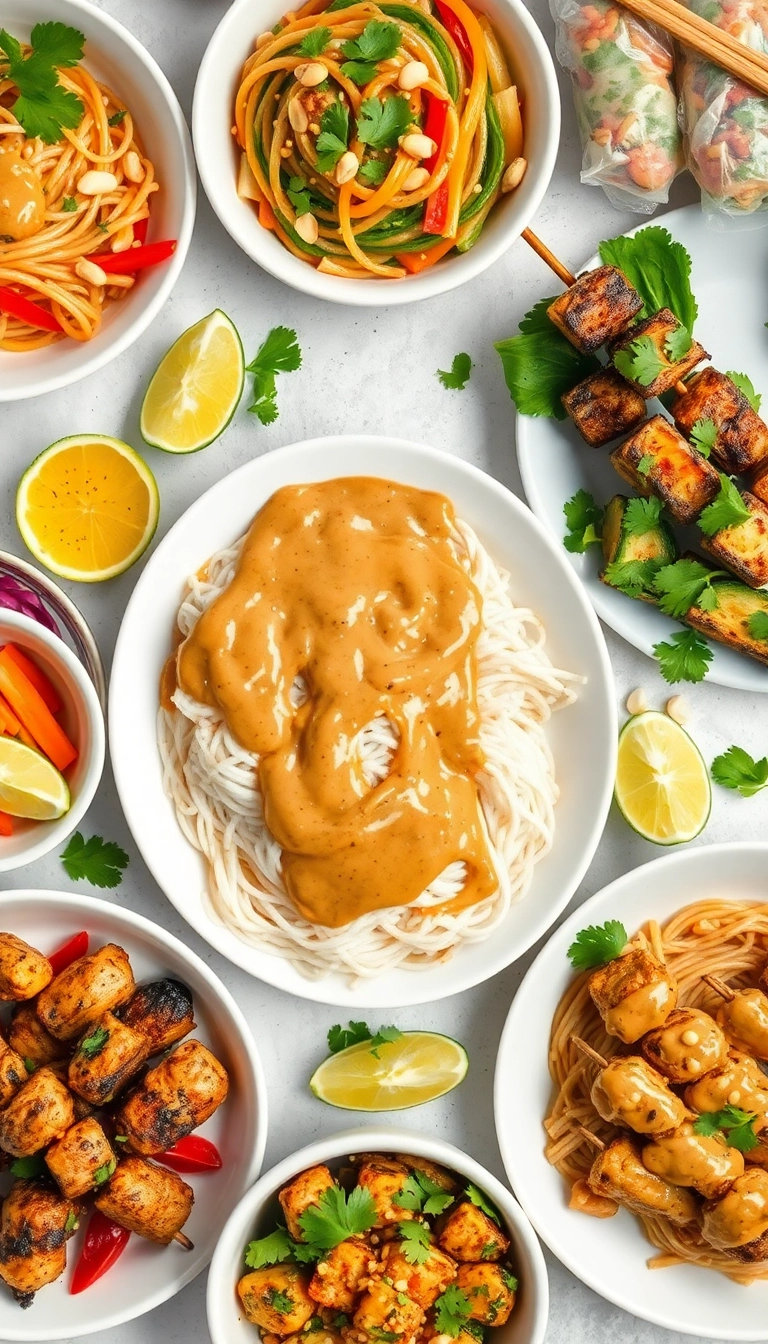
This versatile sauce is a game-changer in my kitchen. Here are some of my favorite ways to use it. For instance, it often serves as the best peanut sauce for noodles in various dishes.
- Spring Rolls: Dipping fresh rice paper rolls filled with vegetables, herbs, and shrimp or chicken. The classic pairing! The peanut sauce complements the fresh, light flavors of the spring rolls perfectly.
- Grilled Meats: Brushing it onto chicken or pork skewers before grilling adds a rich flavor. The sauce caramelizes beautifully on the grill, creating a delicious glaze.
- Salad Dressing: Thin the sauce slightly and toss it with mixed greens or noodles for a delicious salad. It adds a creamy, flavorful element to any salad.
- Stir-Fries: Use it as a sauce base for vegetable or meat stir-fries. A quick and easy way to add a ton of flavor to your stir-fries.
- Tofu Dishes: Marinate or drizzle over crispy tofu for added flavor. Peanut sauce is a fantastic way to add richness and flavor to tofu, which can sometimes be bland on its own.
Tips for Customizing Your Peanut Sauce
One of the joys of making your own sauce is tailoring it to your taste buds. Here are some tips I’ve learned along the way. Many people appreciate how this can turn into a simple Vietnamese dipping sauce recipe with minimal changes.
- Adjust Sweetness: Add honey or brown sugar if you prefer a sweeter sauce. Maple syrup is another great natural sweetener option.
- Enhance Umami: A splash of fish sauce can deepen the savory profile, especially if you love Southeast Asian flavors. Be careful with fish sauce; a little goes a long way!
- Make it Spicy: Incorporate chopped Thai chilies or a dash of cayenne pepper for more heat. For a milder heat, try using a pinch of red pepper flakes.
- Experiment with Herbs: Fresh cilantro or basil blended into the sauce adds a fragrant twist. Mint can also be a surprising and delicious addition.
Storing Your Peanut Sauce
I always make a batch of this sauce ahead of time because it keeps well in the refrigerator. Store it in an airtight container for up to a week. Just give it a good stir before using, as ingredients can separate over time. If it thickens too much, a splash of warm water can restore its creamy texture. Properly stored, the sauce will maintain its flavor and consistency for several days.
Making Your Sauce Healthier
If you’re mindful of your diet, there are ways to make this sauce healthier without sacrificing flavor. Use natural, unsweetened peanut butter, reduce the amount of soy sauce or opt for low-sodium versions, and limit added sugars. You can also add grated carrots or pureed vegetables to boost nutrition while maintaining that rich, nutty flavor. Consider adding a touch of ginger for its anti-inflammatory benefits and unique flavor. When prepared this way, it becomes the best peanut sauce for noodles that aligns with healthier eating habits.
Common Mistakes to Avoid
Even with simple recipes, I’ve learned that some pitfalls can affect the final result. Here’s what to watch out for. By sticking to basics, you can avoid issues common in a simple Vietnamese dipping sauce recipe.
- Over-thinning the sauce: Adding too much water can make it runny and dilute the flavor. Add water gradually. Remember, it’s easier to add more water than to thicken the sauce once it’s too thin.
- Using processed peanut butter: It can contain added sugars and preservatives. Stick to natural, unsweetened varieties for the best flavor. Check the ingredient list; it should only contain peanuts and possibly salt.
- Not tasting as you go: Adjust seasonings at each step to achieve a balanced taste. This is the golden rule of cooking! Taste, taste, taste!
Final Tips for Delicious Vietnamese Peanut Sauce
Remember, the best part about this recipe is its flexibility. Feel free to experiment with ingredients—adding coconut milk for creaminess, sesame oil for a nutty aroma, or even a dash of fish sauce for depth. The key is to taste and adjust until it’s just right for your palate. Don’t be afraid to get creative and personalize the sauce to your liking. Cooking should be fun and experimental!
Upgrade your lunch routine with quick and flavorful Vietnamese recipes from local cooks.
Planning your dream trip? Discover these Vietnam luxury travel ideas and make your vacation truly unforgettable!
Elevate Your Cooking Game
Once you master this simple Vietnamese peanut sauce, I promise it will become a staple in your kitchen. Whether you’re preparing a quick snack, impressing guests at a dinner party, or simply enhancing your weeknight meals, this sauce is a versatile, flavorful addition. It’s easy to make, customizable, and downright delicious. So go ahead—grab those ingredients and start creating your own signature peanut sauce today, perhaps trying out the simple Vietnamese dipping sauce recipe for variety. Your dishes will thank you! You’ll find yourself reaching for this sauce again and again, adding its magic to everything you cook, including the easy Vietnamese peanut sauce recipe that fits seamlessly into daily routines. Enjoy the journey of creating your perfect peanut sauce!
