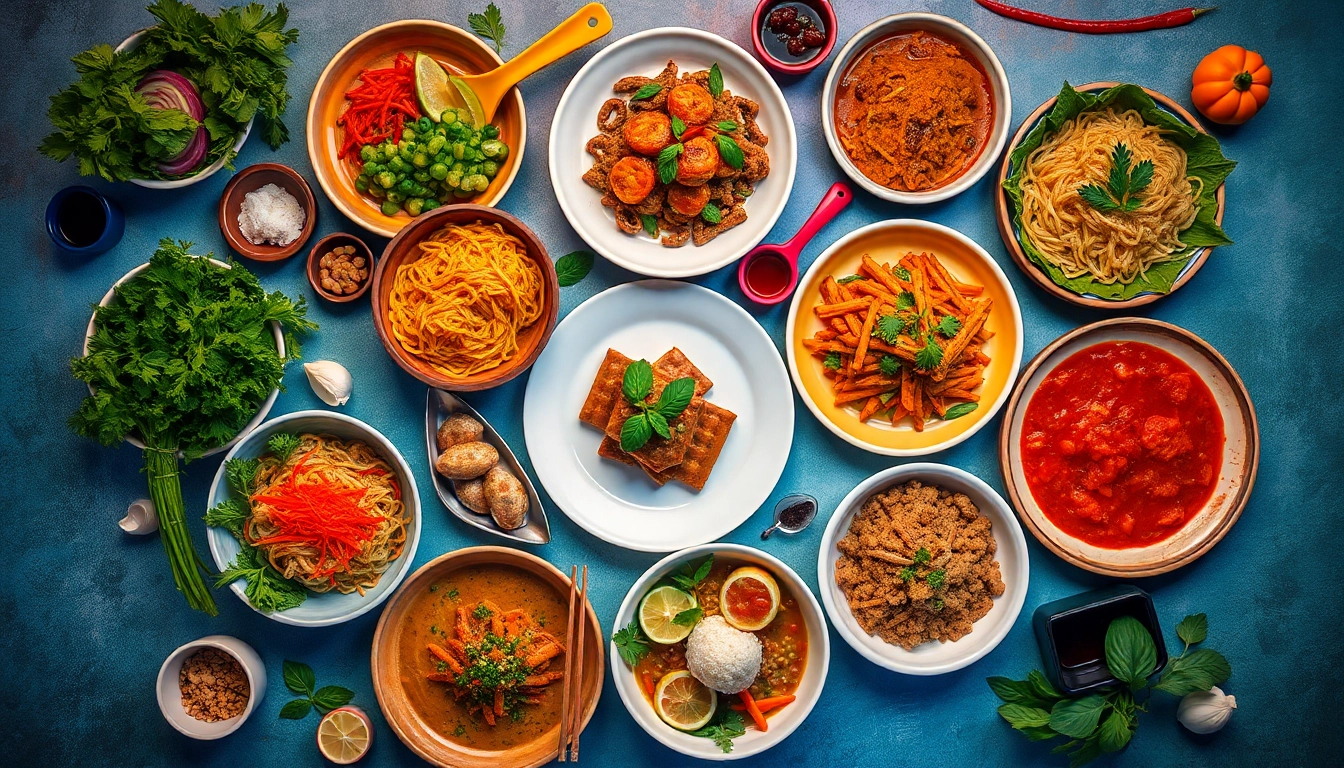
Vietnamese cuisine is something truly special. It’s a vibrant tapestry woven with fresh herbs, delicate sauces, and centuries of tradition. But like any living art form, it’s constantly evolving. Today, I want to share some innovative Vietnamese fusion recipes that beautifully blend that deep-rooted heritage with innovative twists, offering exciting new flavors and presentations.
A Culinary Journey: From Street Food to Modern Plates
My love affair with Vietnamese food began on the bustling streets of Hanoi. The aroma of pho simmering, the crunch of banh mi, the explosion of flavors in every bite – it was an awakening! But as I delved deeper, I discovered a world beyond the classics, where chefs are fearlessly experimenting with techniques and ingredients, pushing the boundaries of what Vietnamese cuisine can be. These modern interpretations still honor the core principles of balance and freshness, but they also offer a thrilling glimpse into the future of this incredible culinary tradition. Additionally, Vietnamese recipes blending east and west provide a fresh perspective on familiar dishes.
Pho Reimagined: Beyond the Broth
Ah, pho – the soul of Vietnamese cuisine. But even this iconic dish can get a modern makeover. Think about a pho-spiced risotto, where the fragrant broth is slowly absorbed into creamy Arborio rice. Or perhaps pho-flavored meatballs, served with a vibrant herb salad and a drizzle of sriracha mayo. The possibilities are endless! The key is to capture the essence of pho – the star anise, cinnamon, ginger, and cloves – and apply it in unexpected ways. In fact, these ideas fit well with innovative Vietnamese fusion recipes.
Banh Mi Remix: Sandwich Sensations
The banh mi is another Vietnamese staple that lends itself beautifully to modern variations. Instead of the traditional pate and cold cuts, why not try grilled lemongrass chicken, crispy pork belly, or even a vegetarian version with roasted sweet potatoes and pickled vegetables? Experiment with different types of bread, too – a crusty baguette is classic, but a soft brioche roll can add a touch of richness. Many people find these to be easy Vietnamese recipes with modern twist.
Goi Cuon (Fresh Spring Rolls): Endless Possibilities
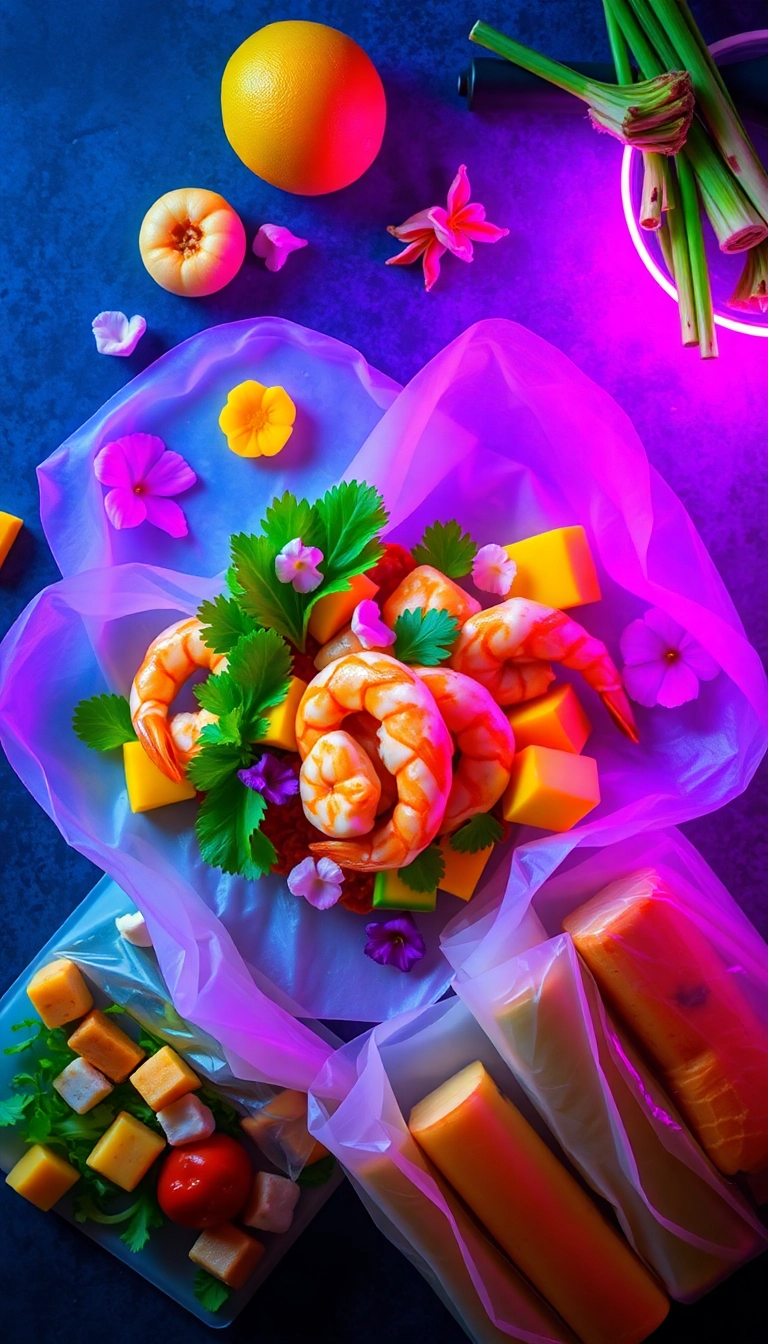
Fresh spring rolls are a blank canvas for culinary creativity. While the classic shrimp and pork filling is always a winner, you can try adding grilled tofu, avocado, mango, or even edible flowers for a pop of color and flavor. The dipping sauce is equally important – experiment with different combinations of fish sauce, lime juice, chili, and peanut butter. This makes for examples of Vietnamese recipes blending east and west.
My Spring Roll Secret: The Peanut Sauce Twist
I always add a touch of hoisin sauce to my peanut dipping sauce for spring rolls. It adds a subtle sweetness and depth of flavor that complements the fresh ingredients perfectly. Trust me, it’s a game-changer!
Cha Gio (Fried Spring Rolls): Crunchy Creations
Don’t underestimate the potential of fried spring rolls! You can incorporate different types of meat, vegetables, and even seafood into the filling. For a modern twist, try adding some cheese or truffle oil for a touch of indulgence. And don’t forget the dipping sauce – a sweet chili sauce or a spicy mayo can elevate the dish to a whole new level.
Bun Cha Innovation: Noodles with a Twist
Bun cha, with its grilled pork patties and vermicelli noodles, is a Hanoi specialty that deserves a modern update. Try marinating the pork in different sauces, such as a honey-garlic glaze or a spicy sriracha marinade. You can also experiment with different types of noodles, such as udon or soba, for a unique texture and flavor.
Ca Kho To (Caramelized Fish): Sweet and Savory
Ca kho to, or caramelized fish in a clay pot, is a comforting dish that can be modernized with different types of fish and spices. Try using salmon or cod instead of catfish, and add a touch of ginger or lemongrass for extra flavor. The key is to achieve that perfect balance of sweet and savory.
Canh Chua (Sour Soup): A Refreshing Delight
Canh chua, a sour and tangy soup, is a refreshing dish that can be adapted to suit different tastes. You can use different types of vegetables, such as okra, tomatoes, and pineapple, and add different types of protein, such as shrimp, fish, or tofu. The key is to achieve that perfect balance of sourness, sweetness, and spiciness.
Com Tam (Broken Rice): A New Take
Com tam, or broken rice, is a popular street food dish that can be elevated with different toppings and sauces. Try adding grilled pork chops, shredded pork skin, fried eggs, and pickled vegetables. You can also experiment with different types of sauces, such as a sweet fish sauce or a spicy chili sauce.
Vietnamese Desserts: Sweet Endings
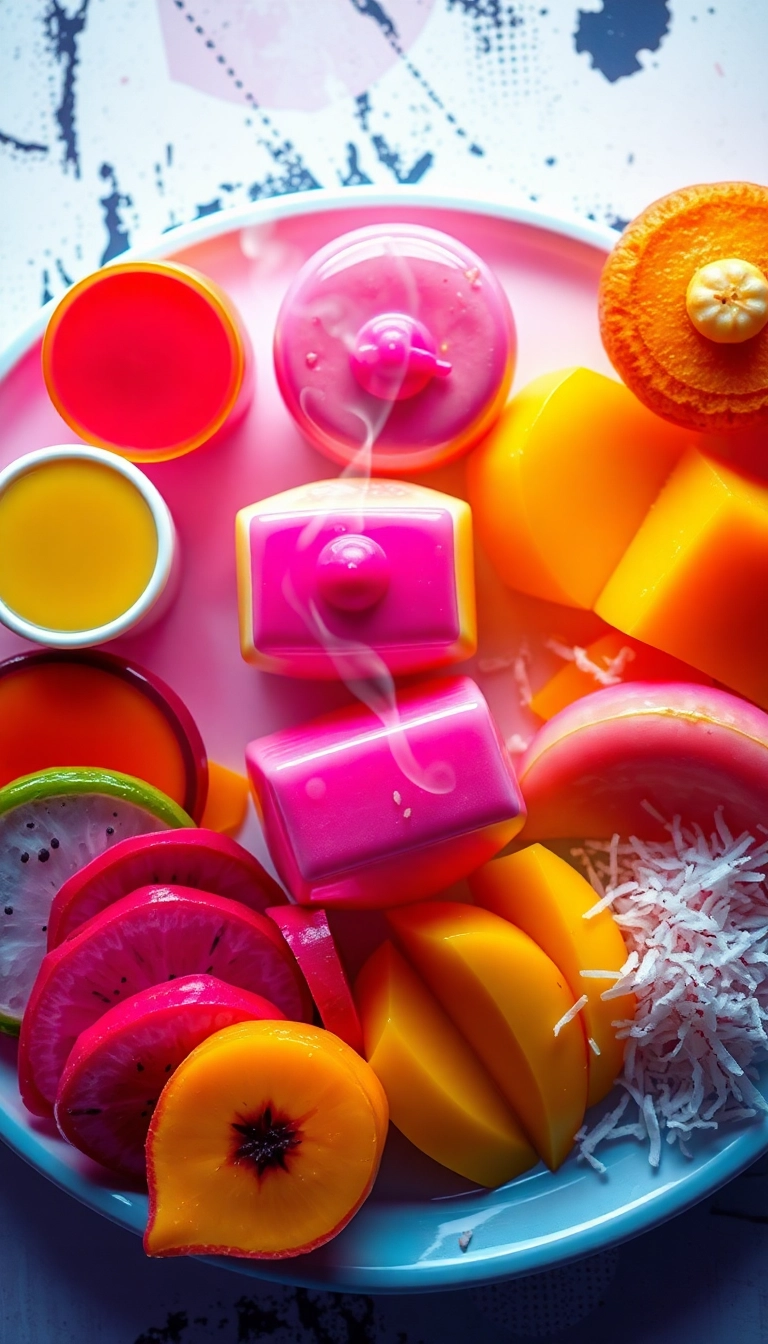
Don’t forget about dessert! Vietnamese desserts are often overlooked, but they offer a delightful array of flavors and textures. Think about che (sweet soup), banh flan (crème caramel), or even a simple fruit platter with a sprinkle of sugar and lime juice. For a modern twist, try incorporating Vietnamese flavors into classic desserts, such as a coconut-pandan panna cotta or a coffee-flavored tiramisu.
Delve deeper into the past and explore Vietnam’s bronze drum heritage, unlocking fascinating historical insights that await you!
Want to impress a crowd? Try these show-stopping Vietnamese recipes next party.
Tips for Modernizing Vietnamese Recipes
Here are a few tips to help you on your culinary journey: If you’re starting out, consider trying some easy Vietnamese recipes with modern twist.
- Don’t be afraid to experiment: The beauty of modern cuisine is that there are no rules. Feel free to try new ingredients, techniques, and flavor combinations.
- Focus on fresh ingredients: Vietnamese cuisine is all about fresh, high-quality ingredients. Use the best produce you can find, and don’t be afraid to use fresh herbs liberally.
- Balance is key: Vietnamese cuisine is all about balance – sweet, sour, salty, spicy, and umami. Pay attention to the different flavors in your dishes and adjust them accordingly.
- Presentation matters: Modern cuisine is also about presentation. Take the time to plate your dishes beautifully and add a touch of garnish for a pop of color and flavor.
- Embrace the unexpected: Some of the best modern Vietnamese dishes are those that surprise and delight. Don’t be afraid to think outside the box and try something completely new.
- Respect the traditions: While it’s important to be innovative, it’s also important to respect the traditions of Vietnamese cuisine. Learn about the history and culture behind the dishes you’re making, and try to stay true to the spirit of the cuisine.
- Use high-quality fish sauce: Fish sauce is a staple in Vietnamese cuisine, and using a good quality brand can make a big difference in the flavor of your dishes.
- Don’t overcook the herbs: Fresh herbs should be added at the end of cooking to preserve their flavor and aroma.
- Taste as you go: It’s important to taste your dishes as you’re cooking them and adjust the seasonings as needed.
- Have fun! Cooking should be enjoyable, so relax, experiment, and don’t be afraid to make mistakes.
- Share your creations: Share your modern Vietnamese creations with your friends and family, and get their feedback.
The Future of Vietnamese Cuisine
I believe that the future of Vietnamese cuisine is bright, with endless possibilities for innovation and creativity. By blending tradition with modern techniques and ingredients, we can create exciting new dishes that honor the past while embracing the future. So, go ahead and experiment, have fun, and discover your own modern Vietnamese masterpieces! This includes exploring more Vietnamese recipes blending east and west.
