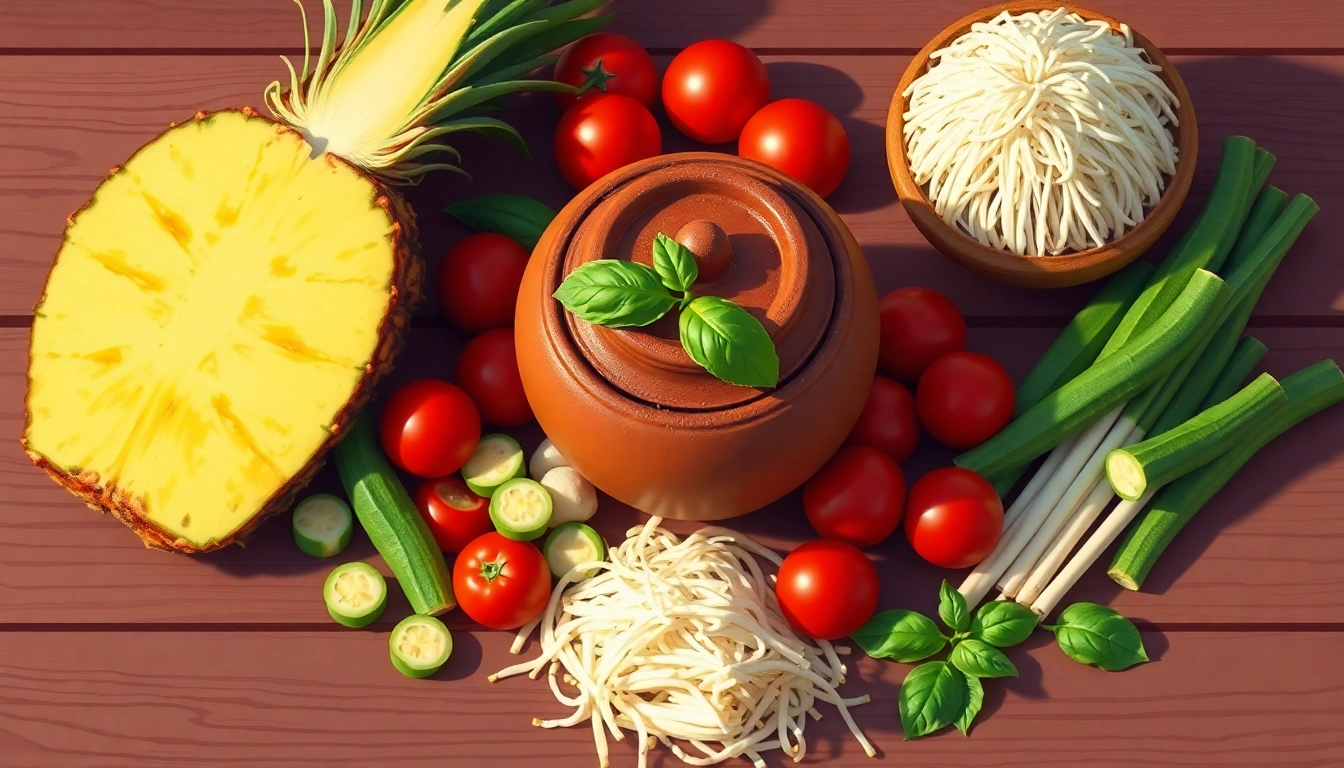
Canh Chua, the vibrant Vietnamese sour soup, holds a special place in my heart. The tangy, complex flavors are simply unforgettable, and the perfect balance of sweet, sour, and savory is what makes it so addictive. But what happens when you’re craving this delicious soup and find yourself without tamarind paste? Don’t despair! This guide will walk you through finding the best canh chua substitute, ensuring your Canh Chua experience remains just as delightful.
The Irreplaceable Tamarind Paste
Before we dive into substitutes, let’s appreciate the magic of tamarind paste. Its unique sourness, combined with a hint of sweetness, is what truly elevates Canh Chua. I remember the first time I tasted it – a revelation! It’s not just about the sourness; it’s the depth and complexity that tamarind brings to the dish. Tamarind comes from the tamarind tree, a long-lived, medium-growth tree native to tropical Africa. The tree produces pod-like fruit that contains a fibrous pulp. This pulp is what we transform into the paste that gives Canh Chua its signature tang. The process of making tamarind paste involves soaking the pulp in water, then straining it to remove the seeds and fibers. The resulting liquid is then cooked down to a thick, concentrated paste. This paste is a culinary powerhouse, offering a flavor profile that is both sour and sweet, with subtle hints of caramel and smoke. It’s this complex combination that makes it so essential to Canh Chua and other Southeast Asian dishes.
Why You Might Need a Substitute
Sometimes, life throws curveballs. Maybe your local Asian grocery store is out of tamarind paste, or perhaps you’re in a pinch and need a quick solution. Tamarind paste alternatives are key to culinary success. I’ve been there – frantically searching for tamarind paste only to come up empty-handed. That’s when my quest for the perfect substitute began. Besides simple unavailability, other reasons might lead you to seek a substitute. Perhaps you have dietary restrictions, such as a sensitivity to tamarind. Or maybe you’re simply looking to experiment with different flavor profiles and put your own spin on this classic dish. Whatever your reason, understanding the nuances of tamarind and its substitutes will empower you to create a delicious and satisfying Canh Chua, even without the real thing.
Top 5 Canh Chua Tamarind Paste Substitutes
Let’s explore some excellent alternatives. Remember, the goal is to mimic the sour and slightly sweet profile of tamarind. Not every substitute will be a perfect match, but with a little tweaking, you can get remarkably close.
1. Lime Juice
Lime juice is a readily available option that provides a good level of tartness. However, it lacks the depth of flavor that tamarind offers. To compensate, add a touch of brown sugar or a pinch of palm sugar to balance the acidity. Lime juice is bright and zesty, offering a vibrant sourness that can awaken the palate. It’s a great choice when you need a quick and easy substitute. When using lime juice, start with a small amount – about half the amount of tamarind paste called for in the recipe – and then adjust to taste. Remember to use fresh lime juice for the best flavor; bottled lime juice often contains preservatives that can alter the taste of your Canh Chua. You can also experiment with different types of limes, such as Key limes or Persian limes, to find the flavor profile that you enjoy most.
2. Lemon Juice
Similar to lime, lemon juice is a convenient substitute. It’s a bit more acidic than lime, so start with a smaller amount and adjust to taste. Again, a touch of sweetness will help mimic tamarind’s profile. Lemon juice offers a sharper, more intense sourness than lime juice. This can be a good option if you prefer a bolder flavor in your Canh Chua. However, it’s important to be careful not to add too much lemon juice, as it can easily overpower the other flavors in the soup. As with lime juice, fresh lemon juice is always the best choice. You can also use lemon zest to add an extra layer of flavor and aroma to your Canh Chua. Consider pairing lemon juice with a touch of ginger to add warmth and complexity to the flavor profile.
3. Rice Vinegar
Rice vinegar provides a milder sourness compared to citrus juices. It’s a good option if you want a less intense sourness in your Canh Chua. You might need to combine it with another ingredient to achieve the right balance. Rice vinegar is made from fermented rice and has a delicate, slightly sweet flavor. It’s a popular ingredient in Asian cuisine and adds a subtle tang to dishes. When using rice vinegar as a tamarind substitute, you may need to use a larger amount than you would use of lime or lemon juice. It’s also important to choose a good quality rice vinegar, as some cheaper brands can have an artificial taste. Consider adding a pinch of salt to enhance the flavor of the rice vinegar and balance the sweetness. You can also experiment with different types of rice vinegar, such as seasoned rice vinegar or black rice vinegar, to add unique flavor nuances to your Canh Chua.
4. Mango
Ripe mango puree offers both sweetness and a subtle tartness. This works surprisingly well, especially if you’re aiming for a sweeter Canh Chua. The texture will be different, but the flavor profile is quite close. Mangoes bring a tropical sweetness and a gentle tang that can create a delightful twist on Canh Chua. The puree will also add a creamy texture to the soup, which can be a welcome addition. When using mango, choose a ripe but firm mango for the best flavor and texture. You can either blend the mango into a smooth puree or chop it into small pieces and add it directly to the soup. Be mindful that mangoes vary in sweetness and tartness, so adjust the amount of sugar or other souring agents accordingly. You can also add a squeeze of lime juice to enhance the tartness of the mango and balance the sweetness.
5. Pineapple Juice
Similar to mango, pineapple juice adds both sweetness and acidity. It’s a bit more acidic than mango, so use it cautiously and adjust according to your preference. It also adds a delightful tropical twist to your soup. Pineapple juice brings a bright, tangy sweetness that can add a refreshing element to Canh Chua. However, it’s important to use unsweetened pineapple juice to avoid making the soup too sweet. Start with a small amount of pineapple juice and then adjust to taste, adding more if needed. You can also add a pinch of salt to balance the sweetness and enhance the other flavors in the soup. Consider pairing pineapple juice with a touch of chili flakes to add a hint of spice and create a more complex flavor profile. Fresh pineapple juice is always the best choice, but canned pineapple juice can also be used in a pinch.
Beyond the Basics: Enhancing Your Substitute
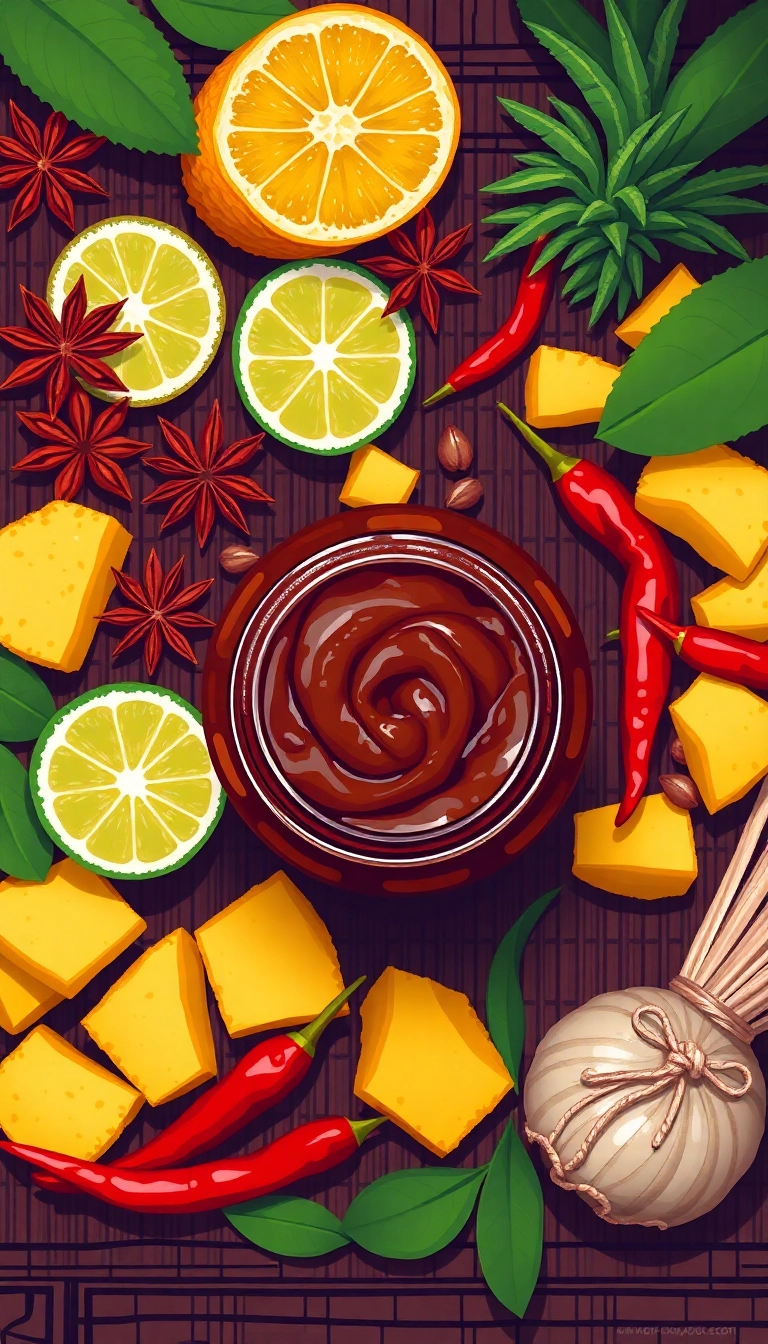
Sometimes, a single substitute isn’t enough to perfectly replicate tamarind’s complex flavor. Tamarind paste alternatives can be enhanced with a few adjustments. Consider adding these elements to enhance your chosen substitute:
A Pinch of Sugar
A little sugar, whether brown sugar, palm sugar, or even granulated sugar, helps balance the acidity of most substitutes.
A Dash of Fish Sauce
Fish sauce adds umami, a savory depth that complements the sourness wonderfully.
A Sprig of Fresh Herbs
Fresh herbs like Thai basil or mint can add a refreshing layer of flavor and help mask any discrepancies in taste.
Experimenting for the Perfect Blend
Don’t be afraid to experiment! The beauty of cooking is finding what works best for you. Try combining different substitutes or adjusting the amounts of sugar and other flavor enhancers until you achieve the desired taste. Think of yourself as a culinary artist, carefully blending flavors to create a masterpiece. You might even discover a new and unique version of Canh Chua that becomes your signature dish. The key is to be patient and persistent, and don’t be afraid to make mistakes along the way. Each experiment, whether successful or not, will teach you something new about the art of cooking and help you develop your culinary intuition. For those starting out, an easy canh chua recipe can guide your efforts.
My Personal Tamarind Substitute Story
I once found myself in a situation where I desperately needed tamarind paste but couldn’t find any. In a moment of culinary desperation, I combined lime juice, a touch of brown sugar, and a dash of fish sauce. The result? A surprisingly delicious Canh Chua! It wasn’t exactly the same, but it was incredibly close. It was a testament to the power of improvisation and the fact that even without the perfect ingredients, you can still create something amazing. This experience taught me to be more resourceful in the kitchen and to never be afraid to experiment with different flavors and techniques. It also reinforced the importance of understanding the fundamental flavor profiles of ingredients, so that you can effectively substitute them when necessary. Following an easy canh chua recipe helped me adapt.
Planning your historical adventure? Discover the allure of Hue Imperial City private tours and immerse yourself in Vietnam’s royal heritage!
Troubleshooting Common Issues
If your substitute isn’t quite right, don’t worry! Here are some common problems and how to fix them:
Too Sour
Add more sugar or a touch of sweetness from another ingredient, such as a ripe mango.
Not Sour Enough
Increase the amount of your chosen souring agent, or add a splash of rice vinegar.
Too Sweet
Reduce the amount of sugar or add more of your souring agent.
Choosing the Right Substitute for Your Recipe
The best substitute depends on your recipe and personal preferences. For a truly authentic taste, tamarind paste is still the best choice. However, these substitutes offer viable alternatives when needed. Consider the other ingredients in your Canh Chua and how they will interact with the substitute you choose. For example, if your recipe already includes a lot of sweet vegetables, you might want to opt for a more sour substitute like lime juice or lemon juice. On the other hand, if your recipe is lacking in sweetness, mango or pineapple juice might be a better choice. Ultimately, the best way to choose the right substitute is to experiment and see what works best for you.
Get the real taste of Vietnam with our authentic Vietnamese food and recipes for every meal.
Beyond Canh Chua: Other Uses for Tamarind Substitutes
These substitutes aren’t limited to Canh Chua! They can be used in various recipes that call for tamarind, from curries to chutneys. Experiment and discover new flavor combinations. Lime juice and lemon juice are excellent substitutes in marinades, salad dressings, and sauces. Rice vinegar can be used in stir-fries, sushi rice, and pickled vegetables. Mango and pineapple juice can add a tropical twist to smoothies, cocktails, and desserts. The possibilities are endless! By mastering the art of tamarind substitution, you’ll not only be able to make delicious Canh Chua, but you’ll also expand your culinary horizons and become a more versatile and confident cook.
Embrace the Culinary Adventure

Cooking is all about exploration and adaptation. Don’t be afraid to try new things and adjust recipes to your liking. With a little creativity, you can create a delicious Canh Chua even without tamarind paste!
11 Essential Tips for Canh Chua Success
- Always taste and adjust seasonings throughout the cooking process.
- Use fresh, high-quality ingredients for the best flavor.
- Don’t be afraid to experiment with different vegetables.
- Adjust the amount of souring agent to your preference.
- Let the soup simmer gently to allow the flavors to meld.
- Garnish generously with fresh herbs for added flavor and visual appeal.
- Serve hot with a side of rice.
- Consider adding tofu or shrimp for extra protein.
- Don’t overcook the vegetables; they should be tender-crisp.
- Make a big batch and enjoy leftovers for lunch the next day.
- Share your culinary creations with friends and family!
Enhancing Your Substitute
Exploring the best canh chua substitute options can make all the difference, and so can trying out tamarind paste alternatives for better results.
