
When I first visited Vietnam, I quickly realized that understanding and respecting local customs is key to a responsible journey. Ethical Vietnam travel tips suggest that from bowing politely in temples to dressing modestly when visiting rural villages, honoring local traditions shows you care and helps foster genuine connections. Remember, what might seem like small gestures—like removing your shoes before entering someone’s home—can make a big difference.
Moreover, immersing yourself in local culture goes beyond just observing customs—you can participate in traditional festivals, learn basic phrases in the Vietnamese language, and show genuine interest in the history and stories of the places you visit. Responsible tourism in Vietnam guide emphasizes that this not only enriches your travel experience but also demonstrates respect and appreciation for the community. Being culturally sensitive also means avoiding stereotypes or assumptions and approaching each interaction with humility and curiosity.
Additionally, some cultural practices might be deeply rooted in history and religion. For example, many temples and religious sites in Vietnam require visitors to dress appropriately—covering shoulders and knees—and to behave respectfully. Failing to do so can be seen as disrespectful and may even prevent you from entering certain sacred spaces.
2. Support Local Businesses and Artisans
If you’re like me, I love hunting for authentic souvenirs rather than mass-produced trinkets. Supporting local artisans not only boosts the local economy but also gives you meaningful mementos of your trip. Whether it’s handwoven textiles from Hoi An, intricate lacquerware, or handcrafted ceramics from Bat Trang, buying directly from artisans ensures your money stays within the community.
Visiting local markets and craft villages gives you a closer look at traditional craftsmanship passed down through generations. Engaging with artisans—asking about their techniques and stories—creates a more personal connection to your purchase. Not only does this support livelihoods, but it also encourages the preservation of cultural arts that might otherwise be at risk of fading away.
Furthermore, consider supporting social enterprises or cooperatives that empower marginalized groups, such as women artisans or rural farmers. Sustainable Vietnam vacation practices involve choosing to buy authentic, locally made products, thereby contributing to maintaining Vietnam’s rich cultural heritage and helping ensure that traditional crafts continue to thrive for future generations.
3. Minimize Environmental Impact
Vietnam is stunning—lush mountains, pristine beaches, and vibrant cities. But with great beauty comes great responsibility. I’ve learned that small actions, like using reusable water bottles, avoiding single-use plastics, and staying on designated trails, can significantly reduce your ecological footprint.
Another way to minimize your environmental impact is by choosing eco-conscious accommodations and transportation options. For example, some eco-lodges utilize solar energy, compost waste, and implement water conservation measures. Ethical Vietnam travel tips include asking about their green initiatives and opting for those that align with sustainable practices.
It’s also important to respect natural habitats during outdoor activities. Stick to marked trails when hiking or exploring forests and avoid disturbing wildlife.
4. Choose Eco-Friendly Tours and Accommodations
Speaking of eco-friendliness, I found that many hotels and tour operators in Vietnam are now embracing greener practices. Look for certifications or labels indicating eco-conscious operations—these can include energy-efficient lighting, waste reduction programs, or water conservation measures.
Opting for eco-friendly tours means choosing operators that prioritize responsible tourism—those that respect local cultures, protect natural environments, and contribute to community development. Responsible tourism in Vietnam guide highlights options that usually provide deeper insights into local life and ensure your tourism dollars benefit residents directly.
Additionally, many accommodations now offer green amenities, such as refillable toiletries, energy-efficient appliances, and locally sourced food. Staying in such places not only reduces your environmental impact but also often results in a more immersive and authentic stay.
5. Be Mindful of Wildlife and Nature

One thing I wish I knew earlier is how tempting it is to take selfies with wildlife—think elephants, monkeys, or exotic birds. But the truth is, supporting wildlife tourism that exploits animals can do more harm than good.
Many unethical wildlife attractions claim to offer authentic experiences but often involve cruelty and exploitation. Sustainable Vietnam vacation practices require supporting these places perpetuates harmful practices and can endanger species.
Educating yourself about local species and ecosystems can deepen your appreciation and understanding of Vietnam’s biodiversity. When in nature, remember to keep a respectful distance from animals, avoid feeding them, and refrain from disturbing their habitats.
6. Respect Local Communities and Avoid Over-Tourism
Ever been to a place so crowded that it lost its charm? I have, and let me tell you, over-tourism can damage communities and diminish the authentic experience. To avoid this, I recommend visiting lesser-known spots or traveling during off-peak times.
For example, instead of visiting the heavily crowded Halong Bay, consider exploring lesser-known bays or islands that are just as beautiful but less visited. Similarly, venturing into rural villages or small towns offers a more authentic experience and supports local economies directly. Sustainable Vietnam vacation practices also mean participating in homestays or community-led workshops allows you to learn traditional crafts, cooking, or farming techniques firsthand.
Being mindful of your environmental and social impact also means respecting local norms and avoiding behaviors that could cause inconvenience or harm. Limit your use of plastics, avoid disturbing residents, and always seek permission before entering private spaces.
7. Be Culturally Sensitive with Photography
Photos are a great way to remember your trip, but it’s essential to be respectful when capturing images. I learned the hard way that taking photos of people without permission can offend or even cause trouble.
Additionally, be aware of cultural sensitivities related to photography. For instance, in some religious sites or ceremonies, photography may be prohibited or require special permission. Ethical Vietnam travel tips advise respecting signs and instructions from guides or locals.
Another tip is to avoid photographing children or individuals in distress unless you have explicit permission. Always consider how your images might be perceived and whether they could invade someone’s privacy or dignity.
8. Reduce Carbon Footprint with Sustainable Transportation
Transportation is often the biggest contributor to a traveler’s carbon footprint. During my Vietnam trip, I realized that choosing trains, bicycles, or walking whenever possible not only reduces emissions but also allows you to see the country up close.
Using public transportation reduces your individual carbon footprint and also helps you connect with local life more authentically. Biking or walking through city streets and countryside offers a unique perspective and the chance to discover hidden gems that you might miss otherwise.
Additionally, plan your routes to minimize unnecessary travel and consider combining multiple activities in one trip to reduce emissions. Responsible tourism in Vietnam guide suggests always choosing transportation options that are fuel-efficient or utilize renewable energy sources when available.
9. Consume Responsibly and Avoid Overconsumption
It’s tempting to buy everything in sight—trust me, I’ve been there—but responsible consumption means being selective. Think about whether you really need that silk scarf or those quirky fridge magnets.
Be mindful of your consumption habits, especially with food and beverages. Opt for locally prepared dishes and avoid single-use plastics like straws and packaging.
Additionally, prioritize experiences over material goods. Attend traditional performances, take cooking classes, or participate in cultural workshops. These activities often create lasting memories and support the local economy more directly.
10. Volunteer or Engage in Community Projects
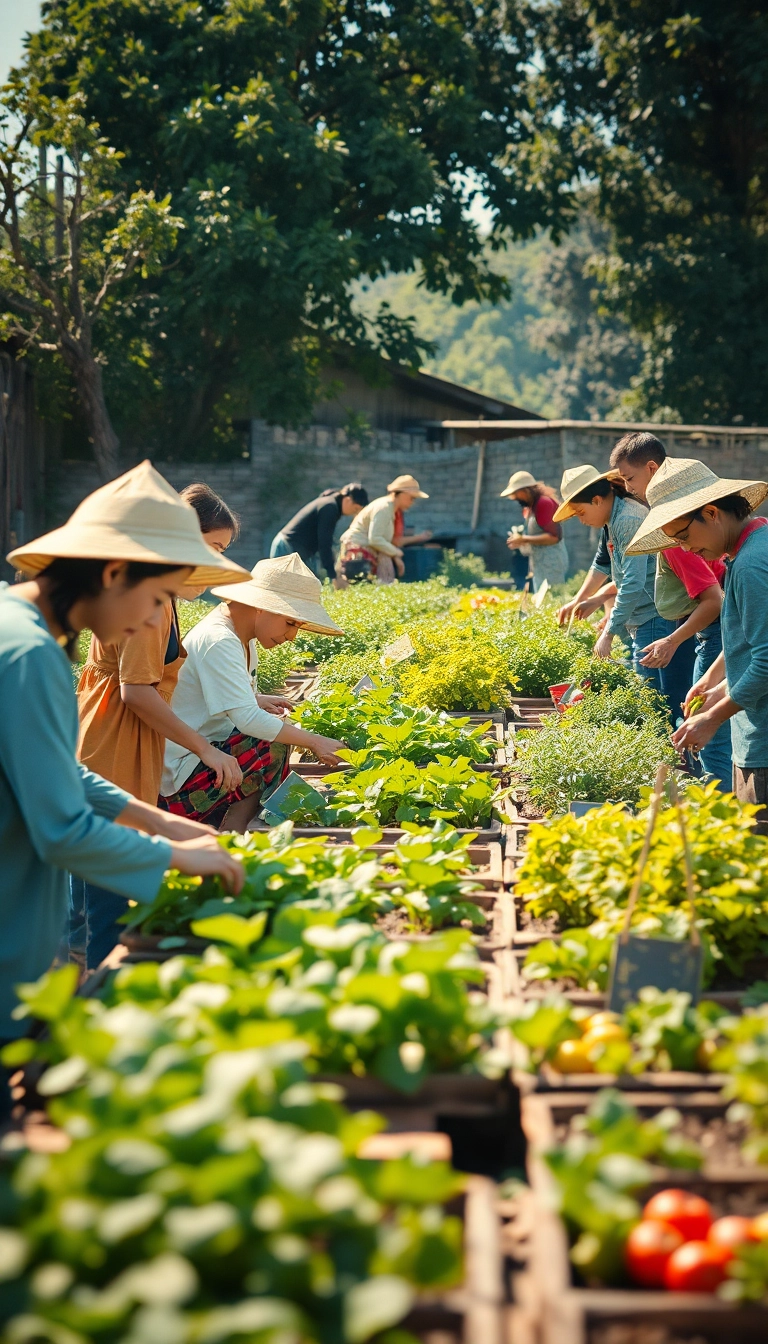
If you’re feeling extra altruistic, consider volunteering or supporting community projects. I once spent a day helping out at a local school, and it was one of the most rewarding parts of my trip.
Volunteering doesn’t necessarily mean long-term commitments or significant financial contributions. Even small acts, like teaching English, helping with community clean-up projects, or supporting local agricultural initiatives, can make a difference.
Navigate the three regions of Vietnam effortlessly with our Vietnam travel regional breakdown.
Participating in community projects offers a richer, more meaningful travel experience. It fosters cross-cultural understanding, helps address local needs, and leaves a legacy of positive impact.
If you’re considering going, see these Vietnam travel tips for June, which might help you prepare for your travels!
11. Leave No Trace and Pack Out What You Pack In
This one might sound clichéd, but it’s the golden rule of responsible travel. I always carry a reusable bag and some trash bags in my backpack to collect any litter I come across.
Additional tips include sticking to designated paths to prevent erosion or damage to fragile ecosystems and avoiding picking plants or disturbing wildlife. When camping or picnicking, always pack out all your waste, including biodegradable items like food scraps.
Remember, responsible travel is about being an active participant in preserving the environment rather than a passive observer. Ethical Vietnam travel tips involve educating yourself about local environmental issues and supporting initiatives aimed at conservation and sustainability.
