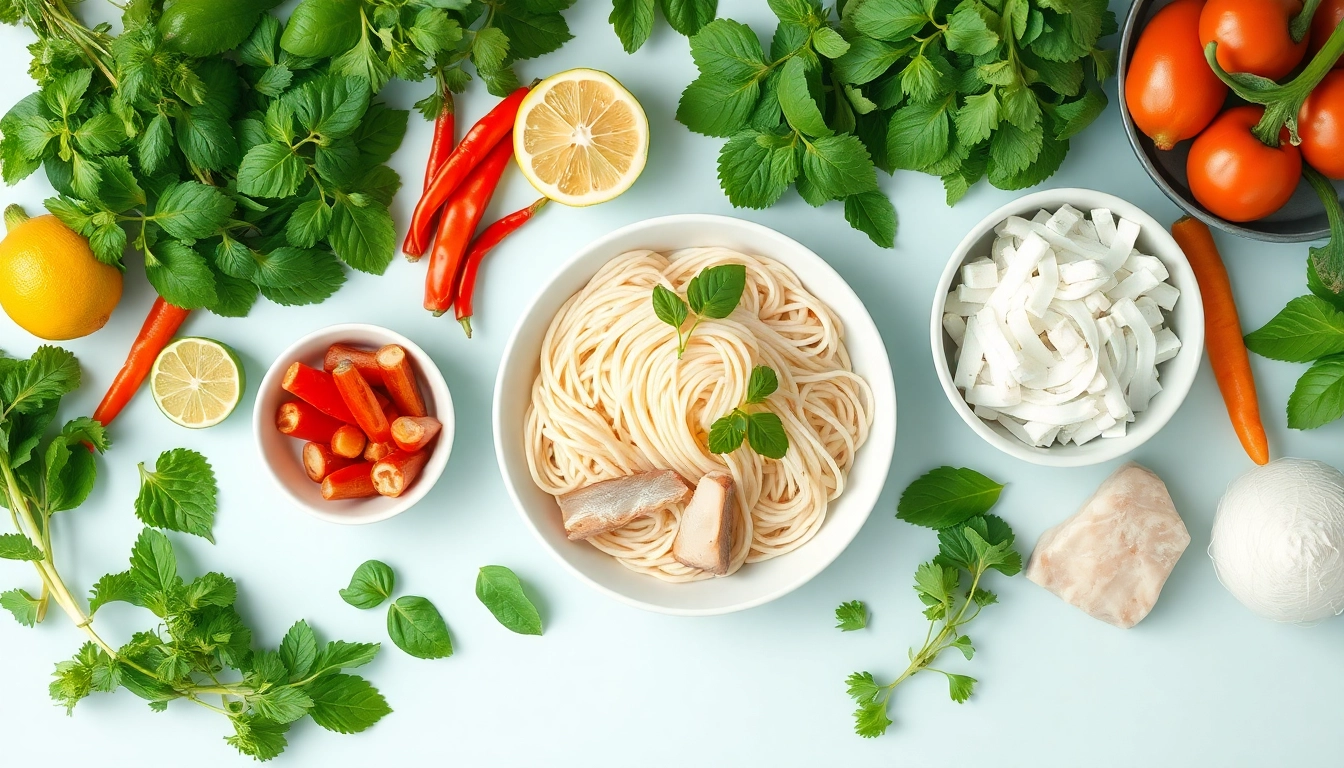
Vietnamese cuisine, celebrated for its fresh ingredients, vibrant flavors, and aromatic herbs, naturally lends itself to healthy eating. Many traditional dishes are already gluten-free, low in fat, and packed with nutrients. This guide explores how to navigate and adapt Vietnamese recipes to fit various dietary needs, including healthy Vietnamese recipes for weight loss, ensuring everyone can enjoy the culinary delights of Vietnam while maintaining a healthy lifestyle.
Understanding the Foundations of Healthy Vietnamese Cooking
The cornerstone of healthy Vietnamese cooking lies in its emphasis on fresh, whole ingredients. Rice noodles, vegetables, lean proteins like chicken, fish, and tofu, and an abundance of herbs are staples. Minimal use of oil and a focus on steaming, boiling, and grilling contribute to lower fat content compared to other Asian cuisines. Key ingredients like fish sauce, while high in sodium, are used sparingly and can be substituted with healthier alternatives in some recipes.
The Role of Fresh Herbs and Vegetables
Vietnamese cuisine is renowned for its generous use of fresh herbs and vegetables. Mint, cilantro, basil, and bean sprouts are not mere garnishes but integral components that add flavor, texture, and vital nutrients. These ingredients are rich in vitamins, minerals, and antioxidants, contributing significantly to the health benefits of Vietnamese dishes.
Lean Proteins and Healthy Fats
Traditional Vietnamese recipes often feature lean proteins such as chicken, fish, shrimp, and tofu. These sources provide essential amino acids without the high saturated fat content found in red meats. While some dishes may include small amounts of pork or beef, these can be easily substituted with leaner options. Healthy fats, such as those found in avocados and nuts, can also be incorporated to enhance flavor and nutritional value.
Adapting Vietnamese Recipes for Specific Diets
One of the beautiful aspects of Vietnamese cooking is its adaptability. With a few simple substitutions and modifications, almost any recipe can be tailored to suit specific dietary needs, including gluten-free, vegetarian, vegan, and low-carb diets.
Gluten-Free Adaptations
Many Vietnamese dishes are naturally gluten-free, relying on rice noodles and rice paper instead of wheat-based products. However, it’s crucial to be mindful of sauces and marinades, as some may contain soy sauce or other gluten-containing ingredients. Tamari or gluten-free soy sauce are excellent substitutes. Also, verify that spring roll wrappers are made from rice flour only.
Vegetarian and Vegan Options
Transforming Vietnamese recipes into vegetarian or vegan dishes is relatively straightforward. Tofu, tempeh, and mushrooms can easily replace meat in stir-fries, soups, and noodle dishes. Healthy vegan Vietnamese spring rolls can be prepared by substituting fish sauce with a combination of soy sauce, lime juice, and a touch of seaweed for umami flavor. Vegetable broths and mushroom-based sauces can also add depth and richness to vegan dishes.
Low-Carb Modifications
For those following a low-carb diet, Vietnamese cuisine can still be enjoyed with a few modifications. Shirataki noodles or zucchini noodles can replace rice noodles. Increase the proportion of vegetables and lean protein while minimizing rice consumption. Opt for grilled or steamed dishes rather than those with sugary sauces. Use cauliflower rice instead of regular rice as a base for dishes.
Healthy Vietnamese Recipes to Try
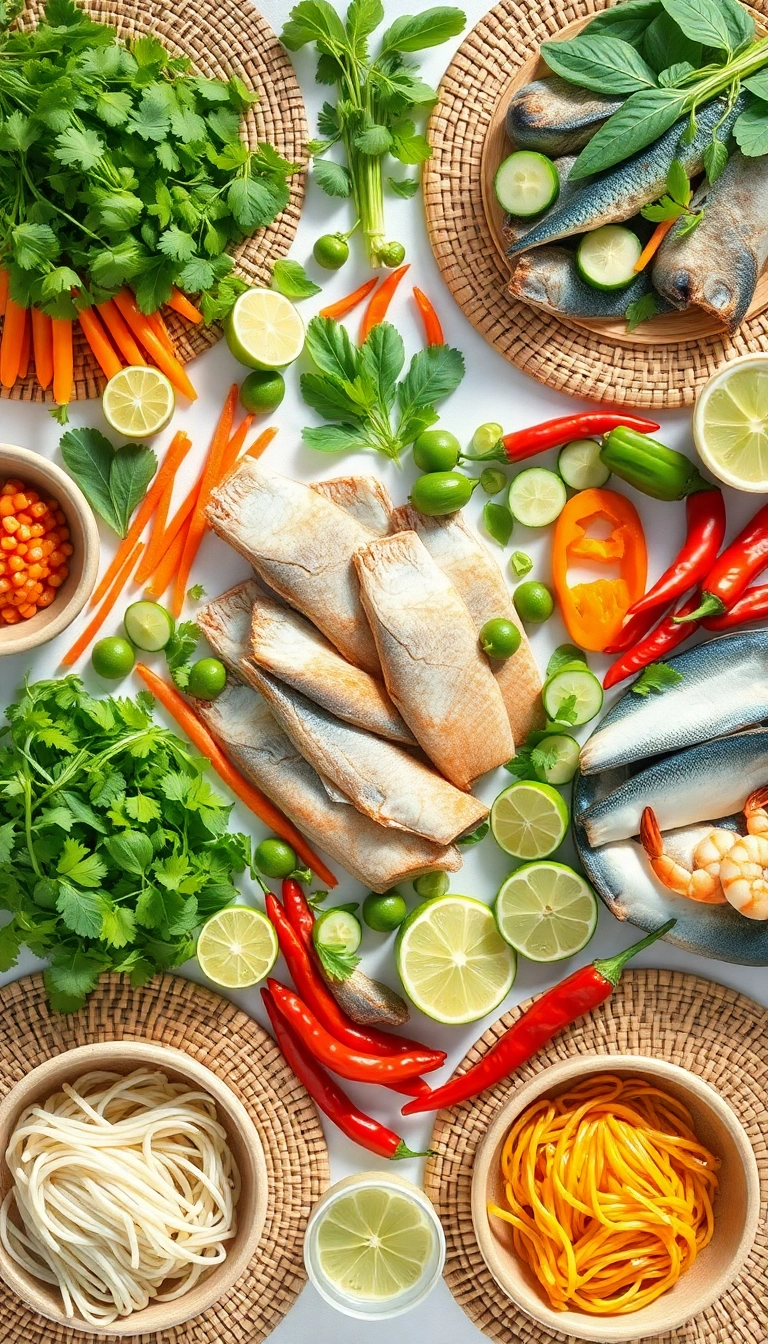
Here are a few examples of healthy Vietnamese recipes for weight loss that can be easily adapted to fit various dietary needs:
Gỏi cuốn (Fresh Spring Rolls)
Fresh spring rolls are a light and refreshing option, packed with vegetables, herbs, and lean protein. Healthy vegan Vietnamese spring rolls are naturally gluten-free and can be easily customized with different fillings to suit vegetarian or vegan preferences. Use shrimp, chicken, or tofu as the protein source and load up on lettuce, mint, cilantro, and bean sprouts. Serve with a peanut sauce or a light dipping sauce made with lime juice, fish sauce (or soy sauce alternative), and chili.
Phở (Vietnamese Noodle Soup)
Phở, the iconic Vietnamese noodle soup, can be a healthy and satisfying meal. Use lean cuts of beef or chicken, limit the amount of noodles, and load up on vegetables like bean sprouts, scallions, and cilantro. For a vegetarian version, use a vegetable broth and add tofu or mushrooms. Be mindful of the sodium content in the broth and adjust accordingly.
Bún chả (Grilled Pork with Vermicelli Noodles)
Bún chả consists of grilled pork patties served with vermicelli noodles, fresh herbs, and a dipping sauce. To make it healthier, use lean ground pork or chicken, grill the patties instead of frying them, and use a light dipping sauce. Increase the amount of fresh herbs and vegetables to add more nutrients and fiber. Substitute shirataki noodles for a low-carb option.
Gỏi gà (Chicken Salad)
This refreshing chicken salad features shredded chicken, cabbage, carrots, onions, and herbs, dressed with a light vinaigrette. It’s a great option for a light and healthy meal. Use poached or grilled chicken breast, and limit the amount of sugar in the dressing. Add peanuts or cashews for healthy fats and extra flavor.
Tips for Healthy Vietnamese Cooking at Home
Cooking Vietnamese food at home allows for greater control over ingredients and portion sizes, making it easier to create easy Vietnamese recipes for beginners and delicious meals.
Choosing Fresh and High-Quality Ingredients
Opt for fresh, locally sourced ingredients whenever possible. Look for vibrant vegetables, fragrant herbs, and lean proteins. Easy Vietnamese recipes for beginners can be enhanced by avoiding processed foods and ingredients with artificial additives. High-quality ingredients contribute to both the flavor and nutritional value of the dish.
Controlling Portion Sizes
Be mindful of portion sizes, especially when it comes to noodles and rice. Use smaller bowls and plates to help control portions. Focus on filling your plate with vegetables and lean protein, and use noodles and rice as a side dish rather than the main component.
Limiting Added Sugars and Sodium
Many Vietnamese sauces and marinades contain added sugars and sodium. Reduce the amount of sugar and sodium in your recipes by using natural sweeteners like honey or maple syrup sparingly and opting for low-sodium soy sauce or fish sauce. Experiment with herbs and spices to add flavor without relying on excessive amounts of salt or sugar.
Embracing Mindfulness in Vietnamese Cuisine
Vietnamese cuisine, with its emphasis on balance and harmony, naturally lends itself to mindful eating. Taking the time to savor each bite, appreciating the flavors and textures, and being present in the moment can enhance the overall dining experience and promote healthier eating habits.
The Art of Mindful Eating
Mindful eating involves paying attention to the present moment without judgment. This means focusing on the taste, smell, and texture of the food, as well as the sensations in your body. By eating mindfully, one can become more aware of hunger and fullness cues, leading to better portion control and a more satisfying meal.
Savoring the Flavors and Textures
Vietnamese dishes are a symphony of flavors and textures, from the crunch of fresh vegetables to the smoothness of rice noodles and the aroma of fragrant herbs. Taking the time to savor each element can elevate the dining experience and create a deeper appreciation for the food.
Make cooking fun by experimenting with fusion Vietnamese recipes for modern eats.
A Delicious and Healthy Culinary Journey
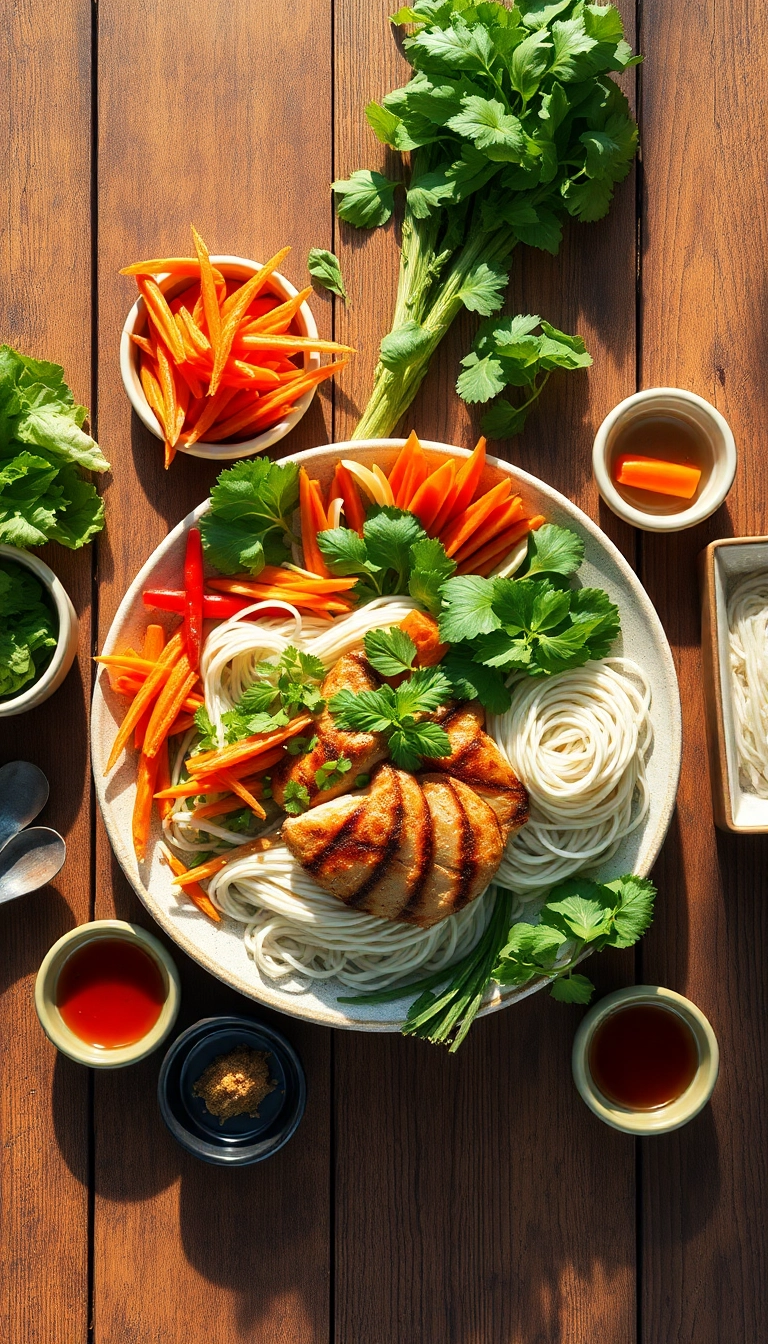
Vietnamese cuisine offers a wealth of opportunities for healthy eating. By understanding the principles of Vietnamese cooking, adapting recipes to specific dietary needs, and embracing mindfulness, anyone can enjoy the delicious and nutritious benefits of this vibrant cuisine. Whether following a gluten-free, vegetarian, vegan, or low-carb diet, there are countless ways to savor the flavors of Vietnam while maintaining a healthy lifestyle. So, embark on a culinary journey and discover the joy of healthy Vietnamese cooking.
You might find that traveling Vietnam off-season provides a deeper immersion into the local culture and landscapes!
I’m curious about the balance of flavors in Vietnamese cuisine. Any tips for enhancing dishes? I love how fresh herbs and lean proteins come together, plus those cooking methods like steaming really keep everything tasty and healthy!