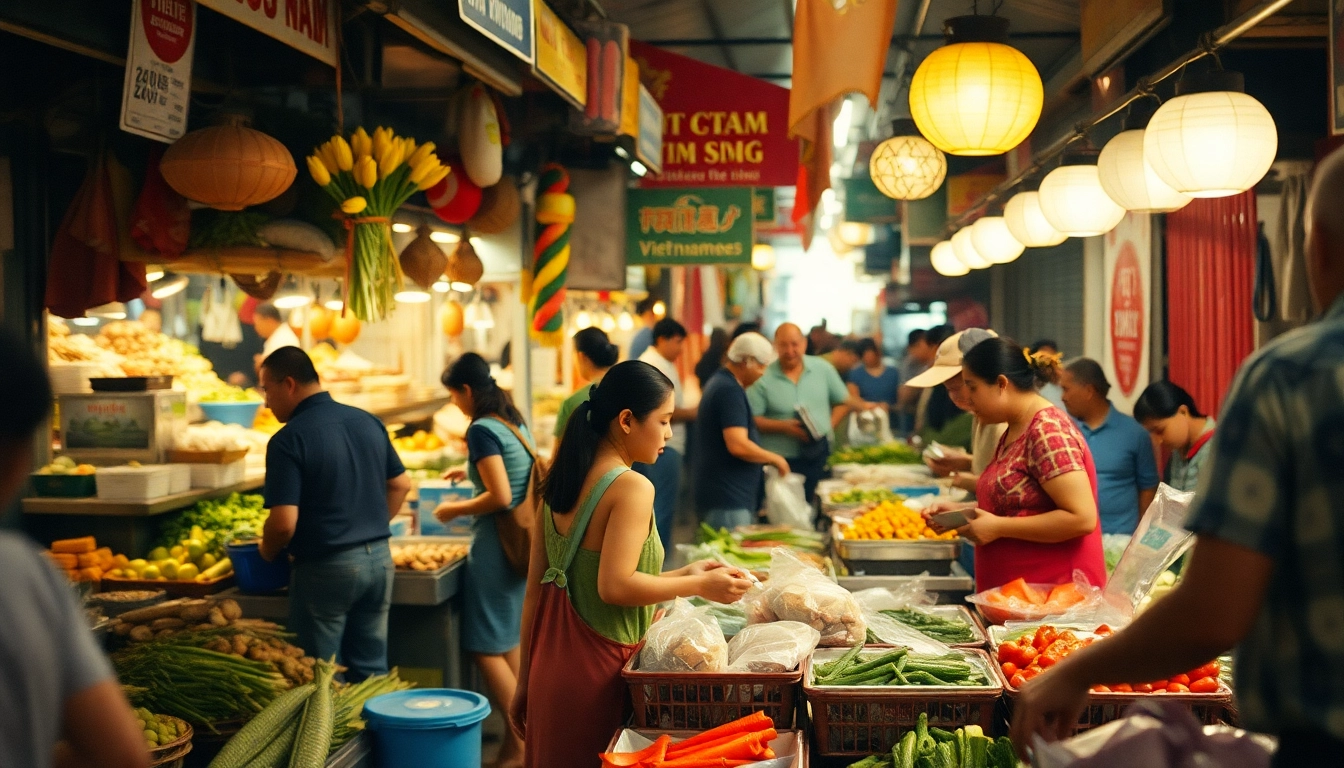
If you’re anything like me, the idea of trying new cuisines is both exciting and a little intimidating. But let me tell you—Vietnamese food is like that one friend who’s always fun, unexpectedly complex, and never boring. It’s a vibrant tapestry of flavors, textures, and aromas that can turn an ordinary meal into an extraordinary experience. So, buckle up, because I’m about to take you on a delicious journey through Vietnam’s culinary landscape, and trust me, it’s worth every bite.
Understanding the Heart of Vietnamese Cuisine
Before diving into the dishes, it’s helpful to understand what makes Vietnamese food so special. At its core, it’s all about balance—sweet, salty, sour, bitter, and umami—all harmonized beautifully. Fresh herbs, aromatic spices, and locally sourced ingredients play starring roles. Unlike some cuisines that rely heavily on richness or heaviness, Vietnamese dishes often feel light yet satisfying. Authentic Vietnamese food guide emphasizes this harmony, making it accessible for anyone eager to explore.
Start with the Classics: Pho
If you’re new to Vietnamese cuisine, there’s no better starting point than Pho. This iconic noodle soup is comfort food at its finest. For those just beginning, this represents one of the best Vietnamese dishes for beginners. I remember my first bowl—steaming, fragrant, and filled with tender beef or chicken, rice noodles, and a punchy broth that made my taste buds dance. The secret? It’s all in the broth—slowly simmered with bones, spices, and herbs for hours. When you order Pho, don’t forget the fresh basil, lime, chili, and bean sprouts. They turn a simple bowl into a personalized flavor explosion.
Explore the Art of Rice Noodle Dishes
Vietnamese cuisine loves rice, and no dish exemplifies this more than Bún. These cold rice noodle salads are colorful, refreshing, and perfect for hot days or when you want something light yet flavorful. One of my favorites is Bún Chả, which combines grilled pork, herbs, vermicelli, and a tangy fish sauce dressing. Easy Vietnamese recipes for home cooks often include variations of this dish, making it simple to prepare at home. The trick is to mix everything well—think of it as a flavor party in your mouth. Once you get the hang of it, Bún becomes your go-to for quick, satisfying meals.
Delve into the World of Fresh Herbs and Vegetables
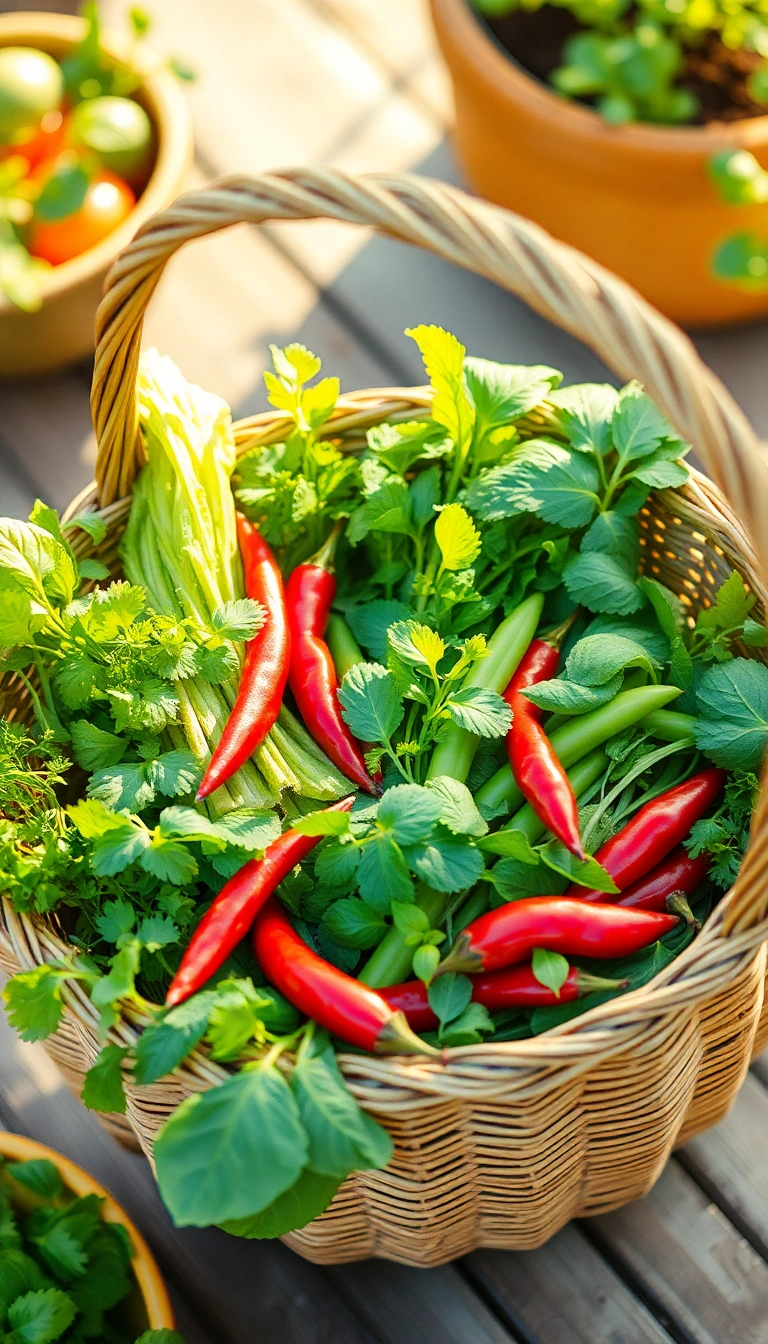
In Vietnam, herbs aren’t just garnishes—they’re essential. I’ve learned that a sprig of mint or cilantro can transform a bland dish into something spectacular. When you dine in Vietnam, you’ll see fresh basil, mint, coriander, lettuce, and even water spinach accompanying almost every dish. My advice? Embrace the herbs! They add brightness and complexity to every bite. Plus, they’re healthful and make you feel like you’re doing something good for your body—without sacrificing flavor.
Discover the Magic of Bánh Mì
If you haven’t yet tried Bánh Mì, you’re missing out on one of the greatest sandwiches ever invented. Think French baguette filled with savory meats, pâté, pickled vegetables, and fresh herbs. It’s a delightful fusion of French colonial influence and Vietnamese ingredients. My first Bánh Mì was a revelation—crunchy, tangy, spicy, and satisfying all at once. Pro tip: look for vendors with a line; they usually serve the best. And don’t shy away from adding hot sauce—you’ll thank me later.
Experience the Bold Flavors of Vietnamese Sauces and Condiments
Vietnamese dishes rely heavily on sauces like fish sauce (nước mắm), soy, and chili paste. My favorite is fish sauce—used both in cooking and as a dipping sauce—because it adds a salty, umami punch. When I first tasted it, I was skeptical, but now I keep a bottle in my pantry. Also, the chili paste adds just the right amount of heat. Remember, a little goes a long way—start slow, then ramp up the spice level as your taste buds adjust.
Planning a trip? Discover Vietnam solo travel tips to ensure your June adventure is unforgettable!
Indulge in Vietnamese Snacks and Street Food
One of my fondest memories is wandering through Vietnamese street markets, sampling all the tiny bites. From crispy spring rolls (chả giò) to savory pancakes (bánh xèo), street food is where the real magic happens. Best Vietnamese dishes for beginners can often be found here, offering approachable options for newcomers. These snacks are often quick, inexpensive, and bursting with flavor. For beginners, I recommend trying fresh spring rolls—cool, light, packed with herbs, shrimp, and vermicelli—and dipping them into a tangy peanut sauce. It’s a perfect introduction to the fresh and vibrant world of Vietnamese street eats.
Sweet Endings: Vietnamese Desserts
After all that savory goodness, you’ll want to save room for dessert. My personal favorite is Chè—a sweet, colorful dessert soup made with beans, jellies, fruits, and coconut milk. It’s like a tropical party in a bowl. Another treat is bánh chuối, a banana cake that’s moist and rich but not overly sweet. Vietnamese desserts often incorporate fresh fruits and coconut, making them both satisfying and refreshingly light.
When in Doubt, Follow Your Nose and Taste Buds
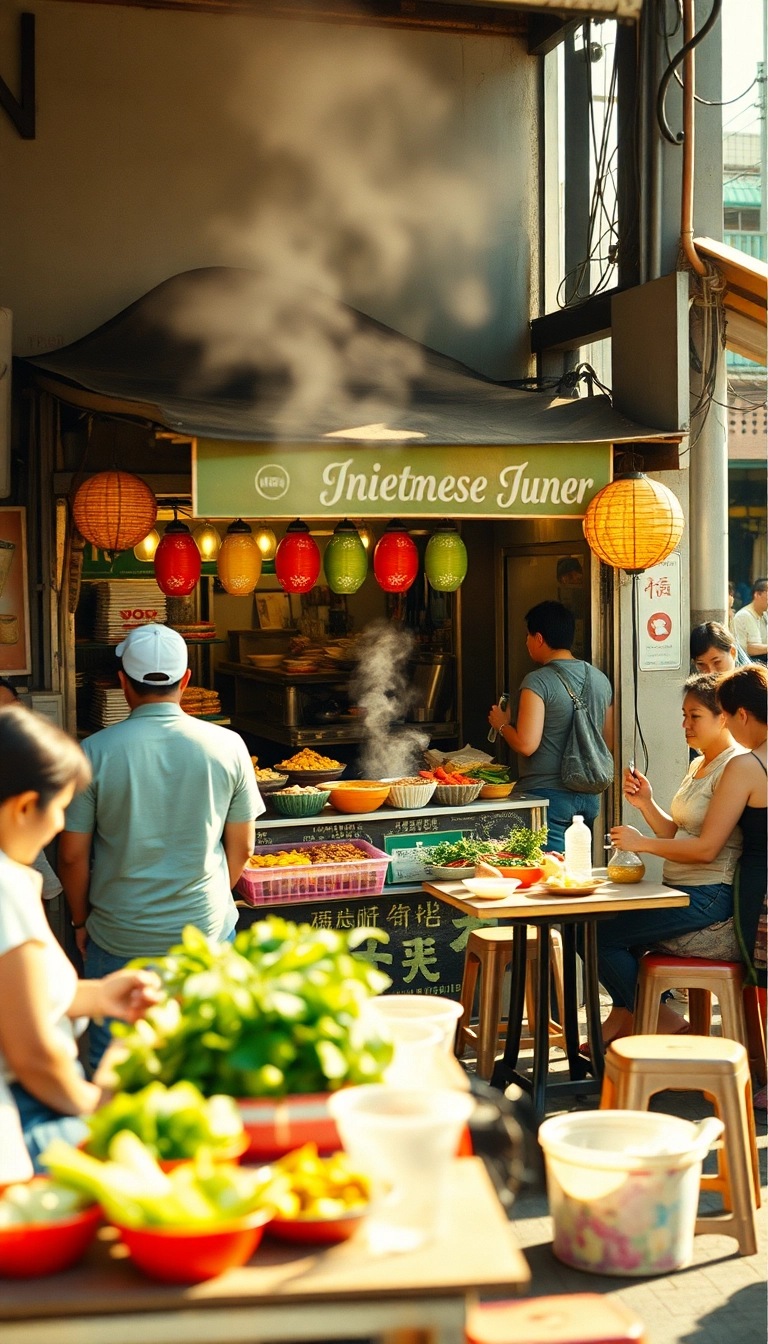
One of the best ways to explore Vietnamese cuisine is simply to trust your instincts. If a place smells divine or looks bustling with locals, that’s a good sign. I’ve found that the best food often comes from tiny family-run stalls rather than fancy restaurants. Don’t be afraid to ask questions or try something unfamiliar—sometimes the oddest-sounding dish turns out to be your new favorite. Remember, the worst that can happen is you discover you don’t like it, and that’s still a valuable culinary lesson.
Practical Tips for Your Vietnamese Food Adventure
Now, I know what you’re thinking: “How do I navigate this delicious chaos?” Here are a few tips: first, go slow and savor each bite. Vietnamese food is complex, and rushing through it is like skipping chapters in a great book. Second, don’t hesitate to ask for recommendations—most vendors are happy to help. Easy Vietnamese recipes for home cooks are a great way to practice, allowing you to experiment in your own kitchen. Third, try to sample a variety of dishes; the diversity is what makes Vietnamese cuisine so exciting. Lastly, bring a sense of adventure and a big appetite—trust me, your taste buds will thank you!
Plan a gastronomic tour of Vietnam using our detailed Vietnam food guides.
Dive In and Enjoy the Flavors
Exploring Vietnamese food is like opening a gift every time you sit down to eat. It’s vibrant, diverse, and full of surprises. Whether you’re eating at a street stall in Hanoi or trying recipes at home, the key is to keep an open mind and a sense of humor. Authentic Vietnamese food guide principles will enhance your experience, encouraging deeper appreciation. Food is meant to be enjoyed, shared, and remembered. So, go ahead—embark on this flavorful journey, and let Vietnam’s culinary treasures become part of your story. Bon appétit, or as they say in Vietnam, Chúc ngon miệng!
The Ultimate Guide to Vietnamese Food Etiquette
3 Street Food Favorites Every Visitor Should Try in Vietnam
