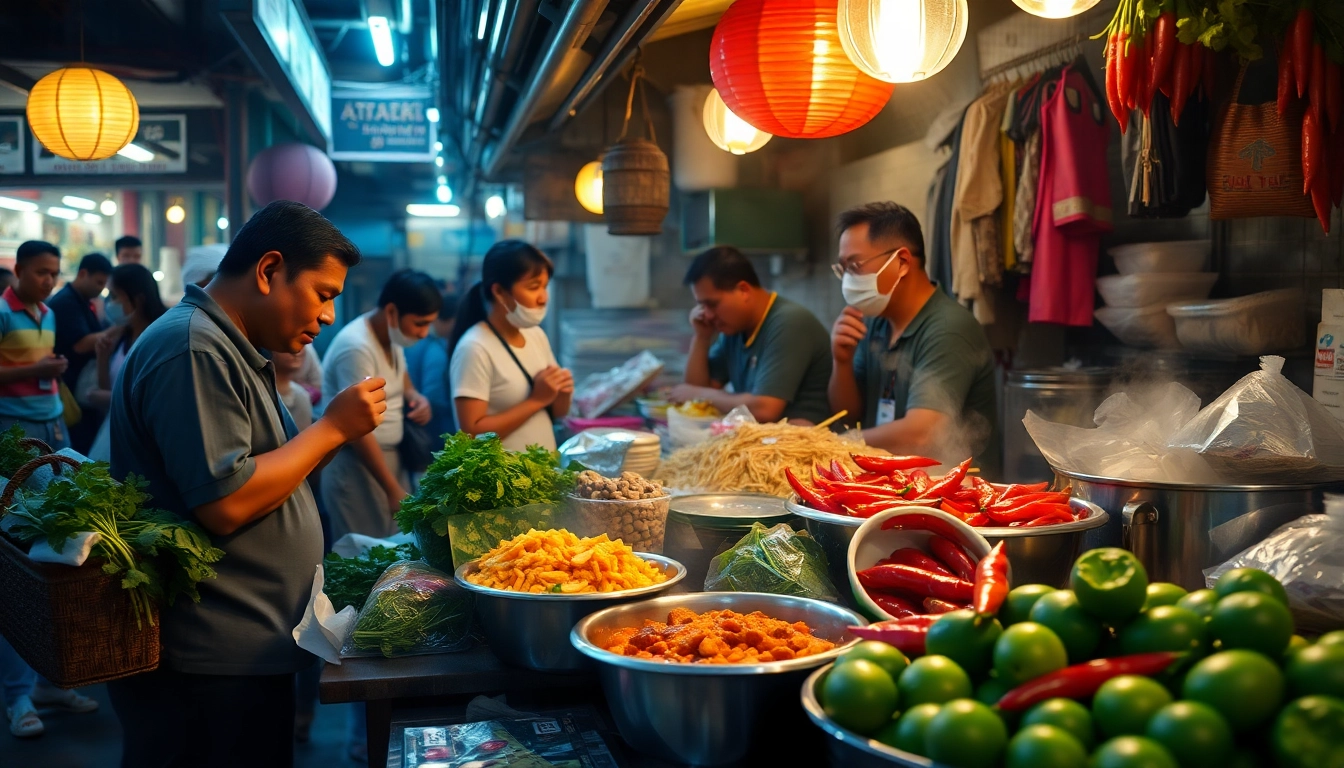
Vietnam. The mere mention of the name conjures images of bustling markets, emerald rice paddies, and, of course, an explosion of vibrant, flavorful cuisine. I’ve been lucky enough to travel extensively throughout Vietnam, and one thing I quickly learned is that truly appreciating the food requires more than just pointing at a menu. Knowing even a little bit of Vietnamese street food name translations can transform your culinary experience, opening doors to hidden gems and authentic interactions with locals.
Essential Vietnamese Food Words: A Quick Start
Before you embark on your gastronomic journey, let’s equip you with some fundamental words. Start with greetings – “xin chào” (hello) and “cảm ơn” (thank you) will go a long way. Then, master the basics: “ăn” (to eat), “uống” (to drink), “ngon” (delicious), and “không ngon” (not delicious). Essential Vietnamese restaurant phrases like these simple ones will make ordering and expressing your preferences much easier.
Navigating the Noodle World: Phở and Beyond
No trip to Vietnam is complete without experiencing the magic of phở. But did you know there are many variations? Learning to distinguish between phở bò (beef noodle soup) and phở gà (chicken noodle soup) will elevate your noodle game. Don’t be afraid to venture beyond phở – explore bún chả (grilled pork vermicelli), hủ tiếu (noodle soup), and mì (various noodle dishes). Each holds a unique place in Vietnamese culinary heritage.
Beyond the Broth: Understanding Noodle Variations
One of my favorite discoveries was the sheer diversity of noodles in Vietnam. From the thin rice noodles in bún bò Huế to the thicker egg noodles in mì quảng, understanding the different types will help you navigate the menu with confidence. Don’t be shy to ask questions – Vietnamese people are generally happy to explain the nuances of their dishes. Learn common Vietnamese ingredient names as you go to enhance your understanding.
Want to impress your friends and family with a delicious meal? These tips for Vietnamese cuisine will help you master the art of Southeast Asian cooking!
Exploring Regional Specialties: A Culinary Journey Through Vietnam
Vietnam’s culinary landscape is incredibly diverse, with regional specialties reflecting local ingredients and traditions. Northern Vietnam is known for its refined dishes, while Central Vietnam boasts spicy flavors and fresh seafood. Southern Vietnam offers a sweeter, more coconut-influenced cuisine. Learn common Vietnamese ingredient names for these regions to add depth to your understanding of Vietnamese food.
Mastering the Art of Ordering: Phrases Every Traveler Needs
Ordering food in Vietnam can be an adventure in itself! Learning phrases like “Tôi muốn…” (I want…), “Một phần…” (one portion of…), and “Thêm…” (more…) will be invaluable. Don’t hesitate to point at pictures or use gestures – a smile and a genuine effort to communicate will always be appreciated. Essential Vietnamese restaurant phrases are key for this process.
Understanding Vietnamese Ingredients: From Herbs to Spices
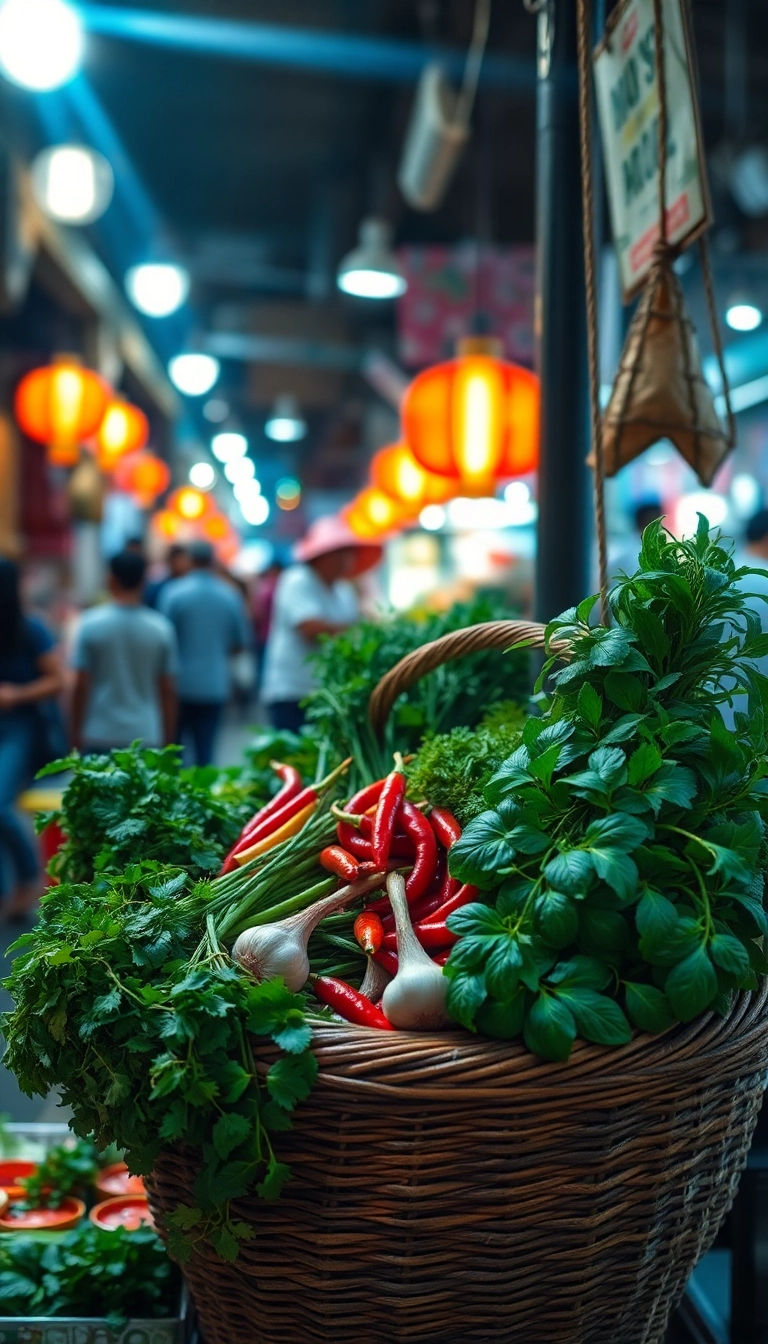
Vietnamese cuisine relies heavily on fresh herbs and spices. Learning the names of common ingredients like rau răm (Vietnamese coriander), ngò gai (sawtooth herb), and tỏi (garlic) will deepen your appreciation for the flavors you encounter. I remember my first time trying rau răm – it was a flavor explosion I’ll never forget!
Sweet Treats and Refreshing Drinks: Beyond the Main Course
Don’t forget about dessert! Vietnam offers a delightful range of sweet treats, from chè (sweet dessert soups) to bánh xèo (crispy savory pancakes). And when it comes to drinks, trà đá (iced tea) is a ubiquitous staple, while fresh fruit juices provide a refreshing respite from the heat. Vietnamese street food name translations can also enhance your overall dining experience.
Navigating the Market: A Sensory Feast
Visiting a local market is a must-do for any food enthusiast. The vibrant colors, tantalizing aromas, and bustling energy create an unforgettable sensory experience. Learning a few basic words related to fruits, vegetables, and meats will greatly enhance your market explorations. It’s a fantastic way to immerse yourself in Vietnamese culture.
Dealing with Dietary Restrictions: Communicating Your Needs
If you have dietary restrictions, it’s important to know how to communicate them effectively. Learn phrases like “Tôi không ăn…” (I don’t eat…) and “Tôi dị ứng với…” (I’m allergic to…). Always double-check ingredients to ensure they align with your needs. A little preparation, including Vietnamese street food name translations, goes a long way.
Beyond the Words: Embracing the Vietnamese Food Culture
Learning Vietnamese food vocabulary is more than just memorizing words; it’s about embracing the rich culinary culture of Vietnam. Engage in conversations with vendors, ask questions about ingredients, and savor each bite with mindful appreciation. Your culinary journey will be all the richer for it. Remember, even a few simple phrases can unlock a world of flavor and cultural understanding.
Eleven Essential Vietnamese Food Phrases
- Xin chào (Hello): A polite greeting to start any interaction.
- Cảm ơn (Thank you): Expressing gratitude is always appreciated.
- Ăn ngon miệng (Enjoy your meal): A warm wish for a pleasant dining experience.
- Tôi muốn… (I want…): Essential for ordering food.
- Một phần… (One portion of…): Specify the quantity you desire.
- Thêm… (More…): Ask for extra servings of your favorite dishes.
- Ngón (Delicious): Share your positive feedback.
- Không ngon (Not delicious): Politely express your dissatisfaction.
- Tôi không ăn… (I don’t eat…): Communicate dietary restrictions.
- Tôi dị ứng với… (I’m allergic to…): Crucial for those with allergies.
- Bao nhiêu tiền? (How much is it?): Find out the price of your meal.
A Deeper Dive into Regional Cuisine
Let’s expand on the regional specialties. Imagine yourself in Northern Vietnam, perhaps Hanoi, the capital. Here, you’ll find dishes like chả cá Lã Vọng, a turmeric-marinated fish dish pan-fried with dill and spring onions, served with rice noodles and a pungent shrimp paste sauce. The emphasis is on fresh ingredients and delicate flavors. The weather in the North is cooler, influencing the types of spices and herbs used.
Moving to Central Vietnam, specifically Hue, the former imperial capital, the cuisine becomes noticeably spicier. Bún bò Huế, a spicy beef noodle soup, is a prime example. The broth is rich and complex, infused with lemongrass, shrimp paste, and chili oil. The food here reflects the region’s history and the influence of the royal court, with intricate presentations and bold flavors. Also, try Banh Khoai, a small fried pancake filled with shrimp, pork and bean sprouts.
Finally, in Southern Vietnam, around Ho Chi Minh City (Saigon), the food takes on a sweeter profile. Coconut milk is used extensively, and dishes are often served with a side of fresh herbs and vegetables. Bánh xèo, a crispy crepe filled with shrimp, pork, and bean sprouts, is a popular street food. The fertile Mekong Delta provides an abundance of fresh produce, contributing to the vibrant and diverse cuisine.
Decoding the Vietnamese Menu: Beyond the Obvious
Vietnamese menus can sometimes be overwhelming, especially if you’re unfamiliar with the cuisine. Don’t be afraid to ask for help! Many restaurants have staff who speak English and are happy to explain the dishes. Look for descriptions that include key ingredients and cooking methods. For example, “Gà nướng” means grilled chicken, while “Cá kho tộ” refers to fish braised in a clay pot.
Pay attention to the order of the dishes on the menu. Soups are often listed first, followed by appetizers, main courses, and desserts. Street food stalls may have simpler menus, focusing on a few signature dishes. Embrace the spontaneity and try something new – you might discover your new favorite Vietnamese dish!
The Importance of Nuoc Cham: Vietnam’s Essential Dipping Sauce
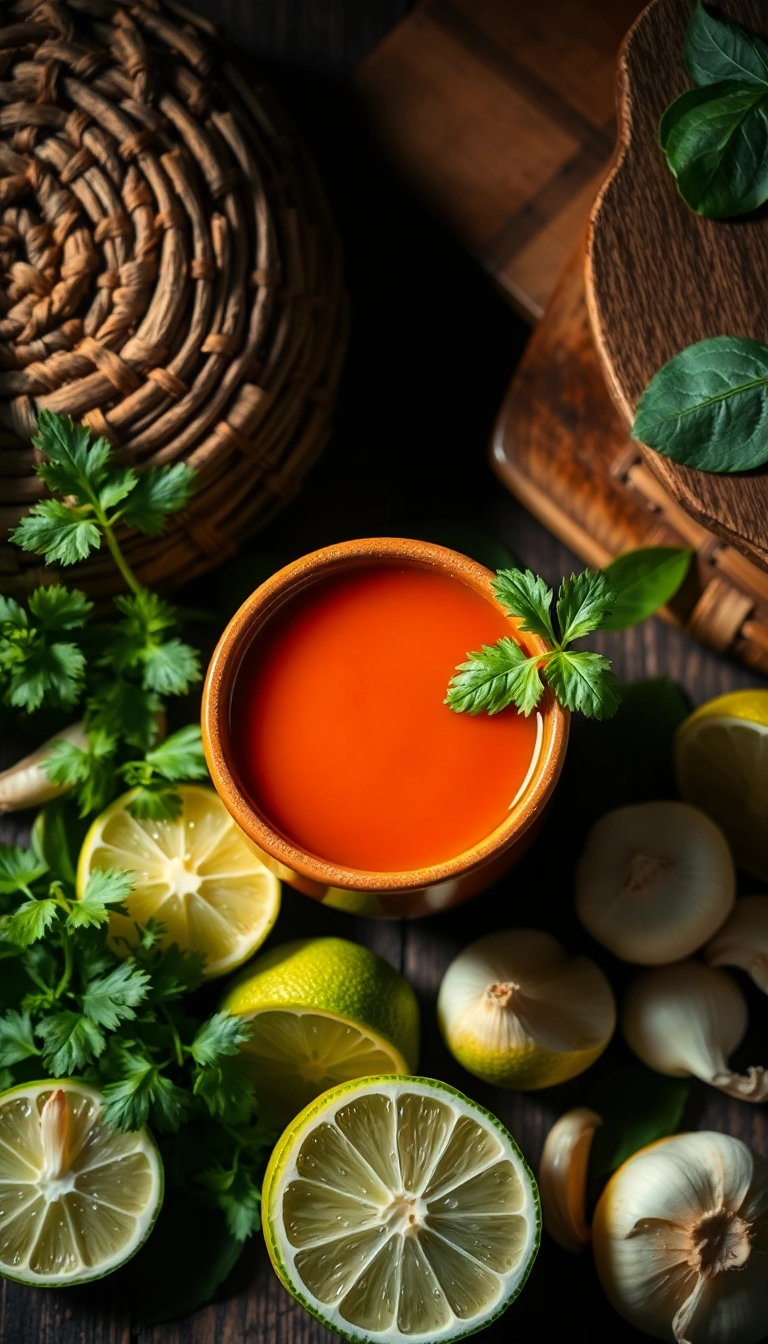
No discussion of Vietnamese food would be complete without mentioning nước chấm, the ubiquitous dipping sauce. This flavorful concoction is made from fish sauce, lime juice, sugar, garlic, and chili. It’s the perfect complement to many Vietnamese dishes, adding a burst of umami and acidity. There are many regional variations of nước chấm, so be sure to try them all!
You’ll find nước chấm served with everything from spring rolls to grilled meats. It’s also used as a marinade and a seasoning. Mastering the art of making nước chấm is a culinary skill that will impress your friends and family.
Vietnamese Coffee Culture: A Strong and Sweet Tradition
Vietnamese coffee is unlike any other coffee in the world. It’s typically brewed using a phin filter, a small metal device that sits on top of a glass. The coffee is strong and dark, often sweetened with condensed milk. Cà phê sữa đá (iced coffee with condensed milk) is a popular choice, especially on a hot day.
Unlock the secrets of Vietnamese cuisine with our Vietnam food tips and restaurant guides.
The coffee culture in Vietnam is vibrant and social. Coffee shops are popular gathering places, where people come to relax, chat, and watch the world go by. Take some time to savor a cup of Vietnamese coffee and soak up the atmosphere.
Beyond the Tourist Trail: Finding Authentic Vietnamese Food
While tourist-friendly restaurants offer a convenient introduction to Vietnamese cuisine, venturing beyond the beaten path will reward you with even more authentic and flavorful experiences. Look for street food stalls and local eateries that are popular with Vietnamese people. These are often where you’ll find the best and most affordable food.
Don’t be afraid to explore different neighborhoods and try dishes that you’ve never heard of before. Ask locals for recommendations and be open to new culinary adventures. The more you explore, the more you’ll discover the incredible diversity and richness of Vietnamese food.
A Culinary Journey That Never Ends
Learning Vietnamese food vocabulary is just the beginning of a lifelong culinary journey. The more you explore, the more you’ll appreciate the complexity and artistry of Vietnamese cuisine. Embrace the flavors, immerse yourself in the culture, and don’t be afraid to try new things. Your taste buds will thank you!
