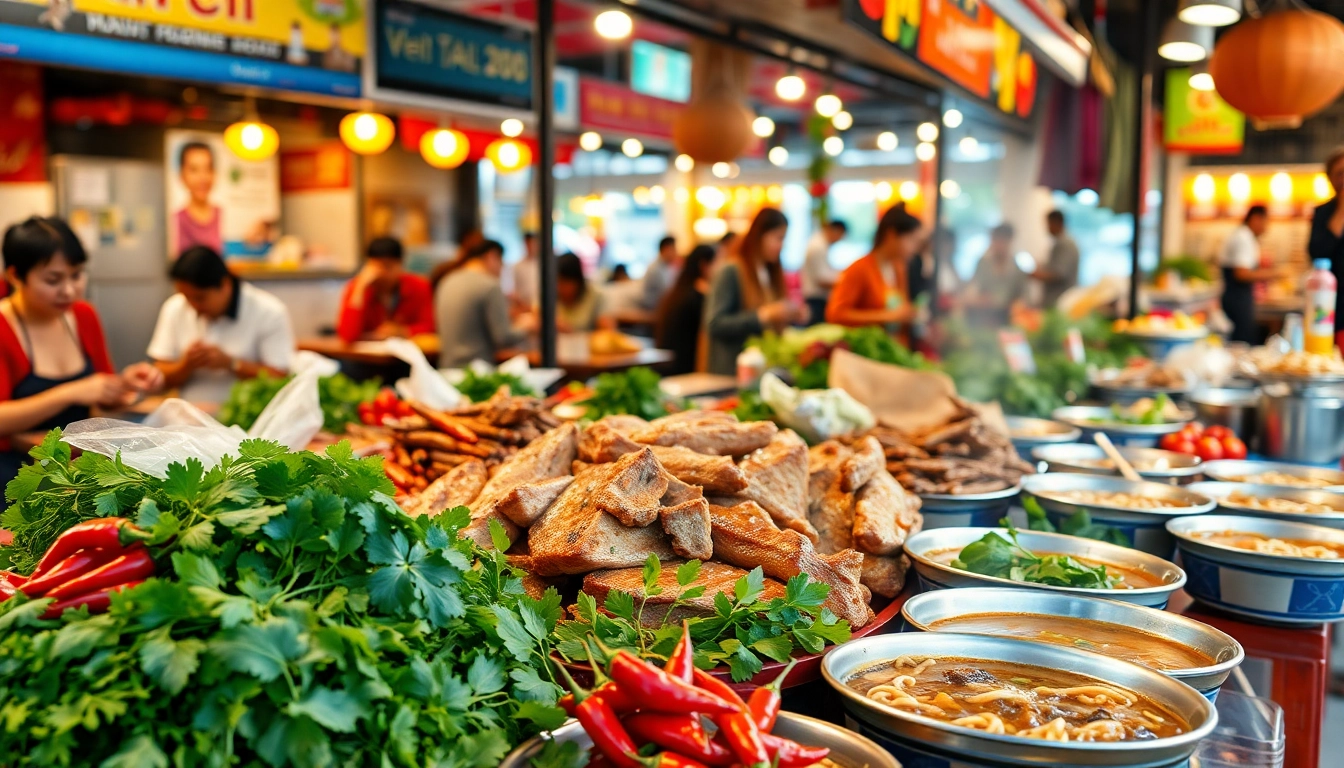
Have you ever felt that overwhelming urge to explore the world, one delicious bite at a time? I know I have! And for me, that journey often leads straight to the vibrant and incredibly diverse culinary landscape of Vietnam. Forget the generic pho – prepare to be amazed by the authentic regional Vietnamese food dishes that truly showcase the country’s rich gastronomic heritage. I’m about to take you on a whirlwind tour of seven incredible regional cuisines, each bursting with unique flavors and traditions.
Northern Vietnam: Hanoi’s Culinary Heart
My first stop? Hanoi, the heart of Northern Vietnam. This is where you’ll find the classic, refined dishes that often define Vietnamese cuisine in the West, but with a depth and nuance you won’t find anywhere else. Think delicate broths, fragrant herbs, and a focus on fresh, seasonal ingredients. Don’t miss the chance to try bún chả (grilled pork with vermicelli noodles) – a Hanoi staple that’s both comforting and incredibly flavorful.
Exploring Hanoi’s Hidden Gems
Beyond the iconic dishes, Hanoi offers a wealth of street food delights. I remember stumbling upon a tiny stall tucked away in a bustling alleyway, serving the most incredible nem rán (fried spring rolls). The crispy exterior gave way to a juicy, flavorful interior, a perfect blend of textures and tastes. Venture beyond the tourist trails – you’ll be rewarded with culinary adventures you won’t soon forget. Hanoi’s culinary scene is a constant dance between tradition and innovation. While classic dishes like pho and bun cha remain steadfast favorites, younger chefs are experimenting with modern techniques and global influences, creating a fusion that’s both exciting and respectful of the past. Take, for example, the rise of “pho cuon,” fresh spring rolls filled with pho noodles and herbs, a refreshing twist on the beloved soup. Or the emergence of craft beer pairings with traditional Vietnamese snacks. Exploring these new culinary frontiers adds another layer of richness to Hanoi’s already captivating food culture. The key is to remain open-minded and adventurous, willing to try anything that catches your eye (and nose!). Ask locals for recommendations; they are often the best guides to the hidden culinary treasures of the city.
Central Vietnam: A Coastal Culinary Paradise
Next, we journey south to Central Vietnam, a region blessed with a stunning coastline and a culinary tradition that reflects its maritime heritage. Here, the focus is on seafood, fresh herbs, and a subtle spiciness that tantalizes the taste buds. Unique Vietnamese cuisine by region shines through in dishes like succulent grilled prawns and delicate fish-based noodle soups. I’ve had some of the best seafood of my life in this region, from these offerings to other local favorites.
Hue’s Imperial Cuisine: A Royal Treat
Hue, the former imperial capital, boasts a unique culinary tradition. Its royal cuisine is known for its intricate preparations, delicate flavors, and the use of rare and exotic ingredients. If you’re looking for a truly memorable culinary experience, a visit to Hue is an absolute must. Imagine savoring dishes once served to emperors – it’s an experience that transcends simple food. Hue’s imperial cuisine is a testament to the artistry and refinement of Vietnamese cooking. Dishes are meticulously prepared, often with elaborate presentations that reflect the royal court’s emphasis on aesthetics. Ingredients are carefully sourced and combined to create harmonious flavors that are both subtle and complex. A classic example is “bún bò Huế,” a spicy beef noodle soup that is far more nuanced than its more common variations. The broth is simmered for hours with lemongrass, shrimp paste, and annatto seeds, resulting in a rich and aromatic base. The beef is tender and flavorful, and the noodles are perfectly cooked. Other must-try Vietnamese regional specialties include “banh beo,” steamed rice cakes topped with shrimp floss and crispy pork skin, and “nem lui,” grilled pork skewers served with rice paper and fresh herbs. Dining in Hue is not just about the food; it’s about experiencing a piece of Vietnamese history and culture.
Southern Vietnam: Saigon’s Vibrant Food Scene
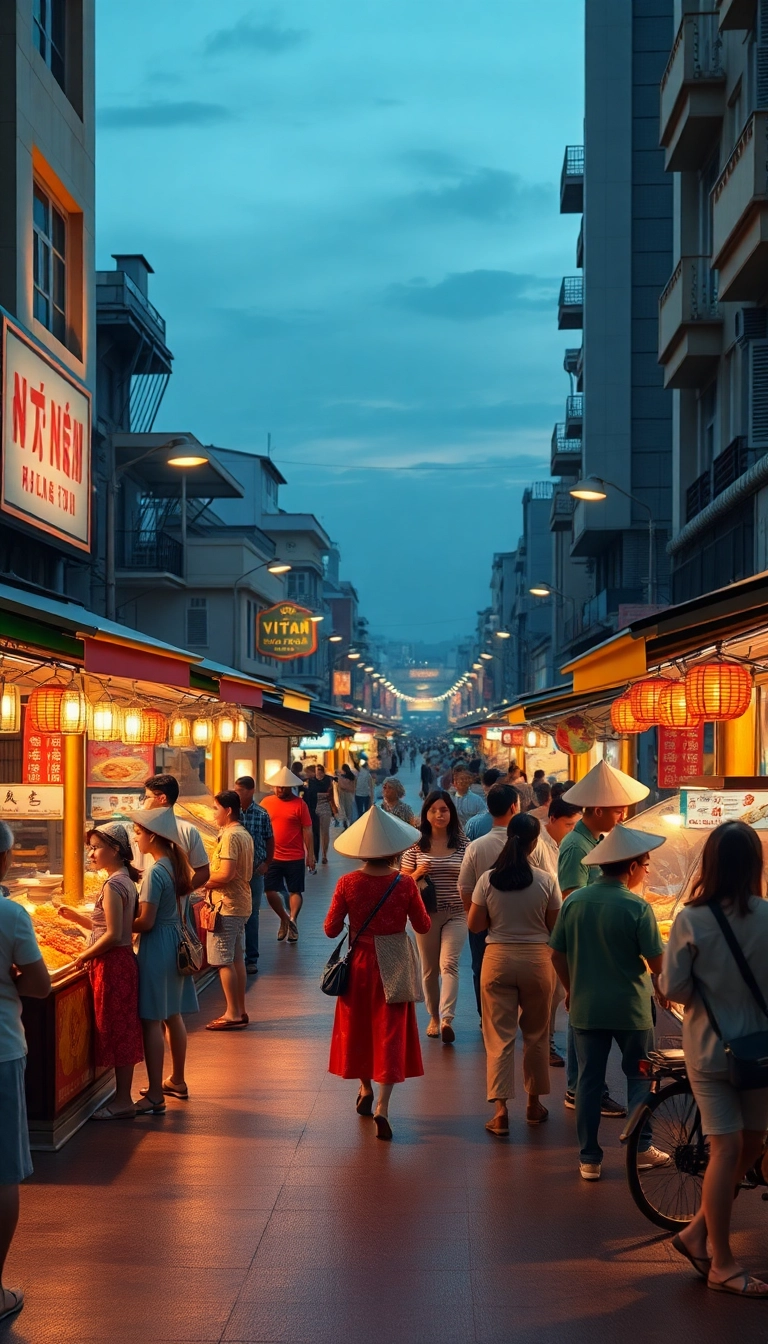
Saigon (Ho Chi Minh City), the bustling heart of Southern Vietnam, offers a vibrant and diverse food scene unlike any other. Here, you’ll find a fusion of flavors influenced by centuries of trade and cultural exchange. The street food is legendary, with an endless array of options to choose from – from savory pancakes to pungent durian desserts.
The Sweetness of Southern Vietnam
Southern Vietnamese cuisine is known for its sweetness, often incorporating coconut milk and palm sugar into both savory and sweet dishes. I remember being completely captivated by the rich, creamy texture of a coconut-based curry, a dish that perfectly embodies the region’s unique Vietnamese cuisine by region. Don’t be afraid to experiment – you might discover your new favorite dish! Saigon’s culinary landscape is a melting pot of cultures and influences, a reflection of the city’s history as a major trading port. Chinese, French, and Khmer cuisines have all left their mark on the local food scene, creating a unique and diverse culinary tapestry. The abundance of fresh produce, seafood, and spices further contributes to the richness of Saigon’s food culture. One of the most iconic dishes in Saigon is “bánh mì,” a Vietnamese sandwich that is a perfect example of culinary fusion. It consists of a crispy baguette filled with various meats, pickled vegetables, cilantro, and chili peppers. The combination of textures and flavors is simply irresistible. Other dishes to explore include “cơm tấm,” broken rice served with grilled pork chop, shredded pork skin, and a fried egg, and “gỏi cuốn,” fresh spring rolls filled with shrimp, vegetables, and vermicelli noodles. Exploring Saigon’s street food scene is an adventure in itself. From bustling markets to hidden alleyways, you’ll find an endless array of culinary delights waiting to be discovered.
The Mekong Delta: A Culinary Abundance
The Mekong Delta, a vast network of rivers and canals, is a land of incredible abundance. The region’s fertile soil produces an array of fresh fruits, vegetables, and seafood, all of which find their way into the local cuisine. This area is famous for its fresh produce, with dishes often showcasing the natural flavors of the ingredients.
Exploring the Mekong’s Unique Flavors
I spent a week exploring the Mekong Delta, and every meal was a revelation. The abundance of fresh seafood, combined with the unique flavors of local herbs and spices, created a culinary experience that was both exciting and deeply satisfying. You really get a sense of the region’s connection to its environment through the food. Must-try Vietnamese regional specialties abound in the Mekong Delta’s culinary identity, which is deeply intertwined with its waterways. Life revolves around the rivers and canals, and the food reflects this connection. Fresh seafood is abundant, and many dishes feature river fish, prawns, and crabs. Vegetables and fruits are also plentiful, thanks to the fertile soil. One of the most unique dishes in the Mekong Delta is “canh chua cá,” a sour fish soup that is both refreshing and flavorful. The soup is made with tamarind, pineapple, tomatoes, and various herbs, creating a complex and tangy broth. The fish is usually catfish or snakehead, which are both local specialties. Another dish to seek out is “bún mắm,” a fermented fish noodle soup that is not for the faint of heart. The broth is made with fermented fish sauce, which gives it a pungent and umami-rich flavor. The soup is typically served with various meats, seafood, and vegetables. Exploring the Mekong Delta’s floating markets is a culinary adventure in itself. You can sample local delicacies directly from the boats, experiencing the region’s food culture firsthand.
Planning a trip to Southeast Asia soon, and want to learn more about exploring local Vietnamese markets for authentic souvenirs and unique cultural experiences?
The Highlands: A Taste of the Mountains
Venturing into the highlands of Vietnam, you’ll discover a cuisine that’s distinct from the coastal regions. The mountainous terrain influences the local diet, with hearty stews and grilled meats featuring prominently. The use of indigenous ingredients and unique cooking methods creates an authentic regional Vietnamese food dishes experience.
Unique Highland Ingredients
One of the most memorable dishes I tried in the highlands was a hearty stew made with locally sourced vegetables and meats. The flavors were earthy and robust, reflecting the region’s rugged landscape. The ingredients themselves are often unique to the region, offering a taste of something truly special. The highlands of Vietnam offer a culinary experience that is vastly different from the coastal regions. The cooler climate and mountainous terrain influence the ingredients and cooking methods used. Hearty stews, grilled meats, and fermented dishes are common, reflecting the need for sustenance and preservation in a challenging environment. One of the most distinctive ingredients in highland cuisine is “mac khen,” a type of wild pepper that grows only in the mountains. It has a unique citrusy and slightly numbing flavor that adds a distinctive touch to many dishes. Another important ingredient is “com lam,” rice cooked in bamboo tubes. The rice is soaked in water and then stuffed into bamboo tubes, which are then grilled over an open fire. The bamboo imparts a subtle smoky flavor to the rice. One of the most popular dishes in the highlands is “thang co,” a horse meat stew that is a traditional dish of the H’mong people. The stew is made with various cuts of horse meat, as well as organs and blood. It is a hearty and flavorful dish that is perfect for a cold mountain evening. Exploring the highlands’ local markets is a great way to discover the unique ingredients and culinary traditions of the region.
The Culinary Diversity of Vietnam
As you can see, Vietnam is a country of extraordinary culinary diversity. Each region boasts its authentic regional Vietnamese food dishes, ingredients, and traditions, creating a tapestry of gastronomic delights. Don’t limit yourself to just one region – explore them all!
- Northern Vietnam: Explore Hanoi’s refined cuisine and street food delights.
- Central Vietnam: Savor the fresh seafood and subtle spiciness of the coastal regions.
- Southern Vietnam: Immerse yourself in Saigon’s vibrant and diverse food scene.
- Mekong Delta: Experience the abundance of fresh produce and seafood.
- Highlands: Discover the hearty stews and grilled meats of the mountainous regions.
- Hue: Indulge in the intricate and delicate flavors of imperial cuisine.
- Beyond the Cities: Venture beyond major cities to discover hidden culinary gems.
Planning Your Culinary Adventure
Planning a trip to Vietnam? Make food a central part of your itinerary. Do your research, venture off the beaten path, and be open to trying new things. You won’t regret it! The experiences you have will be far more than just meals; they’ll be memories to cherish. Consider taking a cooking class to learn the secrets of Vietnamese cuisine. Many local chefs offer classes that teach you how to prepare traditional dishes using fresh, local ingredients. This is a great way to immerse yourself in the food culture and learn new skills that you can take home with you. Another tip is to learn a few basic Vietnamese phrases, such as “cam on” (thank you) and “ngon quá” (delicious). This will show your appreciation for the food and the people who prepare it, and it will make your culinary adventures even more rewarding.
Plan a gastronomic tour of Vietnam using our detailed Vietnam food guides.
Embrace the Unexpected
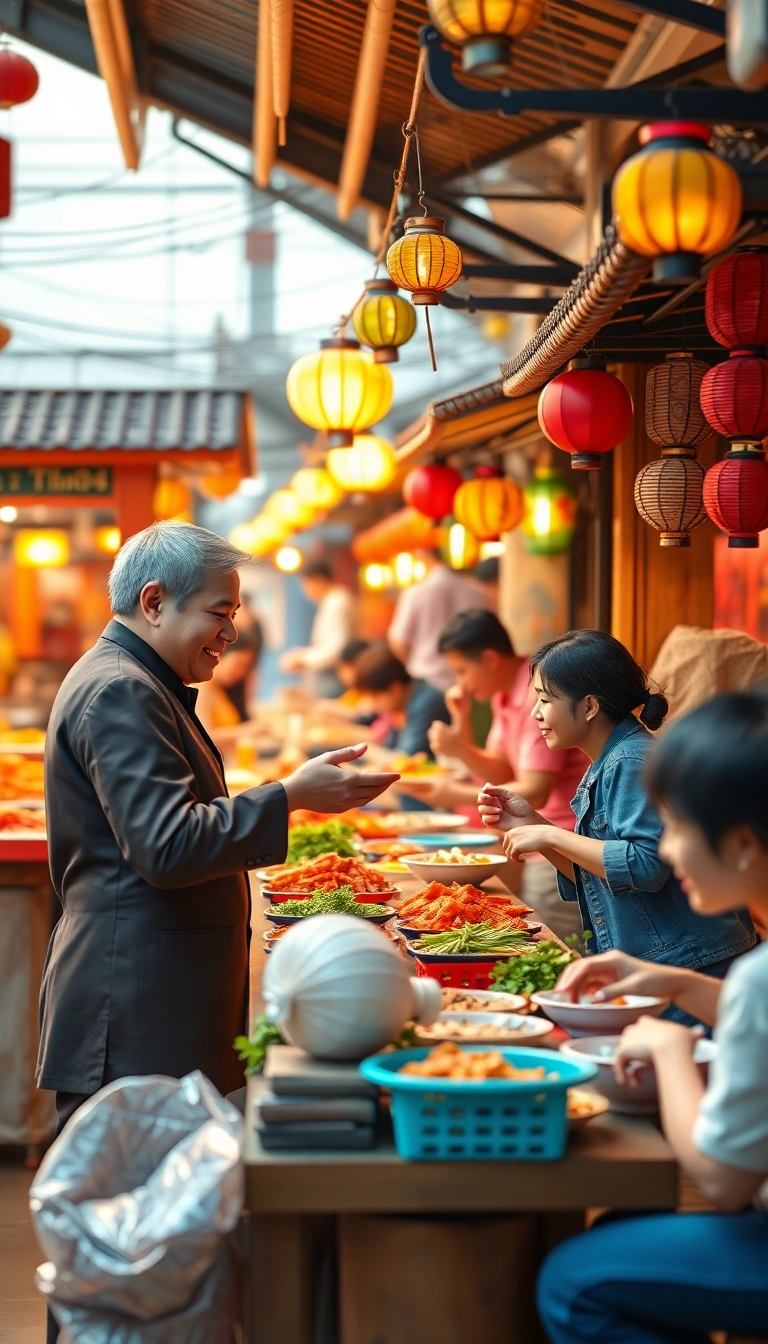
Remember, the best culinary experiences often come unexpectedly. Don’t be afraid to stray from the tourist trails and explore local markets and eateries. You’ll discover culinary gems and create memories you’ll cherish for a lifetime. Trust your instincts, and let your taste buds be your guide. Talk to locals! They are often the best source of information about the best places to eat and the most must-try Vietnamese regional specialties. Don’t be afraid to ask for recommendations, and be open to trying new things that you might not have considered before. Some of the most memorable culinary experiences come from venturing outside of your comfort zone.
Savor Every Moment
Finally, remember to savor every moment. Vietnamese food is more than just sustenance – it’s a cultural experience, a reflection of the country’s rich history and traditions. Take your time, appreciate the flavors, and let the food transport you to another world. Happy travels! Pay attention to the details. Notice the way the food is presented, the aromas that fill the air, and the textures that delight your palate. Vietnamese cuisine is a feast for all the senses, so take the time to fully appreciate every aspect of the dining experience. And most importantly, share your culinary adventures with others! Talk to your travel companions about the food you’re trying, and share your experiences with friends and family back home. Food is a universal language that connects people from all walks of life, so use it to build bridges and create lasting memories. When you explore the various areas, be sure to seek out must-try Vietnamese regional specialties that highlight the best of each place.
