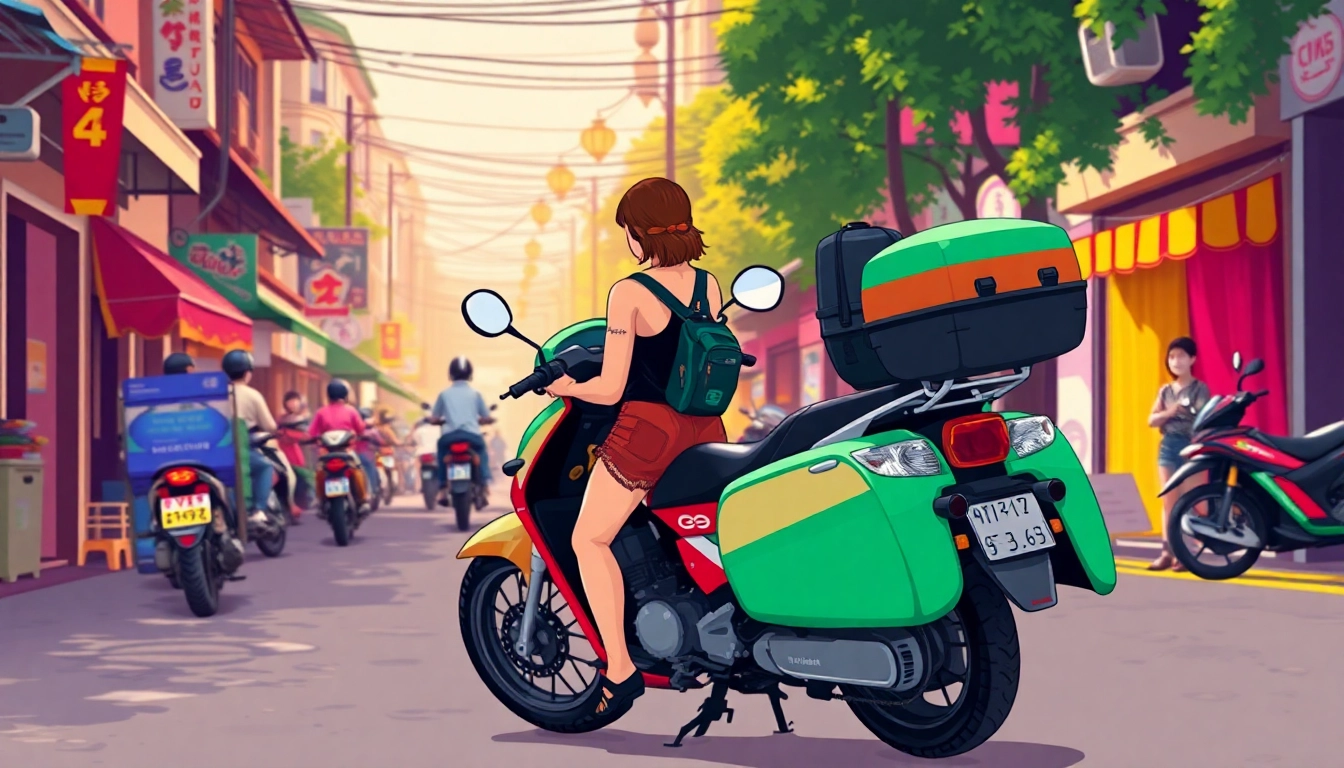
Vietnam, a land of breathtaking landscapes and vibrant culture, beckons travelers with its promise of adventure. One of the most exhilarating ways to explore this Southeast Asian gem is by motorbike. The freedom of the open road, the wind in one’s hair, and the ability to reach remote corners inaccessible by other means make it an irresistible choice for many. However, renting a motorbike in Vietnam as a foreign rider requires careful consideration of safety essentials. Navigating Vietnamese roads can be a unique experience. Prioritizing safety is paramount for an unforgettable and secure journey.
Understanding Vietnamese Traffic Culture
Vietnamese traffic operates with a distinct set of unspoken rules and customs. What might seem chaotic at first glance is actually a complex system of negotiation and anticipation. Motorbikes dominate the roads, weaving through traffic with remarkable agility. Honking is a common form of communication, not necessarily an expression of anger, but rather a way to signal presence and intention. Foreign riders should observe local riders closely to learn the flow of traffic and adapt their riding style accordingly. Understanding this dynamic is the first step towards safe riding in Vietnam.
Common Traffic Scenarios
Several traffic scenarios are frequently encountered in Vietnam. These include large trucks and buses sharing narrow roads, pedestrians crossing streets unexpectedly, and animals wandering onto the road. Riders should be prepared to react quickly and decisively to avoid accidents. Maintaining a safe following distance and scanning the road ahead for potential hazards are crucial defensive riding techniques.
The Role of Courtesy
Despite the seemingly chaotic nature of Vietnamese traffic, a surprising degree of courtesy exists. Riders often yield to each other, especially in tight spaces. Signaling intentions clearly and making eye contact with other drivers can help prevent misunderstandings and promote safer interactions on the road. Adopting a courteous and patient approach is essential for navigating Vietnamese traffic successfully.
Essential Gear and Equipment
Proper gear and equipment are non-negotiable for safe motorbike riding in Vietnam. A helmet is the most important piece of safety equipment, and it is legally required. However, not all helmets are created equal. A full-face helmet offers the best protection in the event of an accident. Investing in a high-quality helmet that fits properly is a wise decision. Beyond helmets, other protective gear can significantly reduce the risk of injury.
Jackets and Gloves
A riding jacket made of abrasion-resistant material can protect the upper body from scrapes and bruises in a fall. Gloves provide grip and protect the hands, which are often the first point of contact in an accident. Leather or textile gloves with reinforced palms are recommended.
Boots and Eye Protection
Sturdy boots that cover the ankles can prevent foot and ankle injuries. Eye protection, such as sunglasses or a visor, shields the eyes from dust, debris, and insects, improving visibility and reducing distractions. Clear eye protection is essential for night riding.
Legal Requirements and Licensing
Navigating the legal requirements for riding a motorbike in Vietnam can be complex. A valid Vietnamese driver’s license is technically required for foreign riders. However, obtaining one can be a lengthy and bureaucratic process. An International Driving Permit (IDP) is recognized in Vietnam if it is based on the 1968 Vienna Convention. Many travelers choose to ride with their home country license or an IDP not based on the 1968 convention, but this carries risks. It is essential to be aware of the potential consequences of riding without the proper license, including fines, vehicle impoundment, and insurance invalidation.
Insurance Considerations
Travel insurance is crucial for any trip to Vietnam, especially when riding a motorbike. Ensure that the policy covers motorbike accidents and medical expenses. Some insurance companies may not cover accidents if the rider does not have a valid Vietnamese driver’s license or an IDP based on the 1968 convention. Carefully review the insurance policy’s terms and conditions before embarking on a motorbike adventure. For those planning scooter rental in Vietnam for foreigners, securing proper coverage is vital.
Choosing the Right Motorbike
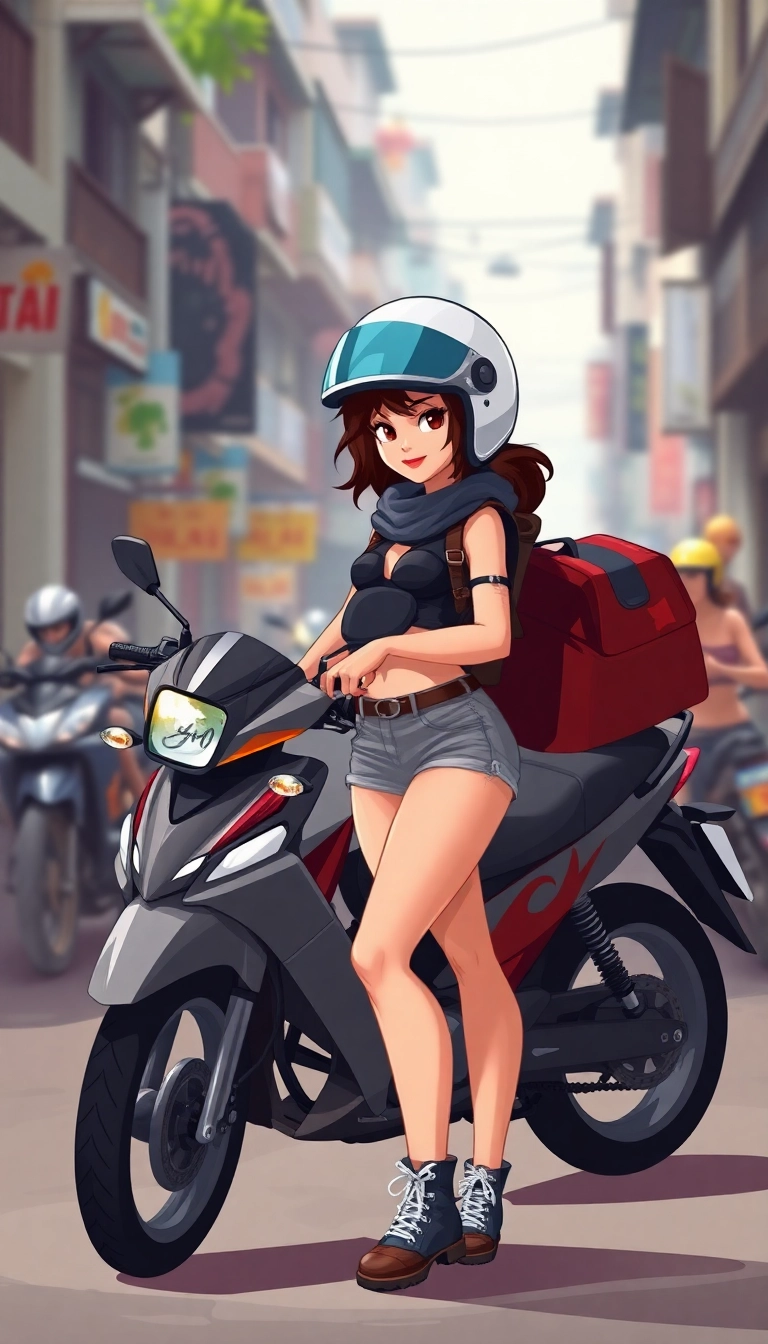
Selecting the appropriate motorbike is critical for a safe and enjoyable riding experience. Consider the rider’s experience level, the intended riding conditions, and the planned routes. For beginners, a smaller, lighter motorbike with an automatic transmission is easier to handle. More experienced riders may prefer a larger, more powerful motorbike with a manual transmission. Inspect the motorbike thoroughly before renting it, checking the brakes, tires, lights, and overall condition. A reputable rental agency will maintain its motorbikes properly and provide a safe and reliable vehicle.
Motorbike Maintenance Basics
Before setting off, familiarize yourself with basic motorbike maintenance. Check the oil level, tire pressure, and brake fluid. Learn how to adjust the mirrors and operate the lights and indicators. Knowing how to perform simple maintenance tasks can help prevent breakdowns and ensure a smoother ride. Following motorbike safety tips in Vietnam will enhance your overall experience.
Navigating Vietnamese Roads
Vietnamese roads range from well-maintained highways to pothole-ridden dirt tracks. Riders should be prepared for a variety of road conditions and adjust their riding style accordingly. In urban areas, traffic congestion can be heavy, and navigating narrow streets requires patience and skill. In rural areas, roads may be unpaved and winding, demanding careful attention and slower speeds. Using a GPS navigation device or a map can help riders stay on course and avoid getting lost.
Dealing with Road Hazards
Road hazards are common in Vietnam. These include potholes, gravel, sand, animals, and unexpected obstacles. Riders should scan the road ahead constantly and anticipate potential hazards. Slowing down and maneuvering carefully around obstacles can prevent accidents. Be especially cautious when riding at night, as visibility is reduced. Effective motorbike accident prevention in Vietnam starts with vigilance on these roads.
Unsure where to begin your journey? Find the perfect Vietnam travel route for your needs. Learn the best way to see the country!
Defensive Riding Techniques
Defensive riding techniques are essential for staying safe on Vietnamese roads. These techniques involve anticipating potential hazards, maintaining a safe following distance, and being prepared to react quickly. Avoid riding in blind spots and be aware of the movements of other vehicles. Use the horn to signal intentions and alert other drivers to your presence. Never assume that other drivers will follow the rules of the road.
Maintaining Awareness
Maintaining constant awareness of the surroundings is crucial for defensive riding. Scan the road ahead, check mirrors frequently, and be aware of the position of other vehicles. Avoid distractions such as using a mobile phone while riding. Focus on the task at hand and stay alert. Practicing motorbike accident prevention in Vietnam through awareness can save lives.
Emergency Procedures and First Aid
Knowing what to do in case of an accident is essential. Carry a first-aid kit with basic supplies such as bandages, antiseptic wipes, and pain relievers. Learn basic first-aid techniques, such as how to stop bleeding and immobilize a fracture. In the event of an accident, assess the situation, call for help if needed, and provide first aid to any injured parties. Having a plan in place can help minimize the impact of an accident.
Contacting Emergency Services
Familiarize yourself with the local emergency contact numbers. In Vietnam, the emergency number for police is 113, for fire is 114, and for ambulance is 115. Save these numbers in your phone and know how to use them. If possible, speak in Vietnamese or find someone who can translate.
Respecting Local Customs
Respecting local customs and traditions is an important part of traveling in Vietnam. Dress modestly, especially when visiting religious sites. Be mindful of noise levels and avoid loud or disruptive behavior. Learn a few basic Vietnamese phrases, such as “hello” and “thank you.” Showing respect for the local culture will enhance the travel experience and foster positive interactions with the Vietnamese people.
Avoiding Offenses
Avoid public displays of affection and disrespectful behavior towards elders. Do not take photos of people without their permission. Be aware of local laws and regulations and avoid engaging in illegal activities. Respecting local customs will help ensure a smooth and enjoyable trip.
Discover affordable travel options and budget-friendly tips in our Vietnam travel guide.
Staying Hydrated and Avoiding Fatigue
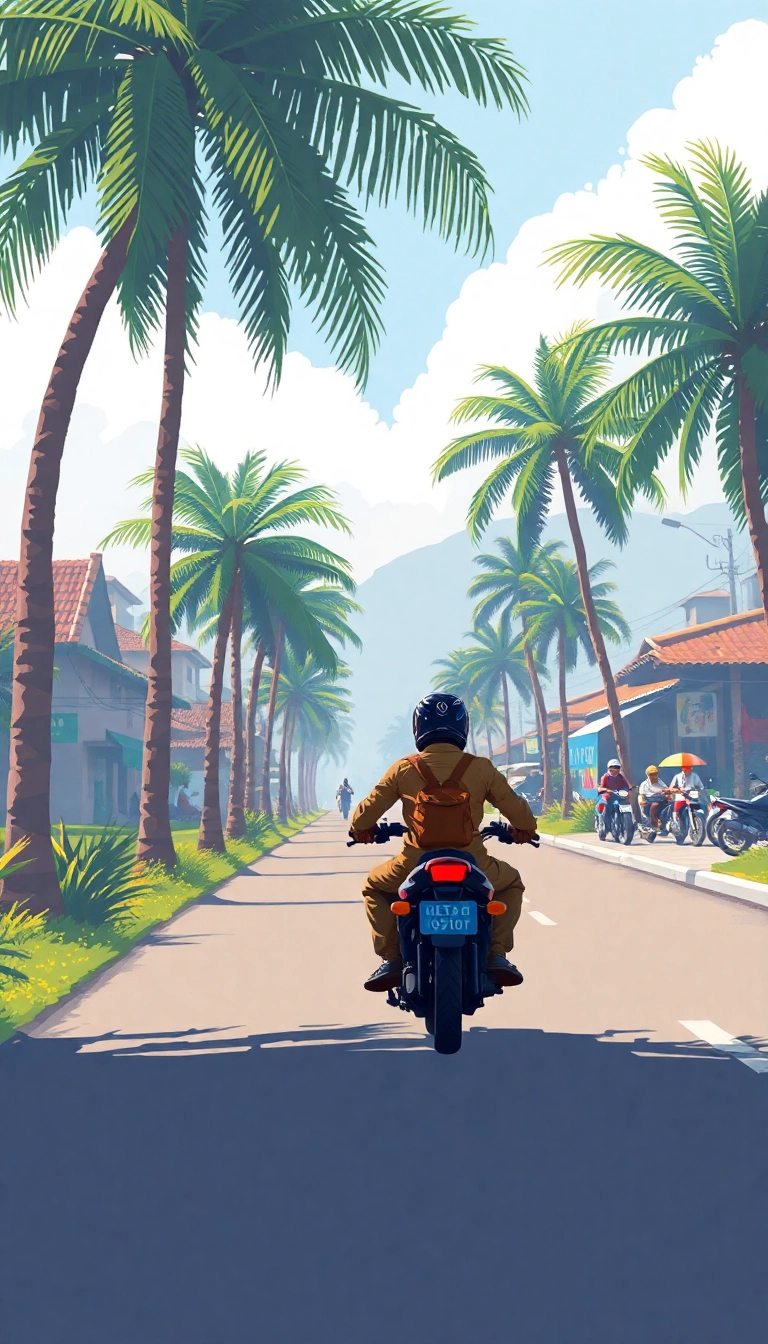
Riding a motorbike in Vietnam can be physically demanding, especially in hot and humid weather. It is essential to stay hydrated by drinking plenty of water throughout the day. Avoid riding during the hottest hours of the day, if possible. Take frequent breaks to rest and stretch. Fatigue can impair judgment and increase the risk of accidents. Listen to the body and take necessary precautions to avoid exhaustion.
Planning Rest Stops
Plan rest stops along the route to avoid fatigue. Choose shaded areas or cafes where you can relax and rehydrate. Avoid consuming alcohol or drugs before or during riding. Get adequate sleep the night before a long ride. Being well-rested and hydrated will improve focus and reduce the risk of accidents. Incorporating motorbike safety tips in Vietnam into your routine helps sustain energy levels.
Final Thoughts on Safe Motorbike Adventures
Renting a motorbike in Vietnam can be an incredible way to experience the country’s beauty and culture. By prioritizing safety, following these essentials, and respecting local customs, foreign riders can minimize risks and create lasting memories. Preparation, awareness, and responsible riding practices are key to a safe and enjoyable motorbike adventure in Vietnam. For newcomers, exploring scooter rental in Vietnam for foreigners offers a convenient entry point. The open road awaits, but safety should always come first.
Exploring Vietnam on a motorbike is thrilling! Just remember to stay safe and be aware.
Riding a motorbike in Vietnam can seem wild, but drivers are surprisingly courteous! Just remember to make eye contact and signal your moves. A solid helmet is a must. go for a full-face one for extra safety. Also, gear up with jackets, gloves, and sturdy boots. they could save you from some serious injuries if you take a spill. And hey, while a Vietnamese license is technically required, many people get by with an International Driving Permit or their home license. If you’re renting a bike, definitely check its condition first. tire pressure and brakes matter! Oh, and don’t forget a good navigation app to avoid getting lost in the hustle and bustle! *thumbs up* 😅
Also, consider wearing a reflective vest for visibility. safety first!
Don’t forget to wear a good helmet and check tire pressure for safety on the road. Always stay alert and enjoy the ride!
And remember to bring a first-aid kit. accidents happen, even in Vietnam’s rich riding history!