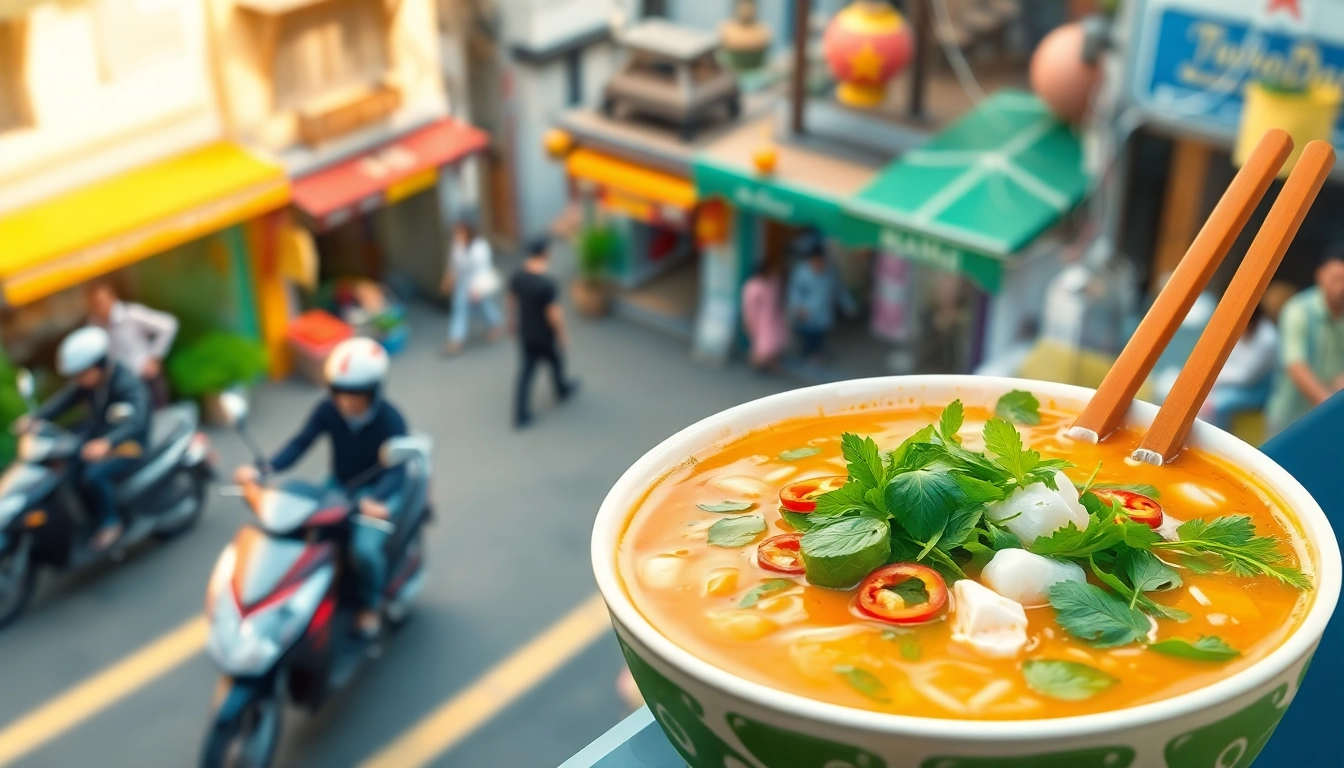
I’ve always been captivated by the vibrant food culture of Vietnam, and particularly the unique flavors of the North. It’s a cuisine that’s both comforting and exciting, a perfect blend of fresh herbs, fragrant spices, and the rich umami of fermented ingredients. If you’re looking to bring a taste of Northern Vietnam into your own kitchen, you’re in for a treat! Dive into authentic northern Vietnamese cooking recipes to experience a different way of cooking and appreciate the nuances of Vietnamese culinary traditions. The region’s diverse geography, influenced by mountains, rivers, and coastal areas, has shaped its culinary landscape, resulting in a unique gastronomic experience unlike anywhere else in the country. From the bustling streets of Hanoi to the quieter villages of the mountainous regions, each location boasts its own culinary specialties, reflecting the local produce and traditional cooking methods passed down through generations.
Essential Ingredients: Your Northern Vietnamese Pantry
Before we dive into specific dishes, let’s talk about the building blocks of Northern Vietnamese cooking. You’ll want to stock your pantry with staples like fish sauce (nước mắm), a crucial ingredient for adding that signature salty-umami depth. Don’t be afraid to experiment with different brands – the quality varies greatly! Some prefer the lighter, sweeter varieties from Phu Quoc island, while others favor the richer, more pungent fish sauces from the north. The choice is ultimately a matter of personal preference, and finding your favorite will enhance your cooking experience considerably. I also recommend having plenty of soy sauce (nước tương), rice vinegar (giấm gạo), and sugar (for balancing sweet and savory). These basic pantry staples form the foundation for countless Northern Vietnamese dishes, providing the essential flavor profiles that define the cuisine. Fresh herbs, like mint, cilantro, and Thai basil, are essential for garnishing and adding freshness to almost every dish. These herbs provide a vibrant counterpoint to the often richer, more savory elements of the main courses, bringing a refreshing and aromatic touch to each bite.
Before you finalize your itinerary, are you aware of ideal Sapa trekking season and how it impacts your experience?
Beyond these essentials, consider adding other key ingredients to your pantry. These could include dried mushrooms, which add a deep, earthy flavor to broths and stews; lemongrass, for its unique citrusy aroma; and galangal, a ginger-like root that lends a subtle spiciness to many dishes. Having these ingredients readily available will allow you to easily experiment with a wider range of easy northern Vietnamese noodle dishes and truly explore the diverse flavors of Northern Vietnamese cuisine. Don’t forget the spices! Star anise, cinnamon, cloves, and black peppercorns are frequently used to create complex and aromatic broths and sauces. These additions take the culinary experience to another level.
Bún Chả: Hanoi’s Iconic Grilled Pork
No exploration of Northern Vietnamese cuisine is complete without Bún Chả. This iconic Hanoi dish features grilled pork patties and minced pork, served over vermicelli noodles with fresh herbs, pickled vegetables, and a delicious dipping sauce. I remember my first bite – the smoky char of the grilled pork, the bright acidity of the pickled carrots and daikon, all perfectly balanced by the fragrant herbs. It’s a flavor explosion! For beginners, Hanoi-inspired recipes for beginners like this dish offer a simple yet rewarding introduction. The slightly sweet and savory grilled pork contrasts beautifully with the crunchy pickled vegetables and the fresh, herbaceous notes of the mint and cilantro. The vermicelli noodles provide a delicate base, absorbing the flavorful juices from the pork and the dipping sauce.
Mastering the Dipping Sauce
The dipping sauce (nước chấm) is key! It’s a simple blend of fish sauce, lime juice, sugar, and chili, but the proportions make all the difference. Experiment to find your perfect balance – some prefer it sweeter, others more tangy and spicy. The art lies in finding the right equilibrium between the salty fish sauce, the tart lime juice, the sweetness of the sugar, and the fiery heat of the chili. A touch of garlic or a pinch of ground black pepper can also add extra depth and complexity to the sauce. Don’t be afraid to adjust the ingredients to suit your taste preferences, as the perfect dipping sauce is a personal journey of culinary exploration.
Phở: A Northern Vietnamese Staple
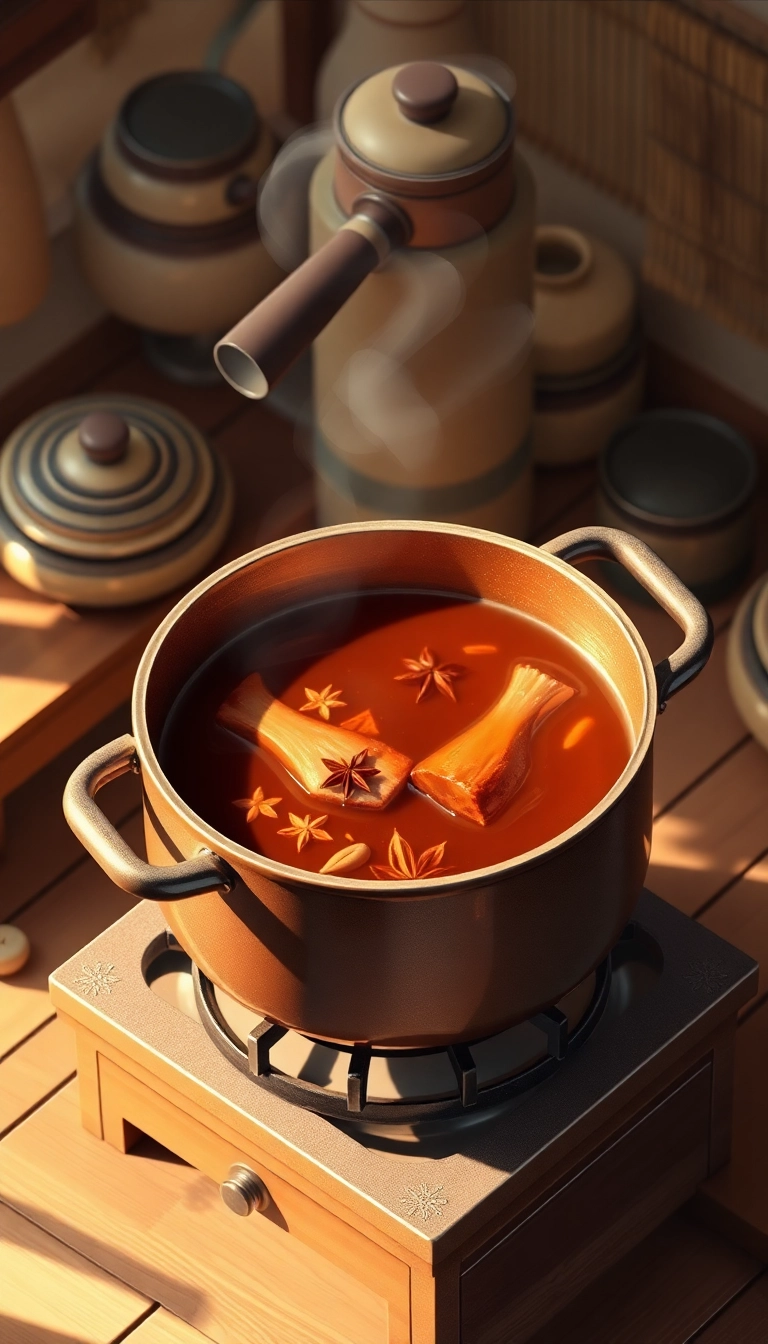
While many associate Phở with Vietnam as a whole, the Northern version holds a special place in my heart. The broth, simmered for hours with fragrant spices like star anise, cinnamon, and cloves, is rich and deeply flavorful. I often add a few extra aromatics like ginger and garlic to enhance the depth of the broth. The key is patience – the longer it simmers, the better it tastes! The slow simmering process allows the flavors of the spices and aromatics to meld together, creating a rich and complex broth that forms the heart of this iconic dish. The quality of the beef broth is paramount; using high-quality beef bones and simmering them for an extended period yields a profoundly flavorful and aromatic base. The addition of carefully selected spices and aromatics enhances the broth’s depth and complexity, resulting in a truly unforgettable culinary experience.
Cha Ca La Vong: Turmeric Fish
Cha Ca La Vong, a Hanoi specialty, is a truly unique dish. Turmeric-marinated fish is pan-fried to crispy perfection, then served with dill, roasted peanuts, and vermicelli noodles. The vibrant yellow color and fragrant turmeric flavor make this a visually stunning and incredibly delicious meal. Don’t be intimidated by the seemingly complex steps; the result is worth the effort! The dish’s origins trace back to the French colonial era, reflecting a unique blend of Vietnamese and French culinary influences. The turmeric not only imparts a beautiful golden hue but also contributes a distinctive earthy warmth to the dish. The combination of crispy fish, fragrant dill, crunchy peanuts, and the delicate vermicelli noodles creates a textural and flavorful masterpiece.
Exploring Northern Vietnamese Street Food
A trip to Northern Vietnam isn’t complete without exploring the bustling street food scene. From Bánh cuốn (steamed rice rolls) to nem rán (fried spring rolls), there’s a huge variety to discover. I encourage you to try as many different dishes as possible – you never know what hidden culinary gems you’ll find! The vibrant street food culture of Northern Vietnam offers a tantalizing array of flavors and textures, showcasing the creativity and culinary ingenuity of local vendors. Each bite tells a story, reflecting the region’s rich history and diverse culinary traditions. From the savory and satisfying Bánh mì to the sweet and refreshing chè (desserts), the street food scene is an essential part of the Northern Vietnamese culinary experience.
Beyond the Classics: Branching Out
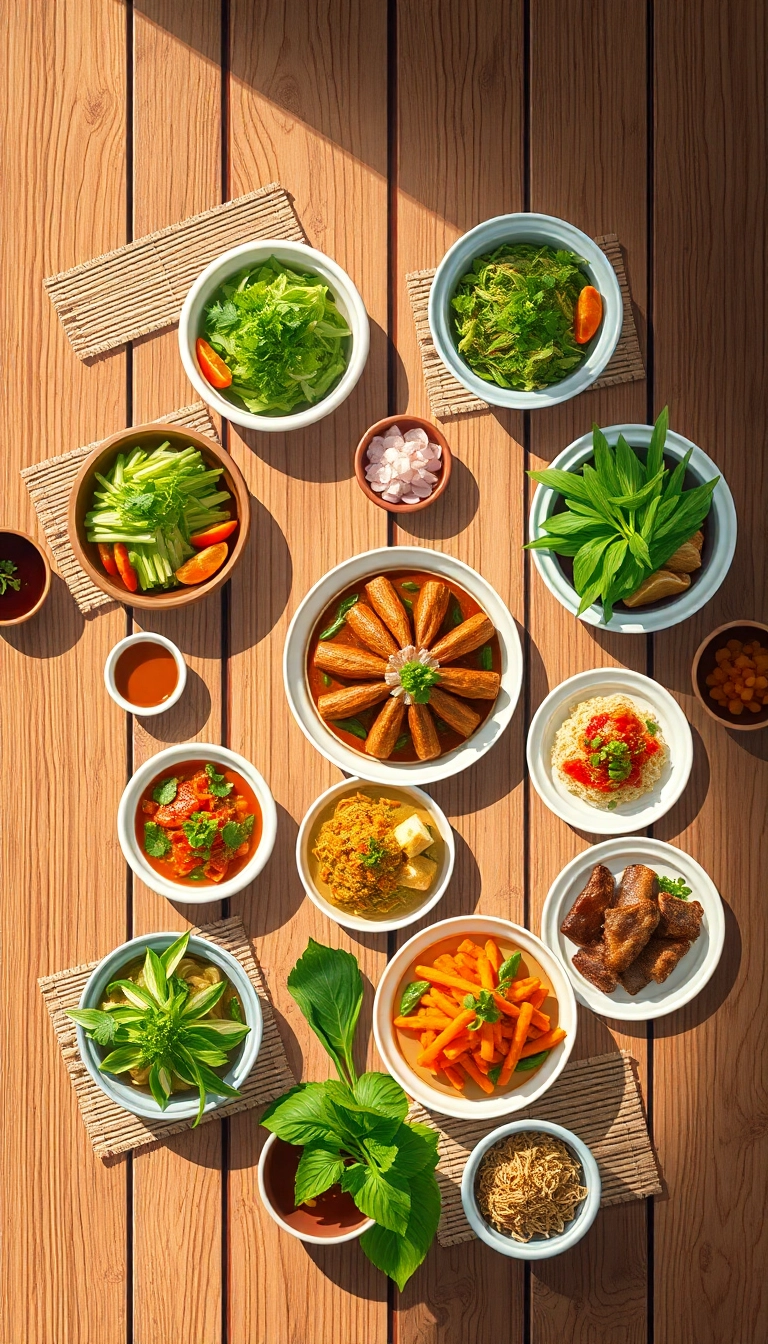
Once you’ve mastered some of the classics, don’t be afraid to explore other regional specialties. Northern Vietnam offers a wealth of diverse dishes, each with its own unique story and flavor profile. Research different regions and try recreating their signature dishes – you’ll be surprised by the variety and depth of Northern Vietnamese cuisine. The mountainous regions, for example, offer dishes that showcase the unique produce and cooking traditions of the highlands. These often incorporate ingredients not found in the lowlands, creating a unique and flavorful culinary experience. Exploring these regional variations will enrich your understanding and appreciation of Northern Vietnamese cuisine.
Savor the essence of Vietnam—follow our culinary recipes guide for delicious results.
Embracing Authentic Flavors
The key to truly enjoying Northern Vietnamese food is to embrace authentic northern Vietnamese cooking recipes. Don’t be afraid to experiment with different ingredients and techniques, and don’t be afraid to ask for help! Find a local Vietnamese market near you – they’re often the best place to find authentic ingredients and get advice from knowledgeable vendors. These markets offer a treasure trove of fresh herbs, spices, and other ingredients that are crucial for recreating authentic Northern Vietnamese dishes. The vendors are often happy to share their knowledge and expertise, providing valuable tips and insights that can elevate your cooking to the next level. Happy cooking! Remember to embrace the process, enjoy the journey of discovery, and savor the delicious results of your culinary explorations!
Get ready to dive into delicious Northern Vietnamese flavors. grilled pork, fresh herbs, and phở await!
You’ll love experimenting with nước chấm and fresh bánh cuốn. So tasty!
Adding some fresh herbs like mint and cilantro will elevate your dishes even more!
Have you tried adding nuoc cham for that extra zing? It’s a game-changer!