
Vietnam stands as a captivating destination for photographers, offering a mesmerizing blend of natural landscapes, vibrant culture, and historical landmarks. Best photography locations in Vietnam include lush rice terraces to bustling markets and ancient temples, presenting an endless array of visual stories waiting to be captured. For avid travelers and professional photographers alike, knowing the top photography spots in Vietnam is essential to craft a compelling visual journey. Understanding the unique characteristics of each location, the best times to visit, and the photographic techniques that work best will significantly enhance your experience and the quality of your images.
1. Ha Long Bay: A Spectacle of Limestone Pillars
Recognized as a UNESCO World Heritage site, Ha Long Bay is renowned for its emerald waters and thousands of towering limestone islands topped with rainforests. The surreal seascape offers breathtaking sunrise and sunset views, perfect for capturing mystical reflections on the water. A boat tour through the bay provides unparalleled photographic opportunities of hidden caves, floating villages, and unique rock formations. For the best light, aim to shoot during the golden hours – shortly after sunrise and before sunset. A wide-angle lens is ideal for capturing the vastness of the bay, while a telephoto lens can isolate specific rock formations and details. Consider using a drone for aerial perspectives that showcase the bay’s intricate beauty. Be aware that weather conditions can change rapidly, so be prepared for mist and fog, which can add a dramatic element to your photos.
2. Hoi An Ancient Town: A Timeless Tale in Every Frame
Stepping into Hoi An feels like entering a living museum. Its well-preserved architecture, lantern-lit streets, and vibrant markets create an idyllic setting for photography, recognized as one of the Vietnam iconic photo spots. Early mornings reveal misty alleys and local fishermen, while evenings are illuminated by colorful lanterns that cast a warm glow. Capturing the interplay of light and shadow here offers a distinct ambiance that encapsulates Vietnam’s cultural heritage. Hoi An is particularly enchanting during the Lantern Festival, which occurs on the 14th day of each lunar month. The streets are closed to traffic, and the entire town is lit by thousands of lanterns, creating a magical atmosphere. Experiment with long exposures to capture the movement of people and the soft glow of the lanterns. Engage with the local community to capture candid portraits that tell stories of everyday life in this historic town. Don’t forget to explore the surrounding countryside, where you’ll find rice paddies and traditional villages that offer a different perspective on Vietnamese culture.
3. The Terraced Rice Fields of Sapa
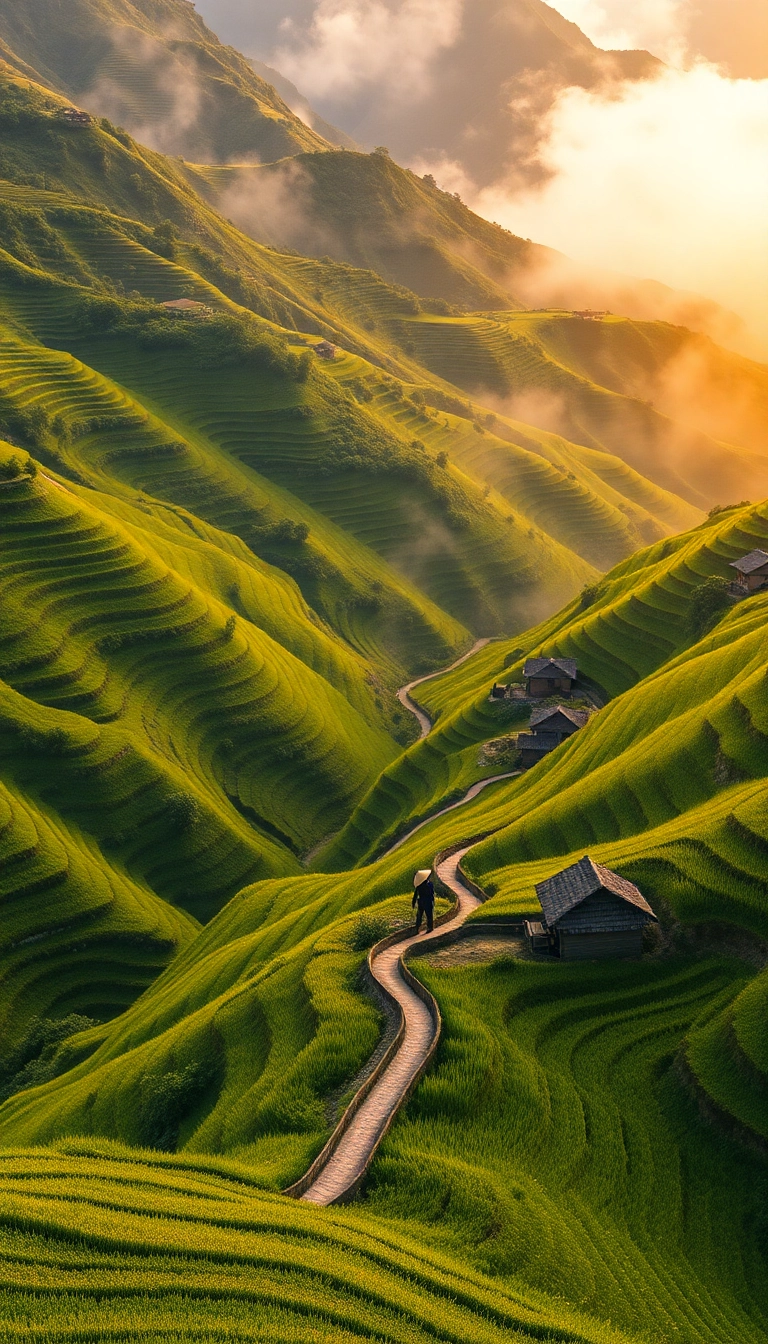
The terraced rice paddies of Sapa present a dramatic landscape that changes with the seasons. In spring and summer, lush green terraces cascade down mountain slopes, while autumn introduces golden hues. Many visitors opt for unique Vietnam photography tours to explore ethnic minority villages, capturing authentic moments of local life amid stunning scenery. The best time to visit Sapa for photography is during the planting season (April-May) or the harvest season (September-October). During these times, the rice terraces are at their most visually stunning. Trekking through the valleys allows you to capture the scale and beauty of the landscape. Interact respectfully with the local Hmong and Dao communities, and ask for permission before taking photos of individuals. A polarizing filter can help reduce glare and enhance the colors of the rice paddies. Be prepared for challenging weather conditions, including rain and fog, and bring appropriate gear to protect your equipment.
4. The Vibrant Streets of Ho Chi Minh City
The bustling metropolis of Ho Chi Minh City offers a dynamic urban backdrop for street photography. From the chaotic markets of Ben Thanh to the towering skyscrapers of District 1, every corner buzzes with life. Street vendors, motorbikes, and colonial architecture create a vibrant tapestry of Vietnamese city life. Night scenes with neon lights further enhance the city’s energetic atmosphere. Ho Chi Minh City is a street photographer’s paradise. Capture the energy of the city by focusing on candid moments and the interactions between people. Explore the different districts to discover unique architectural styles and cultural influences. Experiment with different lenses, from wide-angle to telephoto, to capture a variety of perspectives. Be mindful of your surroundings and respect local customs. The early morning hours are ideal for capturing the city before it becomes too crowded. Don’t be afraid to venture off the beaten path and explore the hidden alleyways and local neighborhoods.
5. Phong Nha-Ke Bang National Park: Nature’s Masterpiece
Home to some of the world’s most spectacular caves, Phong Nha-Ke Bang is a haven for explorers and photographers alike. The stunning karst landscapes, underground rivers, and lush jungle scenery provide a diverse range of photographic subjects. The majestic Son Doong Cave, the largest in the world, offers surreal interior shots that captivate viewers. Exploring the caves of Phong Nha-Ke Bang requires specialized equipment and guided tours. Obtain the necessary permits and hire experienced guides to ensure your safety and maximize your photographic opportunities. Use a wide-angle lens to capture the scale of the caves and a tripod for sharp, long-exposure shots in low-light conditions. The jungle surrounding the caves offers opportunities for wildlife photography, so bring a telephoto lens and be patient. Be aware of the humidity and protect your equipment accordingly. The dry season (February to August) is the best time to visit for photography, as the weather is more predictable.
6. The Ancient Hue Citadel: A Glimpse into Imperial Vietnam
The historic Hue Citadel stands as a testament to Vietnam’s imperial past. Its massive walls, ancient palaces, and tranquil gardens create an ideal setting for capturing the grandeur of Vietnam’s royal heritage. Early morning or late afternoon light enhances the intricate details of the architecture, offering a regal backdrop for memorable photographs. The Hue Citadel is best photographed during the golden hours, when the light is soft and warm. Explore the different sections of the citadel, including the Imperial City, the Forbidden Purple City, and the Royal Tombs. A wide-angle lens is useful for capturing the scale of the architecture, while a telephoto lens can isolate intricate details. Look for opportunities to capture reflections in the moats and ponds surrounding the citadel. Consider visiting during the Hue Festival, which takes place every two years and features cultural performances and events that enhance the photographic experience.
7. The Coastal Beauty of Nha Trang
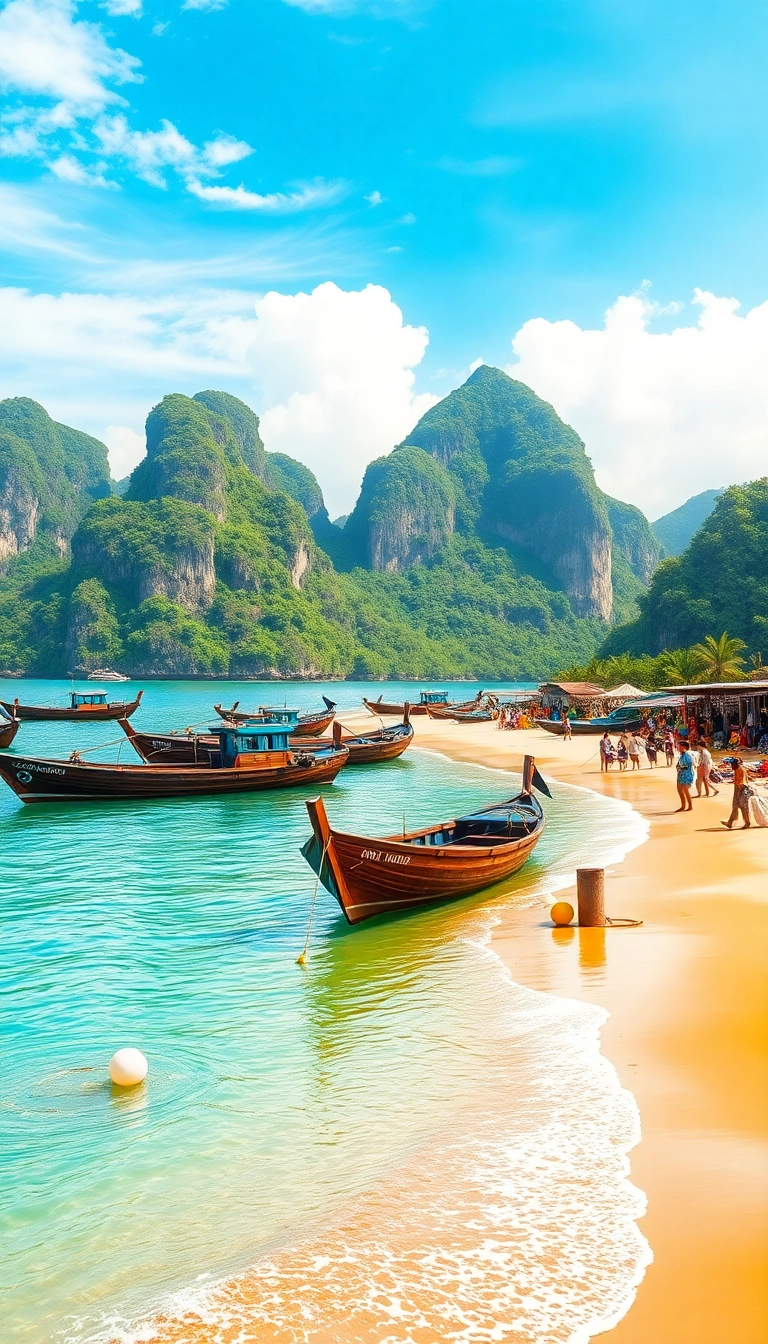
With its pristine beaches, turquoise waters, and vibrant marine life, Nha Trang is a coastal paradise. The beachfront promenades, colorful fishing boats, and coral reefs provide diverse photographic opportunities. Water sports, sunset vistas, and the bustling night market add to the city’s visual appeal, making it a must-visit for seaside photography enthusiasts. Nha Trang offers a variety of photographic opportunities, from beach scenes to underwater photography. Capture the vibrant colors of the fishing boats and the bustling activity of the night market. Use a polarizing filter to reduce glare on the water and enhance the colors of the sky. Consider taking a boat trip to the surrounding islands for snorkeling and diving opportunities. A waterproof camera or housing is essential for underwater photography. The dry season (January to September) is the best time to visit for clear skies and calm seas.
A Floating Wonderland
The Mekong Delta is a labyrinth of rivers, swamps, and islands, offering a unique perspective on rural Vietnamese life. Floating markets, traditional boats, and lush orchards are vivid subjects for capturing daily life in Vietnam. Early mornings are particularly picturesque, with mist rising over the water and boats bustling with activity. The Mekong Delta is best explored by boat. Hire a local guide to navigate the waterways and provide insights into the local culture. Visit the floating markets early in the morning to capture the vibrant activity and the interactions between vendors and customers. A telephoto lens is useful for capturing candid shots of people on the boats. Look for opportunities to photograph the lush landscapes and the traditional houses along the riverbanks. Be respectful of the local communities and ask for permission before taking photos. The dry season (December to May) is the best time to visit for pleasant weather and clear skies.
Unlock the secrets of Vietnam with our ultimate Vietnam travel tips for a memorable adventure.
Vietnam’s diverse landscapes and rich cultural tapestry make it an unparalleled destination for travel photographers. Best photography locations in Vietnam present unique opportunities to capture the essence of this vibrant country—from natural wonders and historical sites to lively urban scenes. Each location presents unique opportunities to capture the essence of this vibrant country—from natural wonders and historical sites to lively urban scenes. For photographers seeking to expand their portfolio with authentic, breathtaking images, these top spots are indispensable. Remember to respect local customs, be mindful of your surroundings, and always seek permission before photographing individuals. With careful planning and a keen eye, you can capture stunning images that tell the story of Vietnam’s beauty and culture. Embark on this visual journey and discover Vietnam’s hidden photographic gems that promise to inspire and enthrall at every turn.
Have you ever thought about how Vietnam’s landscapes and culture can transform your photography? Ha Long Bay and Hoi An are stunning, but don’t forget the terraced rice fields in Sapa! They’re breathtaking, especially with those vibrant seasonal colors. Also, the lively streets of Ho Chi Minh City are perfect for capturing authentic moments and energy. There’s just so much beauty and life to photograph!
Vietnam’s photography spots are stunning! Don’t forget Ho Chi Minh City’s vibrant streets and Phong Nha’s landscapes!
Have you checked out the rice terraces in Sapa? They’re breathtaking!
The rice terraces in Sapa are breathtaking, and you’ll love the vibrant culture! Thanks for sharing!
Vietnam has stunning photography spots like rice terraces, Ho Chi Minh City, and Hoi An’s lanterns.
Don’t forget about the stunning caves in Phong Nha! Got any tips?
And don’t forget to check out Hạ Long Bay’s breathtaking views too!