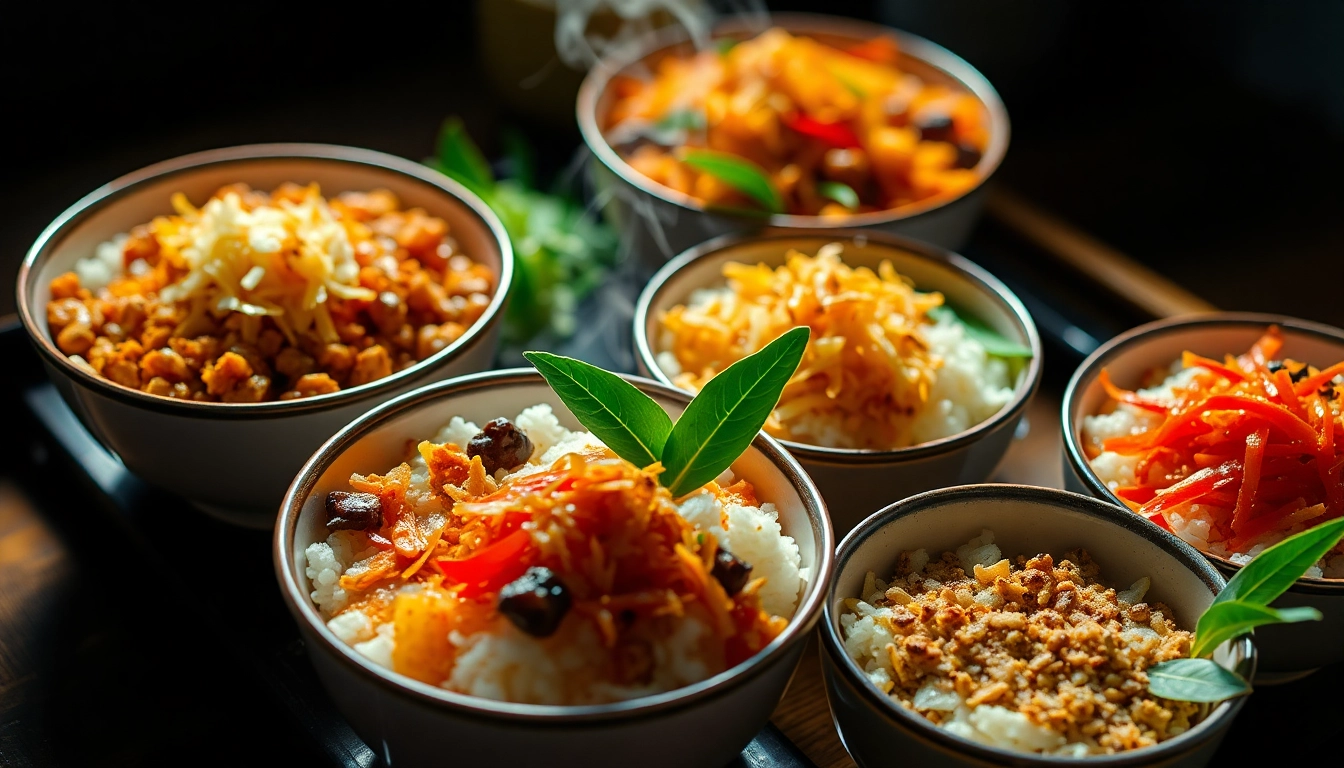
Whenever I think of Vietnam, my mind instantly drifts to its vibrant markets, aromatic street foods, and most notably, the irresistible sweetness of easy Vietnamese sweet sticky rice. There’s something truly enchanting about the way sticky rice acts as a canvas for rich flavors and textures. It’s a staple that’s deeply rooted in Vietnamese culture, and I’m excited to share with you the magic of making and enjoying these delightful recipes.
The Cultural Significance of Sticky Rice in Vietnam
Sticky rice, or “xôi” as it’s called locally, isn’t just food; it’s a symbol of celebration, unity, and tradition. From weddings to festivals, sticky rice dishes are present in almost every important occasion. If you’re interested in how to make Vietnamese sticky rice, it’s a great way to connect with this cultural heritage. I remember attending a local wedding where the aroma of freshly steamed xôi filled the air, creating a warm, festive atmosphere. This dish connects generations, preserving age-old recipes that have been passed down for centuries. Understanding this cultural backdrop makes every bite even more meaningful.
Essential Ingredients for Authentic Vietnamese Sticky Rice
If you want to master the art of authentic Vietnamese sticky rice dessert, start with quality ingredients. The key components include high-quality glutinous rice, which is different from regular rice due to its sticky, chewy texture when cooked. For flavoring, coconut milk, sugar, and salt are fundamental. Fresh fruits like bananas or mangoes, and toppings such as roasted sesame seeds or shredded coconut, elevate the experience. Personally, I prefer using fragrant pandan leaves for a subtle aroma—trust me, it makes a difference!
Preparing the Perfect Sticky Rice
Getting that perfect sticky rice texture is both an art and a science. I always rinse the rice thoroughly until the water runs clear to remove excess surface starch. Then, soak the rice for at least 4 hours, or overnight if possible. For those eager to try easy Vietnamese sweet sticky rice, this step ensures even cooking and a chewy, cohesive consistency. When cooking, I prefer steaming over boiling—using a traditional bamboo steamer for authentic flavor. Remember to keep the lid on tight to trap the steam, resulting in perfectly fluffy, sticky rice.
Classic Vietnamese Sticky Rice Recipes
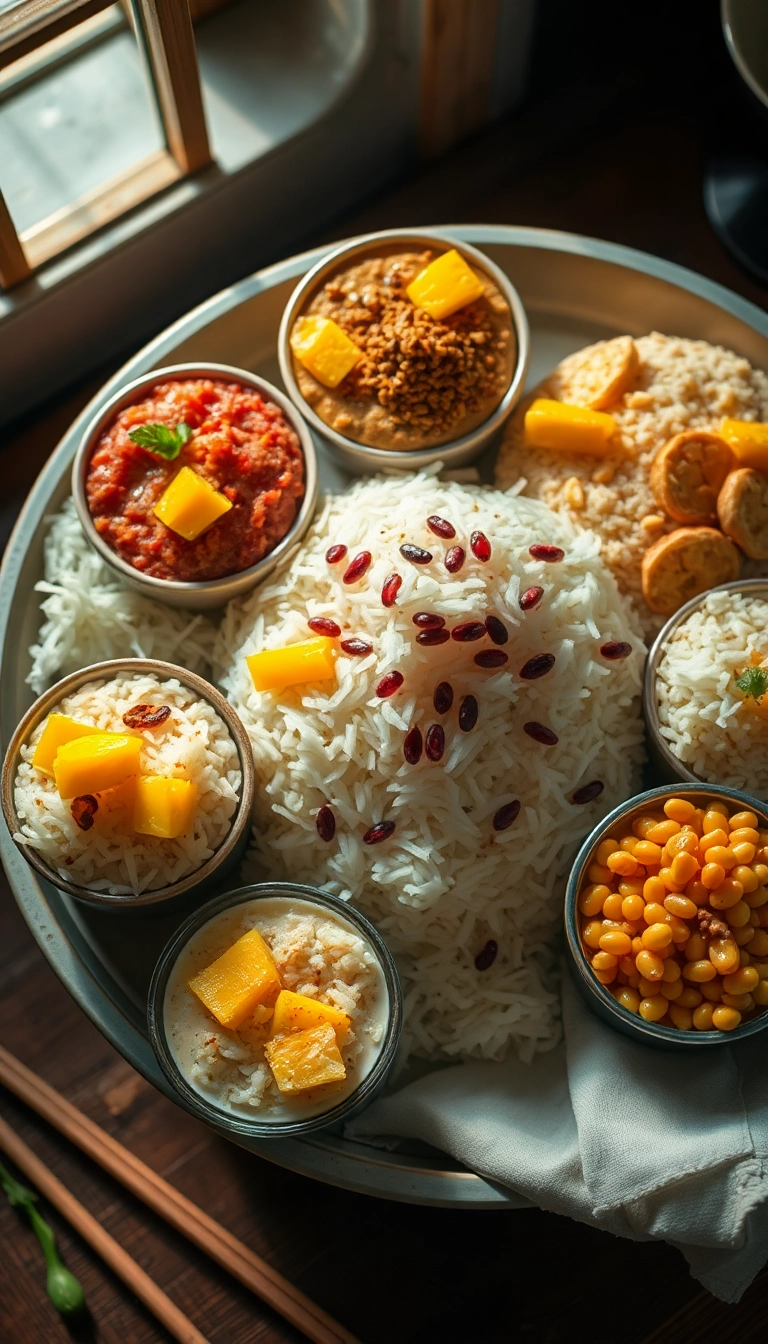
There’s a whole world of sticky rice recipes in Vietnam, each with its unique twist. Let me introduce you to some classics that I’ve loved experimenting with, including learning how to make Vietnamese sticky rice at home.
1. Xôi Gấc (Red Fruit Sticky Rice)
This vibrant dish features the bright red color of gấc fruit, which is rich in vitamin A. The rice is cooked with gấc pulp, coconut milk, and a touch of sugar, creating a visually stunning and deliciously sweet treat. I love serving it during Tet, the Vietnamese New Year, as it symbolizes prosperity and good luck.
2. Xôi Đậu Xanh (Sticky Rice with Green Beans)
This comforting dish combines soft sticky rice with sweetened mung beans. The beans are cooked until tender and layered between or mixed with the rice. I often top it with shredded coconut for added richness. It’s a wholesome snack or dessert that’s both filling and flavorful.
3. Xôi Mặn (Savory Sticky Rice)
Unlike the sweet variants, xôi mặn is a savory delight. It includes ingredients like salted eggs, pork floss, fried shallots, and sometimes sausage or shredded chicken. I enjoy having it for breakfast with a splash of soy sauce—perfect for starting the day energized!
Sweet Toppings and Pairings
One of the things I adore about Vietnamese sticky rice is how versatile it is when it comes to toppings and pairings. Fresh fruits such as ripe bananas, mangoes, or lychee add a burst of natural sweetness. For an authentic Vietnamese sticky rice dessert, shredded coconut, roasted sesame seeds, or crushed peanuts introduce delightful crunch and aroma. For a more indulgent experience, drizzle some honey or coconut caramel over your dish. These toppings truly transform a simple serving into a festival of flavors.
The Art of Flavor Balancing
Vietnamese desserts are renowned for their perfect harmony of sweet, salty, and aromatic flavors. When preparing sticky rice, I always taste and adjust the sweetness with sugar or coconut milk. Using a pinch of salt enhances the richness and balances the sweetness. Incorporating pandan leaves or vanilla can add a subtle aroma that elevates the entire dish. Remember, the key is moderation—let each ingredient shine without overpowering the others.
Cooking Tips for Beginners
If you’re new to making sticky rice, don’t worry! I’ve learned a few tricks along the way:
- Always soak the rice long enough—this is crucial for achieving that perfect chewy texture.
- Use a bamboo steamer if you can—that authentic aroma really makes a difference.
- Don’t lift the lid too often during steaming; it releases steam and affects cooking time.
- Experiment with flavorings like pandan or ginger to find what you love most.
- Practice makes perfect—don’t be discouraged if your first attempt isn’t flawless. Each try gets better!
Storing and Reheating Sticky Rice
Leftover sticky rice can be stored in an airtight container in the fridge for up to two days. To reheat, I prefer steaming it again rather than microwaving, as this preserves its moist, chewy texture. If you notice it drying out, sprinkle a little coconut milk or water and steam until heated through. This way, the rice remains luscious and delicious, almost as if freshly made.
Where to Find Authentic Vietnamese Sticky Rice
If you’re not in Vietnam, don’t worry—many Asian grocery stores stock glutinous rice and traditional ingredients. I recommend looking for brands that specify “sticky rice” or “glutinous rice.” For fresh toppings like coconut or pandan leaves, specialty stores or online shops are your best bet. Alternatively, you can visit Vietnamese restaurants or street vendors—nothing beats tasting authentic sticky rice in its homeland, but recreating it at home is equally rewarding.
My Personal Favorite Sticky Rice Creation
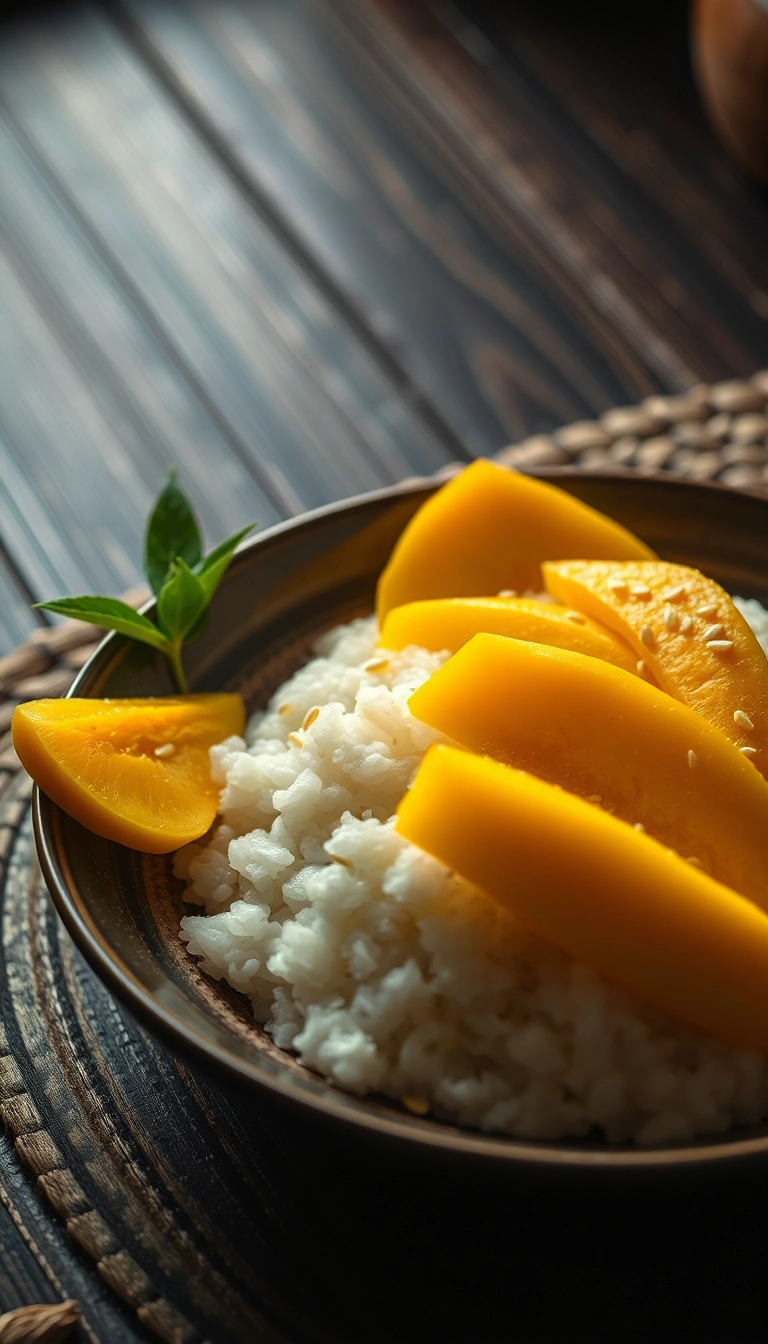
Over the years, I’ve developed a soft spot for a simple yet decadent dish—coconut sticky rice with ripe mango. Preparing an authentic Vietnamese sticky rice dessert like this during mango season lets me indulge, layering the fragrant, coconut-infused rice with slices of sweet, juicy mango. Topped with toasted sesame seeds and a drizzle of honey, it’s a symphony of textures and flavors. It’s so easy to prepare, yet it feels like a special treat every time. I highly encourage you to try it; I guarantee it will become one of your favorites too!
From regional specialties to popular dishes, explore it all with our Vietnam food guides and tips.
Final Tips for Your Sticky Rice Journey
Embarking on making traditional Vietnamese sticky rice is a delightful adventure. My best advice? Be patient and attentive. The process might seem simple, but the magic lies in the details—quality ingredients, proper soaking, gentle steaming, and thoughtful toppings. Don’t hesitate to experiment with flavors and presentation. Sticky rice is incredibly forgiving and adaptable, making it perfect for both novice cooks and seasoned chefs alike.
Join the Sticky Rice Celebration!
Now that you know the secrets, I invite you to dive into the world of Vietnamese sticky rice. Whether you’re preparing a festive dish for a special occasion or simply craving a comforting snack, these recipes and tips will guide you every step of the way. For beginners, starting with easy Vietnamese sweet sticky rice is a fantastic option. Remember, each bowl of sticky rice is a little piece of Vietnam’s rich cultural heritage—so enjoy every bite and share the joy with friends and family. Happy cooking, and may your kitchen be filled with the irresistible aroma of sweet, sticky goodness!
What’s your favorite twist on traditional sticky rice? I love experimenting with toppings like sesame seeds!
Have you ever tried adding roasted peanuts or fresh fruit to your sticky rice? It’s delicious!