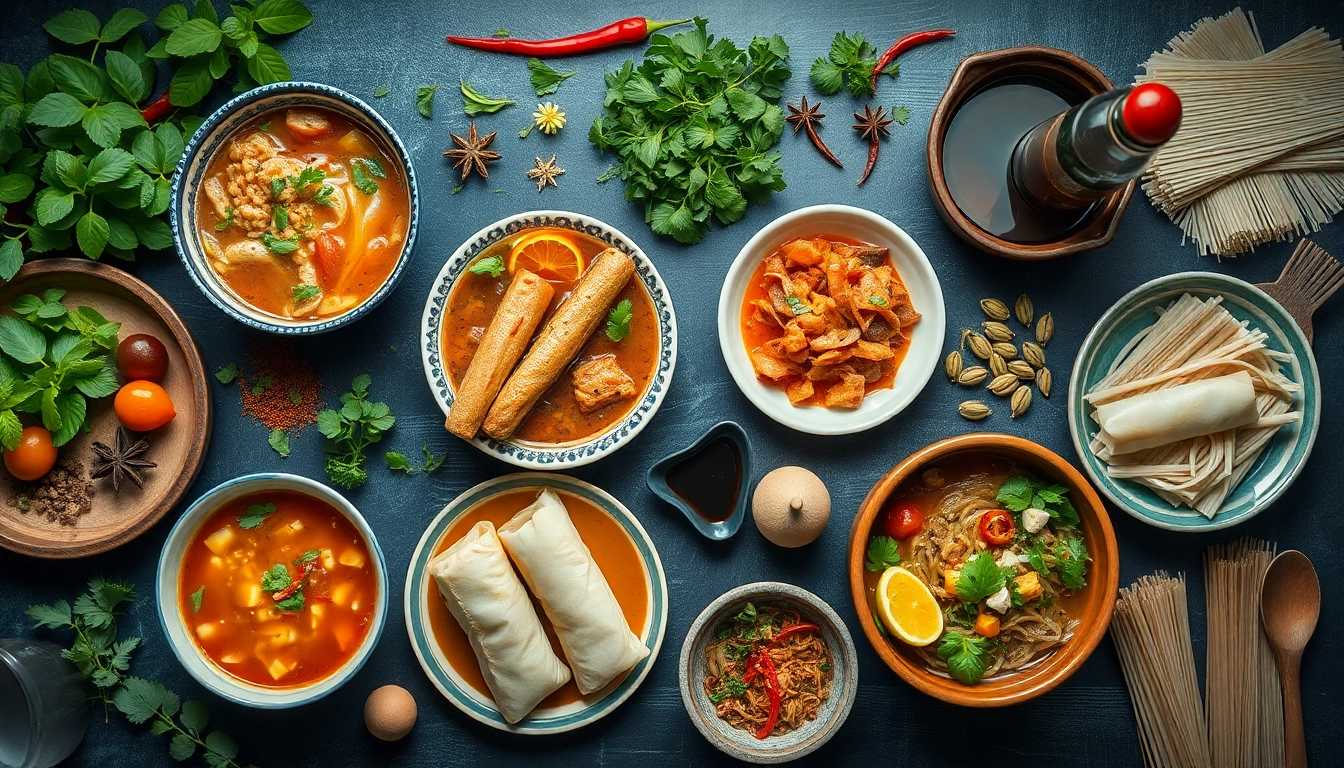
When I first traveled across Vietnam, I was struck by how each region seemed to have its own unique culinary identity. It was like tasting different worlds within a single country. If you’re a food lover or simply curious about Vietnamese cuisine, understanding these regional differences can truly deepen your appreciation and inspire your own cooking adventures. Today, I’ll share my insights and practical tips to help you grasp the essence of Vietnam’s diverse flavors through authentic Vietnamese regional recipes.
The North: Subtle Flavors and Fresh Ingredients
The northern region of Vietnam, especially around Hanoi, is known for its delicate and nuanced flavors. I remember the first time I tried Pho in Hanoi—its clear broth, fragrant with herbs, and the minimal use of spices really highlighted the quality of fresh ingredients. North Vietnamese cuisine tends to favor lighter seasoning, relying on the natural taste of meats, vegetables, and herbs. If you want to recreate these flavors at home, focus on using fresh herbs like mint, cilantro, and Thai basil, and opt for light, clear broths rather than heavy sauces.
Practical tip:
When making a northern-style Pho, avoid overwhelming the broth with too much spices. Instead, simmer bones slowly to extract deep flavors, and finish with fresh herbs just before serving for that signature aromatic touch.
The Central Highlands and Central Vietnam: Bold and Spicy
Moving southward, I found that Central Vietnamese cuisine is all about bold flavors and a good kick of spice. Places like Hue and Da Nang serve dishes with complex seasoning, often combining lemongrass, chili, and fermented sauces. Hue, in particular, is famous for its imperial cuisine with dishes like Bun Bo Hue, which boasts a spicy, aromatic broth with a rich, savory depth. For a taste of this region, I suggest experimenting with chili oil, fermented shrimp paste, and lemongrass in your recipes.
Practical tip:
Don’t be shy with chili when cooking Central Vietnamese dishes. Roast or fry chili for an added smoky flavor, and remember that balancing spice with acidity—like a squeeze of lime—can elevate the dish.
The South: Sweetness, Freshness, and Bold Aromatics
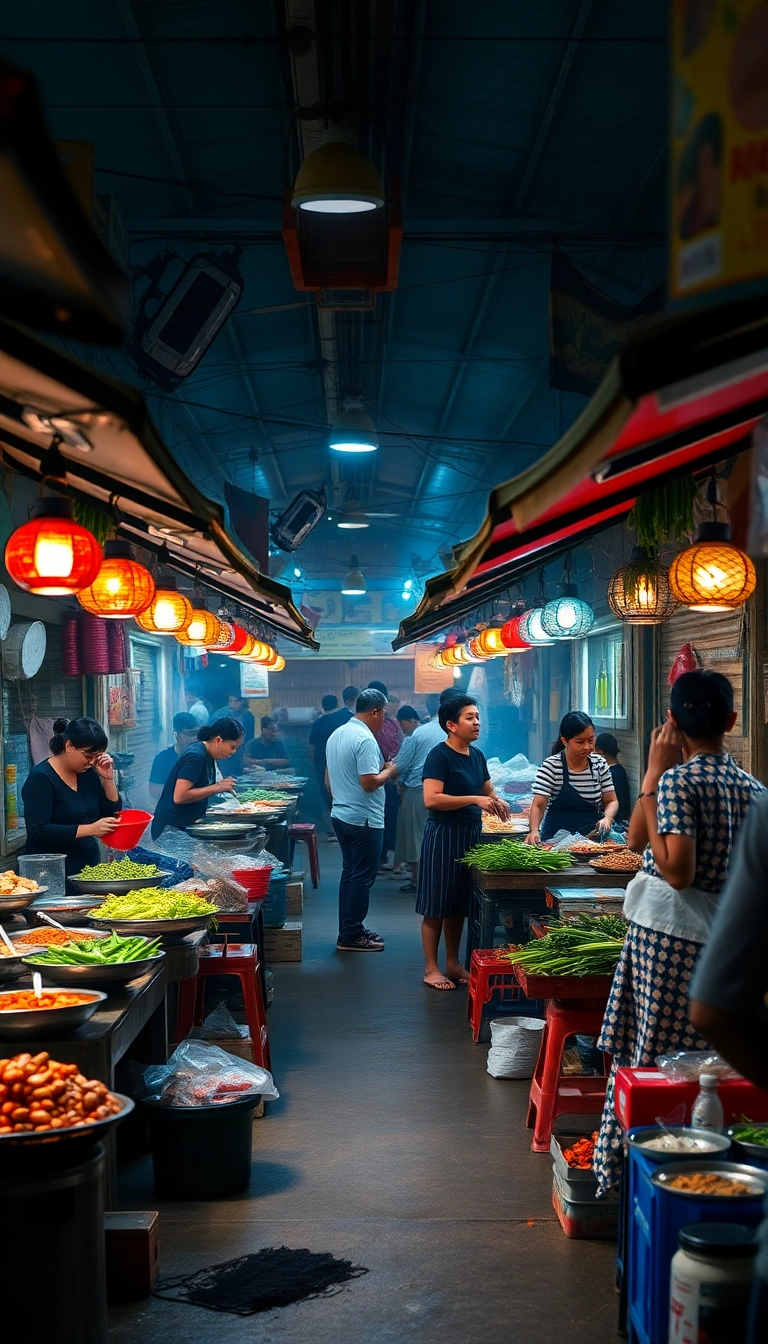
South Vietnam, especially around Ho Chi Minh City, is where I found the most vibrant, lively flavors. The cuisine here often incorporates more sugar and tropical fruits, making dishes slightly sweeter and more aromatic. I love the freshness of southern dishes like Goi Cuon (spring rolls) and the use of coconut milk and pineapple in various recipes. The region’s food is characterized by its balance of sweet, sour, salty, and spicy elements, which makes it incredibly appealing and approachable.
Practical tip:
When preparing southern-style dishes, be generous with herbs and fresh vegetables. Incorporate sweet elements like pineapple or sugar to mimic the regional balance, and don’t forget a splash of fish sauce for that umami depth.
Key Ingredients That Define Regional Flavors
One of the most fascinating aspects of Vietnamese cuisine is how Vietnamese food regional variations are shaped by local ingredients. For example, in the North, dried shrimp and subtle herbs dominate, while the Central region relies heavily on fermented sauces and lemongrass. The South favors tropical fruits, coconut milk, and a broader use of sugar. Understanding these ingredients is crucial for recreating authentic flavors at home.
Practical tip:
Stock your pantry with regional staples like fish sauce, fermented shrimp paste, lemongrass, and dried herbs. These essentials will help you adapt recipes to match regional profiles effortlessly.
Regional Recipes to Try at Home
Nothing beats learning through cooking. I recommend starting with some of the best Vietnamese regional dishes from each region to familiarize yourself with their flavors:
- North: Pho – Light, aromatic beef noodle soup. Use clear broth and fresh herbs.
- Central: Bun Bo Hue – Spicy beef noodle soup with lemongrass and fermented shrimp paste.
- South: Goi Cuon – Fresh spring rolls packed with herbs, shrimp, and vegetables.
- Central Highlands: Grilled lemongrass chicken – Marinated with regional spices and grilled to perfection.
- South: Canh Chua – Sweet and sour fish soup with pineapple and tamarind.
Trying these recipes will give you a tangible feel for how regional ingredients and techniques influence flavor profiles.
Adapting Recipes to Personal Tastes
One of the joys of exploring regional Vietnamese cuisine is making it your own. I encourage you to experiment with ingredients—adjust spice levels, herbs, or sweetness—based on your preferences. For example, if you love spicy food, amp up the chili in Central dishes. If you prefer milder flavors, tone down the seasoning but keep the core ingredients intact. Remember, authenticity in authentic Vietnamese regional recipes is important, but personalization makes the experience even more rewarding.
Understanding Cultural Significance Through Food
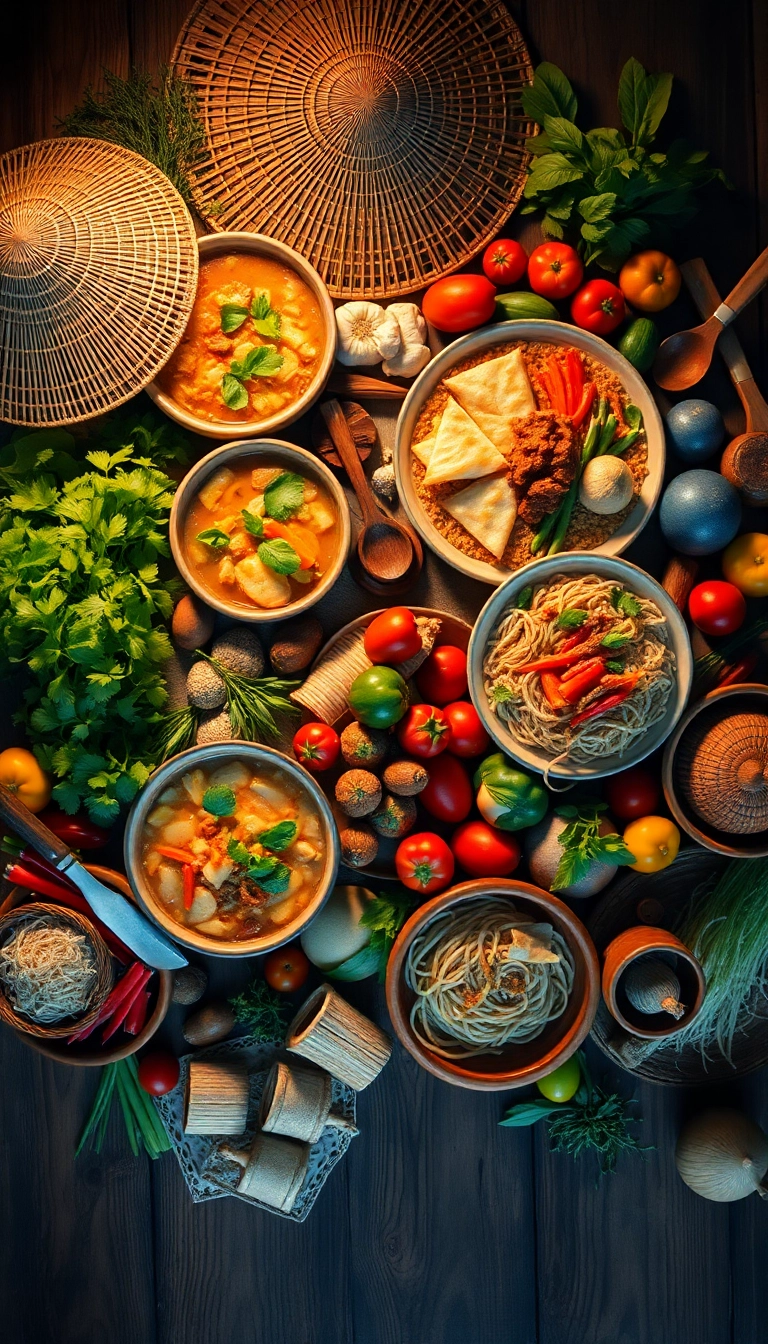
Beyond flavors, each regional dish tells a story about local history, culture, and environment. I’ve learned that the North’s subtle flavors reflect its cooler climate and emphasis on refined culinary techniques. The Central region’s complex seasonings mirror a history of imperial influence and diverse cultural exchanges. The South’s vibrant, sweet, and spicy dishes echo its tropical environment and openness to foreign influences. Appreciating these stories enhances your culinary journey and deepens respect for Vietnam’s rich cultural tapestry.
Create home-cooked comfort meals—browse simple Vietnamese recipes perfect for beginners.
Your Culinary Adventure Awaits
Embarking on the journey of understanding Vietnamese regional cuisines is both exciting and rewarding. Whether you’re cooking in your own kitchen or dining at local eateries, paying attention to regional differences will transform your experience from simple eating to cultural exploration. I encourage you to try recipes from all three regions, experiment with ingredients, and embrace the vibrant diversity that makes Vietnamese food so special. Happy cooking, and I hope your taste buds enjoy every flavorful moment of this incredible culinary adventure!
Have you ever thought about how history shapes Vietnamese cuisine’s spices and flavors? It’s fascinating!
It’s incredible to see how history has woven itself into the tapestry of Vietnamese cuisine, influencing every spice and flavor. Each region reflects its unique past, making every dish tell a story that connects to its cultural heritage. You might find yourself craving something new after learning about these regional flavors!
I love how Northern Vietnamese food is all about fresh herbs! Just perfect for Pho! 😊 If you’re feeling adventurous, why not try making a traditional Vietnamese bánh mì? It’s like a flavor party with crusty bread, savory meats, pickles, and fresh herbs. Seriously, every bite is a delight!
Vietnam’s street food showcases unique regional flavors, and learning traditional cooking methods deepens appreciation.
Those traditional methods really connect us to the culture and history behind the dishes.