
I’ve always been captivated by the vibrant flavors of Vietnamese cuisine. The fragrant herbs, the zesty sauces, the perfect balance of sweet and savory – it’s a symphony for the taste buds. But nothing quite compares to the rich, intoxicating aroma of Thit Kho Tau – Vietnamese caramelized pork. This dish holds a special place in my heart, a taste of home and a gateway to countless delicious memories. And today, I’m going to share my recipe with you, so you can experience the magic too. Easy Vietnamese caramelized pork belly is accessible for anyone looking to try this traditional favorite, whether you are a seasoned home cook or just beginning your culinary adventure.
The Allure of Thit Kho Tau: More Than Just a Recipe
More than just a recipe, Thit Kho Tau is a culinary tradition that has been passed down through generations of Vietnamese families. It’s the kind of dish that evokes feelings of warmth, family gatherings, and comforting nostalgia. The deep, dark caramel glaze isn’t just visually stunning; it’s a testament to the slow, patient cooking process that unlocks the pork’s incredible tenderness and flavor. The dish is often prepared during special occasions, holidays, or simply as a weekend family meal, fostering a sense of togetherness around the dinner table. Authentic Vietnamese braised pork recipe like this one highlights the cultural heritage behind every bite, offering both nourishment and a connection to cultural roots.
Gathering Your Ingredients: A Pantry Adventure
Before we embark on this culinary adventure, let’s gather our ingredients. You’ll need a good quality pork belly, approximately 1.5 pounds, which provides the perfect balance of meat and fat—ensuring a tender, juicy result. Fresh garlic and shallots are essential for building the rich base of flavors. Fish sauce, often called “nuoc mam,” is the star of many Vietnamese dishes, providing that signature savory umami depth. Soy sauce adds a subtle sweetness and complexity, balancing the richness of the pork. Rock sugar, or granulated sugar as a substitute, will be used for caramelization, giving the dish its characteristic glossy, dark glaze. Black pepper adds a gentle heat that enhances the flavors without overpowering them. Don’t worry if you don’t have all these ingredients; a trip to your local Asian market can be an exciting adventure, exposing you to a variety of spices and condiments that can elevate your cooking.
The Art of Caramelization: Patience and Precision
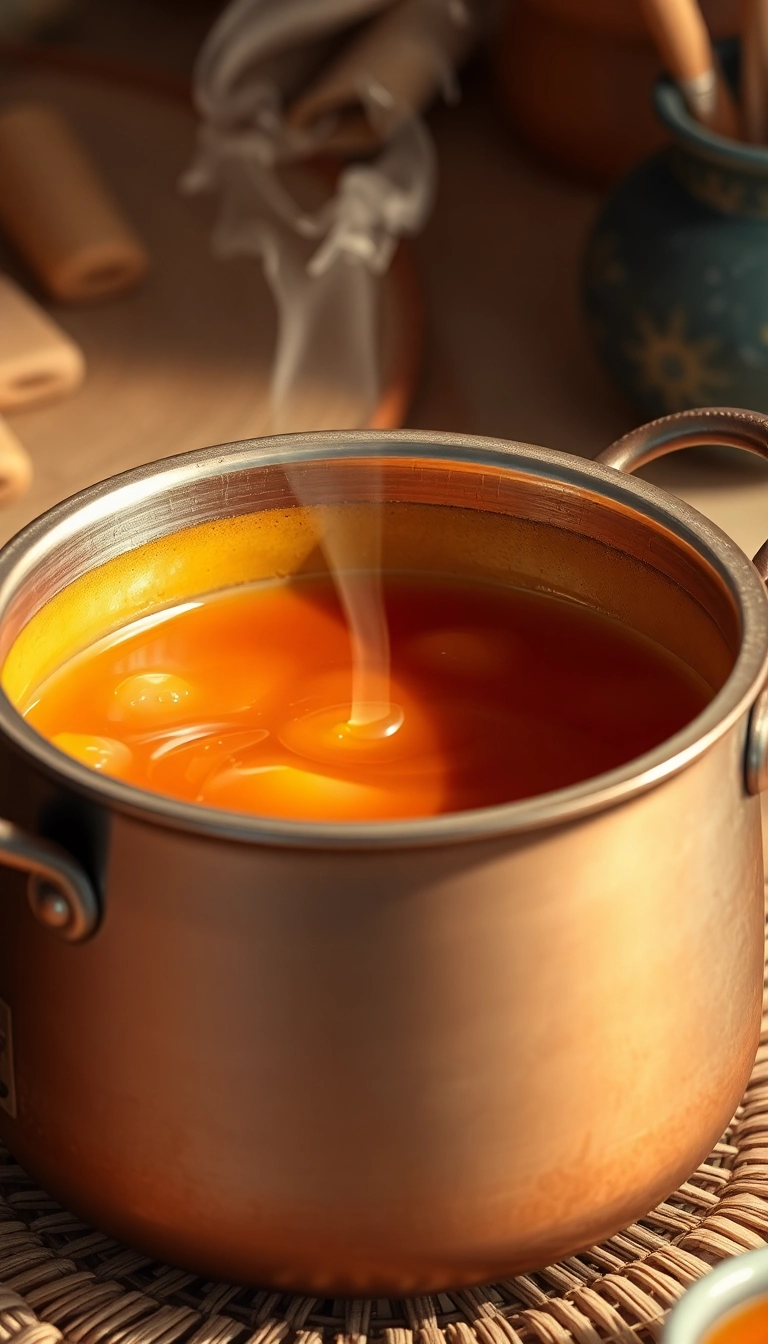
The magic of Thit Kho Tau lies in the caramelization process, which requires patience and attention to detail. This is where the rock sugar transforms into a glossy, rich caramel coating that imparts the dish’s distinctive flavor and color. I recommend using a heavy-bottomed pot or Dutch oven to prevent the sugar from burning and to ensure even heat distribution. Melt the sugar over medium heat, stirring constantly to prevent sticking or burning, until it turns a deep amber color—this is a crucial step that requires careful observation. The aroma of caramelizing sugar is intoxicating and signals that you’re on the right track. Be vigilant; if the sugar starts to turn too dark or smells burnt, it’s essential to remove it from the heat immediately and start over to avoid bitterness. The goal is to achieve a smooth, shiny caramel that will evenly coat the pork and meld into the sauce, creating that beautiful, glossy glaze that’s the hallmark of this dish.
Mastering the Caramel: Tips and Tricks
A few key tips for perfect caramelization include using a heavy-bottomed pot to distribute heat evenly and prevent hotspots. Stir constantly with a wooden spoon or heat-resistant spatula to ensure the sugar melts uniformly. Patience is vital; rushing the process can lead to burnt sugar, which will ruin the flavor. If you notice the sugar starting to burn or smoke, remove the pot from the heat immediately and lower the temperature. Once the caramel is ready, quickly add the garlic and shallots—be cautious, as the hot caramel may splatter—and sauté until fragrant. This step adds depth and aroma that will permeate the entire dish. The caramelized sugar acts as both a flavor enhancer and a natural coloring agent, so don’t skip this crucial process. Flavorful caramelized pork belly recipe relies on these techniques to achieve its full potential, with practice adding a new layer of confidence and artistry to your cooking repertoire.
Building the Flavor Profile: A Symphony of Spices
Once the caramel is ready, add the garlic and shallots, sautéing until fragrant and translucent. These aromatics are fundamental to building the base of the dish, imparting a savory depth that complements the sweetness of the caramel. Then, add the pork belly pieces, ensuring each one is well coated in the caramel mixture. This step allows the pork to absorb the rich flavors and develop a beautiful, shiny glaze. Pour in the fish sauce and soy sauce, which bring umami and saltiness to the dish, balancing the sweetness. Season with black pepper, and add enough water to nearly cover the pork—this will be the simmering liquid that tenderizes the meat while infusing it with flavor. You can also add optional ingredients like hard-boiled eggs or toasted shallots to customize your Thit Kho Tau. The combination of these ingredients creates a complex, layered flavor profile that is both comforting and exciting to the palate. The slow simmering process is where all these flavors meld together, transforming simple ingredients into a harmonious masterpiece.
The Slow Simmer: Patience Yields Perfection
Bring the mixture to a gentle simmer over medium heat, then reduce the heat to low. Cover the pot partially or completely, depending on your preference, and let it cook slowly for at least 1.5 to 2 hours. During this time, the pork belly becomes incredibly tender, almost falling apart at the touch of a fork. The slow simmering allows the flavors to penetrate deep into the meat, resulting in a melt-in-your-mouth experience that is the hallmark of a well-made Thit Kho Tau. Throughout the cooking process, occasionally check the liquid level and add a little hot water if necessary to keep the pork partially submerged. This helps prevent burning and ensures the pork remains moist. The longer you cook it, the more the flavors deepen and intensify. Many enthusiasts believe that the best Thit Kho Tau is achieved with patience—allowing the dish to cook slowly and absorb all those delicious flavors. The aroma that wafts from the pot during this time is simply irresistible, filling your kitchen with memories of family kitchens in Vietnam.
Serving Your Masterpiece: A Feast for the Senses
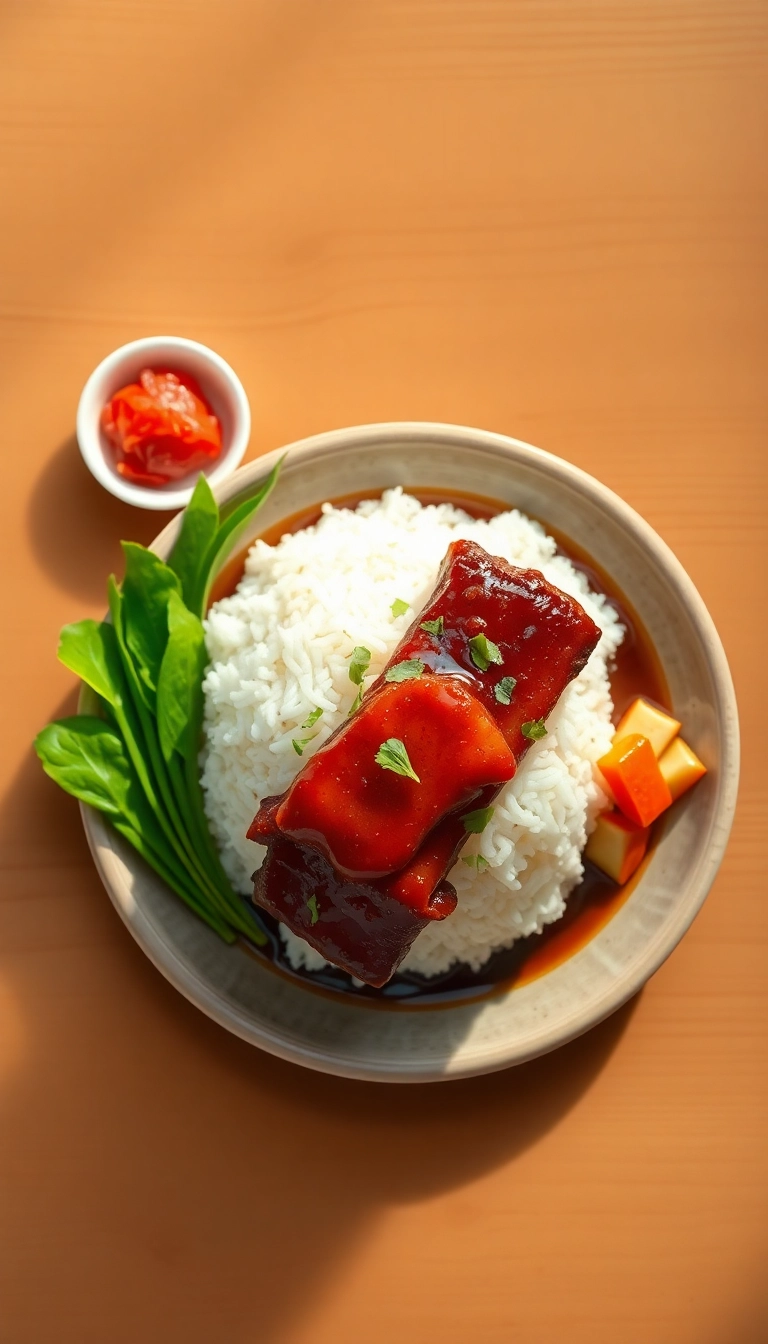
Once the pork is cooked to perfection, carefully remove it from the pot and let it rest for a few minutes. This brief resting period allows the juices to redistribute within the meat, enhancing moisture and tenderness. Serve the caramelized pork over fluffy steamed rice, which acts as the perfect vehicle for soaking up the rich sauce. Garnish with fresh herbs like cilantro, Thai basil, or chopped green onions for a burst of freshness. For added contrast, include a side of pickled vegetables—such as daikon, carrots, or cucumber—that provide a tangy, crunchy counterpoint to the sweet and savory pork. The richness of the caramelized sauce, combined with the fragrant herbs and crunchy pickles, creates a balanced and satisfying meal. Thit Kho Tau is more than just a dish; it’s an experience that stimulates all the senses. Sharing this meal with loved ones, accompanied by laughter and stories, makes the dining experience even more memorable.
Embracing the Vietnamese Culinary Tradition
This recipe is more than just a set of instructions; it’s an invitation to explore the rich tapestry of Vietnamese cuisine. Cooking Vietnamese dishes like Thit Kho Tau allows you to connect with centuries of tradition, history, and culture. Feel free to experiment with different spices, herbs, or even add your own twist—perhaps a splash of coconut milk for extra richness or a dash of chili for some heat. Easy Vietnamese caramelized pork belly offers a straightforward way to discover what flavors resonate most with your palate and craft your own signature version of this classic dish. Remember, cooking is as much about creativity and joy as it is about technique. Most importantly, have fun! Embrace the process, learn from each attempt, and enjoy the journey of creating authentic Vietnamese flavors in your own kitchen. Sharing your culinary creations with friends and family not only nourishes their bodies but also strengthens bonds and creates lasting memories.
Want to cook like a local? Dive into authentic Vietnamese family recipes here.
I love how this recipe calls for caramelization. it really elevates the flavors! Adding coconut water or chili can bring even more depth. Pairing it with jasmine rice and pickles sounds perfect for a satisfying meal!
Isn’t caramelizing sugar just the best way to get that gorgeous glaze on pork? Marinating your pork belly in fish sauce and black pepper for 30 minutes really kicks up the flavor. And trust me, serving it over steamed jasmine rice balances the sweetness perfectly for a satisfying meal!
Caramelizing sugar truly transforms the dish, creating that irresistible finish on the pork. How do you like your pork served?