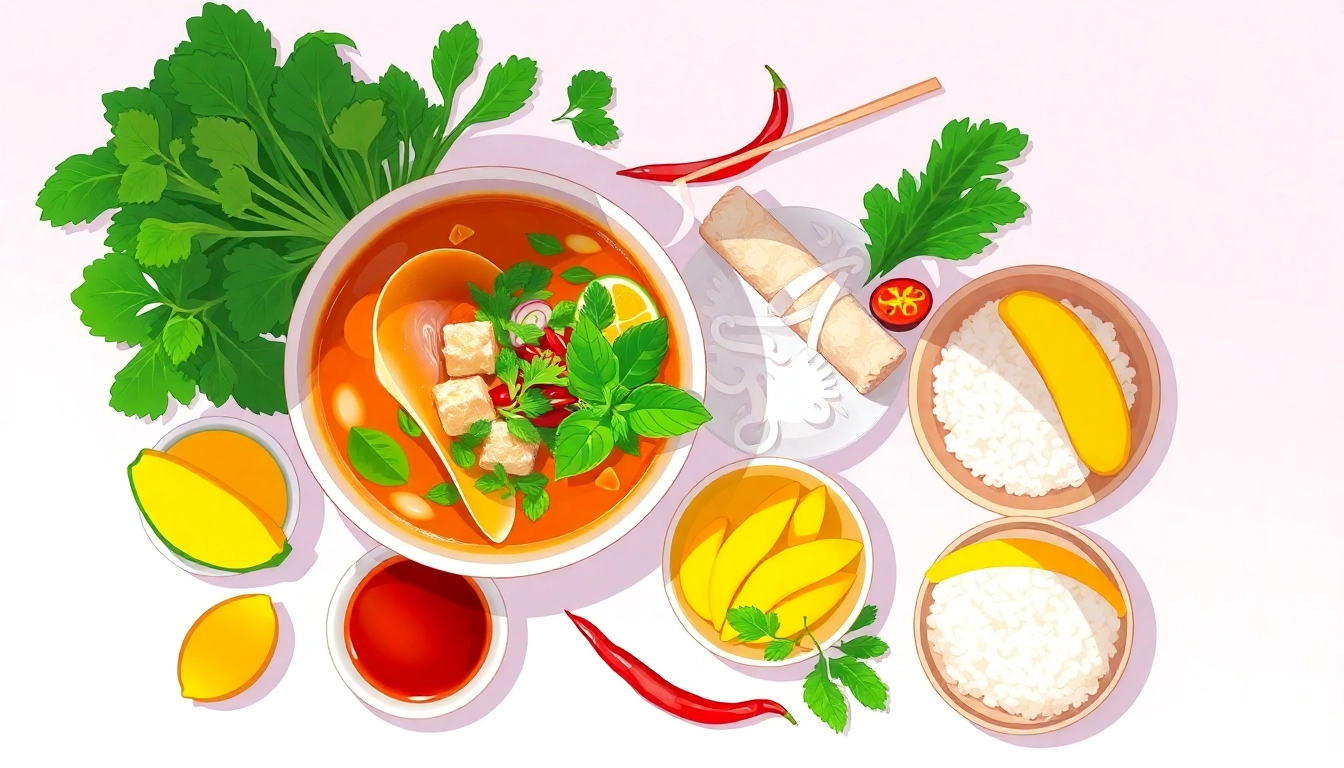
I’ve always been fascinated by food, and Vietnamese cuisine, with its vibrant flavors and fresh ingredients, holds a special place in my heart. Vietnamese food nutrition benefits are abundant beyond the delicious tastes, as I’ve discovered a wealth of advantages hidden within these seemingly simple dishes. This journey of uncovering the nutritional facts behind Vietnamese food has not only improved my understanding of healthy eating but also enhanced my appreciation for this incredible culinary tradition. I hope to share my discoveries with you and inspire you to explore the health benefits of Vietnamese food.
The Foundation: Fresh Herbs and Vegetables
One of the first things that struck me about Vietnamese cooking is the abundance of fresh herbs and vegetables. From the fragrant cilantro and pungent mint to the crisp lettuce and vibrant greens, these ingredients form the backbone of many dishes. This isn’t just about flavor; it’s a powerhouse of vitamins, minerals, and antioxidants. I started incorporating more fresh herbs into my daily meals, and I noticed a significant improvement in my energy levels and overall well-being.
Understanding the Benefits of Specific Herbs
Let’s take a closer look at some of these incredible herbs. Cilantro, for example, is a great source of Vitamin K and antioxidants. Mint offers digestive benefits and a refreshing twist to any dish. Basil provides a delicious aroma and is rich in Vitamin A and K. The consistent use of these herbs in Vietnamese cooking is a testament to their value.
But the benefits don’t stop there. Consider the role of Vietnamese coriander (rau răm), often found in salads and soups. It’s known for its digestive properties and is believed to help relieve bloating. Then there’s perilla leaf (tía tô), packed with antioxidants and traditionally used to treat colds and flu in Vietnamese medicine. Vietnamese food nutrition benefits include the sheer variety of herbs used, highlighting a deep understanding of their therapeutic properties passed down through generations.
The vibrant colors of the vegetables also hint at their nutritional richness. Carrots, often pickled or used in stir-fries, are brimming with beta-carotene, a precursor to Vitamin A, essential for vision and immune function. Bean sprouts, a common ingredient in pho and other noodle dishes, provide fiber and Vitamin C. Even the humble cucumber, frequently used in salads and as a refreshing accompaniment, contributes to hydration and provides essential electrolytes.
The philosophy behind Vietnamese cuisine seems to be centered around freshness and balance, ensuring that each dish is not only delicious but also contributes to overall health and well-being.
Lean Proteins: Seafood and Poultry
Vietnamese cuisine often features lean protein sources like seafood and poultry. Dishes like gỏi cuốn (fresh spring rolls) and gà nướng sả ớt (lemongrass and chili grilled chicken) are both delicious and healthy Vietnamese food options. These lean proteins are packed with essential amino acids, contributing to muscle growth and repair. I’ve personally found that incorporating more seafood into my diet has improved my cardiovascular health.
Seafood plays a prominent role, reflecting Vietnam’s long coastline and access to fresh catches. Fish, shrimp, and shellfish are all excellent sources of protein, omega-3 fatty acids, and essential minerals like iodine and zinc. Omega-3 fatty acids are crucial for brain health, heart health, and reducing inflammation throughout the body. Dishes like cá kho tộ (caramelized fish in clay pot) and bún riêu (crab noodle soup) showcase the versatility of seafood in Vietnamese cooking.
Poultry, particularly chicken, is another lean protein staple. Grilled, steamed, or stir-fried, chicken provides a good source of protein without the high saturated fat content found in some red meats. The use of flavorful marinades and herbs, like lemongrass and ginger, not only enhances the taste but also adds to the nutritional profile of the dish. Gà xào sả ớt (lemongrass chicken stir-fry) is a perfect example of a healthy and flavorful way to incorporate poultry into your diet.
Even tofu, a plant-based protein source, is frequently used in Vietnamese cuisine, offering a vegetarian and vegan-friendly alternative. Tofu is low in calories and high in protein, iron, and calcium. It can be found in stir-fries, soups, and even spring rolls, making it a versatile and nutritious ingredient.
The Role of Rice: A Staple with Considerations
Rice is a staple in Vietnamese cuisine, and while it provides carbohydrates for energy, it’s important to be mindful of portion sizes. White rice is a simpler carbohydrate, while brown rice offers more fiber and nutrients. I’ve transitioned to using more brown rice and quinoa in my cooking, which provides a good balance of carbohydrates and fiber.
While white rice is readily available and commonly used, it’s lower in fiber and nutrients compared to brown rice. Brown rice retains the bran and germ layers, which are rich in fiber, vitamins, and minerals. Fiber aids in digestion, helps regulate blood sugar levels, and promotes a feeling of fullness, which can be beneficial for weight management. Switching to brown rice can significantly improve the nutritional value of your Vietnamese meals.
Beyond brown rice, other grains like quinoa and wild rice can also be incorporated into your diet for added variety and nutritional benefits. Quinoa is a complete protein, meaning it contains all nine essential amino acids, making it an excellent choice for vegetarians and vegans. Wild rice is also high in fiber and antioxidants.
Noodles, made from rice flour, are another common carbohydrate source in Vietnamese cuisine. Rice noodles come in various shapes and sizes, from thin vermicelli to wide flat noodles. While they are generally low in fat and sodium, they are also relatively low in fiber. Pairing rice noodles with plenty of vegetables and lean protein can help create a more balanced and nutritious meal.
Soups: A Nutrient-Rich Culinary Delight
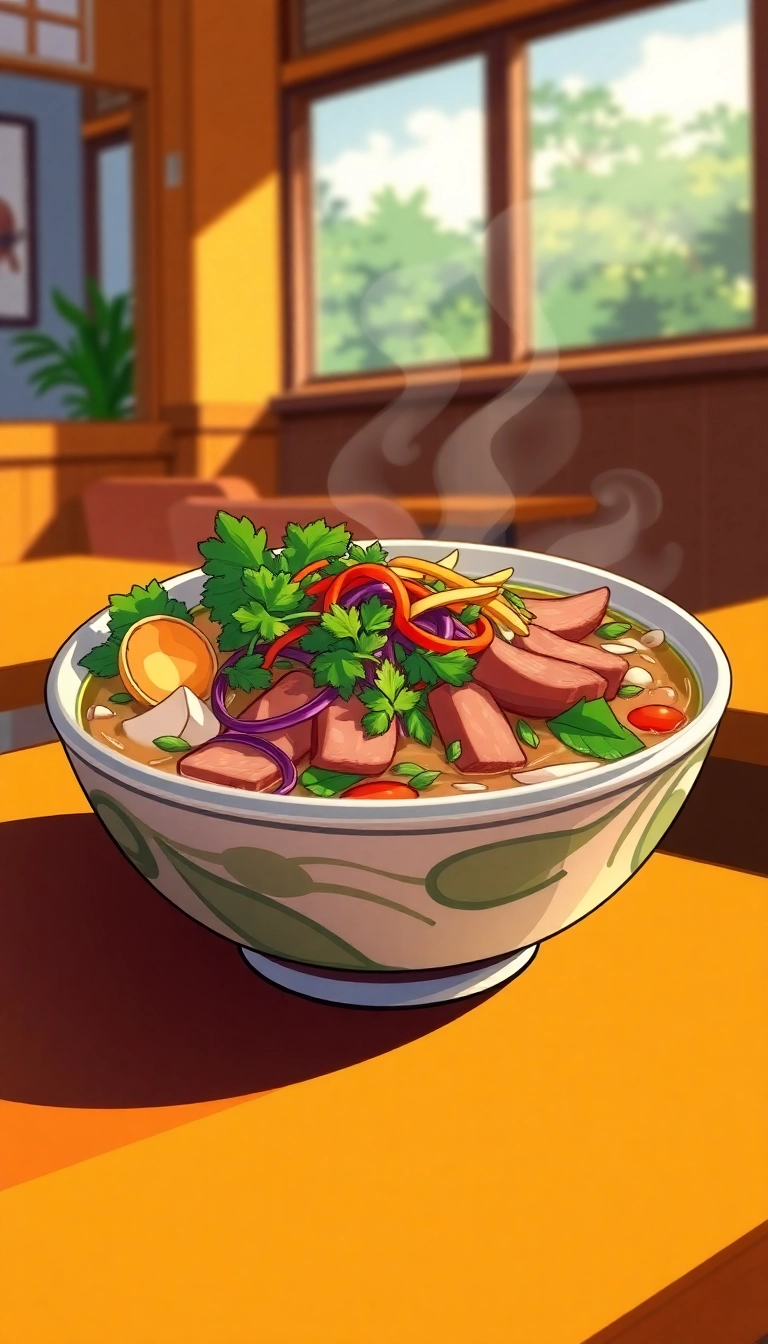
Vietnamese soups, like phở and bún bò Huế, are not only comforting but also incredibly nutritious. They often contain a variety of vegetables, herbs, and lean protein, providing a well-rounded meal. The broth itself can be packed with nutrients, depending on the ingredients used. I always look for soups with plenty of vegetables and lean protein for a healthy and satisfying meal.
Pho, the iconic Vietnamese noodle soup, is a prime example of a nutrient-rich dish. Nutritional value of pho broth, simmered for hours with bones, spices, and vegetables, is a source of collagen, minerals, and amino acids. The addition of lean protein, such as beef or chicken, provides essential amino acids for muscle growth and repair. The abundance of fresh herbs and vegetables adds vitamins, minerals, and antioxidants.
Bún bò Huế, a spicy beef noodle soup from Central Vietnam, is another flavorful and nutritious option. The broth is typically made with beef bones, lemongrass, and annatto seeds, giving it a vibrant color and distinctive flavor. The addition of beef shank, pork knuckles, and blood cubes provides protein and iron. The soup is often garnished with bean sprouts, lime wedges, and chili peppers, adding to its nutritional value and flavor.
Other Vietnamese soups, like canh chua (sour soup) and bánh canh (thick noodle soup), also offer a variety of nutritional benefits. Canh chua is typically made with fish, tamarind, tomatoes, and pineapple, providing a good source of Vitamin C and antioxidants. Bánh canh is made with thick tapioca noodles and can be customized with various meats, seafood, and vegetables.
The Power of Spices: Flavor and Health Benefits
Vietnamese cuisine utilizes a wide array of spices, each with its own unique health benefits. Ginger, for example, has anti-inflammatory properties, while turmeric is known for its antioxidant and anti-inflammatory effects. These spices not only add depth of flavor but also contribute to overall health and well-being. I’ve found that incorporating more ginger and turmeric into my meals has significantly reduced my inflammation.
Beyond ginger and turmeric, other spices like star anise, cinnamon, and cloves are commonly used in Vietnamese cooking. Star anise, with its licorice-like flavor, is believed to have antiviral and antibacterial properties. Cinnamon is known for its ability to regulate blood sugar levels and improve insulin sensitivity. Cloves are rich in antioxidants and have anti-inflammatory properties.
Chili peppers are also frequently used in Vietnamese cuisine, adding heat and flavor to many dishes. Chili peppers contain capsaicin, a compound that has been shown to have pain-relieving and anti-inflammatory effects. Capsaicin can also boost metabolism and promote weight loss.
The use of spices in Vietnamese cooking is not just about flavor; it’s about harnessing the power of nature to promote health and well-being. By incorporating a variety of spices into your meals, you can reap the numerous health benefits they offer.
Mindful Portion Control: A Key to Healthy Eating
Even the healthiest foods can contribute to weight gain if consumed in excessive amounts. Practicing mindful portion control is crucial for maintaining a healthy lifestyle. Healthy Vietnamese food options can be enjoyed by paying attention to my body’s hunger and fullness cues, avoiding overeating even when relishing delicious Vietnamese dishes.
Explore Vietnam’s diverse cuisine through our comprehensive Vietnam food guides.
Balancing Your Plate: A Holistic Approach
A healthy diet is about creating a balance. Vietnamese cuisine, with its emphasis on fresh ingredients, lean proteins, and flavorful spices, offers a fantastic foundation for a balanced diet. However, it’s important to be mindful of sodium content and added sugars in certain dishes. I strive for variety in my meals, incorporating different types of vegetables, proteins, and grains.
Hydration: The Often Overlooked Element
Staying hydrated is essential for overall health. Water is the best choice, but you can also incorporate hydrating foods like fruits and vegetables into your diet. I always make sure to drink plenty of water throughout the day, especially when enjoying spicy Vietnamese dishes.
Exploring Beyond the Basics: Expanding Your Culinary Horizons
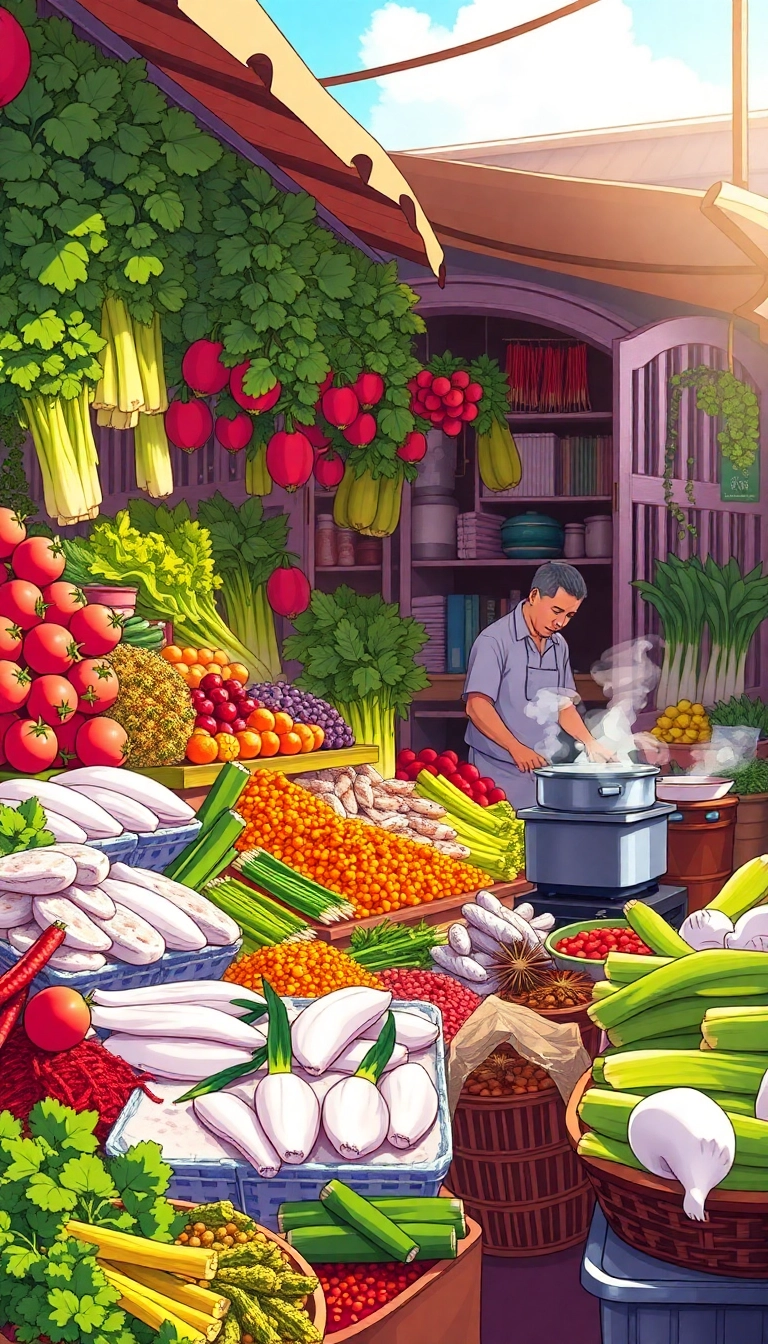
Vietnamese cuisine is incredibly diverse, with regional variations offering a wealth of culinary experiences. Don’t be afraid to explore beyond the familiar dishes and try new recipes. Nutritional value of pho broth is just one aspect that makes it special, as each region offers unique ingredients and cooking techniques, providing a constant stream of new flavors and nutritional benefits to discover. I encourage you to explore the vast and delicious world of Vietnamese food beyond the usual suspects.
Eleven Essential Tips for a Healthier Vietnamese Diet
- Choose brown rice over white rice for increased fiber.
- Incorporate plenty of fresh herbs and vegetables into your meals.
- Opt for lean protein sources like seafood and poultry.
- Be mindful of portion sizes to avoid overeating.
- Enjoy a variety of Vietnamese dishes to ensure a balanced diet.
- Limit your intake of sugary drinks and processed foods.
- Use spices like ginger and turmeric for their health benefits.
- Stay hydrated by drinking plenty of water.
- Choose healthier cooking methods such as steaming, grilling, or stir-frying.
- Experiment with different regional Vietnamese dishes to expand your culinary horizons.
- Listen to your body’s hunger and fullness cues.
Final Thoughts on Vietnamese Cuisine
By focusing on healthy Vietnamese food options like fresh herbs and lean proteins, you can fully appreciate the depth of healthy Vietnamese food options available. Additionally, understanding the nutritional value of pho broth helps highlight how nutritional value of pho broth contributes to the overall appeal of Vietnamese meals.
You know, Vietnamese dishes are so satisfying and low in calories. perfect for healthy eating!
Vietnamese food is so nourishing! Those herbs and spices really boost flavor and health benefits.
You can enjoy tasty seafood while staying healthy. Vietnamese cuisine makes veggies shine with fresh herbs!
Vietnamese food is a flavor explosion! Fish sauce adds such a zesty kick. I love it!
Exploring fresh herbs and lean proteins can enhance both flavor and nutrition!
And have you tried incorporating more herbs or lean proteins? We should swap recipes!
Swapping white rice for brown rice is a game changer! Quinoa and wild rice are awesome too!