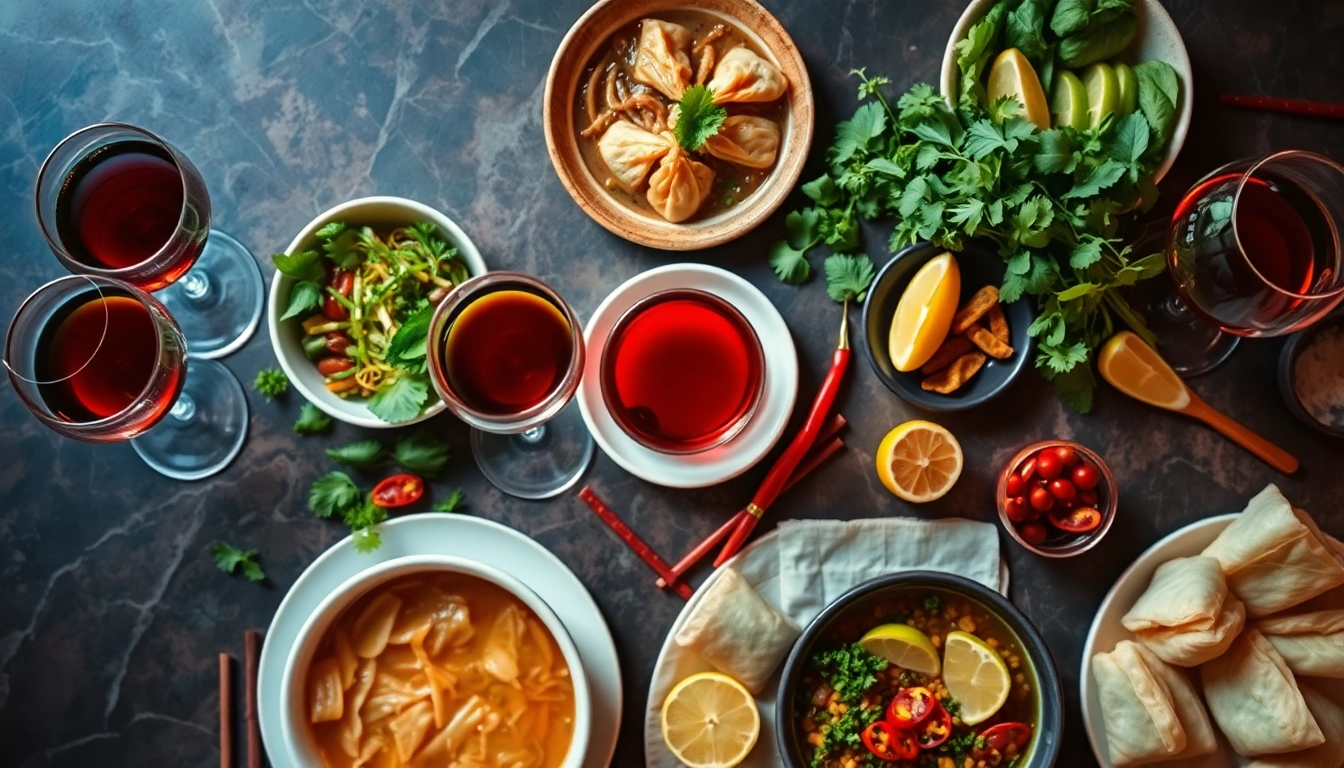
Get ready to embark on a culinary adventure where East meets West, and your taste buds throw a party they won’t soon forget. I’m talking about the glorious, sometimes perplexing, but always rewarding world of Vietnamese food and wine pairings. Trust me; it’s a journey worth taking. The vibrant tapestry of flavors found in Vietnamese cuisine, from the fresh herbs and pungent fish sauce to the fiery chilies and sweet notes of tropical fruits, presents a unique challenge and an exciting opportunity for wine pairings. Forget the preconceived notion that Vietnamese food is solely a beer-and-coffee affair; the depth and complexity of these dishes demand exploration, and wine offers a sophisticated and nuanced way to elevate the entire dining experience. best wine with lemongrass chicken is something to consider when exploring these flavors.
Why Pair Wine with Vietnamese Food?
Now, I know what you might be thinking: “Vietnamese food? Isn’t that all about beer and iced coffee?” And while there’s certainly a time and place for those (especially that sweet, strong cà phê sữa đá!), exploring wine pairings opens up a whole new dimension of flavor. The vibrant herbs, the nuanced sauces, the delicate textures – Vietnamese cuisine is a complex tapestry just begging for the right wine to come along and highlight its best features. The interplay of sweet, sour, salty, spicy, and umami creates a symphony of taste that can be beautifully complemented by the right wine. A well-chosen wine can cut through richness, enhance subtle nuances, and create a harmonious balance that elevates each dish to new heights. Plus, let’s be honest, it’s fun to be a little adventurous, right? It’s a chance to expand your palate and discover unexpected flavor combinations that will surprise and delight you. wine pairings for spicy Vietnamese can be particularly adventurous.
Understanding Vietnamese Flavors
Before we dive into specific pairings, let’s break down the flavor profiles we’re dealing with. Vietnamese cuisine is all about balance: sweet, sour, salty, spicy, and umami all dancing together in perfect harmony. This delicate balance is what makes Vietnamese food so unique and captivating. Think fresh herbs like mint, cilantro, lemongrass, and basil, each contributing its own distinct aromatic profile; pungent fish sauce, providing a savory umami depth; fiery chilies, adding a welcome kick; and bright citrus notes, offering a refreshing counterpoint to richer flavors. The use of these ingredients varies widely depending on the region and the specific dish, leading to an incredibly diverse range of flavors. aromatic wines for pho noodle soup often align well with these profiles. Consider the role of aromatics like star anise and cinnamon in many stews and curries, adding warmth and complexity to the overall flavor profile. Understanding these fundamental flavor components is crucial to selecting a wine that will complement rather than clash with the dish.
The Golden Rules of Pairing
Okay, so here are a few rules I always keep in mind when attempting a Vietnamese food and wine pairing. They’re not set in stone, but they’re a pretty good starting point to guide your exploration:
- Acidity is your friend: Vietnamese food often has a lot of bright, acidic flavors, stemming from the liberal use of lime, vinegar, and tamarind. You’ll want a wine with enough acidity to stand up to it and prevent the wine from tasting flat or overwhelmed. High acidity wines will cut through the richness of the dishes and cleanse the palate, preparing you for the next bite.
- Consider the spice level: If your dish is particularly spicy, opt for a wine with a touch of sweetness to tame the heat. The sweetness doesn’t have to be overwhelming; a subtle sweetness can act as a counterpoint to the chili’s heat, creating a balanced and enjoyable experience. Avoid overly tannic wines, as the tannins can exacerbate the feeling of heat.
- Don’t be afraid of aromatic wines: Wines with floral or fruity aromas can complement the herbs and spices in Vietnamese cuisine beautifully. The aromatic complexity of many Vietnamese dishes can be enhanced by wines with similar aromatic profiles, creating a layered and harmonious experience. Consider wines with notes of lychee, rose, or citrus to complement the fresh herbs and spices.
- Think about the sauce: The sauce is often the star of the show, so choose a wine that complements its dominant flavors. The sauce often dictates the overall flavor profile of the dish, so paying attention to its key ingredients (fish sauce, soy sauce, coconut milk, etc.) will help you select a wine that works in harmony with the entire dish.
- Light-bodied is preferable: The delicate nature of many Vietnamese dishes often pairs best with lighter-bodied wines. Heavier, fuller-bodied wines can easily overpower the subtle flavors of the food, creating an unbalanced and unpleasant experience.
Pho-nomenal Pairings: Wine with Pho
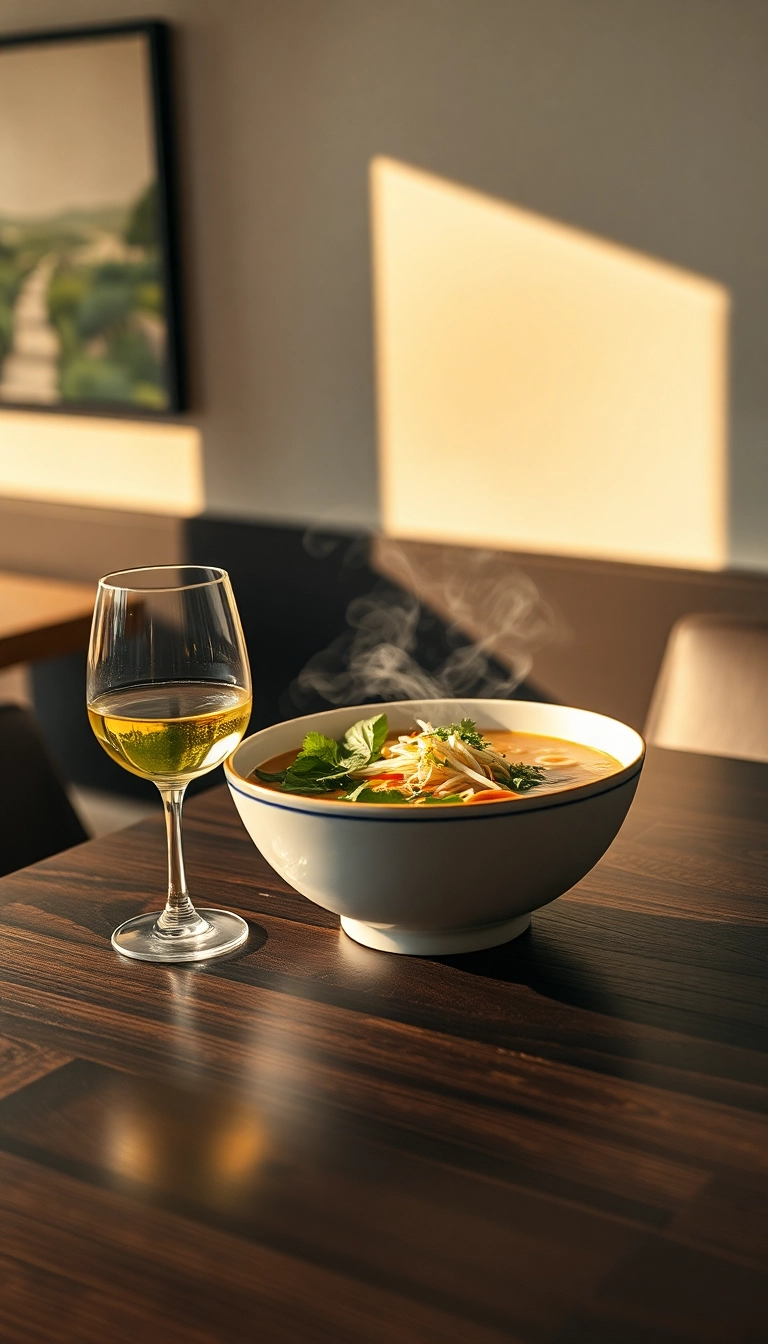
Ah, pho – the quintessential Vietnamese noodle soup. This aromatic broth, with its tender noodles and flavorful meat (beef, chicken, or tofu), deserves a wine that can hold its own without overpowering its delicate flavors. aromatic wines for pho noodle soup are ideal here. The key is to find a wine that complements the savory broth and the fresh herbs without clashing with the other ingredients. I’ve found that a crisp, dry Riesling from the Rheingau region of Germany or a well-made Gewürztraminer from Alsace can work wonders. best wine with lemongrass chicken variations might include these options. The slight sweetness and aromatic notes of these wines complement the savory broth and fresh herbs beautifully. The acidity in these wines cuts through the richness of the broth, while the aromatic notes enhance the herbal complexity. A lighter-bodied red, like a Pinot Noir from a cooler climate (Burgundy, Oregon), can also be a surprisingly good match, especially if your pho has a richer, beefier broth. The earthy notes of Pinot Noir can complement the savory depth of the broth, while its lighter body won’t overpower the delicate flavors. Avoid anything too tannic or oaky, as it will clash with the delicate flavors of the soup.
Spring Rolls & Summer Sips
Fresh spring rolls (Gỏi cuốn), with their delicate rice paper wrappers and vibrant fillings of shrimp, pork, vermicelli noodles, and fresh herbs, call for a light and refreshing wine. The freshness and lightness of these rolls demand a wine that won’t overwhelm their delicate flavors. A crisp Sauvignon Blanc from the Loire Valley or Marlborough, New Zealand, is an excellent choice. Their bright acidity and citrusy notes cut through the richness of the fillings and cleanse the palate between bites. The herbaceous notes of Sauvignon Blanc often complement the fresh herbs in the rolls perfectly. A dry Rosé, particularly those with notes of red fruit and a crisp acidity, also pairs beautifully. These wines offer a refreshing contrast to the richness of the fillings while complementing the herbaceous notes of the fresh herbs. Avoid overly oaked or tannic wines, as they will clash with the delicate nature of the spring rolls.
Banh Mi Bliss: Wine for Vietnamese Sandwiches
Banh mi, that glorious Vietnamese sandwich filled with flavorful meats (often pâté, chả lụa, and grilled pork), pickled vegetables, cilantro, and a smear of mayonnaise or sriracha mayo, is a bit trickier to pair. wine pairings for spicy Vietnamese dishes like this require careful selection. You need a wine that can handle the variety of flavors and textures, balancing the richness of the meats with the acidity of the pickled vegetables and the spice of the chili. I often reach for a dry Rosé from Provence or a light-bodied red, like a Beaujolais. The fruitiness of these wines complements the savory meats and pickled vegetables, while their acidity cuts through the richness of the pâté. The light body of these wines prevents them from overpowering the delicate flavors of the sandwich. If your banh mi is particularly spicy, a slightly off-dry Riesling with its inherent acidity and subtle sweetness can also work well, taming the heat while complementing the savory and umami elements. Avoid heavy-bodied reds with high tannins, as they will clash with the delicate flavors of the sandwich.
Com Tam Temptations: Wine with Broken Rice Dishes
Com Tam, or broken rice, is a popular Vietnamese dish that typically includes grilled pork chops, shredded pork skin (chả bì), a fried egg, and pickled vegetables. This hearty dish needs a wine with a bit more body and structure than lighter dishes. A dry Riesling from Alsace, with its slightly richer texture, mineral notes, and vibrant acidity, can be a great match. The Riesling’s acidity cuts through the richness of the pork while its slight sweetness balances the savory and salty elements. Alternatively, a light-bodied red, like a Pinot Noir or a Gamay, can also work well, especially if the pork is heavily seasoned with fish sauce or soy sauce. The earthy notes of these reds can complement the savory flavors of the pork, while their lighter body prevents them from overpowering the other elements of the dish.
Goi Cuon & Gruner Veltliner
Gỏi cuốn, those delightful fresh spring rolls packed with shrimp, vermicelli noodles, fresh herbs, and often lettuce, practically beg for a Gruner Veltliner. This Austrian white wine boasts a zesty acidity, subtle spice (white pepper notes), and a refreshing minerality that dances beautifully with the delicate flavors of the rolls. The wine’s peppery notes also provide a subtle counterpoint to any chili dipping sauce, adding a layer of complexity to the pairing. The wine’s crisp acidity cuts through the richness of the shrimp while its subtle spice enhances the overall flavor profile. The minerality adds a refreshing element that complements the freshness of the herbs and vegetables.
Spicy Sensations: Dealing with Heat
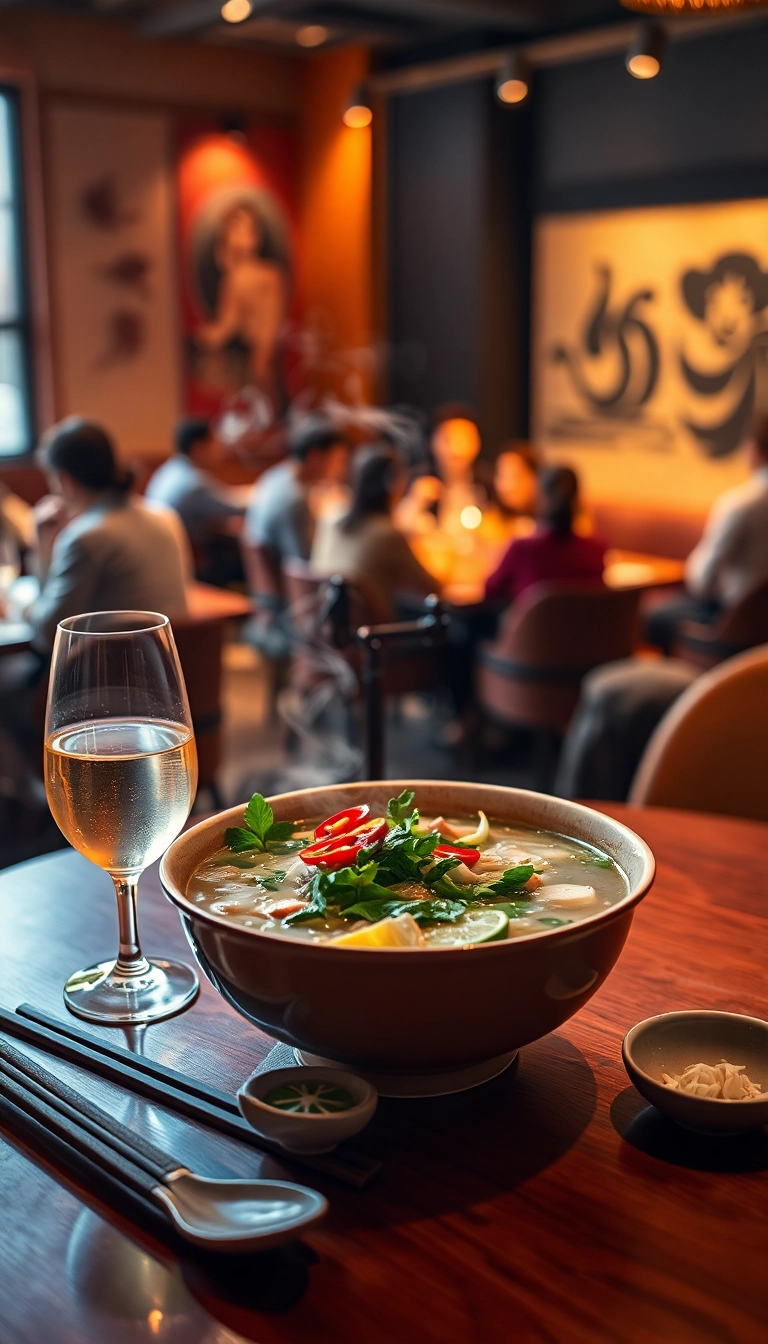
Okay, let’s talk about spice. If your Vietnamese dish has a serious kick, you’ll want a wine that can cool things down without completely masking the other flavors. wine pairings for spicy Vietnamese food often feature wines like a slightly off-dry Riesling or Gewürztraminer. The subtle sweetness helps to tame the heat, while the aromatic notes complement the spices in the dish. The acidity in these wines also helps to cut through the richness of the dish and cleanse the palate. Avoid wines with high alcohol content, as they can actually amplify the sensation of heat. Instead, opt for wines with moderate alcohol levels and a balanced acidity to create a harmonious pairing.
Satisfy every craving—explore versatile Vietnamese recipes for all tastes.
Exploring Other Pairings
Don’t be afraid to experiment! These are just a few suggestions to get you started. The best way to find your perfect pairing is to try different wines with your favorite Vietnamese dishes and see what works for you. Maybe you’ll discover that you love a crisp Albariño with your bún chả (grilled pork with vermicelli noodles), or a fruity Zinfandel with your cá kho tộ (caramelized fish in clay pot). The possibilities are endless! The beauty of wine pairings is the opportunity for discovery and the joy of finding unexpected harmonies. Remember, the most important thing is to have fun and enjoy the experience. Cheers, and happy pairing!
Stepping out of my comfort zone is like adding a dash of chili to my life. exciting and a little spicy! Did you know that pairing wine with Vietnamese food makes even fish sauce jealous? Grab a Riesling or zesty Sauvignon Blanc, and let your taste buds rave!
It’s true! Pairing the right wine elevates Vietnamese dishes. I hope you’re enjoying the journey!