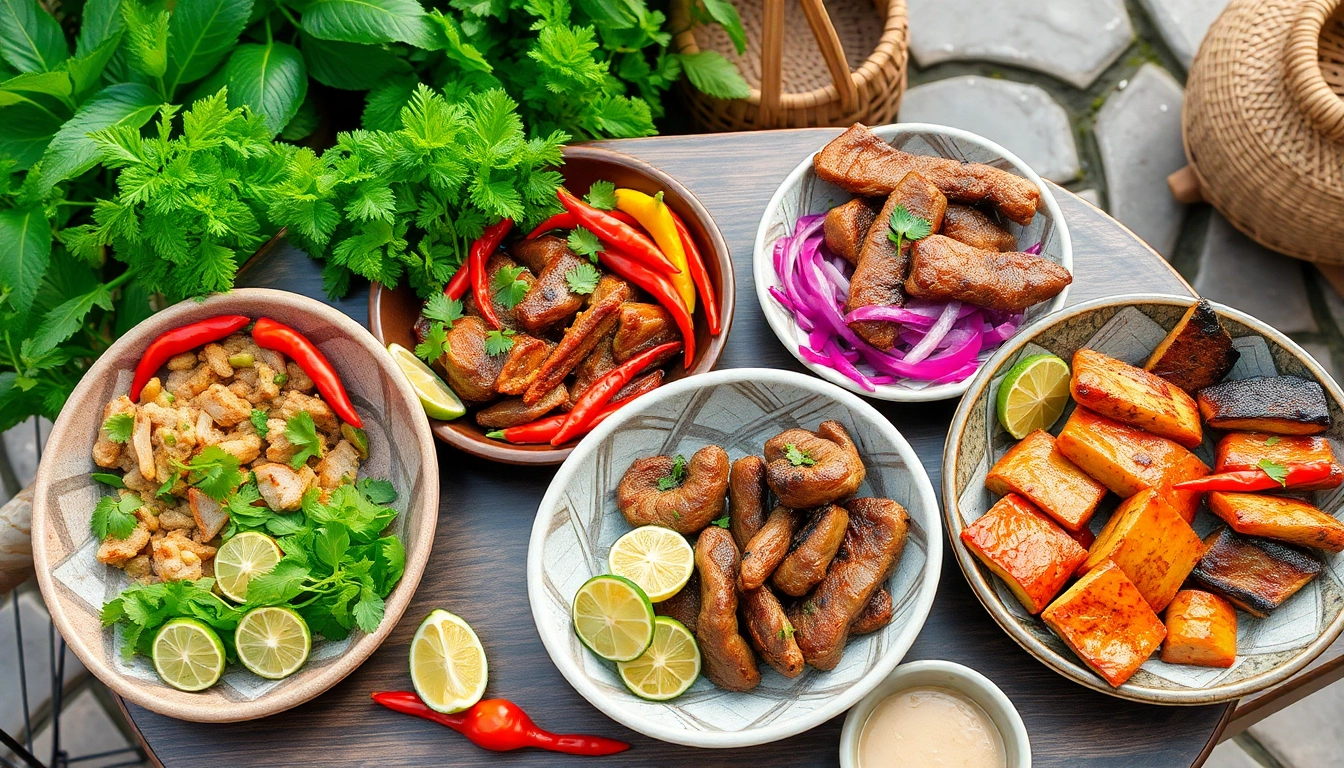
Located in central Vietnam, Hue is renowned not only for its imperial history but also for its distinctive and sophisticated cuisine. The culinary traditions of Hue reflect centuries of royal influence, regional ingredients, and cultural exchanges, resulting in a unique gastronomic identity that continues to captivate both locals and visitors alike. This article delves into the exceptional specialties of Hue cuisine, highlighting its historical roots, signature dishes, ingredients, and culinary techniques that distinguish it from other Vietnamese regional cuisines.
Historical Influences Shaping Hue Cuisine
Hue served as the imperial capital of Vietnam from 1802 to 1945, under the Nguyen Dynasty. This regal history significantly influenced its culinary landscape, leading to the development of refined dishes that emphasize presentation, flavor complexity, and culinary artistry. The royal court’s kitchens introduced meticulous preparation methods and a focus on balanced flavors, which have been preserved and adapted over generations. Additionally, Hue’s strategic location along the Perfume River facilitated trade and cultural exchanges, incorporating ingredients and techniques from neighboring regions and countries, further enriching its culinary repertoire.
Signature Dishes of Hue Cuisine
Hue cuisine is distinguished by its elegant and nuanced dishes, often characterized by their delicate flavors and artistic presentation. Several signature dishes exemplify the region’s culinary excellence, including the best dishes in Hue Vietnam.
Bún Bò Huế (Hue Beef Noodle Soup)
Arguably the most famous dish from Hue, Bún Bò Huế is a hearty, spicy beef noodle soup known for its complex broth, which combines lemongrass, shrimp paste, and fermented soybeans. The soup features tender slices of beef, pork knuckles, and sometimes pork blood cake, served with thick rice noodles, fresh herbs, lime, and chili. Its bold flavors and aromatic profile make it a must-try for visitors seeking an authentic taste of Hue.
Com Hen (Clam Rice)
This regional specialty consists of rice topped with small clams, fresh herbs, peanuts, crispy shallots, and a tangy sauce. Com Hen exemplifies Hue’s emphasis on fresh seafood and aromatic herbs, offering a vibrant and savory experience that highlights local ingredients from the Perfume River area.
Bánh Khoái (Hue Pancakes)
Bánh Khoái are crispy rice pancakes filled with shrimp, pork, and bean sprouts, served with a variety of fresh herbs and a tangy, savory dipping sauce. Their crunchy texture and rich flavors showcase Hue’s mastery of combining textures and tastes.
Bánh Ép (Hue-style Crepe)
This savory crepe is made with rice flour, turmeric, and coconut milk, filled with shrimp, pork, or beef, then folded and grilled to perfection. Bánh Ép reflects the influence of both Vietnamese and French culinary techniques, resulting in a flavorful and visually appealing dish.
Herbs and Spices Unique to Hue Cuisine
Hue cuisine heavily relies on a distinctive blend of herbs and spices that impart its characteristic aroma and flavor. Lemongrass, citronella, and dill are fundamental herbs used extensively in broth and marinade preparations. Shrimp paste and fermented soybeans add depth and umami, while chili peppers provide a gentle heat. The regional preference for aromatic herbs such as Vietnamese mint, perilla, and basil enhances the freshness and complexity of Hue dishes, making them highly aromatic and flavorful.
Specialty Ingredients in Hue Cooking
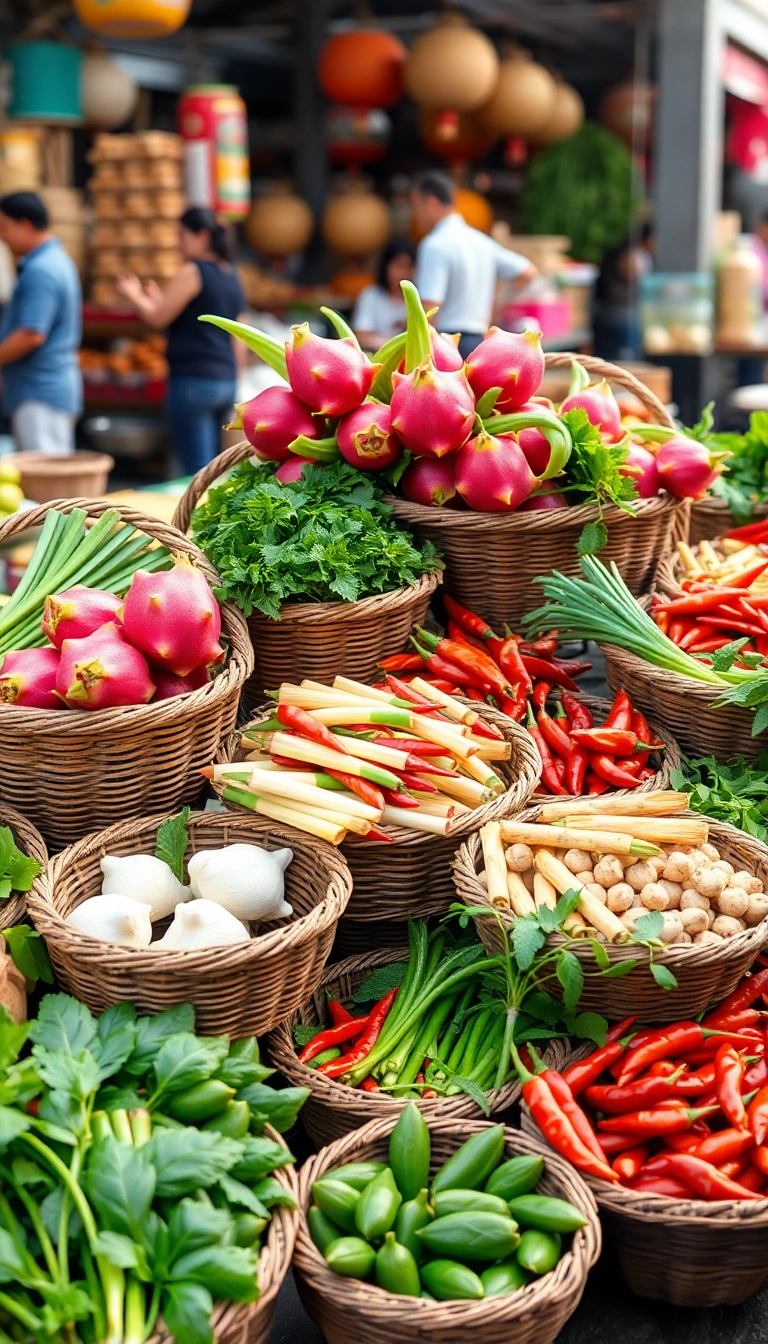
The ingredients central to Hue cuisine are often locally sourced, ensuring freshness and authenticity. Key ingredients include:
- Lemongrass, which forms the base for many broths and marinades.
- Fermented shrimp paste (mắm tôm), adding savory depth.
- Pork, especially pork knuckles and belly, used in various stews and soups.
- Seafood, including clams, shrimp, and fish, reflecting Hue’s proximity to the coast.
- Herbs and greens, such as perilla, mint, and lettuce, offering freshness and flavor balance.
- Rice, particularly sticky rice varieties, for dishes like Com Hen and Bánh Khoái.
The emphasis on these ingredients underscores Hue’s culinary focus on freshness, aroma, and balanced flavors, which are crucial to its signature dishes.
Culinary Techniques Characteristic of Hue
Hue cuisine employs specific culinary techniques that elevate its dishes to an art form. Techniques such as slow simmering, which develops deep flavors in broths, and precise grilling, used in Bánh Ép and Bánh Khoái, contribute to the sophistication of Hue dishes. The preparation of delicate seafood and the careful balancing of herbs and spices require skill and experience, often passed down through generations. Additionally, presentation plays a significant role, with many dishes served in visually appealing arrangements that reflect Hue’s imperial heritage.
The Role of Royal Cuisine in Hue
Historically, Hue was home to a royal court that demanded refined and elaborate culinary standards. Many traditional recipes and cooking techniques originated from the royal kitchens, emphasizing meticulousness and artistry. Today, remnants of royal cuisine influence modern Hue dishes, with chefs striving to preserve the elegance and complexity of imperial recipes. Special royal dishes are often served during cultural festivals and celebrations, and visitors can experience a Hue imperial cuisine cooking class to learn these traditions.
Festivals and Culinary Events Celebrating Hue Cuisine
Various festivals in Hue highlight its culinary excellence, attracting food enthusiasts from around the world. The Hue Festival, held biennially, features food competitions, cooking demonstrations, and street food stalls dedicated to Hue specialties. These events serve as platforms for preserving traditional recipes, introducing new culinary innovations, and promoting an authentic Hue cuisine food tour on an international stage.
Modern Influences and Innovations in Hue Cuisine
While maintaining traditional roots, Hue cuisine has embraced modern culinary trends, including fusion and contemporary presentation techniques. Young chefs experiment with ingredients and plating styles, creating innovative dishes that appeal to global palates. However, the core principles of freshness, aroma, and balanced flavors remain central. This harmonious blend of tradition and innovation ensures that Hue cuisine continues to thrive and evolve while respecting its heritage.
Travelers’ Guide to Experiencing Hue Cuisine
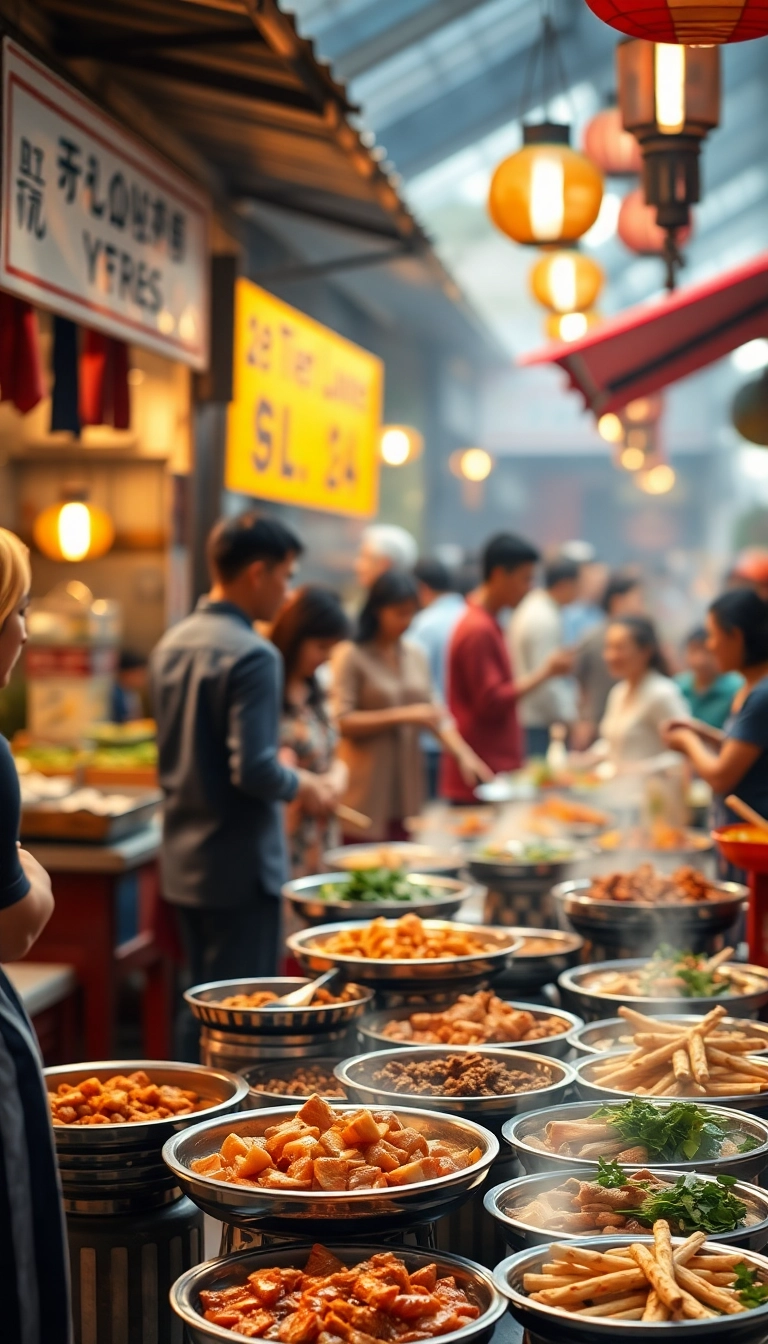
For visitors seeking an authentic Hue cuisine food tour, local markets such as Dong Ba Market offer a wide array of traditional dishes and ingredients. Street vendors serve Bún Bò Huế and Com Hen with quick, flavorful bites, while upscale restaurants provide refined interpretations of classic recipes. Cooking classes are also available, allowing tourists to learn the art of Hue cooking firsthand, including a Hue imperial cuisine cooking class.
Considering a visit? Learn about staying safe in Vietnam, so you can experience the country’s beauty with confidence!
Plan a gastronomic tour of Vietnam using our detailed Vietnam food guides.
Preservation of Hue’s Culinary Heritage
Preserving Hue’s unique culinary traditions involves both community efforts and government initiatives. Culinary museums, cultural centers, and cooking schools play vital roles in documenting and teaching traditional recipes. Additionally, local families often pass down recipes through generations, maintaining the authenticity of Hue dishes. Recognizing the global appeal of Hue cuisine, initiatives aimed at sustainable food tourism are crucial for safeguarding this culinary heritage for future generations.
The Enduring Legacy of Hue Cuisine
Hue cuisine stands as a testament to Vietnam’s rich cultural history and culinary artistry. Its signature dishes, distinctive ingredients, and meticulous techniques reflect centuries of royal influence and regional tradition. As it continues to evolve, Hue’s culinary heritage remains a vital part of Vietnam’s national identity, offering a unique and sophisticated gastronomic experience that includes the best dishes in Hue Vietnam. For those eager to explore Vietnam’s diverse culinary landscape, Hue’s specialties provide an exceptional journey into the heart of Vietnamese culture and history.
Have you tried the street food in Hue? It’s a flavor adventure you can’t ignore!
Hue cuisine is such a treasure! Exploring street food and taking classes makes it unforgettable.
I know, right? Have you tried bun bo Hue or banh khoi? So good!
Did you know that Hue is famous for its vibrant royal dishes? So delicious!
Hue’s culinary scene is remarkable, especially with royal dishes bursting with color and flavor. It brings back memories of the city’s rich history and every bite is a delightful experience!