Embarking on a culinary journey to Vietnam from the comfort of one’s own kitchen is an exciting prospect. Vietnamese cuisine, celebrated globally for its fresh ingredients, vibrant flavors, and healthful nature, can seem intricate. However, many foundational dishes are surprisingly accessible for novice cooks. Mastering a few key recipes can unlock a world of authentic Vietnamese tastes, offering a delightful way to explore Vietnamese culture through its food. This guide presents five easy Vietnamese recipes for beginners.
The Allure of Vietnamese Flavors
Vietnamese cooking is a delicate balance of sweet, sour, salty, and spicy elements. It relies heavily on fresh herbs like mint, basil, and cilantro, along with aromatic spices and fermented sauces. Unlike some other Asian cuisines, Vietnamese food often emphasizes lighter preparations, steaming, stir-frying, and fresh consumption over heavy frying. This focus on freshness and balance contributes to its reputation as a healthy and delicious culinary tradition. Understanding these core principles is the first step towards successfully recreating these dishes at home.
1. Phở Gà (Chicken Noodle Soup)
Phở, Vietnam’s national dish, is a comforting and aromatic noodle soup. While beef phở is perhaps more famous, chicken phở offers a gentler introduction to the flavor profile and is often quicker to prepare. The soul of phở lies in its broth, which is simmered with aromatics like ginger, onion, star anise, and cinnamon. This simple pho recipe at home focuses on creating a rich yet clear broth that is both warming and satisfying. The key to a good phở broth is patient simmering and the careful selection of spices.
| Phở Gà |
|---|
| Ingredients |
| 1 whole chicken (about 3-4 pounds), cut into pieces |
| 1 large yellow onion, halved |
| 4-inch piece of ginger, halved lengthwise |
| 2 star anise pods |
| 1 cinnamon stick |
| 8 cups water |
| 2 tablespoons fish sauce |
| 1 teaspoon salt, or to taste |
| 1 pound dried flat rice noodles (bánh phở) |
| Fresh herbs for garnish (cilantro, mint, Thai basil) |
| Bean sprouts |
| Lime wedges |
| Thinly sliced red chilies (optional) |
| Directions |
| 1. Char the onion and ginger by placing them directly over a gas flame or under a broiler until blackened and fragrant. Rinse off the charred skin. |
| 2. In a large stockpot, combine the chicken pieces, charred onion and ginger, star anise, cinnamon stick, and water. Bring to a boil, then reduce heat and simmer for 45-60 minutes, skimming off any foam or impurities. |
| 3. Remove the chicken from the pot. Strain the broth through a fine-mesh sieve into a clean pot. Discard the solids. |
| 4. Return the broth to a simmer. Stir in fish sauce and salt. Shred the cooked chicken meat and set aside. |
| 5. Cook the rice noodles according to package directions. Drain and rinse with cold water. |
| 6. To serve, divide the noodles among bowls. Top with shredded chicken. Ladle the hot broth over the noodles and chicken. |
| 7. Garnish with fresh herbs, bean sprouts, lime wedges, and chilies as desired. |
| Nutritional Information |
| Per serving (approximate): Calories: 450-550, Protein: 30-40g, Fat: 15-25g |
2. Gỏi Cuốn (Fresh Spring Rolls)
Gỏi Cuốn, often referred to as fresh spring rolls or summer rolls, are a refreshing and healthy appetizer. Unlike their fried counterparts, these rolls are made with translucent rice paper wrappers filled with a vibrant mix of cooked shrimp, thinly sliced pork, vermicelli noodles, and an abundance of fresh herbs. The beauty of Gỏi Cuốn lies in their simplicity and the ability to customize fillings. They are typically served with a savory peanut dipping sauce or a nuoc cham (fish sauce-based dipping sauce).
The key to successful Gỏi Cuốn is to have all your ingredients prepped and ready before you start assembling. This ensures that the rice paper doesn’t dry out or become too sticky before you can use it. The freshness of the herbs is paramount, providing a burst of flavor and aroma that defines this dish. Many home cooks find the rolling technique takes a little practice, but once mastered, it’s a quick and rewarding process.
3. Chả Giò (Fried Spring Rolls)
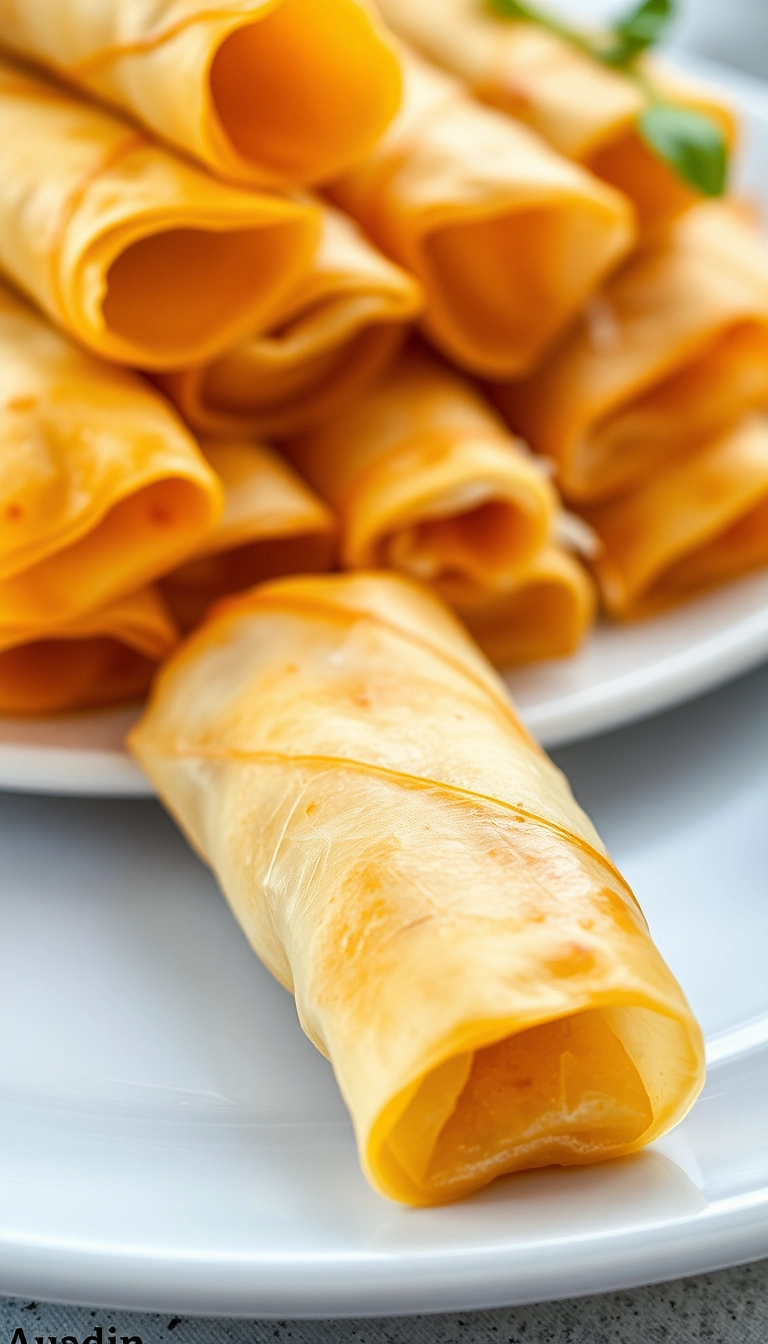
While Gỏi Cuốn are fresh, Chả Giò are their crispy, fried cousins. These rolls are filled with a savory mixture of ground pork, shrimp, glass noodles, wood ear mushrooms, and shredded vegetables, all wrapped in special crispy rice paper wrappers designed for frying. The result is a delightful crunch that gives way to a flavorful, juicy interior. Chả Giò are a popular appetizer at gatherings and celebrations, offering a contrast to the lighter dishes. As one of the easy Vietnamese recipes for beginners, they provide an accessible entry into frying techniques.
Achieving the perfect crispiness requires attention to the frying temperature and technique. Double-frying is a common method to ensure maximum crispiness. The dipping sauce, often a sweet and sour nuoc cham, is essential for balancing the richness of the fried rolls. The filling can be varied, with some recipes including crab meat or taro for added texture and flavor. This is a dish that truly delights the senses with its texture and taste.
| Chả Giò |
|---|
| Ingredients |
| 1 pound ground pork |
| 1/2 pound raw shrimp, peeled and finely chopped |
| 1 ounce dried glass noodles, soaked and chopped |
| 1 ounce dried wood ear mushrooms, soaked and chopped |
| 1/2 cup finely shredded carrots |
| 1/4 cup finely chopped yellow onion |
| 2 cloves garlic, minced |
| 1 egg, lightly beaten |
| 2 tablespoons fish sauce |
| 1 teaspoon black pepper |
| 1 package crispy rice paper wrappers (bánh tráng rế) |
| Vegetable oil for frying |
| Directions |
| 1. In a large bowl, combine ground pork, chopped shrimp, glass noodles, wood ear mushrooms, carrots, onion, garlic, egg, fish sauce, and black pepper. Mix thoroughly. |
| 2. Lay a crispy rice paper wrapper flat. Place about 2 tablespoons of filling near one edge. Fold the sides over the filling, then tightly roll from the filling edge to create a cigar shape. Repeat with remaining filling and wrappers. |
| 3. Heat about 2 inches of vegetable oil in a wok or deep pot over medium-high heat to 350°F (175°C). |
| 4. Carefully fry the spring rolls in batches, turning occasionally, until golden brown and crispy, about 5-7 minutes. For extra crispiness, you can fry them a second time briefly. |
| 5. Remove rolls with a slotted spoon and drain on paper towels. Serve hot with nuoc cham. |
| Nutritional Information |
| Per roll (approximate, without sauce): Calories: 100-150, Fat: 7-12g |
4. Cơm Tấm (Broken Rice with Grilled Pork)
Cơm Tấm, or broken rice, is a beloved everyday dish in Southern Vietnam. It features rice grains that were broken during the milling process, giving them a unique texture. Authentic Vietnamese cooking lessons often highlight how the star of the dish is the grilled pork chop (sườn nướng), marinated in a flavorful blend of lemongrass, garlic, fish sauce, and honey. Cơm Tấm is typically served with a fried egg, shredded pork skin (bì), and a side of nuoc cham. A small bowl of clear pork broth (nước lọc) is often provided for dipping or moistening the rice.
The success of Cơm Tấm hinges on the quality of the grilled pork. Marinating the pork for several hours, or even overnight, allows the flavors to penetrate deeply. Achieving a good char on the grill adds a smoky dimension that complements the sweet and savory marinade. While broken rice is traditional, regular long-grain rice can be substituted. The accompaniments are crucial for the full experience. The fried egg, with its runny yolk, adds richness, while the shredded pork skin provides a delightful chewiness. This dish is a complete meal, offering a satisfying combination of textures and tastes.
5. Bún Chả (Grilled Pork with Vermicelli Noodles)
Bún Chả is a Hanoi specialty that has gained international acclaim, largely thanks to its appearance on a popular travel show. It consists of grilled fatty pork patties (chả) and slices of grilled pork belly (thịt nướng) served in a bowl of warm, slightly sweet and savory dipping sauce. This sauce, made with fish sauce, vinegar, sugar, and garlic, is the heart of the dish. It’s served with a generous portion of fresh vermicelli noodles and a platter of fresh herbs and lettuce. Diners dip the noodles and pork into the sauce, creating a flavorful explosion with every bite.
The grilling of the pork is key to Bún Chả. The pork is typically marinated with a blend of fish sauce, sugar, garlic, shallots, and sometimes black pepper. Grilling over charcoal imparts a smoky aroma that is distinctive. The dipping sauce needs to be balanced. It should be tangy, sweet, and savory, with a hint of spice from chilies and a fresh aroma from garlic and herbs. The combination of tender, smoky pork, chewy noodles, and crisp, fresh greens is what makes Bún Chả so addictive. It’s a dish that encourages communal eating and interaction, as everyone builds their own perfect bite. Authentic Vietnamese cooking lessons emphasize this interactive style.
The Role of Fresh Herbs and Garnishes
No discussion of Vietnamese cuisine would be complete without emphasizing the importance of fresh herbs and garnishes. These are not mere afterthoughts but integral components that add layers of flavor, aroma, and texture. Think of the cooling mint in spring rolls, the fragrant basil in phở, or the crisp lettuce used to wrap grilled meats. These fresh elements provide a vital counterpoint to richer or cooked components, brightening the palate and enhancing the overall dining experience. Encouraging beginners to be generous with herbs is a simple yet effective way to elevate their Vietnamese cooking.
Mastering Nuoc Cham: The Versatile Dipping Sauce
Nuoc Cham is arguably the most fundamental Vietnamese dipping sauce. Its versatility is astounding, appearing alongside everything from spring rolls and grilled meats to rice dishes. The basic formula involves fish sauce, lime juice, sugar, water, and minced garlic and chilies. The ratio is crucial for achieving the perfect balance of salty, sour, sweet, and spicy. Many variations exist, with some adding grated carrot or daikon radish. Learning to make a good nuoc cham is a significant step for any home cook aspiring to recreate authentic Vietnamese flavors. It’s a simple condiment that can transform an ordinary meal into something extraordinary.
Essential Vietnamese Pantry Staples
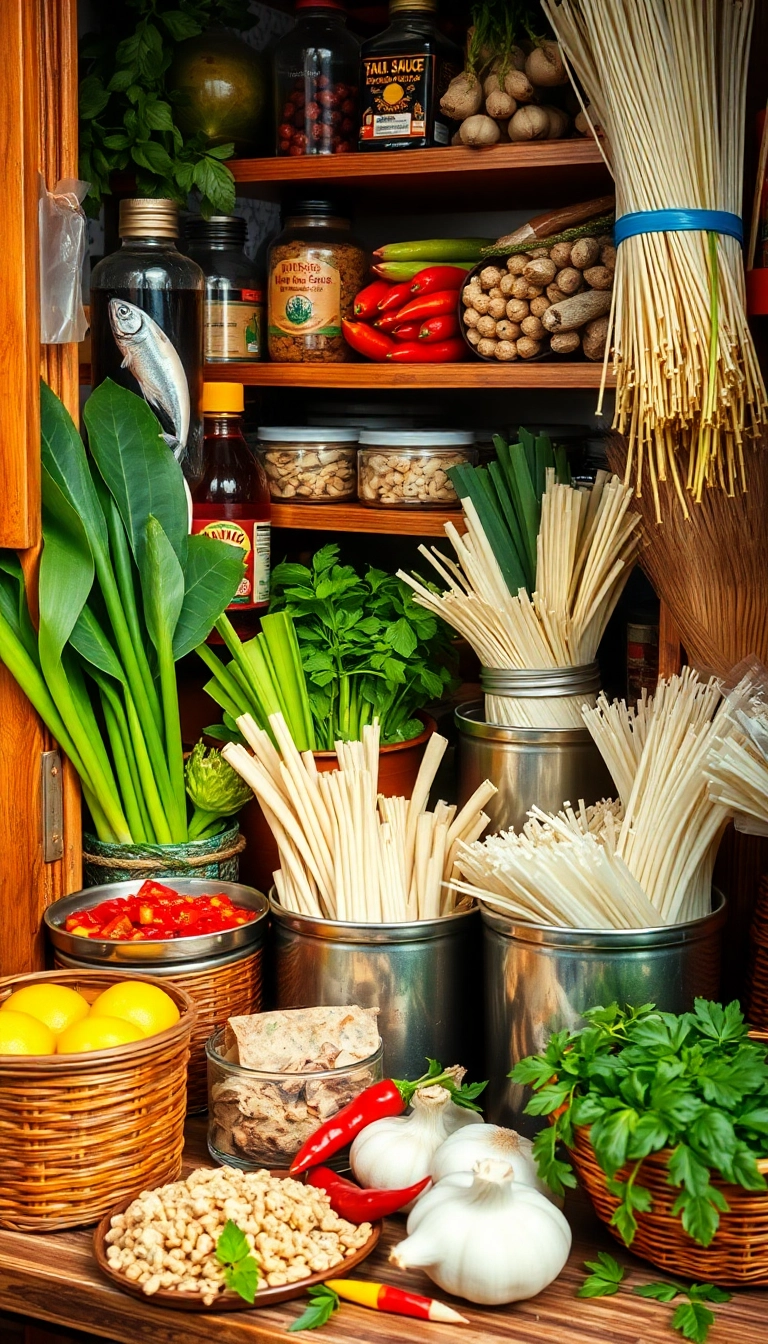
To successfully recreate these dishes, stocking a few key Vietnamese pantry staples is highly recommended. Fish sauce (nước mắm) is indispensable, providing the characteristic umami and salty base for countless Vietnamese recipes. Rice vermicelli noodles (bún) are a staple carbohydrate, light and versatile. Rice paper wrappers (bánh tráng) are essential for fresh spring rolls, while crispy wrappers are needed for fried versions. Dried mushrooms, particularly wood ear and shiitake, add depth and texture. Finally, fresh aromatics like lemongrass, ginger, garlic, and chilies form the backbone of many marinades and broths. With these essentials on hand, beginners can confidently tackle a wider range of Vietnamese dishes.
Tips for Beginner Success
For those new to Vietnamese cooking, a few tips can smooth the learning curve. Firstly, read recipes thoroughly before starting. Mise en place, or having all ingredients prepped and measured before cooking, is particularly important for Vietnamese dishes, which often involve quick cooking times. Don’t be afraid to taste and adjust seasonings as you go, especially with sauces and broths. Freshness is key, so use the freshest ingredients you can find, particularly for herbs. Finally, embrace the process. Vietnamese cooking is about balance and harmony, and with practice, even complex flavors become achievable. Start with a simple pho recipe at home to build confidence.
Take a culinary journey—start with iconic Vietnamese recipes your family will love.
Looking for an easy yet exotic dessert? This guide teaches you how to make Vietnamese banana dessert at home!
The Cultural Connection Through Food
Exploring Vietnamese cuisine is more than just learning recipes. It’s an invitation to understand a rich culture and history. Each dish tells a story, reflecting regional influences, historical events, and the ingenuity of its people. From the comforting warmth of phở, a dish that has sustained generations, to the celebratory crispness of chả giò, these recipes offer a tangible connection to Vietnam. By mastering these simple dishes, home cooks can bring a piece of Vietnam into their own homes, sharing its vibrant culinary heritage with family and friends.
Exploring Vietnamese cooking is so rewarding! Phở Gà and fresh spring rolls are must-tries!
I can’t believe you love those! Have you tried bánh mì or cơm tấm? Such classics!
I haven’t had the chance to try bánh mì or cơm tấm yet, but they sound delicious! I’m really looking forward to experimenting with those flavors in my own cooking. I once tried making pho, and it was a fun adventure!