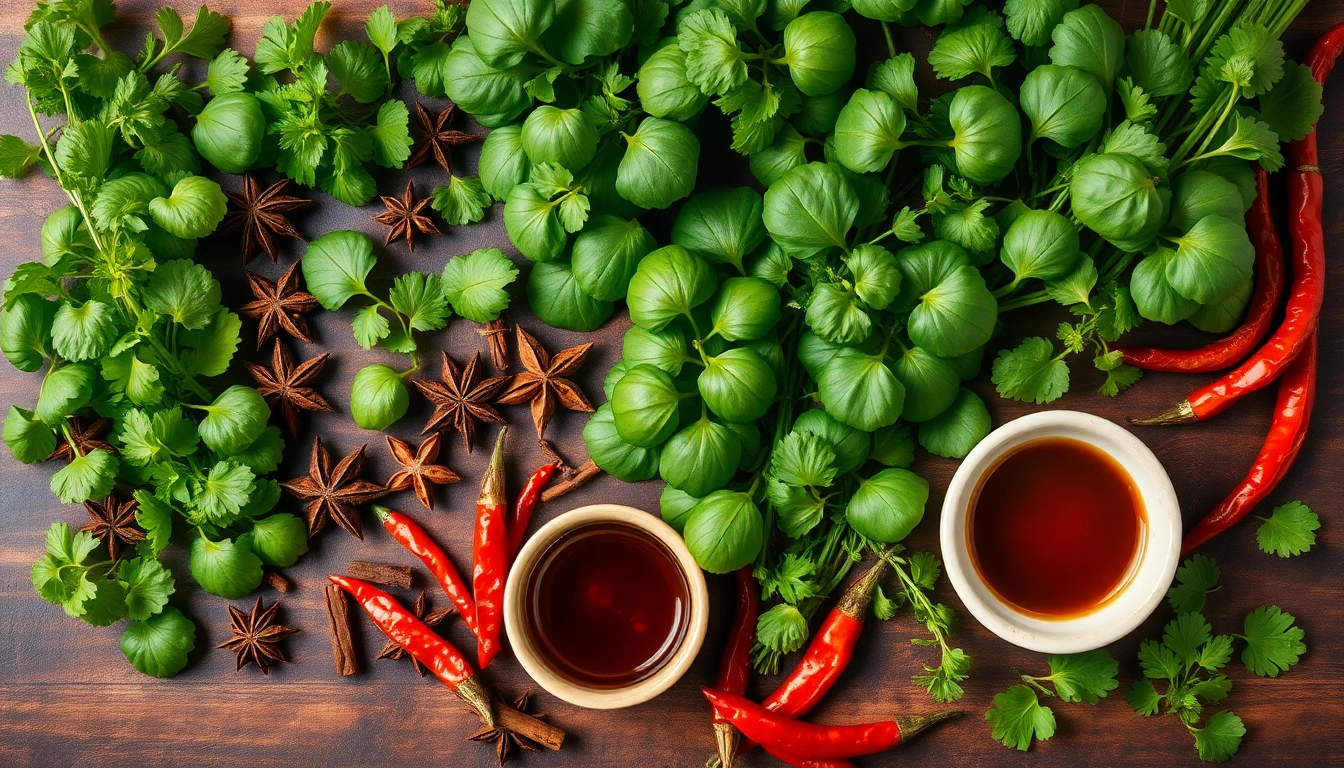
If you’ve ever tasted a bowl of Pho or a fresh spring roll, you’ve experienced the vibrant, aromatic flavors that make Vietnamese cuisine so unforgettable. As someone who’s delved into Vietnamese cooking herbs guide, I can tell you that the secret lies in its herbs and spices—these ingredients bring dishes to life with their fresh, bold, and nuanced profiles. Today, I want to take you on a journey through the essential Vietnamese herbs, spices, and flavors that every beginner should know. Get ready to spice up your culinary repertoire!
Understanding the Foundations of Vietnamese Flavors
Vietnamese cuisine is all about balance—sweet, sour, salty, bitter, and umami—all harmonized in every dish. At the heart of this balance are the herbs and spices that create layers of flavor. Unlike some cuisines that rely heavily on heavy sauces or fats, Vietnamese food emphasizes fresh ingredients, herbs, and quick stir-fries or broths. I’ve found that starting with the right herbs makes all the difference in capturing authentic Vietnamese flavor profiles.
Must-Have Vietnamese Herbs
Herbs are the soul of Vietnamese cooking. They’re used generously and add freshness and vibrancy. Here are the most iconic ones you should keep on hand:
1. Cambodian Mint (Kinh giới)
This herb has a spicy, peppery flavor with hints of basil. It’s often used in salads and wraps, adding a refreshing bite. I love adding it to my summer rolls for an extra zing.
2. Holy Basil (Húng Quế)
Holy basil has a slightly spicy, anise-like flavor. It’s a staple in Pho and other noodle soups. When I first tasted fresh holy basil, I was amazed at how it elevated the broth’s aroma and taste.
3. Coriander/Cilantro (Ngò)
Probably the most recognizable herb globally, cilantro adds a citrusy, bright flavor. Vietnamese dishes often sprinkle chopped cilantro on top for freshness.
4. Vietnamese Mint (Rau Răm)
This mint variant offers a peppery flavor with a hint of lemon. It’s perfect in salads or as a garnish for grilled meats.
5. Perilla (Tía tô)
With its purple or green leaves, perilla has a slightly minty, basil-like flavor. I enjoy wrapping grilled fish in perilla leaves to add aroma and flavor.
Essential Vietnamese Spices and Condiments
Spices and condiments are what give Vietnamese dishes their distinctive punch. They’re often used in marinades, dipping sauces, and broths. To enhance your cooking, consider exploring the best Vietnamese spice blends available. Here are the key players:
6. Fish Sauce (Nước Mắm)
This is the cornerstone of Vietnamese cuisine. It’s a fermented fish extract that’s salty, savory, and umami-rich. I always keep a good quality fish sauce in my pantry—it’s essential for dipping, dressing, and seasoning.
7. Lemongrass
With its citrusy aroma, lemongrass is used in soups, marinades, and stir-fries. I love crushing fresh lemongrass and adding it to chicken or seafood dishes for that bright, clean flavor.
8. Ginger (Gừng)
Fresh ginger adds warmth and spice. It’s often used in broths or to season grilled meats. I find that a little ginger can transform a simple dish into something extraordinary.
9. Chili Peppers
Vietnamese cuisine is known for its heat. Fresh or dried chilies are used generously in dipping sauces (like nuoc cham) and in stir-fries. Adjust the amount to suit your spice tolerance—trust me, a touch of chili elevates everything!
10. Turmeric (Curcuma)
Turmeric adds a golden hue and earthy flavor. It’s common in certain rice dishes and marinated meats. I use it to give my dishes that authentic Vietnamese color and warmth.
Flavor Enhancers and Sweeteners
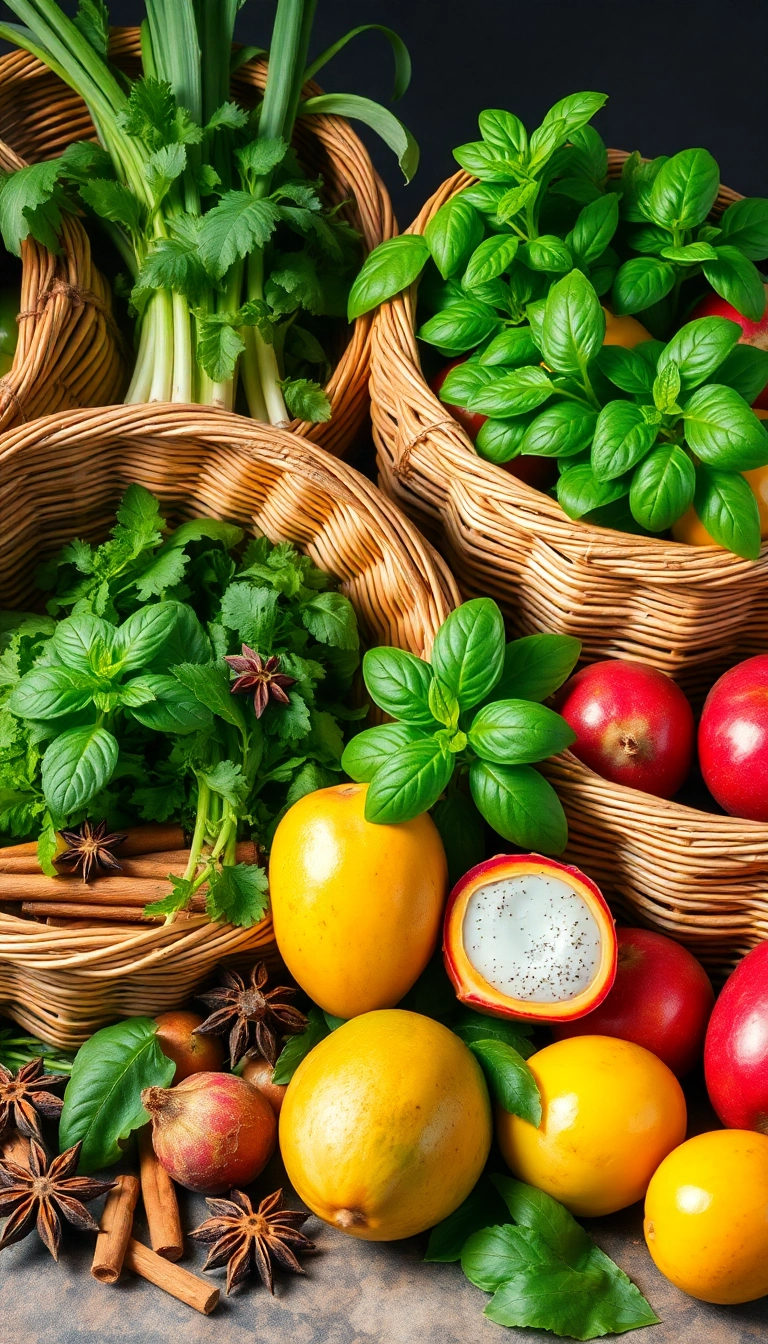
Beyond herbs and spices, certain ingredients play a vital role in balancing flavors:
11. Sugar (Đường)
Vietnamese cuisine balances acidity and saltiness with a touch of sugar. It’s often added to dipping sauces or broths. I always keep palm sugar nearby—it dissolves beautifully and adds depth.
12. Lime (Chanh)
Fresh lime juice brightens and enhances other flavors. I squeeze lime over almost every dish, from noodles to grilled meats. Its acidity is a game-changer.
Practical Tips for Using Vietnamese Herbs and Spices
When starting out, I recommend buying fresh herbs from Asian markets or your local grocery store—freshness makes all the difference. For those looking to learn more, a Vietnamese cooking herbs guide can be incredibly helpful. Keep herbs wrapped in a damp paper towel in the fridge to preserve their aroma. For spices like fish sauce, use high-quality brands for authentic flavor. Remember, a little goes a long way—start with small amounts and adjust to taste.
Creating Your Own Vietnamese Flavored Dishes
Now that you know the essentials, try experimenting at home. Begin with simple recipes like summer rolls or a quick pho broth. Use fresh herbs generously, season with fish sauce, and add lime and chili to taste. If you want to elevate your efforts, explore the best Vietnamese spice blends for enhanced results. Over time, you’ll develop your palate and discover your favorite flavor combinations. I still love tweaking recipes to suit my mood or ingredients on hand.
Where to Find Vietnamese Herbs and Spices
If you’re lucky, your local Asian markets will have a good selection. Otherwise, online stores specializing in Asian ingredients are a treasure trove. I’ve ordered dried lemongrass and fish sauce online with great success. Don’t be afraid to try different brands—sometimes, a slight variation can make a big difference in flavor.
Experience the best of Vietnamese street food and fine dining with our Vietnam food exploration guides.
Common Mistakes to Avoid
One mistake I see often is overusing fish sauce—it’s potent! Start with small amounts, taste, and adjust. Also, don’t forget the importance of fresh herbs—dried herbs cannot replace the fresh burst of flavor. Lastly, avoid boiling herbs for long periods, as it diminishes their aroma and brightness.
Embracing the Vietnamese Flavor Palette
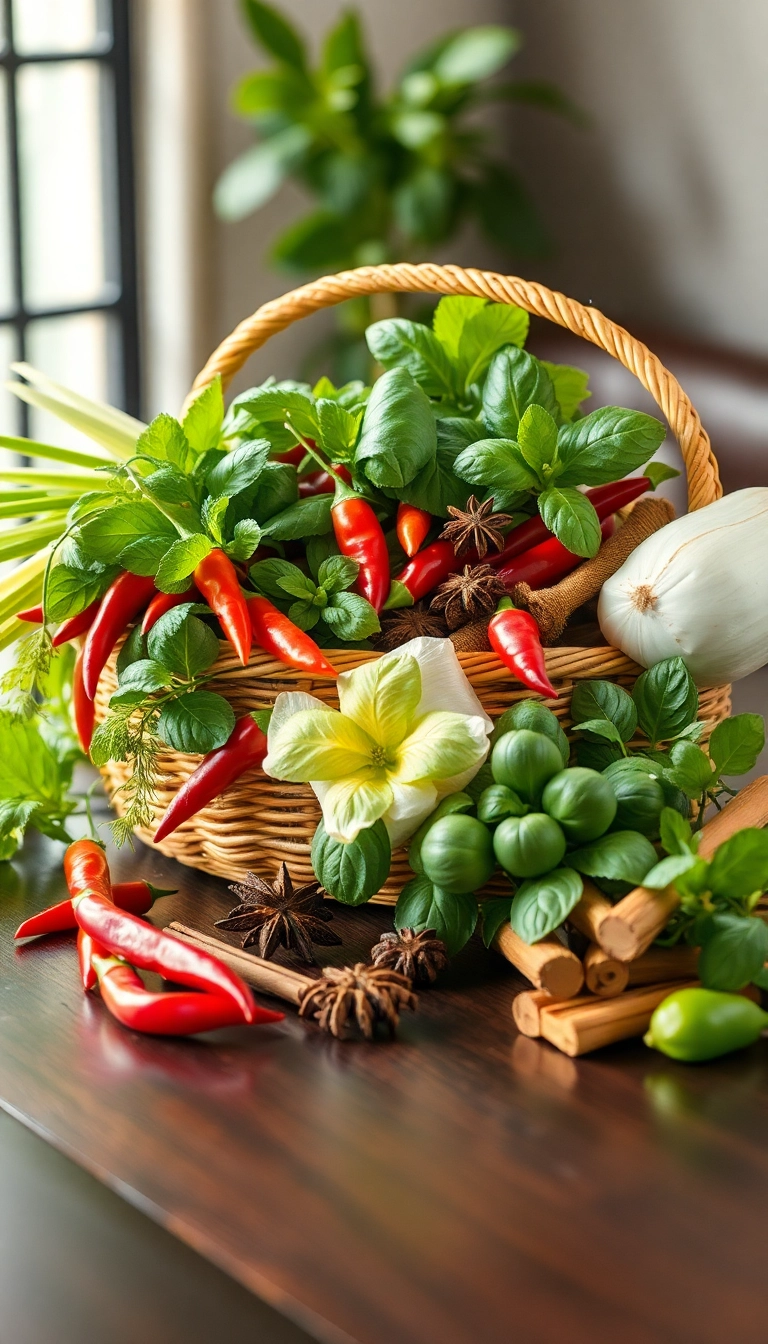
Vietnamese cuisine is a celebration of fresh, bold, and balanced flavors. As I’ve explored these ingredients, I’ve learned that patience and experimentation are key. To truly appreciate the depth involved, understanding authentic Vietnamese flavor profiles is essential. Don’t be discouraged if your first attempts aren’t perfect. Keep trying, taste often, and soon you’ll be creating dishes that transport you straight to Vietnam!
Your Vietnamese Flavor Adventure Awaits
Getting to know Vietnamese herbs, spices, and flavors is an exciting journey. With some basic ingredients and a willingness to experiment, you can bring the vibrant taste of Vietnam into your kitchen. For further inspiration, refer back to this authentic Vietnamese flavor profiles overview. I encourage you to explore and enjoy every step of this culinary adventure. Remember, the secret is in the freshness and balance—so go ahead, spice things up and savor the magic of Vietnamese cooking!
Vietnamese cuisine is so vibrant! I love using fresh herbs like perilla and shiso for more flavor.
I’d throw in some lemongrass and kaffir lime leaves, and boom! Instant flavor explosion! But seriously, you gotta watch the balance!
And don’t forget about Thai basil and chili for that extra kick!
Have you tried using lemongrass or galangal in your dishes?