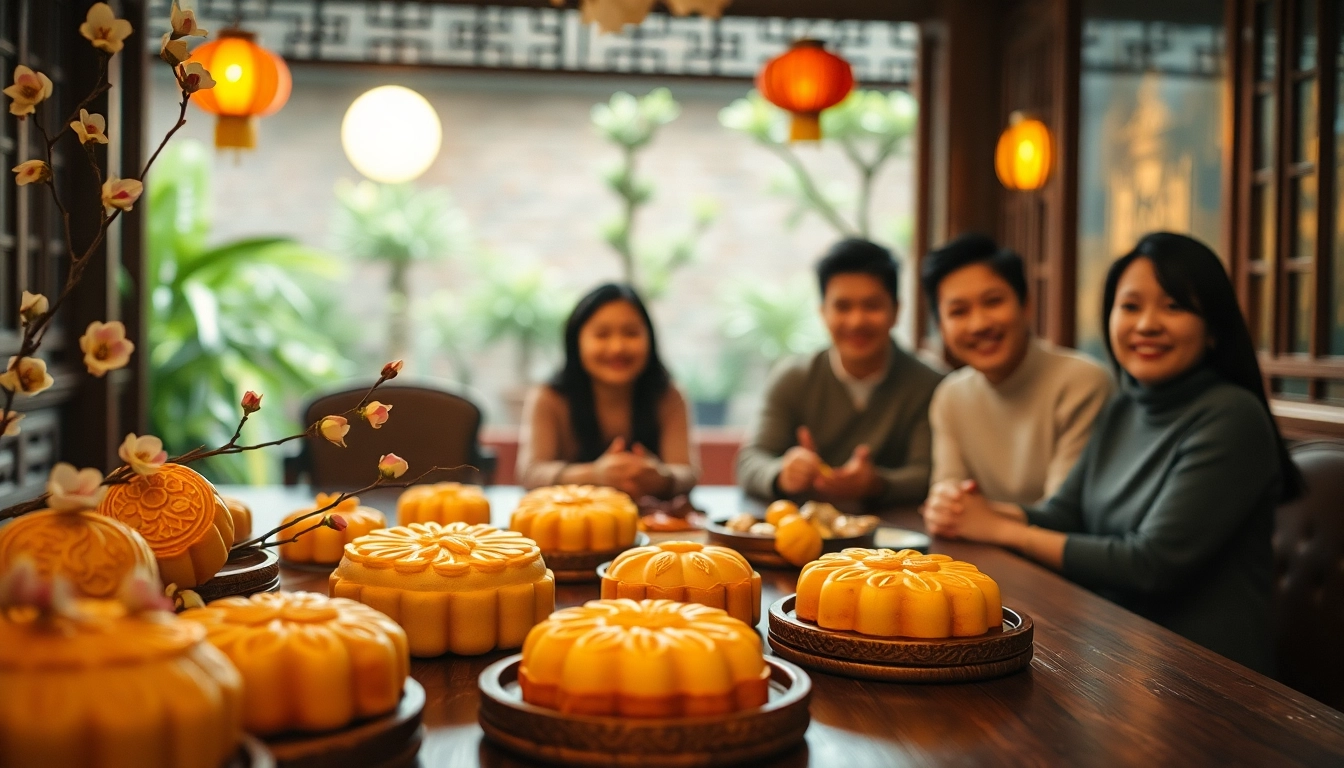
Ah, yes, that glorious time of year when I attempt to recreate the mooncakes of my childhood, inevitably resulting in a kitchen resembling a flour-bomb explosion. But hey, the memories (and the slightly wonky mooncakes) are worth it, right? This year, I’m sharing my slightly chaotic, yet utterly delicious, Vietnamese mooncake recipes with you. Let’s bake some Vietnamese mooncakes!
Why Vietnamese Mooncakes? Because They’re Awesome!
Forget those overly sweet, dense mooncakes you might find elsewhere. Vietnamese mooncakes are a revelation! They are often smaller, flakier, and easy Vietnamese mooncakes with a delightful range of savory and sweet fillings. Think salted egg yolks, lotus seed paste, and even mung bean. This year, I’m tackling five incredible variations. Buckle up, buttercup!
Mooncake Mission: Gathering Your Arsenal
Before we embark on this culinary adventure, let’s gather our ingredients. Don’t worry, I won’t make you trek to some obscure Asian market (unless you want to, of course!). Most ingredients are readily available online or at your local Asian grocery store. Pro tip: Invest in a good quality rolling pin. Trust me on this one. My previous attempts involved a wine bottle, and let’s just say it wasn’t pretty.
Recipe #1: The Classic Lotus Seed Paste Mooncake
This is the OG, the granddaddy of Vietnamese mooncakes. It’s simple, elegant, and utterly delicious. The key is finding a good quality lotus seed paste—the smoother, the better. I’ll include the authentic Vietnamese mooncake recipe below, but don’t be afraid to experiment with different sweetness levels to suit your palate. I once accidentally made them too sweet, and had to chase them with copious amounts of tea. A valuable life lesson, indeed.
Pro Tip: Don’t Overfill Your Mooncakes!
This is a common mistake. Overfilling leads to cracked mooncakes, a culinary tragedy of epic proportions. Trust me, I’ve been there. Practice makes perfect!
Recipe #2: The Salted Egg Yolk Delight
Oh, the salted egg yolk! This is where things get seriously decadent. The rich, salty yolk perfectly complements the sweetness of the lotus seed paste. If you’re feeling adventurous (and slightly masochistic, given the meticulous process of molding the yolks), then go for it! I recommend using high-quality salted egg yolks for the best flavor.
A Salted Egg Yolk Confession:
I once tried to make my own salted egg yolks. Let’s just say it involved a lot of salt, a lot of patience, and a lot of questionable-smelling eggs. Stick to pre-salted ones, folks.
Recipe #3: Mung Bean Magic
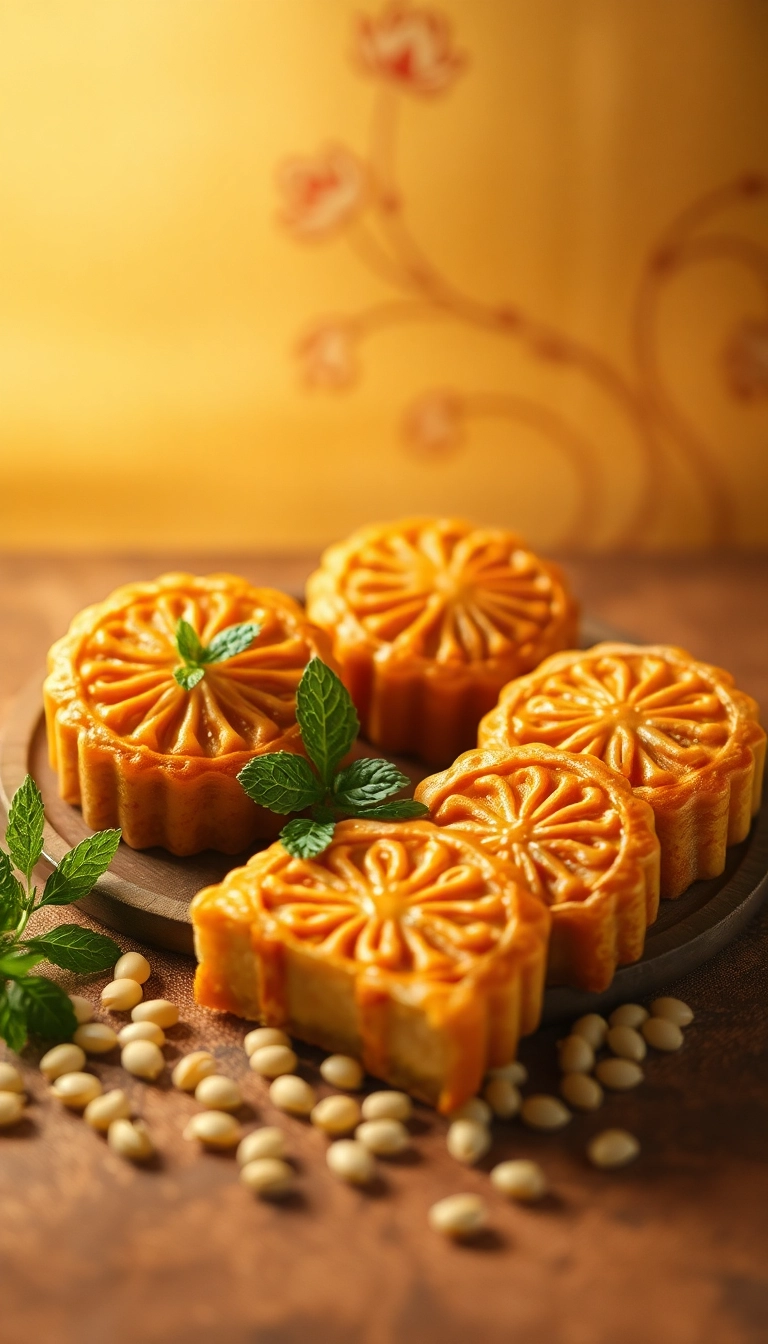
Mung bean paste mooncakes offer a slightly different flavor profile, lighter and less sweet than lotus seed paste. It’s a fantastic alternative for those seeking a less intense sweetness. I find that a touch of coconut milk adds a lovely creamy texture and subtle coconut flavor. For this, you can explore various Vietnamese mooncake recipes.
If you love cooking, you’ll find that making your own custom recipe card designs is a surprisingly fulfilling and creative experience.
Recipe #4: The Unexpected: Five-Spice Mooncake
Feel like spicing things up? This recipe incorporates a unique blend of five-spice powder, giving the mooncakes a warm, aromatic twist. It’s a bit of a departure from traditional recipes, but the results are surprisingly delicious. It’s like a culinary adventure in your mouth!
Recipe #5: Sweet Potato Surprise
For a truly unique twist, try incorporating sweet potato into your mooncake filling. The sweetness of the potato adds a delightful depth to the mooncakes. I like to mash the sweet potato before mixing it with other ingredients for a smooth, creamy texture. It’s an unexpected delight!
Baking Blunders and Triumphs: My Mooncake Journey
Over the years, I’ve encountered my fair share of mooncake mishaps. From burnt bottoms to cracked shells, the journey has been anything but smooth sailing. But the lessons learned (and the delicious mooncakes eventually produced) make it all worthwhile.
Tips for Mooncake Mastery
Here are a few tips to help you avoid my past mistakes: Don’t rush the process, ensure your ingredients are at the right temperature, and don’t be afraid to experiment! The beauty of baking is that there’s always room for easy Vietnamese mooncakes and personal touches.
Sharing the Mooncake Love
Once your mooncakes are ready, it’s time to share the love! Gather your friends and family for a Mid-Autumn Festival celebration. Enjoy the beautiful full moon, share stories, and savor the fruits (or should I say, mooncakes?) of your labor. Happy baking!
- The perfect mooncake requires patience and precision.
- Don’t be afraid to experiment with different fillings.
- High-quality ingredients make all the difference.
- A good rolling pin is your best friend.
- Don’t overfill your mooncakes!
- Embrace the imperfections; they add character.
- Share your mooncakes with loved ones.
- Enjoy the beautiful full moon.
- Make it a memorable celebration.
- Remember to have fun!
- Happy Mid-Autumn Festival!
Diving Deeper: The Art of Mooncake Dough
Let’s talk dough. The dough is just as crucial as the filling when it comes to creating the perfect mooncake. There are different types of dough you can use, each resulting in a different texture and appearance. For Vietnamese mooncakes, a common choice is a pastry dough, which gives that delightfully flaky texture. The key to a good pastry dough is cold ingredients. Keep your butter (or lard, depending on the recipe) chilled until you’re ready to use it. This prevents the gluten from overdeveloping, resulting in a tender, flaky crust. Think pie crust, but with an Asian twist!
Another option is a glutinous rice flour dough, which results in a chewier, mochi-like texture. These mooncakes are often steamed rather than baked. If you’re feeling adventurous, give both types a try and see which one you prefer.
Troubleshooting Dough Disasters
Dough too dry? Add a little bit of water, a teaspoon at a time, until it comes together. Dough too sticky? Add a little bit of flour, again, a teaspoon at a time. Remember, patience is key. Don’t overwork the dough, as this will make it tough. Wrap the dough in plastic wrap and let it rest in the refrigerator for at least 30 minutes before using. This allows the gluten to relax and makes the dough easier to handle.
The Importance of Mooncake Molds
Ah, the mooncake mold! This is where the magic happens. These intricately carved molds not only give the mooncakes their signature shape but also imprint them with beautiful designs. You can find mooncake molds in a variety of shapes and sizes, from traditional round molds to more modern square or even animal-shaped molds. Experiment with different molds to create unique and visually stunning mooncakes.
When using a mooncake mold, make sure to dust it with flour before pressing the dough into it. This will prevent the dough from sticking. Press firmly and evenly to ensure that the design is clearly imprinted. Gently tap the mooncake out of the mold and onto a baking sheet.
Caring for Your Mooncake Molds
To keep your mooncake molds in tip-top shape, wash them with warm, soapy water after each use. Dry them thoroughly before storing them. Avoid using abrasive cleaners, as they can damage the intricate carvings.
Beyond the Recipes: Mooncake Variations Around Asia
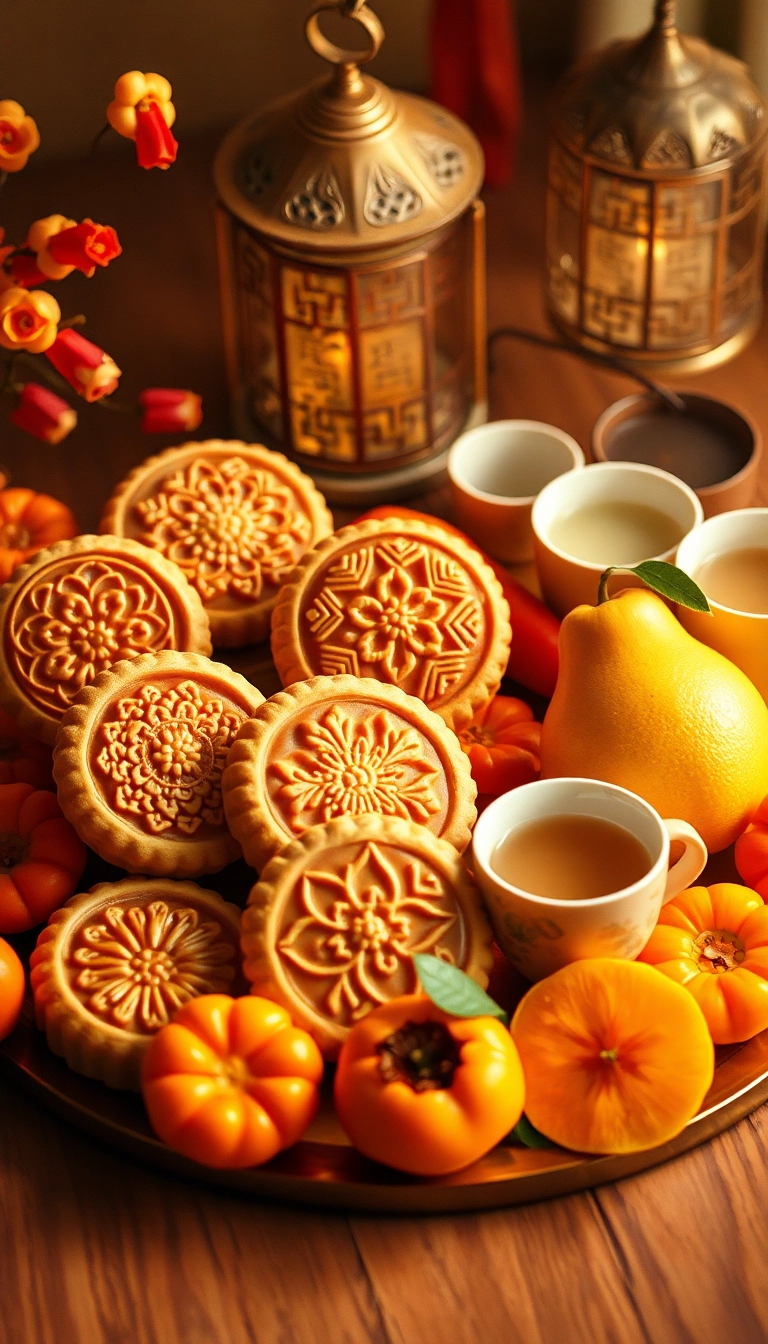
While we’re focusing on Vietnamese mooncakes, it’s worth noting that mooncakes are enjoyed throughout Asia, each region boasting its own unique variations. In China, you’ll find mooncakes filled with everything from red bean paste to nuts and seeds. Some even contain savory fillings like ham or roast pork! Japanese mooncakes, known as “tsukimi dango,” are typically simple, round dumplings made from rice flour. Korean mooncakes, called “songpyeon,” are often half-moon shaped and filled with sweet bean paste or sesame seeds.
Exploring these different variations is a fun way to expand your culinary horizons and appreciate the diversity of Asian cuisine. Who knows, you might even find inspiration for your next mooncake baking adventure!
Pairing Your Mooncakes: The Perfect Beverage Companions
No mooncake experience is complete without the perfect beverage pairing. Traditionally, mooncakes are enjoyed with Chinese tea. The slightly bitter taste of the tea helps to balance the sweetness of the mooncakes. Green tea, oolong tea, and pu-erh tea are all excellent choices. If you’re not a tea drinker, try pairing your mooncakes with a glass of chilled sake or even a light-bodied wine.
For those who prefer something non-alcoholic, a refreshing glass of chrysanthemum tea or barley water is a great option. The key is to choose a beverage that complements the flavors of the mooncakes without overpowering them.
Master iconic Vietnamese soups, noodles, and more at our recipes collection.
The Mid-Autumn Festival: More Than Just Mooncakes
The Mid-Autumn Festival is about more than just mooncakes. It’s a time for family reunions, moon gazing, and lantern lighting. It’s a celebration of the harvest and a time to give thanks for the blessings in our lives. The full moon symbolizes completeness and unity, and the festival is a reminder of the importance of family and togetherness.
So, as you embark on your mooncake baking adventure, remember that you’re not just making delicious treats, you’re also participating in a rich cultural tradition. Share your mooncakes with loved ones, tell stories, and enjoy the beauty of the full moon. Happy Mid-Autumn Festival!
Embracing the Mooncake Challenge
Baking mooncakes can be challenging, but it’s also incredibly rewarding. Don’t be discouraged if your first few attempts aren’t perfect. The most important thing is to have fun and enjoy the process. Even so, following an authentic Vietnamese mooncake recipe can help streamline things.
And remember, even if your mooncakes don’t look perfect, they’ll still taste delicious! After all, it’s the love and effort that you put into them that truly matters. So, gather your ingredients, put on your apron, and get ready to embark on a mooncake baking adventure that you’ll never forget. For beginners, authentic Vietnamese mooncake recipe options are widely available, making it accessible. Happy baking, and Happy Mid-Autumn Festival!
