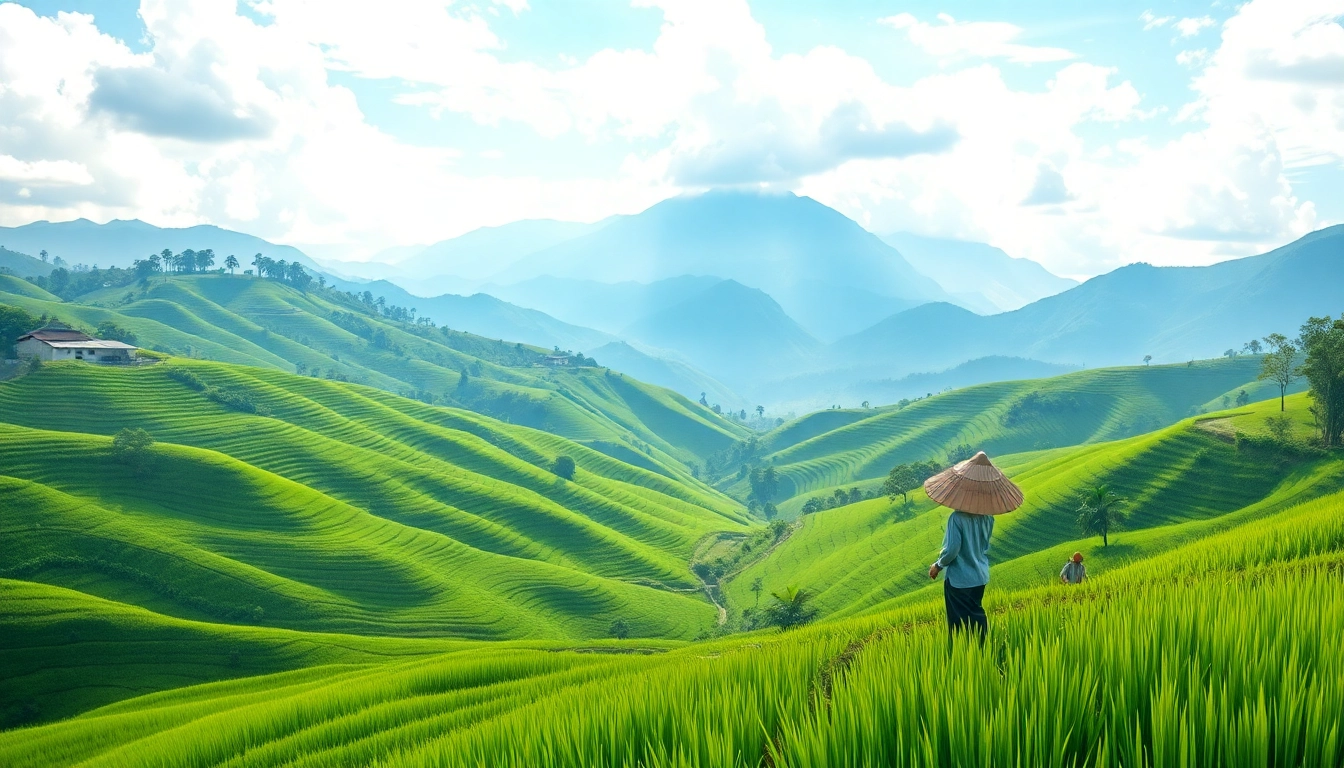
When I first planned my trip to Vietnam, I realized that understanding the country’s diverse climate was essential. Vietnam’s best travel months helped me choose the best time to visit specific areas and make the most of my journey.
Vietnam generally experiences a tropical monsoon climate, but the variations across regions mean you need to tailor your travel plans accordingly. The North has chilly winters and hot summers, while the South enjoys warm temperatures year-round, which aligns with Vietnam’s ideal visiting time for many travelers.
Best Overall Time to Visit Vietnam
If you’re seeking a period that offers good weather across most parts of Vietnam, I recommend visiting between late February and April. During these months, the weather is warm but not overly hot, and rainfall is minimal. I visited Vietnam in April once, and the sunny skies made exploring cities like Hanoi and Ho Chi Minh City truly enjoyable. This window also coincides with the best time to visit Vietnam weather.
This window also coincides with the spring festival season, making it an excellent time to enjoy local celebrations and vibrant street scenes. Plus, the landscapes are lush and green, perfect for photography and outdoor adventures.
Visiting Northern Vietnam: When to Go
The north, including Hanoi, Sapa, and Ha Long Bay, has a cooler climate from November to March, with temperatures dropping significantly in winter. I experienced the crisp air and stunning mountain vistas during this period, which made trekking and sightseeing incredibly refreshing.
However, if you prefer milder weather, I recommend visiting in late February or early March, which is one of Vietnam’s best travel months. Avoid the coldest months of December and January if you dislike chilly weather, but do keep in mind that Hanoi can be foggy and misty during winter, which adds a mysterious charm but may obscure distant views.
The summer months from May to August bring hot, humid weather with heavy monsoon rains. If you plan to visit Sapa or Hanoi during this time, be prepared for sudden downpours and high humidity. I find that spring and early autumn are ideal for northern trips.
South Vietnam: When to Visit

The south, including Ho Chi Minh City, the Mekong Delta, and Phu Quoc Island, has a tropical climate with warm temperatures all year. The best time to visit here is during the dry season, from December to April, also known as Vietnam’s ideal visiting time when you can enjoy sunny days and little rain.
I visited Ho Chi Minh City in March, and the weather was perfect—hot but manageable, with clear skies. The dry season allows for seamless exploration of outdoor markets, river cruises, and historical sites without weather disruptions.
May to November is the rainy season in the south, with afternoon showers common. While the rain can be refreshing, it might disrupt outdoor activities. If you choose to visit during these months, plan indoor visits or early morning excursions.
Central Vietnam: Best Time to Experience the Charm
Central Vietnam, including Hue, Da Nang, and Hoi An, has a complex climate with a rainy season from September to December. During this time, the region experiences heavy rains, which can cause flooding and travel disruptions. I learned this firsthand during a trip in October when my plans to visit Hoi An were delayed due to flooding.
The ideal time to visit is from February to April, offering the best time to visit Vietnam weather when the weather is dry and warm, perfect for beach days and exploring ancient towns. The beaches in Da Nang and the historic streets of Hoi An are especially charming during this period.
Should you visit in the rainy season, be prepared for sudden showers, and consider planning indoor activities or visiting during the early months of the year.
Special Festivals and Events: Timing Your Visit for Cultural Experiences
Vietnam is rich with festivals and celebrations that can enhance your travel experience. Planning your trip around these events can offer a deeper cultural immersion. For example, Tet Nguyen Dan, or Vietnamese New Year, usually falls in late January or early February, and it’s a vibrant, lively time filled with fireworks, parades, and family gatherings.
I attended Tet celebrations in Hanoi, and the energy was contagious. Streets were filled with lanterns, traditional dances, and special foods. Keep in mind, however, that many businesses close during Tet, so plan accordingly.
Other notable festivals include the Mid-Autumn Festival in September and Hue Festival in April, each offering unique cultural insights and spectacular displays.
Weather Considerations for Outdoor Enthusiasts
If outdoor adventures are your priority, timing is everything. For trekking in the north, spring (February to April) offers clear skies and mild temperatures, perfect for mountain hikes and exploring hill tribes. I remember hiking in Sapa during this period, feeling energized and inspired by the breathtaking scenery.
Beach lovers should aim for the dry season from December to April, when the ocean is calm and the weather is warm. I spent several days relaxing on Phu Quoc Island during March, and the sea was inviting and peaceful.
For river cruises in the Mekong Delta, the dry season ensures smooth sailing and vibrant scenery. Rainy seasons can make navigation tricky and less scenic.
Travel Costs and Crowds: When to Avoid Peak Seasons
Understanding the crowds and costs associated with travel timing can help you plan a more budget-friendly and relaxed trip. Peak tourist seasons in Vietnam are during major festivals and the dry season, especially from December to April. During this time, prices for accommodation and flights tend to be higher, and popular spots can be crowded.
Personally, I prefer shoulder seasons like late September or early November, when the weather is still decent but the crowds are thinner. During these months, I enjoyed more personalized experiences and better rates on hotels.
Traveling during the rainy season (May to August) often means fewer tourists and better deals, but be prepared for occasional rain showers that might limit outdoor plans.
Practical Tips for Planning Your Trip
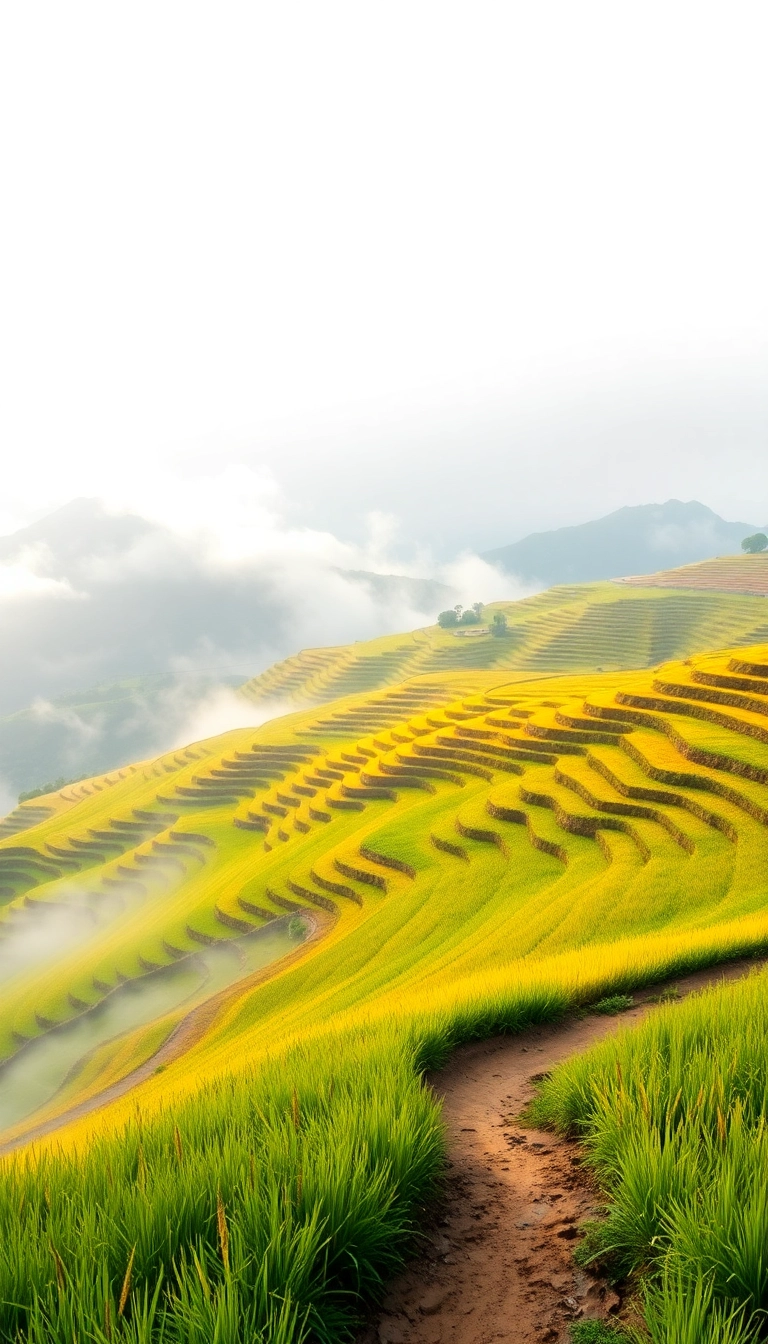
To make the most of your visit, I recommend checking regional weather forecasts close to your departure date. Flexibility is key—if you can adjust your plans based on weather patterns, you’ll have a better experience.
Understand the unique offerings of Northern, Central, and Southern Vietnam in our comprehensive Vietnam travel regions guide.
Booking accommodations in advance during peak seasons can save you money and secure your preferred stays. Also, consider packing versatile clothing—light layers for the north’s cooler months and lightweight, breathable fabrics for the south’s warmth.
Lastly, keep in mind local holidays and festivals, as these can be both an opportunity and a challenge. Embrace the cultural vibrancy, but plan ahead for closures and busy streets.
Embrace the Season and Create Lasting Memories
Vietnam’s diverse climate means there’s no one-size-fits-all perfect time to visit. Instead, I see it as an invitation to tailor your trip around what excites you most—whether it’s mountain adventures, beach relaxations, or cultural festivals.
By understanding regional weather patterns and planning accordingly, you can avoid the pitfalls of bad weather and maximize your enjoyment. Every season offers its own charm and opportunities for discovery. So, choose your timing wisely, pack your sense of adventure, and get ready for an unforgettable journey through Vietnam’s vibrant landscapes and cultures.
Vietnam’s festivals are vibrant during the dry season. Hoi An is magical in cooler months!
I wonder how the Tet Festival feels in Hoi An! I visited last year. pure magic!
Tet in Hoi An is incredible! Visiting during dry season makes it even better!
I felt the same! Hoi An during Tet is unforgettable. like stepping into a postcard!
You’re so right! The lanterns glow best when it’s cooler. perfect for evening strolls!