Vietnam, a land of breathtaking landscapes, vibrant culture, and delicious food, is a dream destination for many travelers seeking an authentic Southeast Asian experience. From bustling cities and serene countryside to stunning beaches and historic sites, Vietnam offers a rich tapestry of sights and sounds that beckon explorers from around the world. However, navigating this diverse country can feel overwhelming at first, especially when it comes to transportation options. Whether you’re a seasoned traveler or a first-time visitor, understanding how to get around efficiently and safely is key to making the most of your trip. In fact, discovering the best way to travel in Vietnam can enhance your experience. Don’t worry—I’m here to help! Having explored Vietnam extensively and personally tested many of its transportation methods, I’ve learned the ins and outs of traveling within the country. I’m excited to share my experiences, tips, and insights to help you plan your perfect Vietnamese adventure.
Motorbikes: The Classic Vietnamese Experience
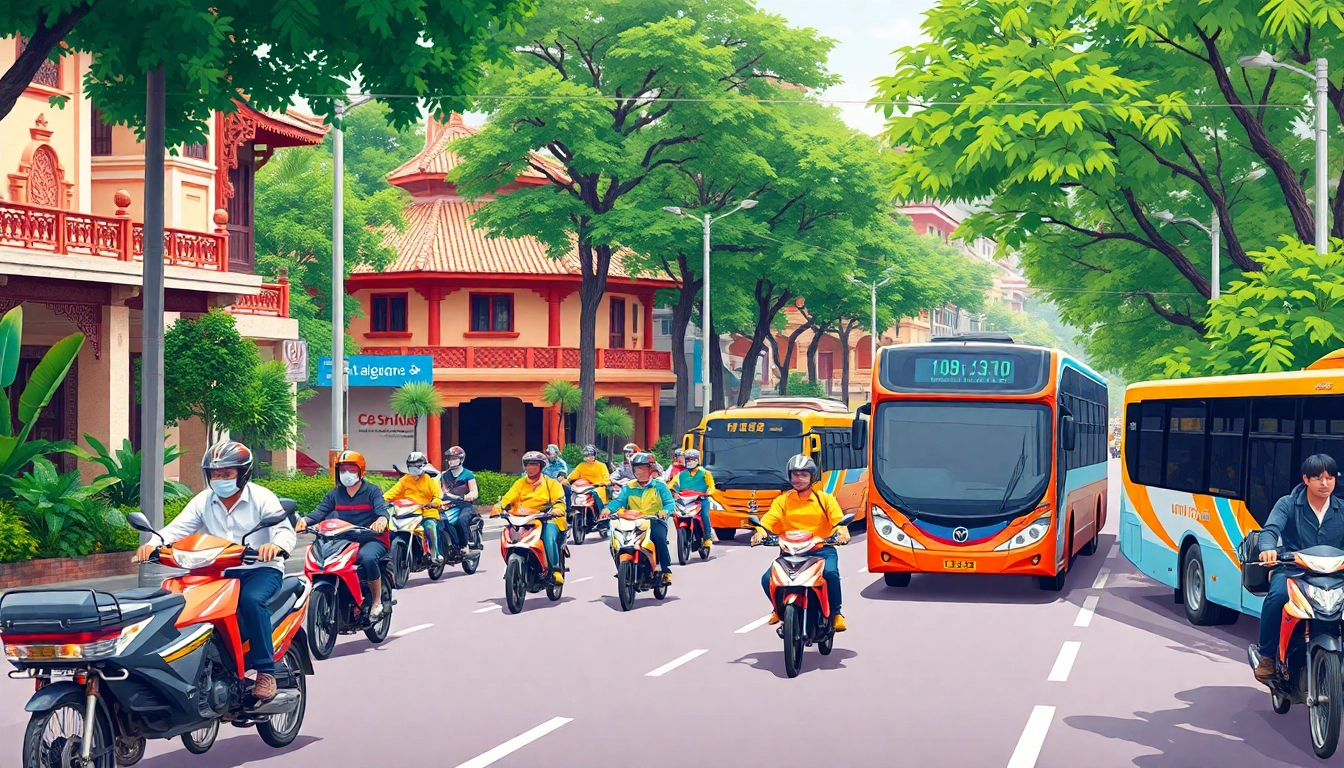
Ah, the motorbike. The quintessential Vietnamese mode of transport. It’s affordable, agile, and undeniably fun. Riding a motorbike in Vietnam is more than just getting from point A to point B; it’s an immersive experience that offers a unique perspective on everyday life. I remember my first time hopping on a motorbike in Hanoi—an exhilarating whirlwind of sights, sounds, and near misses! The streets are alive with vendors, scooters, cars, and pedestrians all vying for space. But before you jump on and zoom off, consider a few important things. Are you an experienced rider? Vietnamese traffic can be chaotic, especially in major cities like Hanoi, Ho Chi Minh City, and Da Nang. If you’re not confident riding in busy traffic, I highly recommend taking a short motorcycle riding course or starting in quieter areas to build your skills. Renting a bike is easy and cheap, with many rental shops offering daily or weekly rates, but it’s crucial to inspect the bike thoroughly and always wear a helmet. Seriously, always wear a helmet—it’s the law and a simple way to protect yourself.
Renting vs. Buying
For shorter trips—say, a week or two—renting a motorbike is the most practical and cost-effective option. It allows you the flexibility to explore at your own pace without the long-term commitment. Many rental shops provide well-maintained bikes, and you can usually rent helmets and accessories easily. However, if you’re planning an extended stay or want to experience the country like a local, buying a used bike might be worthwhile. It can be more economical in the long run, especially if you plan to travel extensively within Vietnam. Just be prepared for potential maintenance issues and the hassle of reselling the bike later. Additionally, familiarize yourself with local traffic laws and riding customs to ensure a safe journey.
Trains: Scenic and Relaxing
If you prefer a more relaxed pace and want to soak in the stunning scenery of Vietnam, train travel is an excellent choice. The country’s railway network connects many major cities and scenic regions. When considering a Vietnam travel transport comparison, the most famous route is the Reunification Express, running from Hanoi in the north to Ho Chi Minh City in the south. I took this train several years ago, and it was an unforgettable experience. Waking up to breathtaking coastal views, lush rice paddies, and mountains passing by your window makes the journey truly magical. The trains are comfortable, with various class options—from basic seats to luxurious sleeper cabins—allowing you to choose based on your budget and preferences. It’s advisable to book your tickets in advance, especially during peak tourist seasons or holidays, to secure your preferred travel times and seats. Traveling by train not only provides comfort but also a chance to meet fellow travelers and locals alike, sharing stories and tips along the way.
Buses: Budget-Friendly and Extensive

Buses are the most common and affordable transportation options in Vietnam. The extensive bus network covers virtually every corner of the country, from bustling cities to remote villages. There are various types of buses, including ordinary, VIP, and sleeper buses. Sleeper buses, equipped with reclining seats or even beds, are popular for overnight journeys, allowing travelers to rest while covering large distances. I’ve taken countless bus rides across Vietnam, and while they can sometimes be bumpy, crowded, or noisy, they offer a fantastic way to experience local life firsthand. Expect some unexpected stops or detours, which are often part of the adventure. To ensure a smooth trip, arrive early, keep your belongings close, and be patient with the sometimes unpredictable schedule. Buses are also a great opportunity to interact with local passengers, learn about Vietnamese culture, and practice your language skills.
Flights: Quick and Convenient
For covering vast distances in a short amount of time, domestic flights are your best option. Vietnam has several budget airlines, such as VietJet Air, VietNam Airlines, and Bamboo Airways, which offer affordable flights between major cities like Hanoi, Ho Chi Minh City, Da Nang, and Nha Trang. Flying from Hanoi to Ho Chi Minh City, for example, can save you a significant amount of travel time compared to the train or bus. This is especially useful if you have limited time or want to maximize sightseeing. Keep in mind that airports are usually located outside city centers, so factor in additional transfer time when planning your itinerary. Also, book your tickets early to get the best deals, as flight prices can fluctuate. While flights are convenient, be prepared for potential delays or cancellations, which are not uncommon during peak travel seasons or due to weather conditions.
Taxis and Ride-Hailing Apps: Easy City Travel
In urban areas, taxis and ride-hailing apps like Grab are the go-to transportation options for short trips within the city. I find Grab particularly useful because it allows you to book rides easily, track your driver, and pay through the app without needing cash. It also often offers lower fares compared to traditional taxis. Always make sure the taxi meter is running or agree on a price beforehand to avoid misunderstandings. In major cities, ride-hailing services have become increasingly popular and reliable, making city navigation hassle-free. Taxis can be useful for trips to the airport, hotel transfers, or when you’re in a hurry. Be cautious in less-developed areas or at night, and always opt for reputable taxi companies or ride-hailing services to ensure safety.
Cyclo and Xe Om: Unique Local Experiences
For a truly authentic and unique way to explore Vietnam, try a cyclo (a three-wheeled bicycle taxi) or a xe om (motorbike taxi). These modes of transport are more common in tourist areas like Hanoi’s Old Quarter or Ho Chi Minh City’s District 1. Riding in a cyclo provides a leisurely, sightseeing-focused experience—perfect for exploring narrow streets and historic neighborhoods. The xe om, on the other hand, is a quick and adrenaline-pumping way to get around, especially when navigating traffic jams. Just be prepared to haggle for the price beforehand, and ensure safety by wearing a helmet if possible. These options are not only fun but also allow you to interact more closely with locals and see the city from a different perspective.
Boats and Ferries: Exploring Waterways

Vietnam boasts a stunning coastline, numerous rivers, and delta regions, making boats and ferries essential for reaching certain destinations. Taking a boat trip in Ha Long Bay is a must-do activity—it offers breathtaking views of limestone karsts and emerald waters. Similarly, exploring the Mekong Delta by boat provides insight into Vietnam’s agricultural richness and vibrant river life. Ferries connect islands to the mainland and are often used for short-distance travel between cities and regions. I highly recommend booking a boat tour or ferry ride to experience Vietnam’s natural beauty from the water. These journeys are not only scenic but also provide a relaxing break from land-based travel, allowing you to appreciate the country’s diverse landscapes and vibrant waterways.
Unlock authentic Vietnam experiences with our Vietnam travel how-tos and expert advice.
Choosing What’s Right for You
Ultimately, the best transportation option for your Vietnam adventure depends on your budget, time constraints, comfort level, and personal preferences. Do you value speed and convenience? Domestic flights or taxis might be your best bet. Are you on a tight budget and eager to immerse yourself in local life? Buses and trains are excellent choices. Finding the best way to travel in Vietnam can help you decide. For a mix of experiences, I encourage you to try a combination of transportation modes throughout your trip. This approach will give you a well-rounded perspective of Vietnam’s diverse regions and cultures. Remember, each mode of transport offers a different view of the country, enriching your overall experience. So, plan ahead, stay flexible, and most importantly, enjoy the ride. Safe travels, and may your journey through Vietnam be filled with unforgettable moments and discoveries!
Riding a motorbike in Vietnam sounds thrilling! But isn’t the traffic a bit wild? 😅 *facepalm* Plus, I’ve heard using Grab is a lifesaver for navigating those chaotic streets!
Navigating Vietnam’s traffic can be tough. Have you thought about using navigation apps or ride-hailing?
Using navigation apps and ride-hailing services can really enhance your travel experience in Vietnam! Getting around is a breeze, letting you enjoy the sights. Did you know Vietnam has the world’s largest cave?
It’s incredible! Did you know Vietnam has the world’s largest cave? Stunning scenery awaits!