
When I first planned my trip to Vietnam, I quickly realized that the country’s climate is incredibly diverse, influenced by its long north-to-south stretch and varied geography. To truly enjoy your visit, Vietnam’s best travel time understanding the climate patterns is essential. Vietnam experiences a tropical monsoon climate, meaning distinct wet and dry seasons, but these seasons vary significantly across regions. This variability can be confusing at first, but with some knowledge, you can plan your trip to coincide with the best weather for your interests and activities. Knowing the regional climate differences will help you avoid the rainy surprises and enjoy each part of Vietnam at its best.
Northern Vietnam: Cool Winters and Hot Summers
In the north, especially Hanoi and Ha Long Bay, winters (December to February) are cool and relatively dry, with temperatures dropping to around 10-20°C (50-68°F). The air is crisp, and the skies are often clear, making it an ideal time for sightseeing and outdoor activities. Vietnam’s ideal visit months The cool weather also makes exploring the bustling streets of Hanoi or cruising around Ha Long Bay much more comfortable. Summers (June to August) are hot and humid, often exceeding 30°C (86°F) with heavy rainfall, which can sometimes disrupt travel plans or make outdoor activities less enjoyable. Spring (March to April) and autumn (September to November) are particularly pleasant, with mild temperatures and less rain—my favorite times to visit this region. During these shoulder seasons, the weather is ideal for trekking in Sapa or exploring the scenic rice terraces, and the landscapes are lush and vibrant. Additionally, these times tend to be less crowded, allowing for a more relaxed experience.
Central Vietnam: The Transitional Zone
The central coast, including Da Nang, Hoi An, and Hue, has a more complicated climate. Winters are mild and dry, providing comfortable weather for exploring ancient towns, beaches, and historical sites. Summers, however, are hot and humid, often reaching temperatures above 35°C (95°F). This region is also prone to typhoons from August to October, which can disrupt travel plans, cause flooding, and lead to cancellations of tours and flights. Best time to visit northern Vietnam The typhoon season is a significant consideration when planning a trip to central Vietnam. I recommend visiting in spring (February to April) or autumn (October to December) to avoid the typhoons and enjoy more stable, pleasant weather. During these periods, the beaches are less crowded, and you can enjoy outdoor activities like cycling, boat trips, and exploring ancient ruins without the oppressive heat or stormy weather. Hue’s historic sites and Hoi An’s lantern-lit evenings are especially enchanting during these months.
Southern Vietnam: Year-Round Warmth
Southern Vietnam, including Ho Chi Minh City and the Mekong Delta, enjoys a tropical climate with warm temperatures year-round. Vietnam’s best travel time The dry season (December to April) offers sunny skies and low humidity—perfect for exploring bustling cities, floating markets, and lush river landscapes. This is also the best time for outdoor adventures, such as cycling or taking boat tours in the Mekong Delta. The rainy season (May to November) brings short, heavy showers, usually in the late afternoon or evening, which typically pass quickly. The landscape turns incredibly lush and vibrant, offering stunning scenery and a different, more tranquil atmosphere. I personally loved swimming in the calm, warm waters of Nha Trang in May, when the weather was warm and the sea was inviting. The rainy season, while sometimes inconvenient, also means fewer tourists and better deals on accommodations. It’s a great time for indoor activities like visiting museums, trying local cuisine, or relaxing in cozy cafes, especially in Ho Chi Minh City.
Best Overall Months to Visit Vietnam
Based on my travels and experiences, the best months to visit Vietnam are from February to April and from September to November. During these periods, the weather is generally pleasant across most regions, avoiding the extremes of heat, cold, and heavy rains. Vietnam’s ideal visit months If you want to maximize your sightseeing and outdoor activities, these months are ideal. I remember exploring Hanoi in April, with clear skies and blooming flowers, making every photo pop! The temperatures are moderate, and the landscapes are beautifully lush. Similarly, autumn in Vietnam offers cooler weather and fewer tourists, making visits to iconic sites like Hội An or the Cu Chi Tunnels more enjoyable. Planning your trip during these months also means you can experience festivals, local markets, and cultural events at their best, enriching your travel experience.
Peak Tourist Seasons and When to Avoid Crowds
If you prefer a quieter experience and wish to avoid the crowds, it’s best to steer clear of major holidays and festivals, like Tet (Vietnamese New Year), which usually falls in late January or early February. Best time to visit northern Vietnam During Tet, many local businesses close, and travel can be hectic with increased transportation and accommodation costs. I once visited Hanoi during Tet, and although the city was lively, many attractions were closed, so plan accordingly. However, experiencing Tet offers a unique cultural insight, as the entire country celebrates with fireworks, parades, and family gatherings. For a more relaxed trip, I recommend shoulder seasons—spring (March-April) and autumn (October-November)—when tourist numbers are lower, and prices are more reasonable. These periods also offer better opportunities for authentic interactions with locals, who are less busy and more welcoming. Additionally, traveling during these times allows for better photo opportunities, as popular sites are less crowded and more photogenic. Waking up early to explore popular landmarks becomes a peaceful and rewarding routine, giving you a different perspective of Vietnam’s vibrant cities.
Weather Considerations for Specific Activities
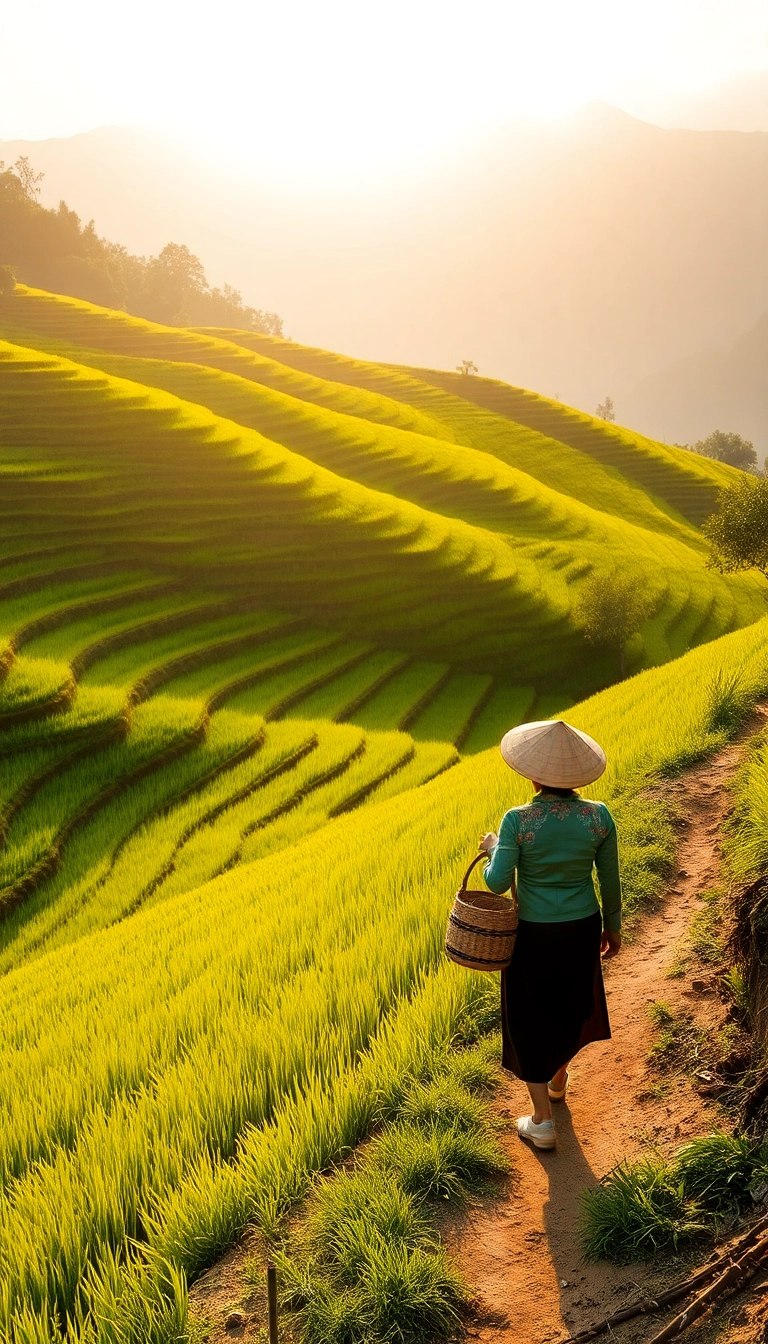
Thinking carefully about your planned activities can help determine the best time to visit specific regions or participate in certain pursuits. For example, if you’re keen on hiking in Sapa or trekking in the northern highlands, spring (March-April) and autumn (September-October) are perfect. The temperatures are cool and comfortable, and trails are clear of snow or mud after the rainy season. The stunning terraced rice paddies are at their most picturesque during harvest season, which varies but is usually from September to November. For beach lovers, the central coast and southern beaches are best visited from February to August, avoiding the rainy season and typhoon risk. I personally loved swimming in the calm, warm waters of Nha Trang in May, when the weather was perfect for water sports and sunbathing. If your interests include exploring caves, diving, or snorkeling, check the local weather forecasts and seasonal conditions to ensure safety and enjoyment. The seasonal variations in water visibility and marine life can significantly impact your experience.
Festivals and Cultural Events Worth Planning Around
Vietnamese festivals are vibrant and enriching experiences that can add a special touch to your trip. The most significant celebration is Tet, the Lunar New Year, which usually occurs in late January or early February. During Tet, the entire country is adorned with peach blossoms, kumquat trees, and colorful decorations. Fireworks displays light up the night sky, and traditional music fills the streets. Visiting during Tet offers a unique glimpse into Vietnamese family life and customs, but it can also be hectic and crowded. Many businesses close during this time, so plan ahead for accommodations and sightseeing. Another highlight is the Mid-Autumn Festival in September, especially in Hoi An and Hanoi, where lanterns are released into the sky, creating a magical atmosphere. Lantern-making workshops, mooncakes, and dragon dances are part of the celebrations. Planning your trip around these festivals not only enhances your cultural understanding but also provides memorable photo opportunities. Just remember to book accommodations early, as these events draw many local visitors and tourists alike.
Practical Tips for Traveling During Different Seasons
Traveling during the dry season means comfortable weather, but it also coincides with peak tourist times, so prices can be higher, and popular sites more crowded. If you’re on a budget, shoulder seasons are better, and I found that accommodation prices drop, plus there are fewer tourists. Pack layers for northern trips—mornings can be cool, but afternoons warm up quickly. For northern Vietnam, include a light jacket or sweater, especially if you plan to visit Sapa or the northern highlands. In the south, lightweight clothing and waterproof gear are essentials during the rainy season. I always carry a compact umbrella—it’s a lifesaver! Also, consider bringing insect repellent, especially if you plan to visit rural or jungle areas, as mosquitoes can be prevalent during the rainy season. Planning ahead and being prepared ensures your travels are smooth and comfortable regardless of the season.
Dealing with the Rainy Season
The rainy season in Vietnam, from May to October in the north and south, can seem challenging at first. However, I discovered that short, intense showers often occur in the late afternoon, leaving mornings clear for sightseeing and outdoor activities. The landscape becomes incredibly lush and green, providing stunning backdrops for photos and nature walks. Prices tend to drop during this period, making accommodations, tours, and transportation more affordable. If you don’t mind a little rain, it’s a fantastic time to explore indoor attractions such as museums, temples, and art galleries, or relax in cozy cafes and enjoy local cuisine. Just be prepared with waterproof clothing and quick-drying shoes. I always carry a waterproof backpack to protect my electronics and essentials. Plus, visiting during the rainy season offers a different perspective of Vietnam’s natural beauty, with waterfalls at their fullest and rice paddies shimmering with reflections—truly a photographer’s paradise.
Tips for Avoiding the Tourist Crowds
To experience Vietnam like a local and avoid the crowds, consider traveling during the shoulder seasons, particularly early spring (March-April) and late autumn (October-November). These months typically have fewer tourists, allowing you to explore famous sites such as Ha Long Bay, Hội An, or the Imperial City of Huế with more tranquility and space for reflection. I found that visiting popular spots early in the morning or later in the evening also helps avoid the bulk of the crowds and provides better lighting for photos. Some lesser-known destinations can be just as rewarding and often less crowded but require a bit of local knowledge or research. Engaging with local guides during these times can also enhance your experience, offering insights that aren’t available during peak season. Remember, patience and flexibility are key—sometimes, a spontaneous change in plans can lead you to hidden gems and unique encounters that make your trip truly memorable.
Flexibility Is Your Best Friend
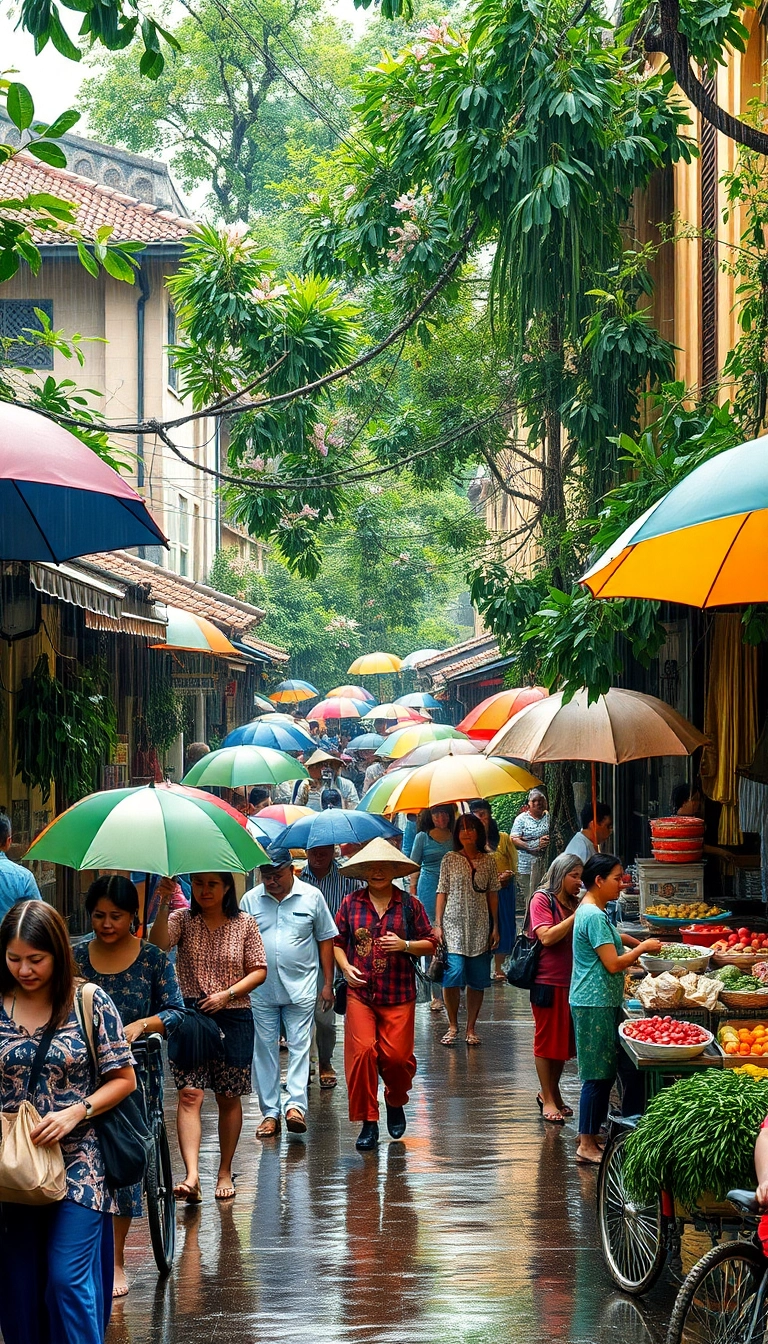
Lastly, my biggest lesson from traveling in Vietnam is to stay flexible. Weather can change unexpectedly, especially during the rainy season, and some regions might be more accessible than others at different times of year. I always keep a backup plan and check local weather forecasts regularly. For example, if a typhoon is approaching, I might shift my plans from outdoor sightseeing to indoor activities like visiting museums, markets, or cooking classes. Sometimes, a spontaneous change in plans led me to hidden gems I wouldn’t have discovered otherwise. Embracing the unpredictability makes travel more exciting and authentic. It also allows you to experience Vietnam in its true, spontaneous form—vibrant, diverse, and full of surprises. Remember to communicate with locals and fellow travelers—shared experiences and tips often provide the best insights for adjusting your itinerary.
Plan your itinerary by delving into the specifics of each Vietnam region with our Vietnam travel regions breakdown.
Your Perfect Vietnam Trip Awaits
The best time to visit Vietnam depends on what you want to do and see. If you’re after perfect weather, aim for spring or autumn, balancing comfortable temperatures and fewer crowds. Be mindful of regional differences—what’s ideal in Hanoi might not be in Ho Chi Minh City. With a little planning and flexibility, you’ll experience Vietnam’s vibrant culture, breathtaking landscapes, and warm hospitality at their best. From exploring ancient temples and bustling markets to relaxing on pristine beaches and hiking through scenic highlands, Vietnam offers something for every traveler. Remember to consider the seasonal weather patterns, local festivals, and your personal interests when planning your trip. Pack appropriately, stay adaptable, and be open to new experiences. I can’t wait for you to start your journey and create unforgettable memories in this incredible country—Vietnam truly is a land of endless discovery and adventure!
Ready for some tasty street food without the crowds? Don’t forget your poncho for those magical tropical showers!
Vietnam’s festivals are a great way to dive into its rich culture and enjoy fresh cuisine!
Have you checked out the Tet festival for an unforgettable experience?
Thinking about visiting northern Vietnam? Spring and autumn offer fewer crowds and better prices!