
Vietnamese cuisine is not merely about delicious flavors; it embodies centuries of cultural traditions, social harmony, and respect for elders. Vietnamese dining etiquette guide reflects deep-seated values such as humility, community, and reverence for ancestors. Recognizing these nuances is essential for anyone wishing to dine respectfully and authentically in Vietnam, whether as a tourist, expatriate, or culinary enthusiast. Understanding these customs can significantly enhance your experience and allow you to connect with the culture on a deeper level.
The Significance of Respect and Hierarchy at the Table
Vietnamese meal customs explained emphasize respecting elders and those with higher social status. It is customary to wait for the eldest or most senior person to start eating before others do, symbolizing deference. This act acknowledges their wisdom and experience. When serving food, younger individuals often serve elders first, highlighting the importance of filial piety—a cornerstone of Vietnamese society. Demonstrating humility and attentiveness during meals signifies understanding and appreciation of these cultural values. It’s also common for younger members to offer the best portions of food to their elders as a sign of respect. The placement of individuals around the table often reflects their status, with the most honored guest or elder seated in the most prominent position.
Proper Use of Utensils and Eating Techniques
Chopsticks are the primary utensils in Vietnam, used with skill and etiquette. Proper chopstick use in Vietnam is considered impolite to stick chopsticks upright into a bowl of rice, as this resembles offerings made at funerals, a practice deeply rooted in ancestor worship. Instead, they should rest on a chopstick rest or across the bowl when not in use. Using chopsticks to point at people or to pass food directly from one pair to another is also frowned upon. Instead, use serving utensils or transfer food onto your plate before eating. When holding chopsticks, grip them towards the end to maintain control and avoid appearing clumsy. It’s also considered polite to use your chopsticks to guide food onto someone else’s plate, especially if they are a guest or an elder, as a gesture of hospitality.
If you are interested in finding unique products, Vietnam travel tips can help you navigate the bustling marketplaces and discover hidden gems.
Communal Dining: Sharing is Caring
Vietnamese meals are typically served family-style, with dishes shared among everyone at the table. This practice fosters community and equality. It encourages conversation and strengthens bonds between family members or guests. When sharing dishes, use the communal spoon or chopsticks to serve yourself, avoiding the temptation to dip directly into a shared bowl with personal utensils. Maintaining cleanliness and hygiene during sharing is paramount; always use the serving spoon or tongs provided. Taking only what you can eat also prevents waste and shows respect for the food and those sharing the meal with you. It’s customary to offer food to others at the table before serving yourself, demonstrating generosity and consideration.
Respecting Food and Presentation
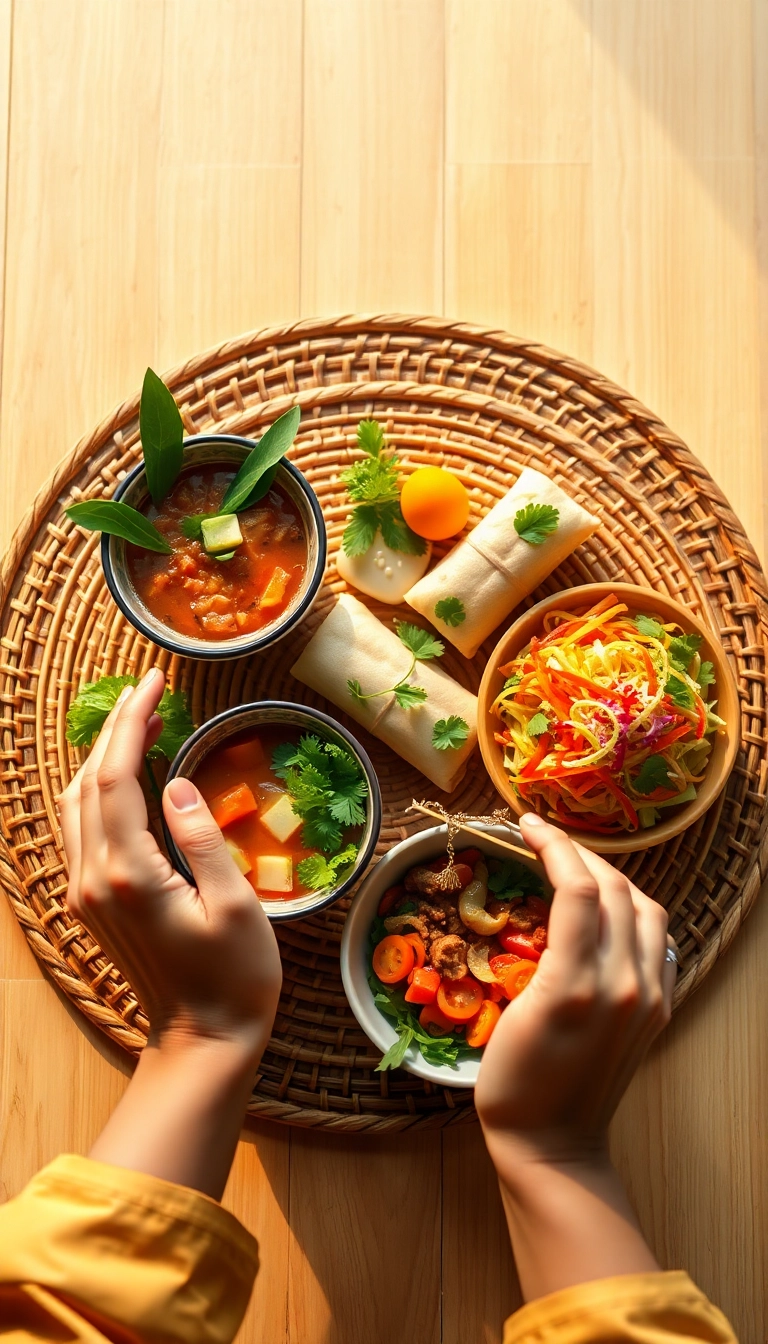
In Vietnam, the presentation of food is considered an art form, and wasting food is regarded with disdain. Vietnamese dining etiquette guide involves appreciating the effort behind each dish—be it a simple bowl of rice or an elaborate seafood platter—demonstrates respect for the chef and the ingredients. Avoid leaving food uneaten on your plate as a sign of appreciation, and refrain from making negative remarks about the food in front of hosts. Even if you don’t particularly enjoy a dish, it’s polite to try a small portion and offer a positive comment about the presentation or a specific ingredient. This shows that you appreciate the effort and thought that went into preparing the meal.
Proper Dining Etiquette for Soups and Noodles
Vietnamese cuisine boasts an array of noodle soups, such as phở and bún bò Huế. These soups are often served piping hot and are a staple in Vietnamese cuisine. When slurping noodles, it is not only acceptable but encouraged, as it shows enjoyment and helps cool hot broth. However, avoid making loud noises or blowing on the soup, as this is considered impolite. Use the spoon to sip broth and chopsticks to pick up noodles and toppings, demonstrating dexterity and appreciation for the culinary craftsmanship. Holding the bowl close to your mouth while eating soup is also acceptable and helps prevent spills. It’s common to add herbs, spices, and sauces to your soup to customize the flavor to your liking, but avoid adding too much at once, as this can be seen as disrespectful to the chef’s original creation.
Handling Beverages Gracefully
Tea and traditional rice wine are common accompaniments. Tea is often served before, during, and after meals and is considered a sign of hospitality. When offered tea, it is polite to accept and take small sips, demonstrating gratitude. If drinking rice wine, wait for the host to toast first; raising your glass in return shows respect. Do not pour your own drink; instead, pour for others or let the host do so. This act of service reinforces the sense of community and mutual respect. Remember, moderation is key—overindulgence is frowned upon as it disturbs social harmony. It’s also polite to offer a toast to the host and other guests, expressing your appreciation for their hospitality and company.
Gift-Giving Etiquette in Dining Situations
While not mandatory, bringing a small gift such as fruit, sweets, or specialty teas is appreciated when invited to a Vietnamese home. This gesture shows your gratitude for the invitation and demonstrates your respect for the host. When presenting a gift, do so with both hands or with a supportive gesture to show respect. Avoid giving sharp objects like knives, which symbolize cutting ties, or items that might be considered impolite or culturally inappropriate. Red envelopes with money are also a common gift, especially during Tet (Vietnamese New Year), but it’s important to give an appropriate amount based on your relationship with the recipient. When receiving a gift, avoid opening it immediately in front of the giver, as this can be seen as greedy or impolite. Instead, thank the giver sincerely and open the gift later in private.
Dress Code and Personal Appearance
Dress modestly and neatly when dining in Vietnam, especially in formal settings or when visiting someone’s home. Clothing should be clean and well-maintained. Avoid overly casual attire such as sleeveless shirts or shorts, as respectful dress reflects appreciation for the host and the occasion. Good personal hygiene and a polite demeanor contribute significantly to a positive dining experience. Presenting yourself well shows that you value the occasion and the company of those you are dining with. In more traditional settings, it’s also respectful to remove your shoes before entering someone’s home.
Participating in Vietnamese Dining Customs
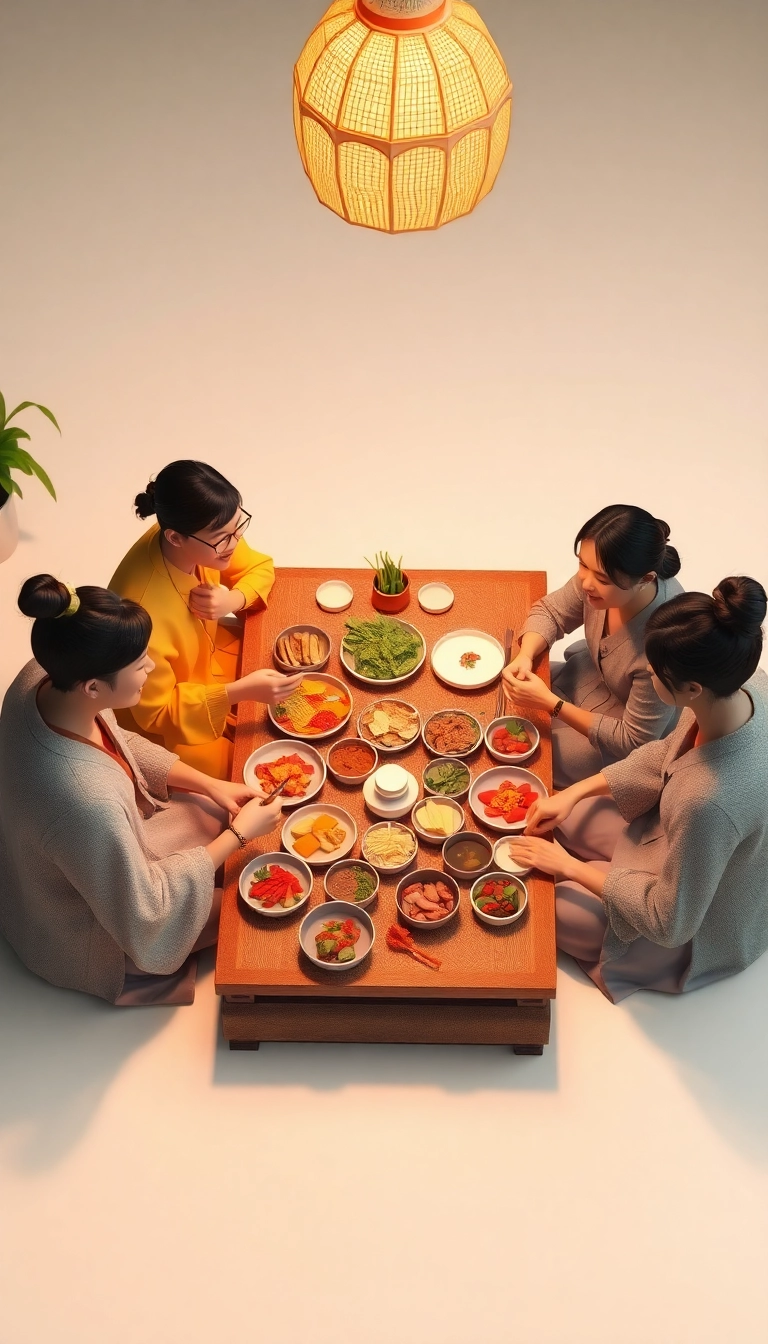
Engaging in traditional practices, such as offering a toast or complimenting the chef, demonstrates cultural sensitivity. Vietnamese meal customs explained show a genuine interest in Vietnamese culture and traditions will be greatly appreciated. When in doubt, observe the host’s behavior and mimic respectful gestures. Showing genuine interest and enthusiasm for Vietnamese cuisine fosters deeper connections and appreciation for local customs. Asking questions about the dishes, the ingredients, or the cooking methods shows that you are engaged and interested in learning more about Vietnamese culture. It’s also polite to offer to help with the cleanup after the meal, even if your offer is declined.
Mindful Behavior and Cultural Sensitivity
Remaining mindful of local customs extends beyond table manners. Avoid discussing sensitive topics like politics or history during meals, as these can lead to discomfort. Stick to light and positive conversation topics. Maintain a polite and humble attitude, and be receptive to cultural differences. Remember, a respectful approach enhances the dining experience and leaves a positive impression. Being open-minded and willing to learn from others will help you navigate cultural differences with grace and sensitivity. It’s also important to be patient and understanding if you make a mistake or accidentally offend someone. A sincere apology and a willingness to learn from the experience will go a long way.
From regional specialties to popular dishes, explore it all with our Vietnam food guides and tips.
Summary of Essential Vietnamese Food Etiquette
To summarize, the key principles of Vietnamese food etiquette include respecting elders and hierarchy, using utensils properly, sharing dishes with care, appreciating food presentation, slurping noodles politely, handling beverages with grace, giving thoughtful gifts, dressing appropriately, participating in customs sincerely, and maintaining cultural sensitivity. Proper chopstick use in Vietnam enriches the dining experience but also demonstrates genuine respect for Vietnamese traditions. By understanding and practicing these customs, you can build stronger relationships with Vietnamese people and create lasting memories of your dining experiences in Vietnam.
Isn’t it interesting how chopstick etiquette shapes dining in Vietnam? Respect and gratitude are key!
Chopstick etiquette in Vietnam is like a dance. you’ve got to know the moves! It really makes meals feel special.
Chopstick etiquette plays a significant role in the overall dining experience, reflecting respect and tradition. Did you know that the way you handle chopsticks can reveal your upbringing and values?
It’s like a whole dance routine. one wrong move with those chopsticks, and oops!
I know, right? Just imagine the fun of mastering those chopstick moves! Ready to try?
Have you ever tried balancing a bowl on your lap while eating?
Chopsticks can be tricky! Just imagine trying to grab slippery noodles. 😅
Right? Ever tried to eat pho with forks? Wild times!
In Vietnamese culture, waiting for the eldest to start eating shows deep respect at meals.
Isn’t it cool how Vietnamese dining traditions emphasize respect and community? It really enhances the experience! Exploring regional dishes adds so much to the journey, too. Sharing meals fosters connections and showcases their warm hospitality.
It’s great how sharing meals brings everyone together and shows appreciation for one another, creating a warm and inviting atmosphere. Do you have a favorite dish that embodies that spirit?