
Cao Lau, a culinary gem hailing from the ancient trading port of Hoi An, Vietnam, is more than just a noodle dish; it’s a cultural experience. This article delves into the intricacies of Cao Lau, offering a comprehensive guide including an authentic Cao Lau recipe to recreating this iconic dish in the comfort of one’s own kitchen. From the distinctive noodles to the flavorful broth and the crispy toppings, each element contributes to the unique character of Cao Lau.
Understanding the Essence of Cao Lau
Cao Lau distinguishes itself from other Vietnamese noodle dishes through its unique blend of textures and flavors. The thick, chewy noodles, the savory broth infused with local herbs and spices, the succulent pork, and the crunchy croutons all come together in a harmonious symphony that tantalizes the taste buds. The dish’s history is intertwined with Hoi An’s past as a bustling trading hub, reflecting influences from Chinese and Japanese culinary traditions.
Sourcing the Authentic Cao Lau Noodles
The heart of Cao Lau lies in its noodles. Traditionally, these noodles are made using water from the ancient Ba Le well in Hoi An, which is believed to impart a unique flavor and texture. However, for an easy Cao Lau noodle recipe, sourcing these specific noodles outside of Vietnam can be challenging. A suitable substitute can be found by looking for thick, chewy wheat noodles, similar in texture to udon or Japanese ramen noodles.
Crafting the Flavorful Broth
The broth is another crucial component of Cao Lau, providing a rich and savory base for the dish. While variations exist, a typical Cao Lau broth incorporates pork bones, chicken bones, or a combination of both. Slow simmering these bones with aromatic ingredients such as ginger, shallots, and star anise extracts the deep flavors that characterize the broth. Seasoning with fish sauce, soy sauce, and a touch of sugar balances the umami and sweetness.
Preparing the Pork: A Key Ingredient

The pork in Cao Lau is typically marinated and roasted or braised to achieve a tender and flavorful result. Vietnamese caramel pork, known as “thit kho tau,” is a popular choice. The pork is marinated in a mixture of fish sauce, soy sauce, sugar, garlic, and pepper, then slowly braised until it’s melt-in-your-mouth tender. Alternatively, roasted pork belly can be used, providing a crispy skin and succulent meat. Those interested in Hoi An Cao Lau cooking can experiment with these techniques for authenticity.
The Art of the Crispy Croutons
No Cao Lau is complete without its signature crispy croutons. These aren’t your average croutons; they are typically made from rice paper or wheat flour dough that is deep-fried until golden brown and shatteringly crisp. These croutons add a delightful textural contrast to the soft noodles and tender pork. Store-bought wonton wrappers can be cut into strips and fried as a convenient substitute.
Assembling the Perfect Bowl of Cao Lau
Once all the components are prepared, assembling the Cao Lau is a straightforward process. The noodles are placed in a bowl, topped with the prepared pork, ladle of the flavorful broth, a generous scattering of crispy croutons, and a medley of fresh herbs and vegetables. Common additions include bean sprouts, lettuce, mint, and cilantro. An alternative authentic Cao Lau recipe might include slight variations based on available ingredients. A squeeze of lime juice and a dollop of chili sauce add a final burst of flavor.
Cao Lau Recipe: A Step-by-Step Guide
This recipe provides a detailed guide to recreating Cao Lau at home, adapting traditional methods for accessibility. For those new to Vietnamese cuisine, this serves as an easy Cao Lau noodle recipe that simplifies the process without losing its essence.
Ingredients:
For the Noodles:
1 pound thick wheat noodles (udon or ramen noodles can be substituted)
For the Broth:
2 pounds pork bones or chicken bones
8 cups water
2 inches ginger, sliced
2 shallots, smashed
2 star anise
2 tablespoons fish sauce
1 tablespoon soy sauce
1 teaspoon sugar
For the Pork:
1 pound pork belly or shoulder, cut into 1-inch cubes
2 tablespoons fish sauce
1 tablespoon soy sauce
1 tablespoon sugar
2 cloves garlic, minced
1/2 teaspoon black pepper
For the Crispy Croutons:
6 wonton wrappers, cut into strips
Vegetable oil, for frying
For the Garnish:
Bean sprouts
Lettuce
Mint
Cilantro
Lime wedges
Chili sauce (optional)
Instructions:
Prepare the Broth:
Rinse the pork or chicken bones under cold water.
Place the bones in a large pot, cover with water, and bring to a boil. Simmer for 5 minutes, then drain and rinse the bones again.
Return the bones to the pot, add 8 cups of fresh water, ginger, shallots, and star anise. Bring to a boil, then reduce heat and simmer for at least 2 hours, or up to 4 hours, skimming off any impurities that rise to the surface.
Strain the broth through a fine-mesh sieve. Season with fish sauce, soy sauce, and sugar to taste.
Prepare the Pork:
In a bowl, combine the pork with fish sauce, soy sauce, sugar, garlic, and pepper. Marinate for at least 30 minutes, or up to overnight in the refrigerator.
In a pot or Dutch oven, brown the pork over medium-high heat. Add enough water to cover the pork, bring to a boil, then reduce heat and simmer for 1-1.5 hours, or until the pork is tender. Alternatively, roast the marinated pork belly in a 350°F (175°C) oven until cooked through and golden brown.
Prepare the Crispy Croutons:
Expand your culinary horizons—try flavorful Vietnamese recipes from every region.
Heat vegetable oil in a small pot or deep fryer to 350°F (175°C).
Fry the wonton wrapper strips in batches until golden brown and crispy, about 1-2 minutes per batch. Drain on paper towels.
Assemble the Cao Lau:
Cook the noodles according to package directions. Drain well.
Divide the noodles among bowls. Top with the prepared pork, a generous ladle of broth, crispy croutons, bean sprouts, lettuce, mint, and cilantro.
Serve immediately with lime wedges and chili sauce, if desired.
Tips for Achieving Authentic Flavor
While replicating the exact taste of Cao Lau from Hoi An can be challenging due to the unique local ingredients, there are several tips to enhance the authenticity of the dish. Using high-quality fish sauce is crucial for achieving the signature umami flavor. Experimenting with different types of noodles and adjusting the seasoning of the broth to one’s preference is also recommended. Exploring Hoi An Cao Lau cooking methods can further improve results, as they emphasize fresh, locally sourced herbs to elevate the aromatic profile of the dish.
Variations and Adaptations
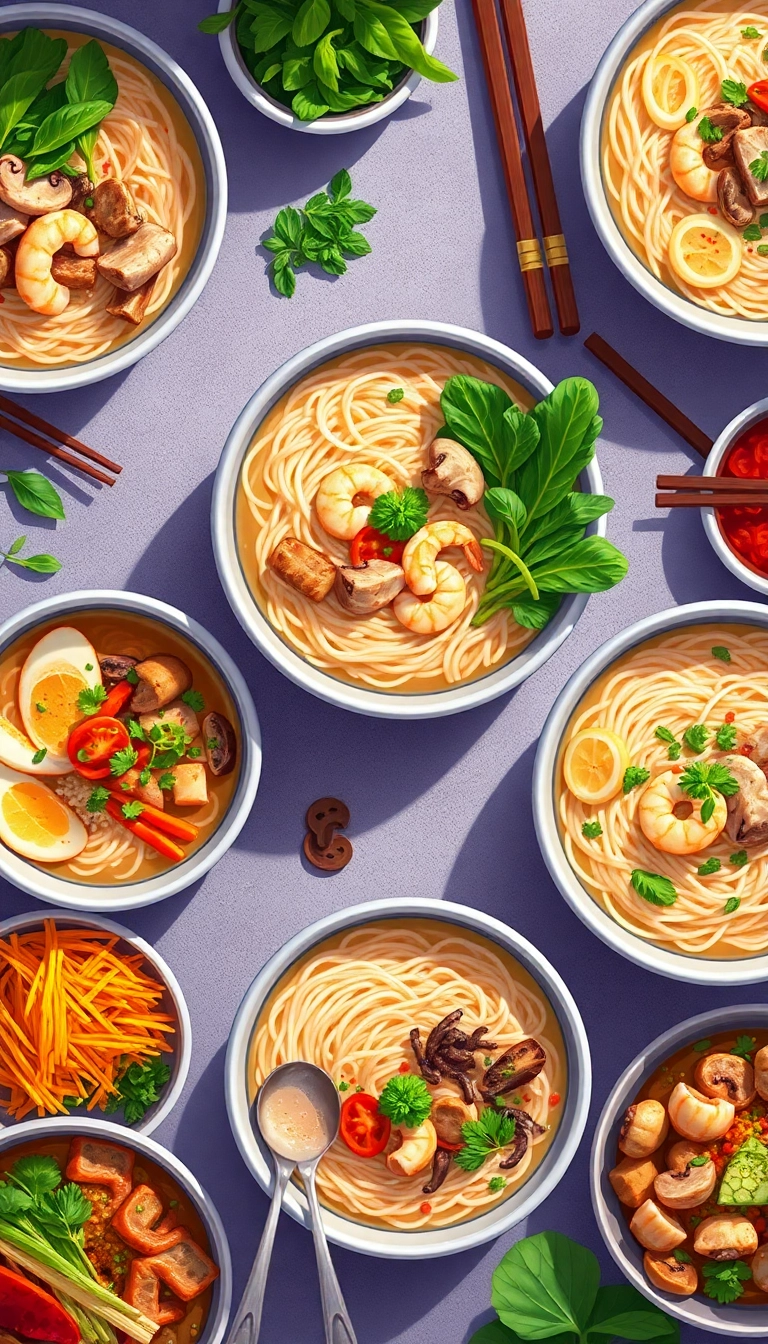
Cao Lau, like many traditional dishes, has regional variations and adaptations. Some versions may include shrimp or chicken in addition to pork. The broth can be adjusted to be richer or lighter depending on personal preference. Vegetarian versions can be created by substituting tofu or mushrooms for the pork and using a vegetable broth. The key is to maintain the balance of flavors and textures that define Cao Lau.
The Cultural Significance of Cao Lau
Cao Lau is more than just a meal; it’s a symbol of Hoi An’s cultural heritage. The dish reflects the town’s history as a melting pot of cultures, blending Vietnamese, Chinese, and Japanese influences. Experiencing Cao Lau is an immersion into the culinary traditions and the vibrant history of this UNESCO World Heritage site. By recreating an easy Cao Lau noodle recipe at home, one can connect with the rich cultural tapestry of Vietnam.
Have you ever tried adding pickles to your Cao Lau for a tangy twist? It’s a game-changer! And if your noodles look like a chaotic masterpiece, just call it noodle art. instant street cred!