
Ginger in Vietnamese cooking, that pungent rhizome with a fiery kick, isn’t just a kitchen staple; it’s a culinary cornerstone. Its versatility shines through in both savory and sweet dishes, adding depth, warmth, and a unique zest that elevates even the simplest meals. From subtle hints to bold pronouncements of flavor, ginger’s presence is undeniable, a testament to its enduring popularity. The rhizome’s ability to seamlessly integrate into a vast array of dishes, from delicate spring rolls to robust curries, showcases its adaptability and enduring appeal within Vietnamese culinary traditions. This adaptability stems from ginger’s multifaceted flavor profile; it offers a complex interplay of sharp, sweet, and subtly spicy notes, making it a versatile ingredient capable of enhancing both savory and sweet dishes.
Beyond the Stir-fry: Exploring Ginger’s Diverse Applications
While many associate ginger with stir-fries, its role extends far beyond the familiar. Think of the fragrant warmth it lends to broths, the subtle spice it infuses into Vietnamese ginger marinade recipes, the surprising sweetness it contributes to desserts, and the depth it adds to complex sauces. It’s a chameleon of flavor, adapting to the dish’s needs while always adding its distinctive character. In fact, the strategic use of ginger is often the key to unlocking the authentic flavors of many traditional Vietnamese recipes. The careful balancing of ginger’s pungent notes with other ingredients is a hallmark of skilled Vietnamese cooking, creating dishes that are both harmonious and unforgettable. From the delicate balance in a spring roll dipping sauce to the bold presence in a fiery beef noodle soup, ginger’s contribution is multifaceted and essential.
Gỏi cuốn (Fresh Spring Rolls): A Ginger-Infused Delight
The iconic Gỏi cuốn, those refreshing spring rolls, often feature a ginger-infused dipping sauce that elevates the entire experience. This sauce, typically made with fish sauce, lime juice, sugar, and chili, gains a delightful complexity from the addition of finely grated ginger. The subtle sharpness of the ginger cuts through the richness of the often-used peanut sauce, creating a balanced and invigorating flavor profile. The ginger’s presence isn’t overpowering; instead, it acts as a subtle counterpoint, enhancing the other flavors without dominating them. The skillful use of ginger in this seemingly simple dipping sauce demonstrates its ability to refine and enhance, rather than simply add spice. The fresh, vibrant flavors of the spring rolls are perfectly complemented by the ginger’s subtle zing, creating a truly harmonious and delicious combination.
Cà ri Gà (Chicken Curry): A Symphony of Spices with Ginger’s Leading Role
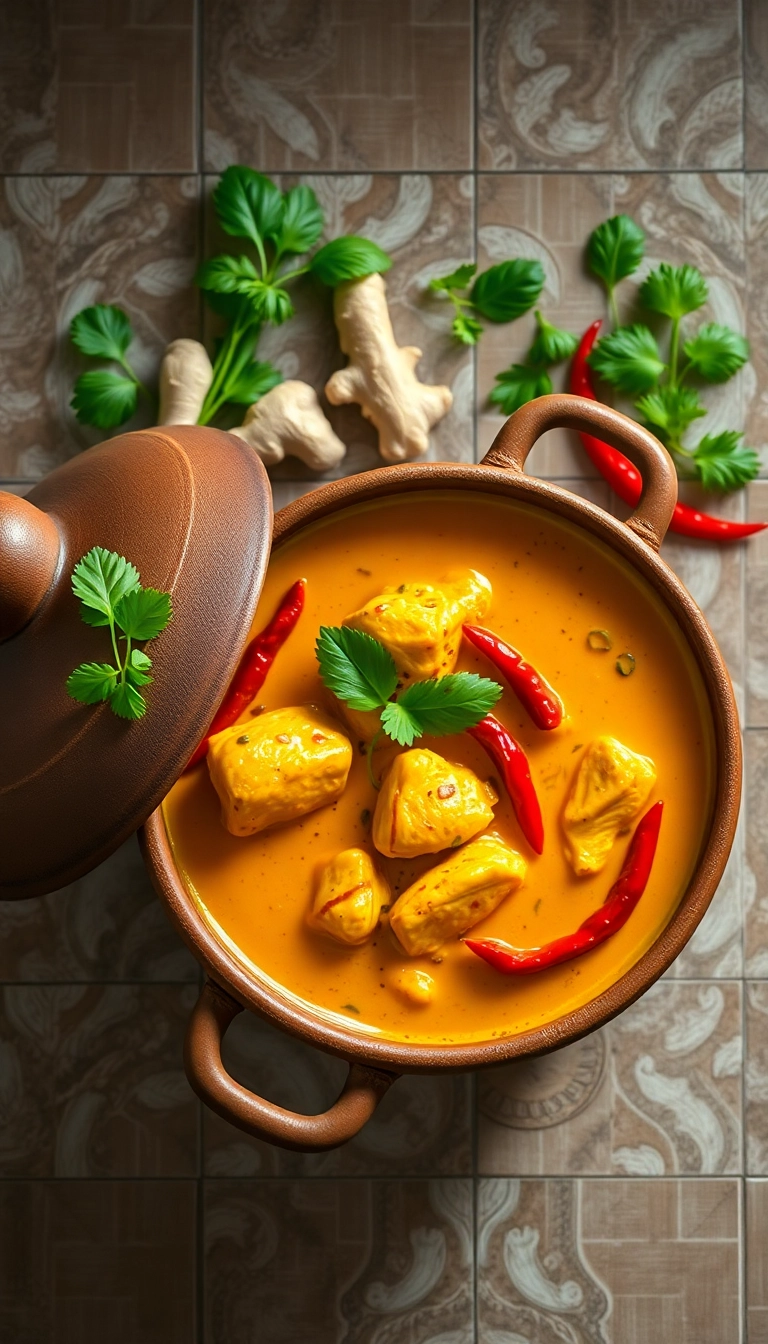
Vietnamese chicken curry, or Cà ri Gà, stands as a testament to the power of authentic Vietnamese ginger chicken in creating layered flavors. Here, ginger plays a starring role, its sharp notes harmonizing with the richness of coconut milk, the warmth of turmeric, and the fiery kick of chilies. The ginger’s presence isn’t merely a spice; it’s an integral component of the curry’s unique character. The careful balance of these ingredients, with ginger acting as a crucial bridge between the various flavor profiles, results in a dish that is both complex and intensely satisfying. The ginger’s slightly sweet undertones complement the richness of the coconut milk, while its sharpness cuts through the potential heaviness, creating a well-rounded and unforgettable culinary experience. The preparation of Cà ri Gà often involves a lengthy simmering process, allowing the ginger’s flavors to fully infuse into the dish, creating a deep and lasting impression.
Canh Chua Cá (Sour Fish Soup): Balancing Act with Ginger
In the tangy depths of Canh Chua Cá, a sour fish soup, ginger plays a crucial role in balancing the dish’s acidity. The soup’s tartness, derived from tamarind or other souring agents, is beautifully complemented by ginger’s subtle warmth and pungency. This creates a harmonious balance that avoids being overly acidic or overwhelmingly spicy. The ginger’s ability to temper the sourness demonstrates its versatility and its ability to act as a flavor modulator, preventing the dish from becoming one-dimensional. The careful addition of ginger prevents the sourness from becoming too intense, creating a refreshing and balanced soup that is both flavorful and comforting. The subtle warmth of the ginger adds another layer of complexity, preventing the soup from feeling too sharp or aggressive.
Bún bò Huế (Spicy Beef Noodle Soup): A Bold Ginger Presence
Bún bò Huế, the fiery beef noodle soup from Huế, showcases ginger’s ability to hold its own amidst a vibrant array of flavors. Here, the ginger’s sharpness is not subdued; instead, it adds a bold, assertive note that complements the lemongrass, shrimp paste, and chili. The result is a soup that is both complex and intensely satisfying. In this instance, the ginger isn’t a subtle background player; it’s a prominent voice in the symphony of flavors. Its sharpness cuts through the richness of the broth and the other spices, creating a balanced and exciting culinary experience. The preparation of Bún bò Huế often involves a complex layering of flavors, with the ginger playing a vital role in unifying the different elements into a cohesive and delicious whole. The bold ginger presence is a key element in the distinctiveness of this iconic Vietnamese soup.
Beyond the Savory: Ginger in Vietnamese Desserts
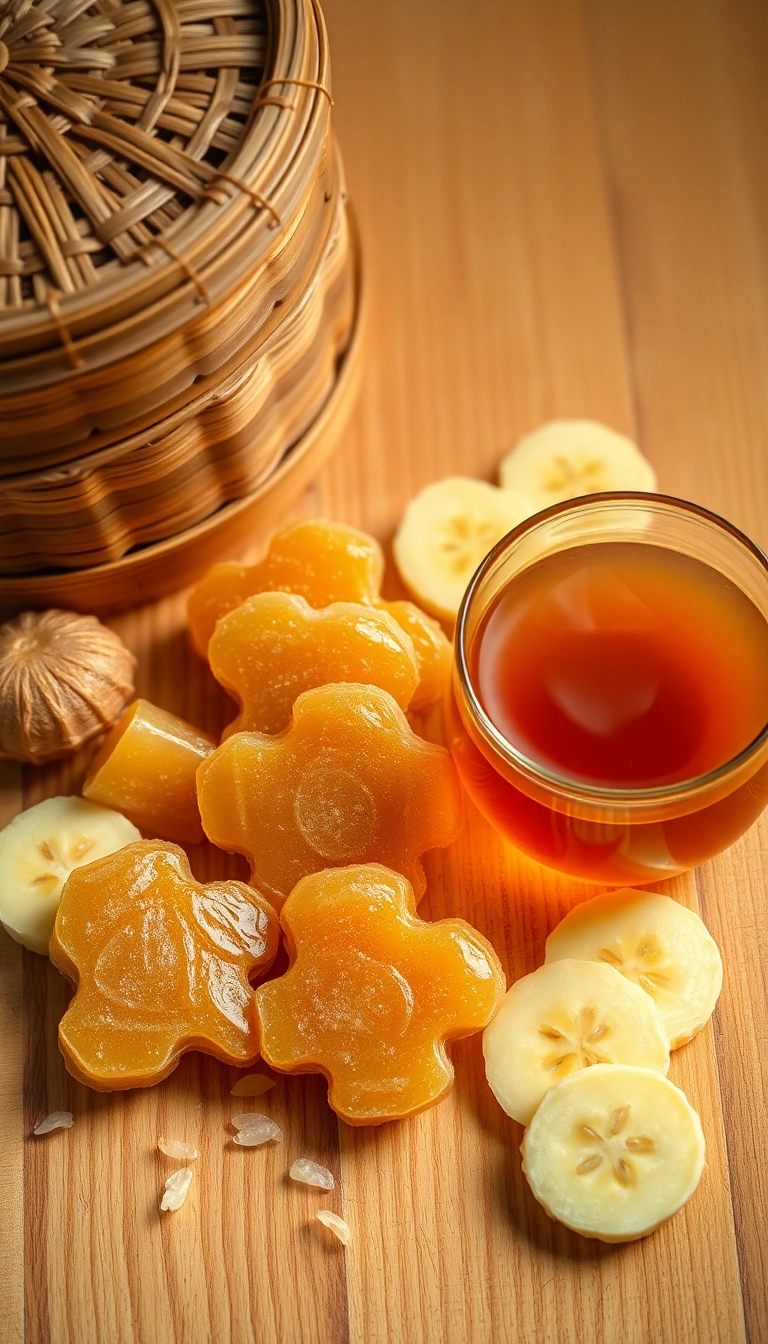
Don’t limit ginger to savory dishes! In Vietnamese desserts, ginger often lends a unique warmth and subtle spiciness. Think of the delicate ginger candies, the fragrant ginger tea, or the unexpected zest it adds to certain sweet rice dishes, like chè chuối (banana sweet soup) or xôi gấc (sticky rice with red gourd). Its surprising versatility extends beyond the savory realm, adding a delightful twist to sweet treats. The use of ginger in desserts demonstrates its ability to provide a surprising contrast, adding a subtle warmth and complexity to dishes that might otherwise be overly sweet. This unexpected use of ginger showcases its versatility and its ability to surprise and delight the palate. The subtle spiciness of ginger adds a depth and complexity to sweet dishes, creating a balanced and memorable dessert experience.
Tips for Incorporating Ginger into Your Vietnamese Cooking
To maximize ginger’s flavor, consider these tips: Use fresh ginger whenever possible, as it offers a superior flavor and aroma to its dried counterpart. Finely grate or mince ginger to release its aromatic oils, maximizing its impact on the dish. Experiment with different quantities to find your preferred level of intensity; start with a small amount and adjust to taste, remembering that the flavor will intensify during cooking. And lastly, don’t be afraid to let ginger’s unique flavor shine! Its versatility allows it to be used in a multitude of ways, from subtle infusions to bold statements, enriching the culinary landscape of Vietnamese cuisine. Remember that the quality of the ginger itself significantly impacts the final flavor; choose firm, fragrant rhizomes for the best results. With a little experimentation, you’ll master the art of incorporating ginger into your Vietnamese cooking, unlocking a world of flavor and culinary possibilities.
Elevate your cooking skills—find the perfect balance in Vietnamese cuisine.
I love how ginger brings everything together in dishes like Gỏi cuốn and Cà ri Gà! 😊 In addition, it’s awesome in Bánh canh soup, adding warmth and depth. Plus, it really shines in marinades for grilled meats, giving them a fantastic flavor boost! *chef’s kiss*
Is ginger secretly the superhero of Vietnamese dishes? It’s not just for curry and soup!
Ginger shines as a star ingredient in so many Vietnamese dishes! Its warm, spicy kick elevates flavors and brings a delightful zest that’s simply unforgettable! You can even use it in stir-fries!
Have you tried using ginger in marinades or desserts? It really adds a unique twist!
Ginger really spices up everything! Have you tried it in marinades or ginger tea?
Using ginger in marinades is an absolute game changer. I love ginger tea too!
Ginger really boosts Vietnamese dishes with its unique flavor, plus it’s great for health too!
Have you tried using ginger in pho or spring rolls? It’s a game-changer!
Ginger truly enhances Vietnamese dishes, like Gỏi cuốn and Cà ri Gà, balancing flavors perfectly.
I didn’t think of that! Try making ginger-infused nước chấm next time. ginger aids digestion!
Have you tried ginger in your pho? What’s your favorite ginger dish?