
Have you ever dreamt of a place where vibrant colors meet tantalizing aromas, where each bite tells a story? That’s Hue, Vietnam, for me. I first experienced its culinary magic years ago, and it’s a journey I’ve been happily revisiting ever since. This post includes Hue cuisine recipes and serves as an invitation to taste the richness of Hue cuisine and understand its soul. Hue’s culinary scene is a beautiful tapestry woven with history, tradition, and innovation, offering a truly immersive gastronomic experience that captures the essence of central Vietnam.
The Heart of Hue: Royal Flavors and Humble Beginnings
Hue’s culinary heritage is deeply intertwined with its history as the imperial capital of Vietnam. During the Nguyen Dynasty, the royal kitchens became the birthplace of refined and intricate dishes that showcased the sophistication of the court. These royal recipes often employed delicate techniques and luxurious ingredients, reflecting the grandeur of the monarchy. But beyond the royal palaces, Hue’s cuisine also mirrors the everyday life of its people. It is a harmonious blend of elegance and rustic simplicity, utilizing fresh, locally sourced ingredients that the common folk relied on daily. This duality gives Hue cuisine its unique character — a perfect balance between opulence and humility, tradition and innovation. Walking through Hue’s markets and street stalls, you can see this blend in action, with vendors offering aromatic herbs alongside hearty noodle bowls, and locals sharing stories over steaming bowls of rice and seafood. Additionally, exploring authentic Hue dishes reveals the depth of this culinary tradition.
Essential Ingredients: Building Blocks of Hue’s Culinary Magic
Before diving into specific recipes, it’s vital to familiarize yourself with the key ingredients that define Hue’s distinctive flavor profile. These ingredients are the building blocks that bring authenticity and depth to every dish. Fresh herbs such as mint, cilantro, basil, and perilla are staples, providing vibrant freshness and aroma. Fragrant lemongrass, which is often bruised or chopped to release its citrusy oils, is essential in many broths and marinades. Chili peppers, whether fresh or dried, add the characteristic heat that balances the dishes’ flavors. Seafood is a cornerstone of Hue cuisine — shrimp, fish, squid, and clams are used generously, reflecting the city’s proximity to the coast. Coconut milk adds a subtle sweetness and richness, especially in certain soups and desserts. Fish sauce, known locally as nước mắm, is integral for seasoning and depth, while shrimp paste (mắm tôm) provides a pungent umami kick. Rice is, of course, fundamental, serving as both a staple and a vessel for many dishes. Understanding how these ingredients interplay is key to mastering Hue’s culinary harmony.
Understanding the Balance of Flavors
Mastering Hue cuisine involves grasping the delicate interplay of flavors — sweet, sour, salty, spicy, and umami. Each dish is carefully crafted to achieve a harmonious balance, elevating simple ingredients into extraordinary culinary experiences. For example, a bowl of Bún bò Huế features a spicy, savory broth with a hint of sweetness from sugar and a splash of lime juice for acidity. The use of chili and fish sauce provides saltiness and heat, while fresh herbs add a layer of freshness and aroma. Achieving this balance requires patience and practice. Taste as you cook, and don’t hesitate to adjust seasonings — a splash more lime, a pinch of sugar, or a dash of fish sauce can make all the difference. Remember, the goal is to create a multi-dimensional flavor profile that excites the palate with every spoonful. Don’t be discouraged if your first attempts aren’t perfect; refining your palate takes time and experimentation.
Iconic Dishes: A Taste of Hue’s Culinary Heritage
Now for the exciting part — the recipes! Hue’s cuisine boasts a variety of iconic dishes that tell stories of history, geography, and culture. I’ll guide you through some of the most beloved and representative dishes, sharing tips and tricks I’ve learned from both local chefs and personal experience. These recipes are gateway dishes into the soul of Hue, and mastering them will surely impress family and friends with authentic flavors that can transport anyone straight to Vietnam. In particular, Hue cuisine recipes offer an accessible way to explore these traditions.
Bún bò Huế: The Fiery Noodle Soup
This spicy beef noodle soup is arguably Hue’s most famous dish. Its broth is a complex symphony of flavors, simmered for hours with lemongrass, shrimp paste, and chili oil. The broth’s vibrant red hue hints at its fiery nature, but it also offers a deep, savory richness. Traditionally, bún bò Huế is made with beef shank, pork knuckles, and sometimes oxtails, which are slow-cooked to tender perfection. The noodles are thick and chewy, made from rice flour, and are served with slices of beef, pork, and a variety of fresh herbs. For the best results, start with a good quality beef bone broth, and take your time to develop the flavors through slow simmering. Garnish with lime, chili slices, and a handful of fresh herbs — mint, cilantro, and perilla — to elevate the dish to its authentic hue.
Cơm Hến: The Humble Yet Exquisite Clam Rice
This dish exemplifies Hue’s ability to elevate humble ingredients into culinary masterpieces. Cơm hến features tiny, fresh clams harvested from local waters, cooked with shallots, garlic, and fish sauce until tender. The clams are then served over fluffy steamed rice, topped with crispy fried shallots, fresh herbs, and a squeeze of lime. Sometimes, shredded pork or boiled quail eggs are added for extra richness. The dish is often accompanied by a small bowl of clam broth, which can be sipped or poured over the rice. The combination of briny clams, fragrant rice, and crisp toppings creates a delightful explosion of textures and flavors that truly capture the essence of Hue’s coastal bounty.
Bánh bèo: Delicate Steamed Rice Cakes
These tiny, delicate steamed rice cakes are a true culinary art form. Made from rice flour and tapioca starch, the batter is poured into small, shallow molds and steamed until soft and slightly chewy. They are topped with a savory mixture of dried shrimp, scallions, and crispy shallots, then drizzled with a rich, savory fish sauce-based broth. Bánh bèo are often served as snacks or appetizers and are a testament to Hue’s attention to detail and artistry in presentation. Their dainty appearance belies their complex flavors, and eating them is like experiencing a miniature masterpiece of Vietnamese cuisine.
Beyond the Classics: Exploring Modern Interpretations
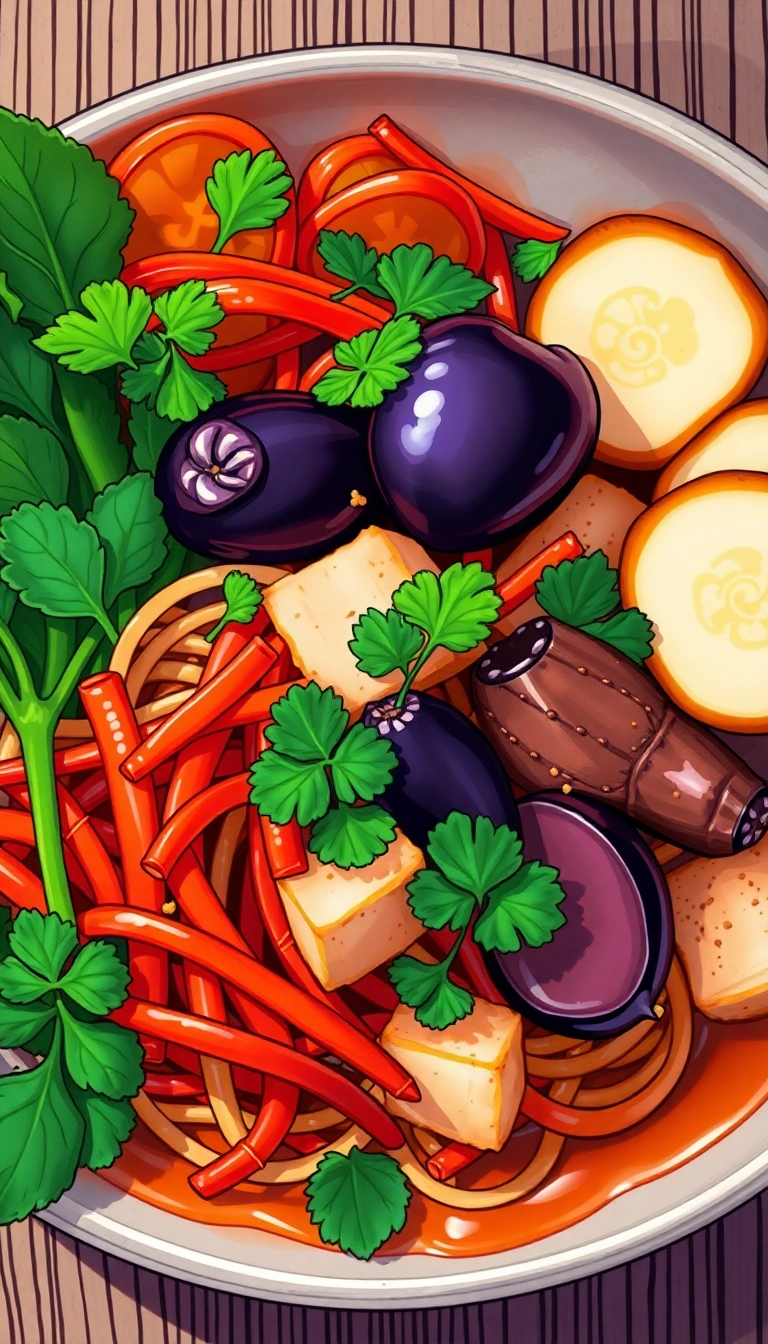
While the traditional dishes form the foundation of Hue’s culinary identity, the city’s chefs and food enthusiasts are continually pushing boundaries by incorporating modern techniques and ingredients. Contemporary Hue cuisine often features fusion elements, innovative presentations, and new flavor combinations, all while respecting traditional principles. For example, some chefs are experimenting with vegan or vegetarian versions of classic dishes, using plant-based broths and meat substitutes to cater to modern dietary preferences. Others are incorporating international influences, such as using herbs and spices from different cuisines to create exciting new profiles. This evolution keeps Hue’s culinary scene dynamic and relevant, inviting both locals and visitors to explore and enjoy new facets of its rich food heritage. When preparing authentic Hue dishes with a twist, you can still maintain their core essence.
Tips for Success: Mastering the Art of Hue Cooking
Learning to cook Hue cuisine is a rewarding journey that requires patience and enthusiasm. Here are some tips to help you succeed: Many home cooks find that Vietnamese Hue food recipes provide a solid foundation for building skills.
- Start with high-quality ingredients — fresh herbs, good stock, and authentic seasonings lay the foundation for great flavor.
- Don’t be afraid to experiment — adjust seasonings and ingredients to suit your palate, and discover what works best for you.
- Master the balance of flavors — taste frequently and refine your dishes to achieve harmony among sweet, sour, salty, and spicy notes.
- Learn to use herbs effectively — fresh herbs are key to Hue’s flavor profile, so add them at different stages for maximum aroma and freshness.
- Practice makes perfect — don’t get discouraged if your first attempts aren’t perfect. Cooking is an evolving skill that improves with experience.
- Embrace imperfections — sometimes, a rustic touch adds character and authenticity that cannot be replicated.
- Savor the process — enjoy each step of cooking as a cultural and sensory journey.
- Share your culinary creations — introducing friends and family to Hue flavors spreads the joy and appreciation for this cuisine.
- Respect tradition but be open to innovation — understanding the roots allows for creative freedom in your kitchen.
- Learn from your mistakes — every misstep is a learning opportunity, bringing you closer to mastery.
- Most importantly, have fun! — cooking should be an enjoyable and fulfilling experience that celebrates culture and creativity.
Sourcing Authentic Ingredients: Elevating Your Culinary Experience
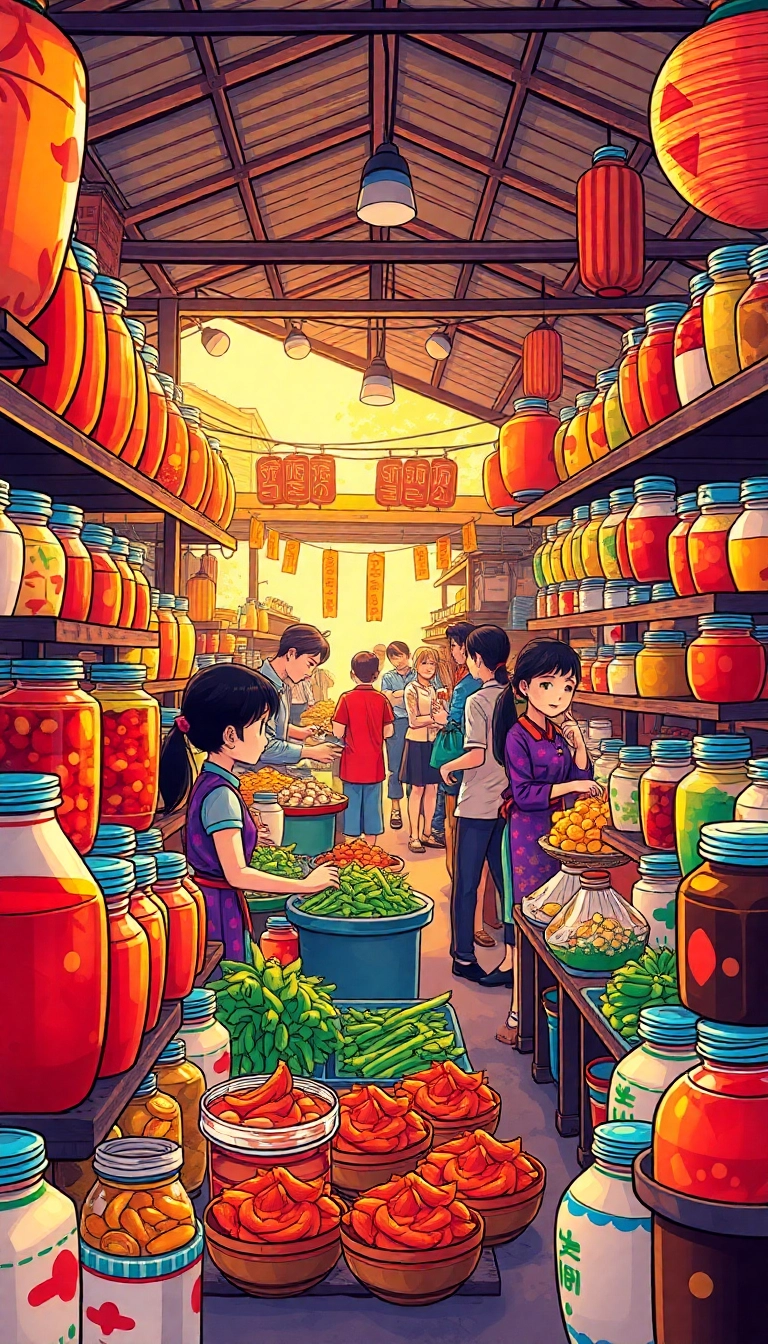
To truly capture the essence of Hue cuisine, sourcing high-quality, authentic ingredients is essential. Visiting local Asian markets or specialty stores can make a significant difference in flavor and authenticity. Look for fish sauce that has a rich aroma, fresh herbs with vibrant colors, and seafood that smells of the sea. If possible, buy directly from local suppliers or markets in Hue or Vietnam, where ingredients are often fresher and more authentic. Using genuine ingredients ensures that your dishes will taste as close as possible to the ones enjoyed in Hue, providing a richer and more satisfying culinary experience. Additionally, some specialty ingredients like shrimp paste or certain herbs may be available online or in international markets, but always check for freshness and quality.
A Culinary Journey: Embracing the Culture of Hue
Cooking Hue cuisine is more than just preparing delicious meals — it’s an immersive cultural experience. Each dish reflects the city’s history, geography, and social fabric. For instance, the use of fresh coastal seafood speaks to Hue’s maritime roots, while the intricate royal recipes reveal its imperial past. Learning about the origins of each dish, the traditional techniques, and the symbolism behind certain ingredients enriches your appreciation and connection to Hue’s culture. Take time to explore the local markets, talk with vendors, and observe traditional cooking methods. This cultural immersion transforms cooking from a simple task into a meaningful journey, allowing you to better understand and honor Hue’s rich culinary legacy.
Sharing the Flavors: Creating Memorable Culinary Experiences
Once you’ve mastered a few Hue recipes, don’t keep them to yourself! Sharing your culinary creations enhances the experience and helps spread appreciation for Hue’s rich food culture. Host dinners, organize tasting parties, or simply cook for friends and family to introduce them to the magic of Hue cuisine. Sharing stories about the dishes and their cultural significance adds depth and meaning, making the meal more memorable. Food has a unique way of bringing people together, fostering connections and creating shared memories. Whether you’re serving a steaming bowl of Bún bò Huế or delicate bánh bèo, your guests will appreciate the effort and authenticity behind each bite. This exchange of flavors and stories helps keep Hue’s culinary traditions alive and thriving across the globe.
Beyond the Recipe: The Spirit of Hue Cuisine
At its core, Hue cuisine embodies a spirit of creativity, respect for tradition, and a pursuit of harmony. It reflects the city’s history as a royal seat and its people’s ability to adapt and innovate while honoring their roots. The true essence of Hue cooking lies in its balance — balancing flavors, textures, and presentation — and in the love and respect infused into every dish. Approaching Hue cuisine with an open mind and a curious palate allows you to experience its full depth. It’s not just about following recipes but about understanding the cultural significance, appreciating the craftsmanship, and expressing your own creativity within this culinary framework. Embrace this spirit, and you’ll find that your cooking becomes a meaningful expression of culture and artistry, creating dishes that are not only delicious but also deeply resonant.
Eleven Essential Tips for Mastering Hue Cuisine
- Start with high-quality ingredients – the foundation of any great dish.
- Don’t be afraid to experiment with different flavor combinations and techniques.
- Master the balance of sweet, sour, salty, and spicy — taste as you go.
- Learn to use fresh herbs effectively — they’re key to Hue’s vibrant flavor.
- Practice makes perfect — patience and persistence are your best tools.
- Embrace the imperfections — cooking is a journey, not a race.
- Savor the process — enjoy each step and appreciate the sensory experience.
- Share your culinary creations — introduce others to Hue’s rich flavors.
- Respect tradition but don’t be afraid to innovate and personalize dishes.
- Learn from your mistakes and keep refining your skills.
- Most importantly, have fun! Cooking should be an enjoyable and creative pursuit.
Sourcing Authentic Ingredients: Elevating Your Culinary Experience
To truly capture the essence of Hue cuisine, sourcing high-quality, authentic ingredients is essential. Visiting local Asian markets or specialty stores can make a significant difference in flavor and authenticity. Look for fish sauce that has a rich aroma, fresh herbs with vibrant colors, and seafood that smells of the sea. If possible, buy directly from local suppliers or markets in Hue or Vietnam, where ingredients are often fresher and more authentic. Using genuine ingredients ensures that your dishes will taste as close as possible to the ones enjoyed in Hue, providing a richer and more satisfying culinary experience. For those seeking variety, trying out authentic Hue dishes made with properly sourced components can enhance results.
Take a culinary journey—start with iconic Vietnamese recipes your family will love.
A Culinary Journey: Embracing the Culture of Hue
Cooking Hue cuisine is more than just preparing delicious meals — it’s an immersive cultural experience. Each dish reflects the city’s history, geography, and social fabric. For instance, the use of fresh coastal seafood speaks to Hue’s maritime roots, while the intricate royal recipes reveal its imperial past. Learning about the origins of each dish, the traditional techniques, and the symbolism behind certain ingredients enriches your appreciation and connection to Hue’s culture. Take time to explore the local markets, talk with vendors, and observe traditional cooking methods. This cultural immersion transforms cooking from a simple task into a meaningful journey, allowing you to better understand and honor Hue’s rich culinary legacy. Delving into Vietnamese Hue food recipes can further deepen this connection.
Creating Memorable Culinary Experiences
Once you’ve mastered a few Hue recipes, don’t keep them to yourself! Sharing your culinary creations enhances the experience and helps spread appreciation for Hue’s rich food culture. Host dinners, organize tasting parties, or simply cook for friends and family to introduce them
Hue’s food scene is a delight! Cơm hến and Bánh bèo are must-tries for sure!
Don’t forget to try Bún bò Huế and Chè Huế for a full experience! Those flavors are unforgettable!
You should also try Bún Huế and Nem Lụi for a real treat!
Have you tried the savory bánh bèo or mouthwatering cơm hến yet?
Hue cuisine sounds incredible! The phở is a must-try, and the street food scene is so vibrant! 😍
Have you tried bánh bèo or the signature beef noodle soup? What’s your favorite?