
Let’s start with the star of the show: Gỏi cuốn, or Vietnamese fresh spring rolls. These aren’t your average greasy spring rolls; these are light, fresh, and bursting with flavor. I first encountered them during a trip to Vietnam, and let me tell you, nothing compares to the authentic Vietnamese summer roll guide. The delicate rice paper wrappers, the vibrant herbs, the perfectly cooked shrimp… it was truly a revelation! And the best part? This is one easy Vietnamese spring roll recipe that’s surprisingly simple to make at home. The experience of making and sharing these rolls is as rewarding as the delightful taste. The vibrant colors and fresh ingredients make them a feast for the eyes as well as the palate, perfect for a casual lunch, a sophisticated appetizer, or a centerpiece at a larger gathering. The versatility of Gỏi cuốn allows for endless customization, catering to various dietary preferences and tastes. Whether you’re a seasoned cook or a culinary novice, the process of creating these rolls is both enjoyable and satisfying, offering a chance to connect with Vietnamese culture and cuisine.
Gathering Your Ingredients: A Shopping List
Before we dive into the rolling process, you’ll need to gather your ingredients. This is where the fun begins! Think of it as creating a culinary masterpiece, one ingredient at a time. I always recommend buying the freshest ingredients possible – it makes a world of difference. The quality of your ingredients directly impacts the overall flavor and freshness of your Gỏi cuốn. Using high-quality ingredients elevates the dish from good to exceptional. Here’s what you’ll need:
Essential Ingredients:
Rice paper wrappers: Look for round wrappers, usually found in Asian grocery stores. Brands vary in quality and thickness, so experimenting to find your preferred brand is recommended. Vermicelli rice noodles: These add a lovely chewy texture and are readily available in most grocery stores. Be sure to cook them according to package directions for optimal texture. Fresh herbs: Mint, cilantro, and lettuce are essential. The freshness of the herbs is critical; wilted herbs will detract from the overall flavor. Consider growing your own herbs for the freshest possible flavor. Protein: Cooked shrimp, pork, or tofu are all popular choices. The protein adds heartiness and complements the fresh flavors of the vegetables and herbs. Choose a protein that suits your dietary preferences and taste. Vegetables: Carrots, cucumber, and bean sprouts are classic additions. These provide a refreshing crunch and vibrant color to the rolls. Consider adding other vegetables like bell peppers or shredded lettuce for added texture and flavor.
Optional but Delicious Additions:
Avocado: Adds creaminess and healthy fats. Ripe avocado adds a rich, buttery texture and a subtle sweetness. Mango: Provides a sweet and tangy contrast. The sweetness of mango balances the savory flavors of the other ingredients. Bell peppers: Adds a vibrant crunch and color. Choose your favorite color for an added visual appeal. Other additions: Consider adding cooked vermicelli noodles, shredded carrots, or even pickled vegetables for a tangy twist. Don’t be afraid to experiment! The beauty of Gỏi cuốn is its adaptability. The more you experiment, the more you’ll discover your own unique flavor combinations.
Preparing Your Ingredients: Mise en Place
This is a crucial step, often overlooked. “Mise en place” – French for “everything in its place” – means prepping all your ingredients before you start rolling. It makes the whole process smoother and faster. Think of it like prepping your battlefield before a culinary war! Proper preparation ensures a more efficient and enjoyable rolling process. Having all your ingredients prepped and ready to go will minimize the time spent during the assembly process for the best Vietnamese rice paper rolls, allowing you to focus on the rolling technique.
Step-by-Step Prep:
Wash and chop all your vegetables into thin, manageable strips. The thinner the strips, the easier it will be to roll the spring rolls. Cook your noodles according to package directions and rinse with cold water to prevent sticking. This step is crucial to prevent the noodles from clumping together. If using shrimp, make sure it’s cooked and cooled. Thoroughly cook the shrimp to ensure food safety and allow it to cool before adding it to the rolls. Have everything neatly arranged on a platter, ready for action. Organizing your ingredients in a logical manner will streamline the assembly process, making it more efficient and less stressful.
The Art of Soaking the Rice Paper Wrappers
This is where many people stumble. Soaking the rice paper wrappers correctly is key to preventing tears and ensuring a smooth, easy rolling experience. I’ve learned this the hard way – many a broken wrapper has taught me valuable lessons! The key to success is finding the perfect balance between softening the wrapper and preventing it from becoming too fragile. Over-soaking will result in a broken wrapper, while under-soaking will make it difficult to roll.
The Perfect Soak:
Fill a large, shallow dish with lukewarm water. The water temperature is crucial; too hot and the wrapper will dissolve, too cold and it won’t soften properly. Dip each rice paper wrapper into the water for just a few seconds, until it softens. Don’t over-soak, or it will become too fragile. Lay the softened wrapper on a clean, damp surface – a kitchen towel works perfectly. A damp surface prevents the wrapper from sticking and drying out too quickly. Work quickly to avoid the wrappers drying out before you can assemble the rolls.
Assembling Your Rolls: A Step-by-Step Guide

Now comes the fun part: assembling your rolls! Don’t worry if your first few attempts aren’t perfect. With a little practice, you’ll be a Gỏi cuốn pro in no time. Remember, it’s all about having fun and experimenting. The rolling technique may seem daunting at first, but with a little practice, you’ll master the art of creating perfectly rolled Gỏi cuốn.
The Rolling Technique:
- Place a small portion of each ingredient – noodles, herbs, vegetables, and protein – in the center of the rice paper wrapper. Avoid overfilling the rolls, as this can make them difficult to roll and may cause them to break.
- Fold the bottom edge of the wrapper over the filling. This creates a secure base for the roll.
- Fold in the sides, tucking them neatly. This helps to contain the filling and create a more compact roll.
- Tightly roll the wrapper away from you, creating a firm cylinder. This ensures that the roll holds its shape and doesn’t unravel.
- Repeat with the remaining wrappers and ingredients. Continue the process until all the ingredients are used.
Creating the Perfect Dipping Sauce: Nước chấm
No Gỏi cuốn is complete without the perfect dipping sauce, Nước chấm. It’s a sweet, savory, and slightly tangy sauce that complements the fresh flavors of the rolls beautifully. I’ve experimented with many different recipes, and this is my go-to. The Nước chấm is the perfect finishing touch, adding a complex layer of flavor that elevates the entire dish. Experimenting with the ratios of ingredients allows you to customize the sauce to your personal preference.
Nước chấm Recipe:
Combine fish sauce, lime juice, sugar, water, and a touch of chili garlic sauce in a small bowl. The balance of sweet, sour, salty, and spicy is key to a delicious Nước chấm. Adjust the sweetness and spiciness to your liking. Taste and adjust until you achieve the perfect balance of sweet, sour, and spicy. Start with small amounts of each ingredient and gradually adjust until you reach your desired flavor profile. The Nước chấm can be made ahead of time and stored in the refrigerator for later use.
Serving and Enjoying Your Masterpiece
Once you’ve rolled all your Gỏi cuốn, arrange them beautifully on a platter. Serve immediately with the Nước chấm for dipping. Garnish with fresh herbs and lime wedges for an extra touch of elegance. Invite your friends and family over – it’s the perfect dish for sharing and celebrating. The presentation of the Gỏi cuốn is just as important as the taste, especially when aiming for the best Vietnamese rice paper rolls. Arrange the rolls attractively on a platter, garnished with fresh herbs and lime wedges for a visually appealing presentation.
Tips and Tricks from a Gỏi cuốn Enthusiast
Over the years, I’ve learned a few tricks that make rolling Gỏi cuốn a breeze. Here are some tips that will elevate your rolling game to the next level. These tips and tricks are gleaned from years of experience and experimentation, designed to make the Gỏi cuốn rolling process easier and more enjoyable.
Pro Tips:
Keep your work surface damp to prevent the rice paper from sticking. A damp kitchen towel or a damp sponge will prevent the rice paper from sticking to the surface. Don’t overfill the rolls; aim for a neat, manageable amount of filling. Overfilling will make the rolls difficult to roll and may cause them to break. If the rice paper starts to dry out, simply re-wet it with a damp cloth or brush. This will help to keep the rice paper pliable and prevent it from tearing.
Variations and Experimentation
Don’t be afraid to get creative! Gỏi cuốn is incredibly versatile. Try different combinations of ingredients to find your perfect roll. Add some grilled chicken, tofu, or even mushrooms for a vegetarian option. The possibilities are endless! Experimentation is key to discovering your own unique Gỏi cuốn creations. Don’t be afraid to try new and unexpected flavor combinations, as you follow an authentic Vietnamese summer roll guide.
Creative Combinations:
Try adding fresh pineapple for a tropical twist, or incorporate some shredded coconut for added texture. Experiment with different herbs and spices to create unique flavor profiles. Consider adding other fruits like strawberries or raspberries for a sweet and tart twist. The use of different herbs and spices can dramatically alter the flavor profile of the rolls.
From regional specialties to popular dishes, explore it all with our Vietnam food guides and tips.
Storing Leftovers (If Any!)
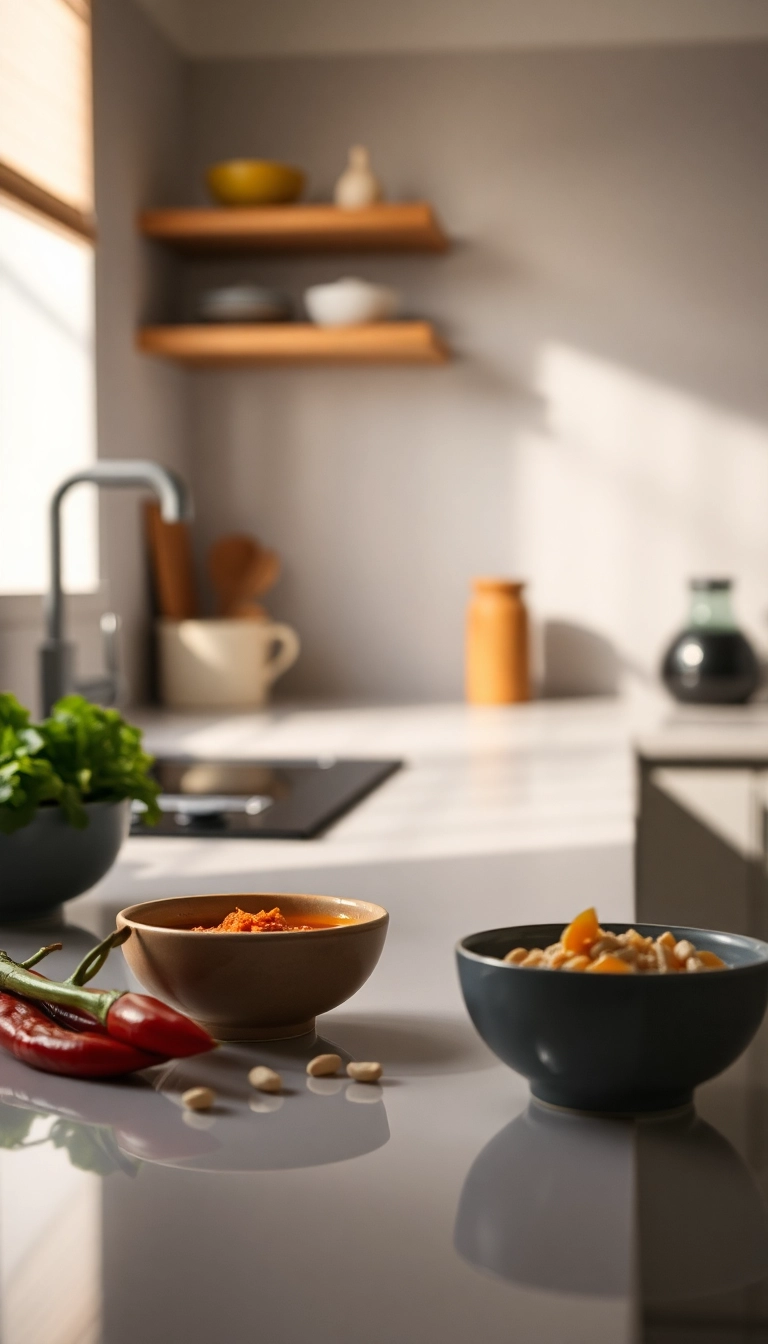
If you happen to have any leftovers (unlikely!), store them in an airtight container in the refrigerator. They’re best enjoyed fresh, but they will keep for a day or two. Remember to store the rolls separately from the dipping sauce. Storing the rolls and sauce separately will prevent the rolls from becoming soggy.
Embrace the Gỏi cuốn Journey
Making Vietnamese rice paper rolls is more than just a recipe; it’s an experience. It’s a journey of discovery, creativity, and culinary delight. So grab your ingredients, put on some music, and embark on this flavorful adventure. I promise, you won’t regret it! Happy rolling, and enjoy this easy Vietnamese spring roll recipe that brings the best Vietnamese rice paper rolls right to your kitchen. The process of making Gỏi cuốn is a rewarding experience, offering a chance to connect with Vietnamese culture and cuisine while enjoying a delicious and healthy meal.
I love adding fresh mint or cilantro to my rice paper rolls for extra flavor!
I love those herbs too! Have you tried adding sliced mango or shrimp for variety?