
If you’ve ever traveled through Vietnam or explored its culinary traditions, chances are you’ve encountered the incredible variety of Che desserts. Unique Vietnamese che combinations offer a perfect blend of tradition and innovation, providing both nostalgic favorites and daring new creations. These sweet, colorful, and often refreshing treats have a rich history rooted in centuries of Vietnamese culture. As someone passionate about discovering new flavors, I find the evolving Che scene in 2025 especially exciting. Today, I want to take you on a journey through this vibrant dessert landscape and share insights into what’s trending and what you should try next.
The Heritage of Vietnamese Che Desserts
Before diving into the new flavors, it’s essential to understand the deep cultural roots of Che. Traditionally, Che encompasses a wide range of sweet soups, puddings, and jellies made from ingredients like beans, sticky rice, fruits, and coconut milk. Unique Vietnamese che combinations have become more than just a dessert; they’re a reflection of regional ingredients, seasonal produce, and the Vietnamese people’s ingenuity. These desserts are often served in small bowls, perfect for sharing or savoring individually. Their origins trace back to ancient Vietnam, where they were enjoyed during festivals, family gatherings, and daily life.
Over time, Che has become more than just a dessert; it’s a reflection of regional ingredients, seasonal produce, and the Vietnamese people’s ingenuity. The classic versions often emphasize natural sweetness and simplicity, but modern chefs are now pushing boundaries with new textures, flavors, and presentation styles.
Current Trends Shaping Che Dessert Innovations
In 2025, the Vietnamese Che scene is blossoming with creativity. Popular Vietnamese sweet soup chefs and enthusiasts are blending tradition with contemporary influences, resulting in exciting new flavors and presentations. Here are some key trends I’ve noticed:
- Fusion Flavors: Combining traditional ingredients with international influences like matcha, taro, or even tropical fruits such as mango and passionfruit.
- Health-Conscious Variations: Incorporating superfoods, reducing sugar, and adding functional ingredients like chia seeds or herbal infusions.
- Creative Textures: Mixing contrasting textures—smooth, chewy, crunchy—to elevate the sensory experience.
- Vibrant Visuals: Using natural food coloring and artistic plating to make Che desserts Instagram-worthy.
This dynamic scene makes exploring Che in 2025 as much about visual delight as it is about flavor.
Top New Che Flavors to Watch Out For
If you’re eager to experience the latest Che innovations, here are some must-try flavors that are trending this year: Popular Vietnamese sweet soup remains a staple, but with fresh twists that highlight seasonal ingredients.
1. Matcha and Coconut Che
This fusion marries the earthy bitterness of Japanese matcha with the creamy sweetness of coconut milk. It’s a soothing yet invigorating combination that’s perfect for both summer and winter cravings.
2. Mango Sticky Rice Che
Inspired by the popular Vietnamese and Thai mango sticky rice dessert, this Che features ripe mango chunks, sweet sticky rice, and a drizzle of coconut cream. It’s tropical, vibrant, and irresistibly sweet.
3. Taro and Banana Pudding
Using purple taro for its stunning color and earthy flavor, combined with ripe bananas, creates a rich, creamy pudding that feels both indulgent and comforting.
4. Basil and Lemongrass Infused Che
For a fresh twist, some chefs are infusing Che with fragrant herbs like basil and lemongrass, offering a subtle savory note amid the sweetness.
5. Black Bean and Pandan Che
This innovative blend combines the deep flavor of black beans with the aromatic sweetness of pandan leaves, resulting in a visually striking and flavorful dessert.
Where to Find These Flavors in Vietnam

If you’re planning a trip or simply want to taste these new Che flavors, I recommend visiting popular street food markets in Ho Chi Minh City or Hanoi. Innovative Vietnamese che dessert recipes are often featured at these spots, making it easy to discover fresh takes on classics. Many local vendors are experimenting with new recipes, so don’t hesitate to ask for their specialties or if they have any new creations. Additionally, upscale cafes in major cities are now offering gourmet Che desserts with modern twists—perfect for a leisurely afternoon treat.
Online platforms and food delivery apps also list innovative Che options from renowned chefs, making it easier to indulge from home. Look for places that emphasize quality ingredients and creative presentation to truly experience the evolving Che scene.
DIY Vietnamese Che at Home
If you’re a DIY enthusiast or just want to try making your own Che, I’ve found that starting with simple recipes is best. Innovative Vietnamese che dessert recipes can be adapted easily, allowing you to experiment with global ingredients while keeping the essence intact. Here’s a practical tip: begin with classic Che Ba Mau (three-color dessert) and then gradually experiment by adding new ingredients like matcha powder or tropical fruits.
Gather ingredients such as mung beans, coconut milk, glutinous rice, and your chosen flavorings. Use natural food coloring—like pandan juice or beetroot extract—to enhance visual appeal. Remember, the key to a great Che is balancing sweetness and texture, so taste as you go and adjust accordingly.
Online tutorials and Vietnamese cooking blogs are fantastic resources for step-by-step guides. Making Che at home is not only rewarding but also allows you to customize flavors to your liking.
Are you ready to taste authentic Vietnamese food and immerse yourself in the country’s dynamic street life?
Tips for Tasting and Appreciating New Che Flavors
When trying new Che desserts, keep an open mind and embrace the variety. Here are some practical tips:
- Start Small: Sample small portions to appreciate different flavors without overwhelming your palate.
- Note the Textures: Pay attention to how the smooth, chewy, and crunchy elements interplay—this is often what makes Che so delightful.
- Ask the Vendors: Don’t hesitate to inquire about ingredients or preparation methods; local vendors are usually happy to share their knowledge.
- Pair with Tea: Complement your Che with traditional Vietnamese iced tea or jasmine tea for a more rounded experience.
How Che Desserts Reflect Vietnamese Culture
Beyond their delicious taste, Che desserts embody the warmth, creativity, and adaptability of Vietnamese culture. They’re often served during festivals, family gatherings, and celebrations, symbolizing good fortune and happiness. The ongoing innovation in Che flavors mirrors Vietnam’s dynamic society—respecting tradition while eager to embrace new influences.
Experiencing Che is like taking a sweet journey through Vietnam’s history, geography, and culinary artistry. Each bowl tells a story, and trying new flavors is a way to connect more deeply with this vibrant culture.
Community and Che: Connecting Over Dessert
One of my favorite aspects of exploring Che is the community around it. Whether chatting with street vendors, fellow food enthusiasts, or participating in local food festivals, I’ve learned that sharing Che is sharing stories. It’s a communal experience rooted in warmth and hospitality.
Navigate Vietnam’s food scene effortlessly with our comprehensive food guides.
If you’re visiting Vietnam, make it a point to visit local markets and street stalls. You’ll discover hidden gems and perhaps even make new friends over a shared bowl of Che. For those who prefer staying home, joining online forums and social media groups dedicated to Vietnamese cuisine can be equally enriching.
Looking Ahead: The Future of Vietnamese Che Desserts
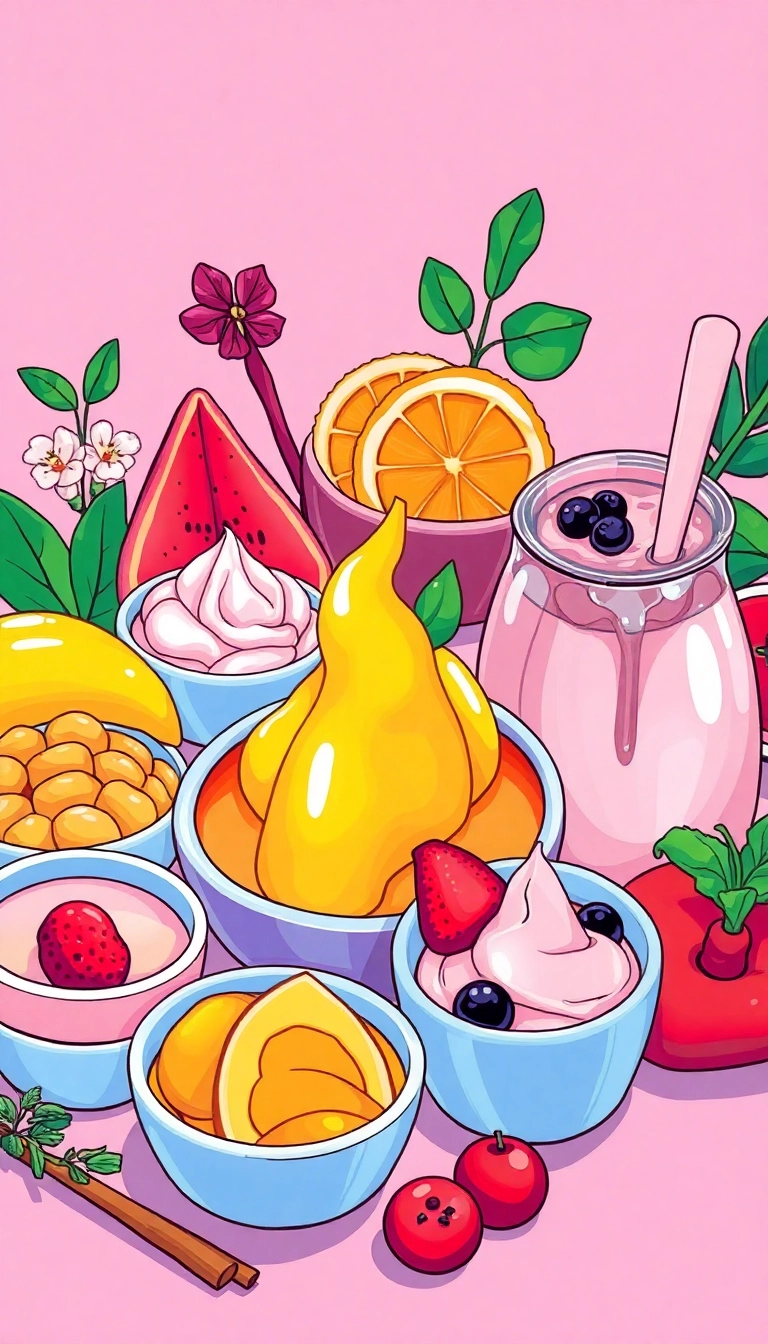
What’s exciting about 2025 is that the Che scene is still evolving. Che chefs are experimenting with sustainable ingredients, plant-based options, and even incorporating superfoods to meet health trends. I believe we’ll see more visually stunning desserts that push creative boundaries while honoring traditional roots.
As a lover of flavors and storytelling through food, I’m eager to see how future generations of Vietnamese chefs will continue to innovate. For now, I recommend you keep an open mind, explore local markets, and try as many new flavors as possible. The world of Che is vast, colorful, and full of surprises.
11 Must-Try Che Flavors for 2025
- Matcha and Coconut Che – a soothing green delight with tropical undertones.
- Mango Sticky Rice Che – a vibrant, fruity classic with a modern twist.
- Taro and Banana Pudding – rich, creamy, and irresistibly comforting.
- Basil and Lemongrass Infused Che – fragrant and refreshing for summer days.
- Black Bean and Pandan Che – bold, aromatic, and visually striking.
- Pink Dragon Fruit Che – featuring the stunning color and subtle sweetness of dragon fruit.
- Lychee and Pear Che – light, floral, and perfect for hot weather.
- Chia Seed and Mango Che – healthful, with added nutrition and tropical flavor.
- Salted Caramel and Peanuts Che – a Western-inspired twist with Vietnamese flair.
- Sesame and Honey Che – nutty, sweet, and deeply satisfying.
- Ginger and Lemon Che – a zesty, warming variation ideal for cold days or soothing digestion.
I love how Vietnamese Che is evolving with new flavors and interactive experiences. so exciting!
Have you tried the new Vietnamese Che flavors? They’re getting wild and delicious lately!
I’m loving how chefs are mixing traditional che with modern ingredients. 2025 is going to be epic!
I’m really excited about the new Vietnamese Che trends for 2025, especially the flavors!
Have you tried incorporating pandan leaves or coconut cream in your next dessert? 😊
I can’t wait for the Che festivals in 2025! Tasting new flavors and learning to make them sounds incredible!