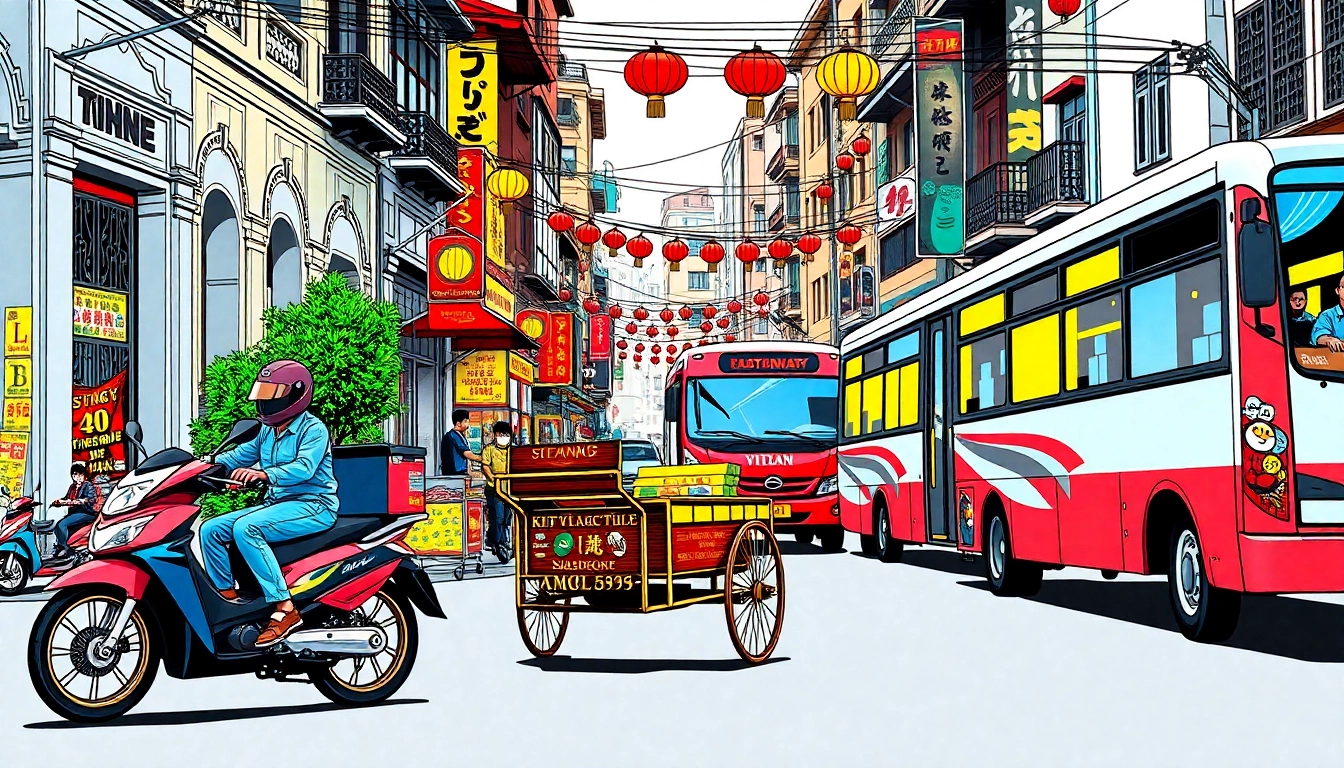
When I first traveled to Vietnam, I was overwhelmed by the variety of transportation options available. From bustling cities to serene countryside, Vietnam offers a rich tapestry of ways to get around. Whether you’re looking for best way to travel in Vietnam or more comfortable options, understanding these modes will help you navigate with confidence.
Vietnam’s transportation landscape includes everything from traditional taxis and motorbike rentals to modern buses and trains. Each mode has its unique charm and practicalities, so I recommend considering your itinerary, budget, and comfort level when planning your travel, especially considering Vietnam transportation options for tourists.
Getting Around Cities: Taxis, Rideshares, and Motorbikes
In cities like Hanoi, Ho Chi Minh City, and Da Nang, taxis and rideshare apps are the most convenient for short distances. I found that using apps like Grab — Vietnam’s equivalent of Uber — made hailing a ride safe, transparent, and affordable. Just a few taps, and you’re on your way!
Motorbike rentals are extremely popular and give you the freedom to explore at your own pace. I rented a motorbike in Hoi An, and it was an adventure! However, be cautious if you’re unfamiliar with local traffic rules; always wear a helmet and drive defensively.
For a more traditional experience, you can also flag down cyclos or tuk-tuks, especially in touristy areas. They add a cultural touch to your journey and are perfect for short trips or sightseeing tours.
Public Transportation: Buses and Trains
For affordable transportation in Vietnam, Vietnam’s bus network is extensive and budget-friendly. I used local buses to travel between neighborhoods and cities, but it can be a bit daunting due to language barriers and the bus schedules. For tourists, guided bus tours or tourist buses can simplify the process.
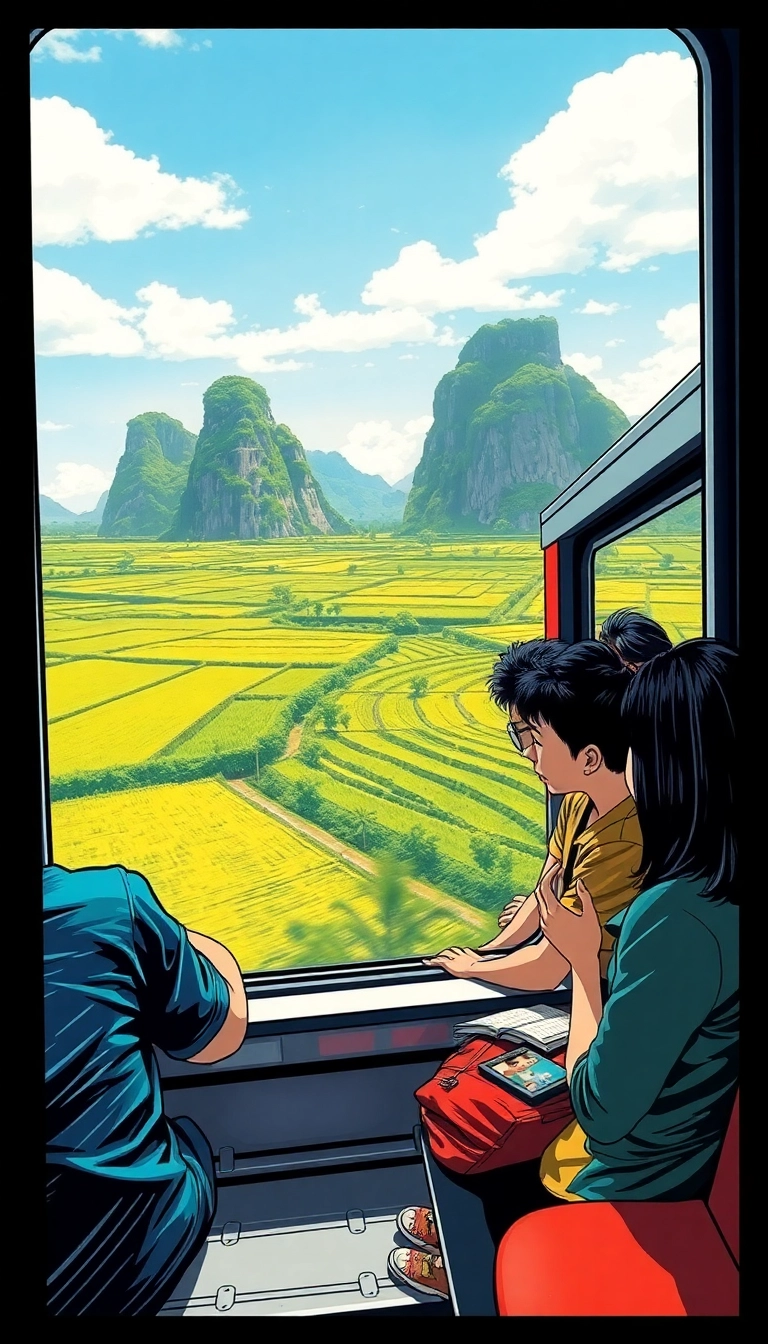
The train system is another fantastic way to see the country and enjoy scenic views. The Reunification Express from Hanoi to Ho Chi Minh City is iconic, offering a nostalgic journey through Vietnam’s landscapes. I took the train from Hue to Da Nang, and it was incredibly scenic and comfortable. Booking tickets in advance is recommended, especially for sleeper cabins.
Long-Distance Travel: Flights and Private Transfers

If you’re short on time or traveling across vast distances, domestic flights are your best bet. Vietnam Airlines, VietJet Air, and Bamboo Airways operate numerous routes connecting major cities and tourist destinations. I flew from Hanoi to Phu Quoc, and the process was smooth and quick, saving me hours of travel.
For added comfort, private airport transfers or car rentals can be arranged. They are more expensive but worth it if you prioritize convenience and flexibility, especially when traveling with luggage or in groups.
Renting Vehicles: Cars and Motorbikes
Renting a car in Vietnam is possible but usually reserved for those seeking luxury or traveling in groups. I recommend hiring a driver if you prefer a stress-free experience, as local driving habits can be intense for newcomers.
Motorbike rentals are readily available in most tourist areas. I recommend renting from reputable companies and ensuring the vehicle is in good condition. Always carry your license, and consider taking a short test ride before heading out for a longer journey.
Practical Tips for Navigating Vietnam Transportation
My top tip is to learn a few basic Vietnamese phrases related to transportation, like “Where is…?” or “How much to…?” It helps immensely when negotiating fares or asking for directions. Carry cash in small denominations; many drivers and vendors prefer cash payments.
Make sure to have a local SIM card with data. It’s invaluable for using maps, ride-hailing apps, and translating services. I always keep a printed map as a backup, just in case.
Safety is paramount. Always wear helmets on motorbikes, buckle up in cars, and avoid overloading taxis or boats. Trust your instincts — if something doesn’t feel right, find an alternative.
Cost Considerations and Budget Tips
Transportation costs in Vietnam are generally very affordable. For example, a Grab ride within city centers costs around $2 to $4. Buses are even cheaper, often less than a dollar for short distances. Trains and flights vary depending on the route, but I found booking in advance often yields discounts.
To save money, consider purchasing travel passes or multi-ride tickets where available. For longer trips, booking flights or trains early can secure the best rates. I also recommend splitting costs with travel companions for private transfers or car rentals.
Final Advice for Smooth Travel
My biggest tip is to stay flexible and open-minded. Vietnam’s transportation system might seem chaotic at first, but it’s part of the adventure. Embrace the local customs, and don’t hesitate to ask locals for help — they’re usually friendly and eager to assist.
Explore the natural beauty and cultural sites of Vietnam’s regions with our Vietnam travel regional guide.
Always plan your routes ahead of time, especially for longer journeys, and keep your essentials handy. Whether you’re hopping on a motorbike, catching a train, or booking a flight, being prepared will make your trip smoother and more enjoyable.
Enjoy your travels in Vietnam! With the right transportation choices, like best way to travel in Vietnam, you’ll see more, stress less, and truly immerse yourself in this vibrant country’s rich culture and stunning scenery.
Getting around Vietnam is a blast! Have you tried a motorbike tour? It’s epic!
I have experienced a motorbike tour, and it was exhilarating! Any tips for exploring?
That sounds awesome! Did you try any other modes of transport while exploring? Such memories!
That sounds awesome! Did you rent the motorbike or join a guided tour?