
The land of stunning landscapes, vibrant culture, and delicious food. As a solo female traveler, I was initially apprehensive, but the experience far exceeded my expectations. Vietnam safety tips for women were invaluable for my journey, and this post is all about sharing my journey and equipping you with the essential safety tips I learned along the way. Let’s dive in!
Planning Your Trip: Research is Key
Before you even book your flight, thorough research is paramount. I spent weeks reading blogs, forums, and guidebooks, focusing on areas popular with solo female travelers and those known for their safety. I also looked into local customs and etiquette to avoid unintentional cultural faux pas. This preparation significantly boosted my confidence. Delving into the history and culture of the specific regions you plan to visit will also enrich your experience tenfold. Understanding the nuances of Vietnamese society will help you navigate interactions with locals more smoothly and respectfully. Consider researching specific festivals or events that might be happening during your trip, as these can be incredible opportunities to immerse yourself in the local culture. Don’t just look at the tourist hotspots; explore lesser-known areas that offer a more authentic glimpse into Vietnamese life. Safe areas in Vietnam for women should always be prioritized, and ensure you have reliable information about these regions before venturing off the beaten path.
Accommodation: Prioritizing Safety and Comfort
Choosing the right accommodation is crucial. I opted for reputable hotels and guesthouses in well-lit, central locations, often booking in advance, especially in smaller towns. Reading reviews on sites like Booking.com and TripAdvisor helped me identify places with positive feedback on safety and security. Look beyond just the star rating and delve into the specific comments regarding security measures like 24-hour reception, secure key access, and the presence of security cameras. Consider accommodations that offer female-only dorms or floors, as these can provide an extra layer of comfort and security. Contact the accommodation directly to inquire about their safety protocols and any specific measures they take to ensure the well-being of solo female travelers. Don’t hesitate to ask questions about the neighborhood and any potential safety concerns. It’s also wise to familiarize yourself with the local emergency numbers and the address of the nearest police station.
Staying Connected: Utilizing Technology Wisely
Staying connected is crucial for safety and peace of mind, especially when traveling solo. I invested in a local SIM card for easy communication and access to navigation apps. I also shared my itinerary with family and friends back home and regularly checked in with them. Beyond a SIM card, explore the possibility of renting a pocket Wi-Fi device, which can provide a more stable and reliable internet connection, especially in remote areas. Utilize apps like WhatsApp or Viber for free international calls and messaging. Consider investing in a portable power bank to ensure your phone stays charged throughout the day, especially when you’re out exploring. Download offline maps of the areas you plan to visit, as this can be invaluable if you lose your internet connection. Familiarize yourself with the emergency features on your smartphone, such as the ability to quickly call for help or share your location with emergency contacts. Regularly back up your phone’s data to the cloud to prevent data loss in case of theft or damage.
Transportation: Navigating Vietnam’s Roads
Vietnam’s transportation system is diverse, from bustling motorbikes to comfortable buses and trains. I primarily used reputable ride-hailing apps like Grab, ensuring the driver’s information was visible and shared with my contacts. For longer distances, I chose overnight sleeper trains, which offered a safe and relatively inexpensive option. When using ride-hailing apps, always double-check the driver’s name and license plate against the information provided in the app before getting in the vehicle. If you’re taking a taxi, opt for reputable companies and negotiate the fare beforehand or ensure the meter is running. Avoid accepting rides from unofficial taxis or individuals offering unsolicited transportation. For motorbike travel, which is a popular way to explore Vietnam, consider hiring a reliable driver instead of driving yourself, especially if you’re not experienced with Vietnamese traffic. If you do choose to rent a motorbike, always wear a helmet and ensure you have proper insurance coverage. When traveling by bus, keep your belongings close and be aware of your surroundings, especially at bus stations. Overnight sleeper trains offer a comfortable and safe option for long-distance travel, but be sure to book your tickets in advance, especially during peak season.
Health and Wellness: Staying Safe and Healthy
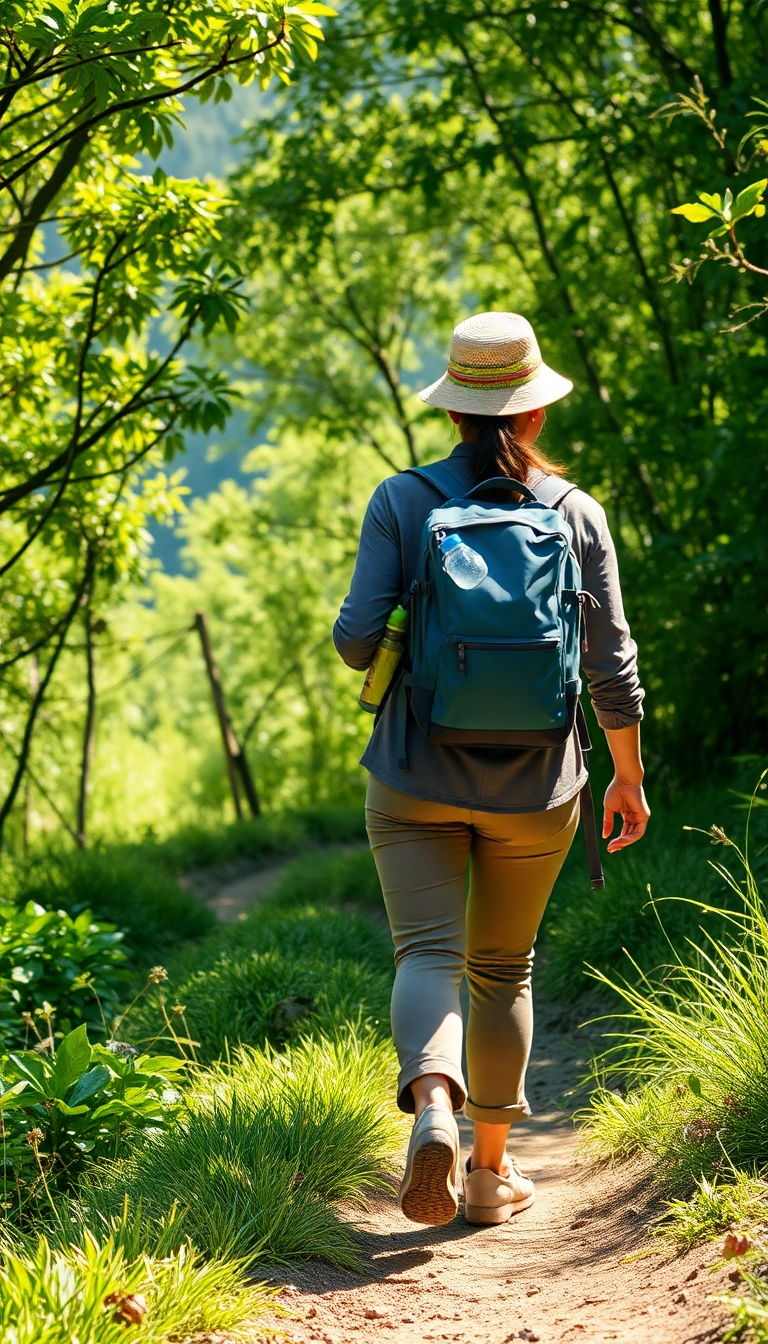
Maintaining good health is vital for a smooth trip. I consulted my doctor before departure to ensure I had necessary vaccinations and medications. I packed a well-stocked first-aid kit and made sure to stay hydrated and eat at reputable establishments. Remember to purchase travel insurance! Research recommended vaccinations and malaria prophylaxis for Vietnam and discuss them with your doctor. Pack a comprehensive first-aid kit that includes essentials like antiseptic wipes, bandages, pain relievers, anti-diarrheal medication, and motion sickness remedies. Stay hydrated by drinking plenty of bottled water throughout the day, especially in hot and humid climates. Be mindful of food hygiene and stick to eating at reputable restaurants and street food stalls that appear clean and well-maintained. Avoid consuming tap water, ice cubes, and unpasteurized dairy products. Pack insect repellent to protect yourself from mosquito bites, which can transmit diseases like dengue fever and Zika virus. Consider bringing a travel-sized hand sanitizer to use after touching surfaces in public places. Get adequate sleep to maintain your immune system and prevent illness. Ensure your travel insurance policy covers medical expenses, evacuation, and repatriation in case of an emergency.
Respecting Local Customs and Traditions
Immerse yourself in the culture, but do so respectfully. I took the time to learn basic Vietnamese phrases, which helped me connect with locals and show my respect. I also dressed modestly in certain areas and was mindful of local customs and traditions. Learning a few basic Vietnamese phrases will go a long way in showing respect and facilitating interactions with locals. Research appropriate attire for visiting religious sites, such as temples and pagodas, and dress modestly by covering your shoulders and knees. Be mindful of local customs and traditions, such as removing your shoes before entering someone’s home or a temple. Avoid public displays of affection, which are generally not considered appropriate in Vietnamese culture. Be respectful of the elderly and address them with appropriate honorifics. Learn about the significance of festivals and celebrations and participate in them respectfully. Be aware of the local laws and regulations and avoid engaging in any illegal activities. Support local businesses and artisans by purchasing their products and services. Engage in conversations with locals and learn about their culture and perspectives.
Money Matters: Managing Your Finances
Managing your finances wisely is essential. I carried a mix of cash and credit cards, keeping a portion of my money separate from my main funds. I also informed my bank of my travel dates to avoid any issues with card usage. Research the current exchange rate between your currency and the Vietnamese Dong (VND) to ensure you’re getting a fair deal when exchanging money. Keep a separate stash of cash in a hidden location, such as a money belt or a hidden pocket in your backpack, as a backup in case of theft or loss. Inform your bank and credit card companies of your travel dates and destinations to prevent your cards from being blocked due to suspicious activity. Consider using a travel credit card that offers rewards or points for international purchases. Be aware of ATM fees and transaction charges and choose ATMs that offer the lowest fees. Avoid using ATMs in isolated or poorly lit areas. Be cautious when using your credit card at unfamiliar establishments and always keep an eye on your card during transactions. Regularly check your bank statements and credit card transactions for any unauthorized activity. Consider using a budgeting app to track your expenses and stay within your budget.
Staying Aware of Your Surroundings
Situational awareness is key. I avoided walking alone in poorly lit areas at night and trusted my intuition. If a situation felt unsafe, I removed myself immediately. Sticking to well-populated areas, especially at night, greatly enhanced my sense of security. Pay attention to your surroundings and be aware of potential hazards, such as traffic, uneven sidewalks, and petty theft. Avoid walking alone in poorly lit or isolated areas, especially at night. Trust your gut feeling and if a situation feels unsafe or uncomfortable, remove yourself from the situation immediately. Be cautious of strangers who approach you offering unsolicited assistance or overly friendly conversation. Avoid displaying expensive jewelry or electronic devices in public, as this can attract unwanted attention. Keep your belongings close and be aware of pickpockets, especially in crowded areas and tourist hotspots. Be cautious of scams and avoid being overly trusting of strangers. Learn about common scams in Vietnam and how to avoid them. If you’re approached by someone offering a deal that seems too good to be true, it probably is. Report any suspicious activity to the police or local authorities.
Building Confidence: Trusting Your Instincts
Trust your gut feeling. If something feels off, it probably is. Don’t hesitate to change your plans or ask for help if needed. My confidence grew with each day, and I learned to rely on my instincts to navigate potentially tricky situations. Cultivate your intuition and learn to recognize the subtle cues that indicate a potentially unsafe situation. Don’t be afraid to assert yourself and say “no” if you feel uncomfortable or pressured. Trust your judgment and don’t second-guess yourself if you feel something is wrong. Develop a strong sense of self-awareness and be confident in your ability to handle challenging situations. Practice positive self-talk and remind yourself of your strengths and capabilities. Visualize yourself successfully navigating different scenarios and overcoming challenges. Seek out opportunities to step outside of your comfort zone and build your confidence through experience. Celebrate your accomplishments and acknowledge your progress in building your confidence. Surround yourself with supportive and positive people who encourage you to trust your instincts.
Connecting with Other Travelers: Sharing Experiences
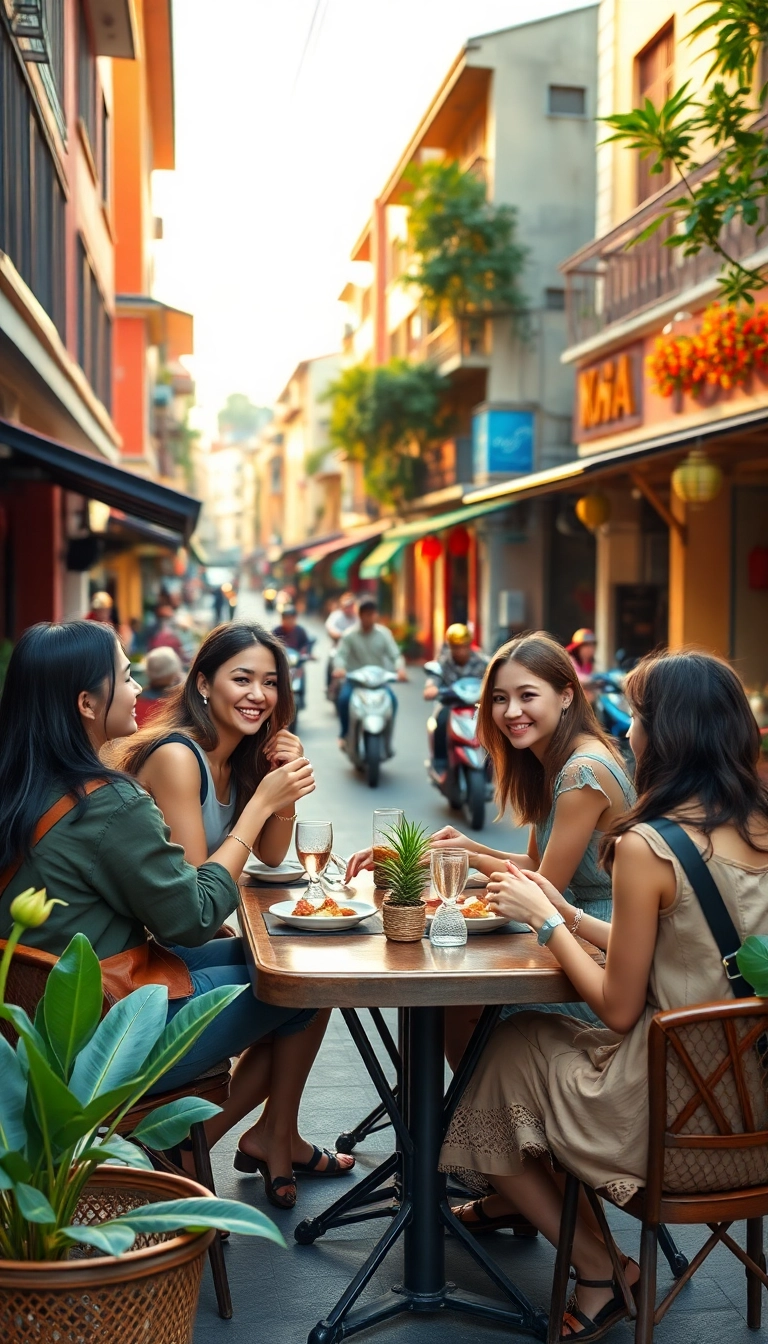
Connecting with other travelers, whether through hostels or organized tours, can be a great way to enhance your safety and experience. Solo female travel in Vietnam advice often includes sharing tips, recommendations, and experiences with fellow travelers, which created a sense of community and boosted my confidence. Stay in hostels or guesthouses that have social common areas where you can meet other travelers. Join organized tours or activities that provide opportunities to connect with like-minded individuals. Use online platforms like Facebook groups and travel forums to connect with other travelers before and during your trip. Share your experiences and tips with other travelers and learn from their insights and perspectives. Exchange contact information with travelers you connect with and stay in touch after your trip. Travel with a friend or small group if you feel more comfortable than traveling alone. Consider joining a women-only travel group for a supportive and empowering experience. Share your itinerary with other travelers and check in with each other regularly. Look out for each other and offer assistance if someone needs help.
Having a Plan
Having a plan in place for emergencies is crucial. I carried a copy of my passport and visa, along with emergency contact information. Knowing the location of the nearest embassy or consulate provided reassurance. I also downloaded a translation app for easier communication in emergencies. Make copies of your passport, visa, and other important documents and store them separately from the originals. Keep a digital copy of your documents securely stored in the cloud or on a USB drive. Research the location of the nearest embassy or consulate of your home country and familiarize yourself with their contact information. Create a list of emergency contacts, including family members, friends, and your insurance provider, and keep it readily accessible. Download a translation app on your phone to help you communicate in Vietnamese in case of an emergency. Learn a few basic Vietnamese phrases for emergencies, such as “help,” “police,” and “hospital.” Familiarize yourself with the local emergency numbers, such as the police, fire department, and ambulance. Inform someone back home of your itinerary and check in with them regularly. Consider purchasing a personal safety alarm or whistle to use in case of an emergency. Know your blood type and any allergies you have. Carry a medical information card with you that lists any medical conditions, allergies, and medications you are taking.
Explore Vietnam’s diverse culture and landscapes with our detailed Vietnam travel guides.
- Always be aware of your surroundings, especially in crowded areas.
- Avoid excessive alcohol consumption, as this can impair your judgment.
- Share your itinerary with someone you trust back home.
- Learn a few basic Vietnamese phrases to improve communication.
- Use reputable transportation services and avoid hitchhiking.
- Be cautious about accepting drinks or food from strangers.
- Keep your valuables secure and avoid displaying expensive jewelry.
- Be mindful of scams and avoid being overly trusting.
- Carry a whistle or personal safety alarm as a deterrent.
- Don’t be afraid to ask for help if you feel unsafe or lost.
- Stay connected with friends and family through regular check-ins.
Traveling solo as a woman in Vietnam can be incredibly rewarding with the right preparation. Vietnam safety tips for women like these have helped many navigate their trips successfully. Additionally, solo female travel in Vietnam advice emphasizes the importance of preparation and awareness. Remember to seek out safe areas in Vietnam for women during your planning. And finally, always remember that safe areas in Vietnam for women are key to a worry-free adventure, making your experience unforgettable.
Staying alert in crowded places and getting travel insurance adds safety for solo female travelers.
Traveling solo in Vietnam is empowering! Embrace the culture, connect with locals, and stay safe!
Have you tried learning a few Vietnamese phrases? It helps so much!
Picture yourself exploring a vibrant market, chatting with locals while keeping your belongings close.
Traveling solo in Vietnam? Prioritize safety, stay connected, and consider joining women’s travel groups!
Always trust your instincts and keep your phone charged, just in case!
Ever tried a mysterious street vendor snack? Approach with caution. your taste buds might complain!
I’ve definitely taken the plunge with street vendor snacks. always choose busy vendors! What do you think?