When I first traveled to Vietnam, I quickly realized that respecting local customs isn’t just polite—it’s essential for a meaningful experience. Vietnam travel etiquette tips can help ensure that small gestures of respect lead to positive outcomes. Vietnamese culture is deeply rooted in traditions that emphasize respect, humility, and harmony. As travelers, embracing these customs shows genuine appreciation and helps foster positive interactions with locals.
For example, greeting someone with a slight bow or a traditional Vietnamese greeting like “Xin chào” (hello) can go a long way. Vietnamese cultural customs guide many everyday practices. I learned that small gestures of respect, such as removing your shoes before entering someone’s home or a temple, are highly valued. Remember, observing and adapting to these customs demonstrates your willingness to engage sincerely with the culture.
The Significance of Proper Dress
One of the first practical lessons I picked up was about dressing appropriately, especially when visiting religious sites. Respectful travel in Vietnam involves being mindful of modesty in attire. Vietnamese people place importance on modesty; wearing revealing clothing can be viewed as disrespectful. When I visited temples or pagodas, I made sure to cover my shoulders and knees, which is a sign of respect.
For everyday outings, casual but neat attire works well. Avoid wearing overly flashy or provocative clothes, particularly in rural areas. Bringing a scarf or shawl can be handy for covering shoulders if you find yourself in a sacred space unexpectedly.
Respecting Religious Sites and Practices
Vietnam is home to many beautiful temples, pagodas, and religious sites, each with its own customs. During my visits, I noticed that quietly observing and following the locals’ lead is the best approach. For instance, when entering a temple, I always removed my shoes, as is customary.
It’s also important to avoid pointing your feet at religious icons or statues—this is considered disrespectful. When sitting during ceremonies, sit cross-legged or with your feet tucked away, and speak softly to maintain a respectful atmosphere. If unsure, watching how locals behave can guide you.
Handling Personal Interactions with Courtesy
Politeness is at the heart of Vietnamese social interactions. I found that addressing elders with respect, using titles like “ông” (Mr.) or “bà” (Mrs.), is appreciated. Vietnam travel etiquette tips often highlight the importance of a warm smile. When talking to strangers, a warm smile and gentle tone create positive connections.
In markets or busy streets, I learned to be patient and courteous, even if there’s a bit of hustle. Bargaining is common, but doing so with a smile and a friendly attitude keeps the experience enjoyable for everyone. Remember, a little politeness can turn a stressful encounter into a pleasant one.
Understanding Tipping Customs
Unlike some countries where tipping is mandatory, in Vietnam, it’s more about appreciation. I often wondered whether I should tip at restaurants or for services, and I found that small tips are appreciated but not obligatory.
For instance, leaving about 10% at a restaurant or giving a small amount to hotel staff or tour guides is seen as courteous. Vietnamese cultural customs guide the nuances of such gestures. When in doubt, observing locals or asking discreetly can help you gauge what’s appropriate. It’s a kind gesture that shows your gratitude without overdoing it.
Photography Etiquette and Respecting Privacy
Photographing locals and their daily lives is tempting, but I quickly learned that asking permission is the respectful thing to do. Many Vietnamese people are shy about being photographed, especially elders or in rural areas.
Always ask politely—saying “Bạn có thể chụp hình tôi không?” (Can you take my picture?)—and wait for their response. Avoid taking photos of people in sacred spaces or during religious ceremonies unless explicitly invited. Respecting privacy fosters trust and genuine interactions.
Proper Behavior in Public Places
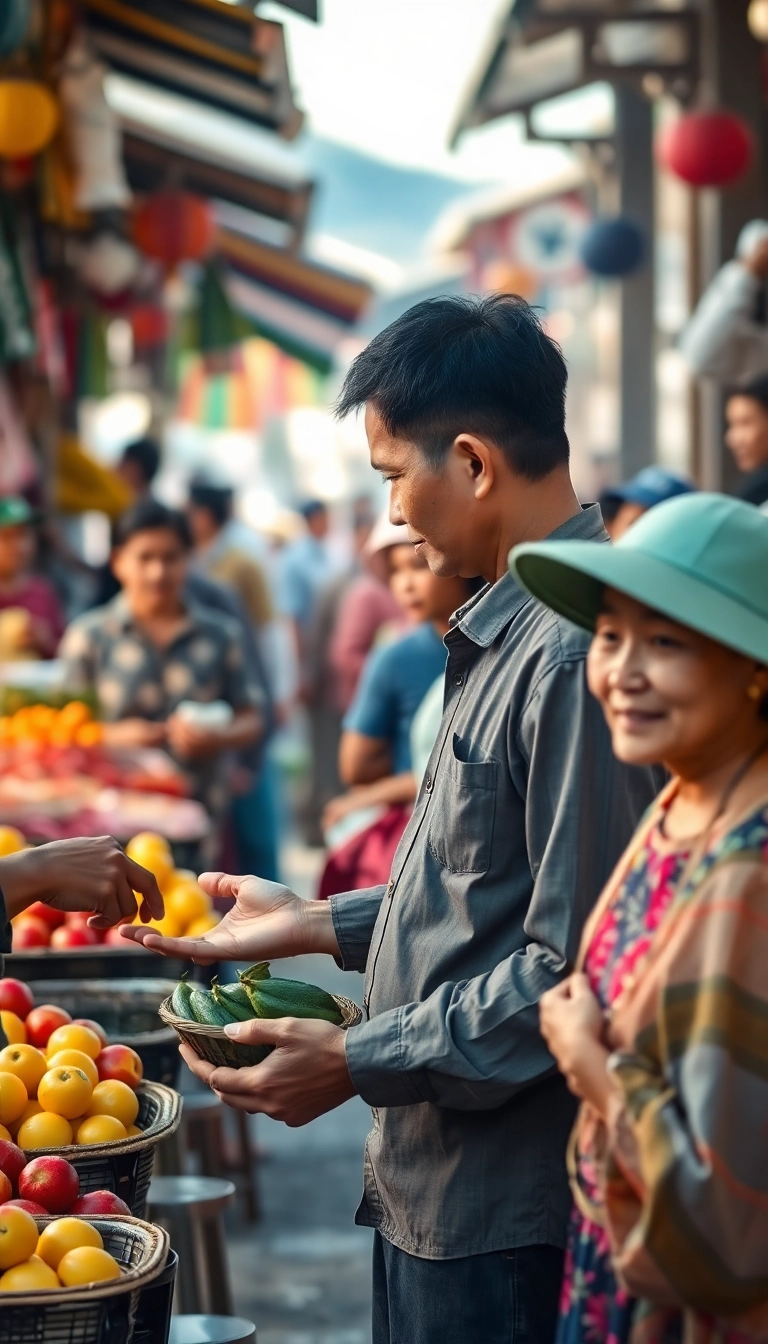
Vietnamese society values modesty and calmness in public. I noticed that loud conversations or disruptive behavior can be considered rude. When using public transportation or in crowded markets, keeping your voice low and being patient with others is appreciated.
Additionally, queuing patiently and avoiding rushing ahead of others demonstrates good manners. Simple gestures like offering your seat to an elderly person or a pregnant woman reflect kindness and respect for social harmony.
Showing Respect to Elders and Authority
In Vietnam, elders are highly respected, and showing deference is customary. I always made an effort to greet elders with a slight bow or a nod, and I addressed them politely. If an elder offered advice or instructions, I accepted it humbly.
Similarly, respecting authority figures, such as police officers or government officials, involves remaining calm and cooperative. These gestures of respect are not just cultural; they help you navigate social situations smoothly.
Gift-Giving Etiquette
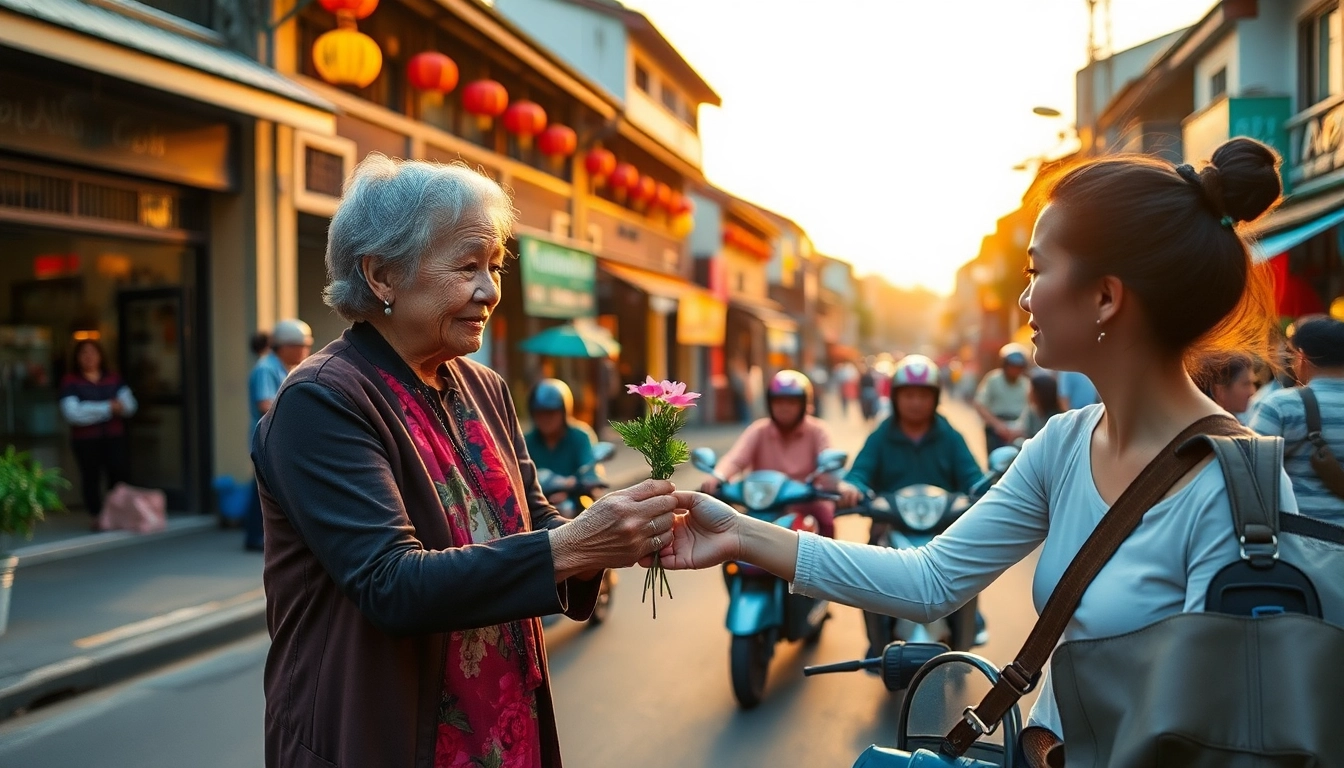
If you’re invited to someone’s home or attending a special occasion, bringing a small gift is a thoughtful gesture. I found that fruits, flowers, or souvenirs from your home country are appropriate. However, avoid giving gifts that are too expensive or overly personal.
When presenting a gift, use both hands as a sign of respect, and receive gifts graciously. Accepting gifts with gratitude and without hesitation strengthens your relationship with locals.
Understanding Local Holidays and Customs
Being aware of Vietnamese holidays and festivals enriches your experience. During Tet, the Lunar New Year, for example, families gather, and certain customs like giving lucky money (li xi) are observed. I tried to participate respectfully, even if just by observing traditions or exchanging small gifts.
Learning about these customs beforehand allows you to join celebrations appropriately and shows your interest in their culture. It’s also a great conversation starter!
Practical Tips for Navigating Cultural Etiquette
My best advice is to stay observant and adapt. Respectful travel in Vietnam means watching how locals behave in different situations. Watch how locals behave in different situations, and when in doubt, ask politely or follow their lead. Small gestures like smiling, bowing slightly, and being patient go a long way.
Remember, respecting customs isn’t about perfection but about showing genuine interest and kindness. Travelers who approach cultural differences with humility and curiosity leave with richer experiences and warmer connections.
Navigating Dining Etiquette
Dining in Vietnam is often a communal affair, and understanding the etiquette can enhance your experience. When dining with locals, wait to be seated and allow the host to initiate the meal. It’s customary for the eldest person at the table to take the first bite, so observe and follow their lead.
Using chopsticks correctly is also essential. Avoid sticking your chopsticks upright in a bowl of rice, as this resembles a funeral ritual and is considered very impolite. Instead, rest your chopsticks horizontally across your bowl or on the chopstick rest provided. Offering food to others at the table, especially elders, is a sign of respect and consideration. Don’t be afraid to try new dishes, and express your appreciation for the meal. Even if you’re not a fan of a particular dish, a simple “Cảm ơn” (thank you) goes a long way.
The Art of Bargaining Respectfully
Bargaining is a common practice in Vietnamese markets, but it’s important to do so respectfully. Start by asking the price with a smile and a friendly tone. Avoid being aggressive or demanding, as this can be seen as rude. Offer a price that is lower than the asking price, but not ridiculously low. A good starting point is usually around 50-70% of the initial price, depending on the item and the location.
Be prepared to negotiate back and forth, but always remain polite and courteous. If you can’t reach an agreement on a price, thank the vendor and walk away. Sometimes, they will call you back with a better offer. Remember that bargaining is a part of the culture, but it’s important to be fair and not try to take advantage of the vendors. A little bit of friendly haggling can be a fun and engaging experience for both parties.
Understanding the Concept of “Face”
The concept of “face,” or “saving face,” is crucial in Vietnamese culture. It refers to a person’s reputation, honor, and social standing. Avoiding actions that could cause someone to lose face is essential for maintaining harmonious relationships. Public criticism or confrontation should be avoided at all costs, as this can be deeply embarrassing and disrespectful.
When addressing a problem or disagreement, do so privately and diplomatically. Focus on the issue at hand, rather than attacking the person. Offering praise and recognition can also help to build face and strengthen relationships. Being mindful of this concept will help you navigate social interactions with sensitivity and avoid unintentional offense.
Learning Basic Vietnamese Phrases
Even a few basic Vietnamese phrases can greatly enhance your interactions with locals. “Xin chào” (hello), “Cảm ơn” (thank you), and “Xin lỗi” (excuse me/sorry) are essential phrases to learn. Knowing how to ask for directions or order food in Vietnamese can also be very helpful. Locals will appreciate your effort to speak their language, even if you only know a few words.
There are many resources available for learning basic Vietnamese, including language learning apps, online courses, and phrasebooks. Practicing with locals is a great way to improve your pronunciation and gain confidence in your language skills. Don’t be afraid to make mistakes; most Vietnamese people are very patient and understanding with foreigners who are learning their language.
Respecting Personal Space
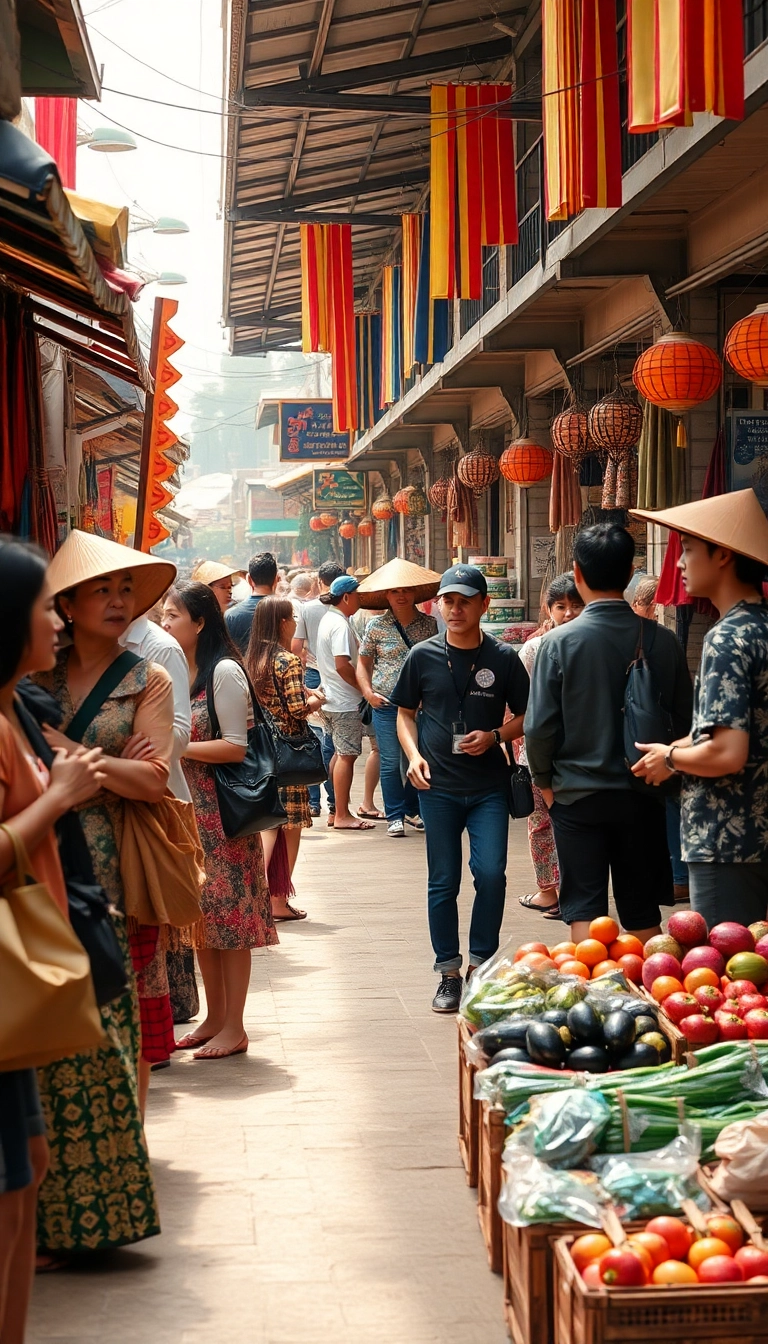
While Vietnamese culture is generally collectivist, respecting personal space is still important. Avoid standing too close to people when talking to them, and be mindful of your body language. Touching someone without their permission can be considered inappropriate, especially with elders or people of the opposite gender.
Unlock authentic Vietnam experiences with our Vietnam travel how-tos and expert advice.
In crowded places, be aware of your surroundings and avoid bumping into people or pushing your way through. Queue patiently and wait your turn. Simple gestures like these demonstrate respect for others and contribute to a more harmonious environment.
Being Mindful of Noise Levels
Vietnamese society values calmness and tranquility, especially in public places. Avoid speaking loudly or making excessive noise, as this can be disruptive and disrespectful. Turn off your phone’s ringer or put it on silent mode when in temples, pagodas, or other quiet areas.
When listening to music or watching videos, use headphones to avoid disturbing others. Being mindful of noise levels will help you to be a more considerate and respectful traveler.
Understanding the Significance of Colors
Colors hold significant meaning in Vietnamese culture, and being aware of these associations can help you to avoid unintentional offense. Red is considered a lucky color and is often associated with celebrations and festivals. Yellow is associated with royalty and is often used in temples and pagodas. White is the color of mourning and is typically worn at funerals.
Avoiding wearing all white, especially during festive occasions, is advisable. Being mindful of these color associations will help you to navigate cultural events with sensitivity and respect.
Embracing the Unexpected
Finally, remember that travel is often unpredictable, and things may not always go according to plan. Vietnamese cultural customs guide travelers through such situations. Embrace the unexpected and be open to new experiences. Approach cultural differences with curiosity and a willingness to learn. By being flexible, adaptable, and respectful, you can create meaningful connections and have a truly unforgettable travel experience in Vietnam.
Isn’t it exciting to dive into Vietnam’s culture? The street food and market experiences are unforgettable!
It’s all about respect in Vietnam! Low voices, patience, and small gifts go a long way!
Traveling in Vietnam is all about connection and respect. gifts and greetings make it unforgettable!
I can’t wait to dive into Vietnam’s culture! Festivals and traditions offer such unique experiences!
You’ll love the vibrant festivals and traditions. each tells a story from Vietnam’s rich past!