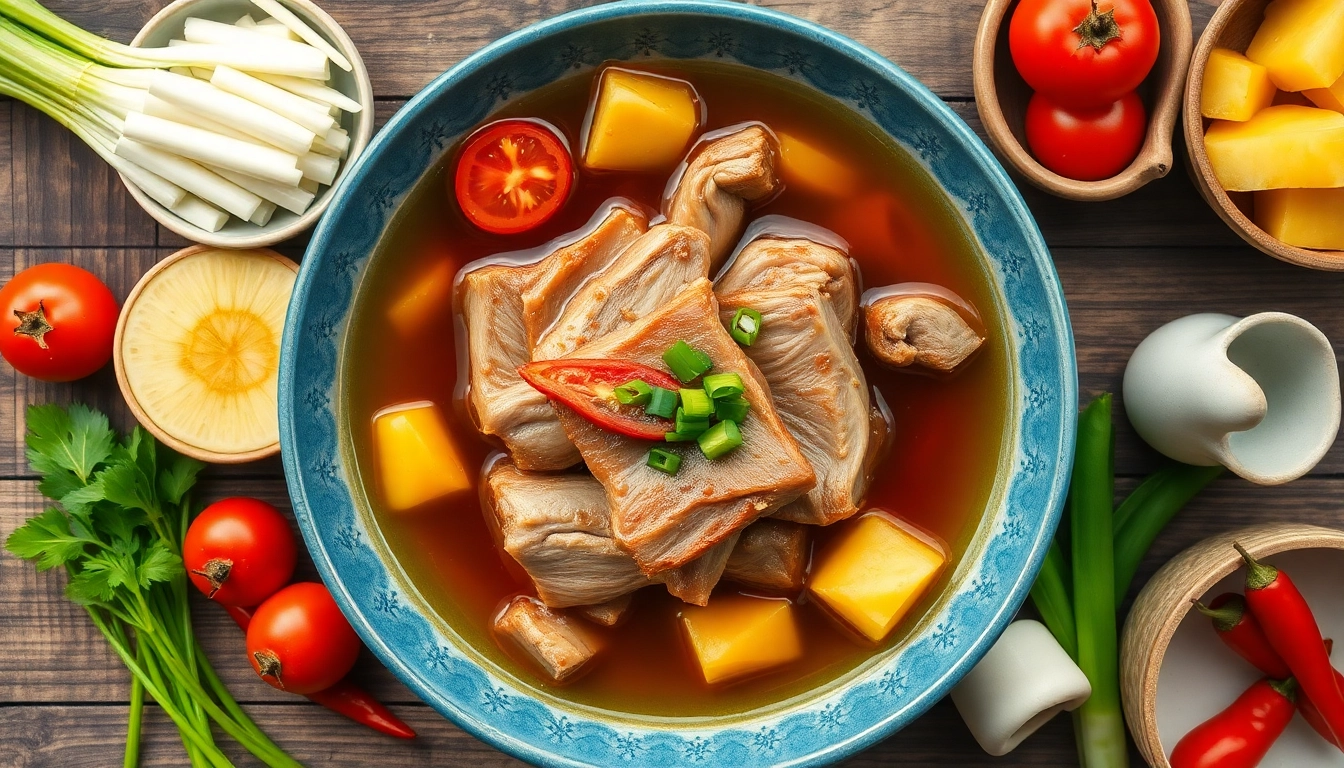
When I first started making Canh Bi Dao, I quickly realized that the quality of pork ribs makes a huge difference. The choice of pork ribs isn’t merely a detail; it’s the cornerstone of a truly exceptional soup. Fresh, high-quality ribs ensure a tender, flavorful broth and meat that falls off the bone with the gentlest touch. I always look for ribs with a good marbling of fat, as this adds richness and depth to the soup, canh bi dao pork ribs tips for achieving that perfect result. The fat renders during cooking, enriching the broth and creating a velvety texture that elevates the entire dish. If you’re shopping at the market, don’t hesitate to ask the butcher for the freshest ribs available; they often have the best recommendations and can guide you towards cuts ideal for this particular application. Look for ribs that are a vibrant pink color, with a firm texture and no unpleasant odors. Avoid ribs that are dry, discolored, or slimy. Remember, fresh ribs not only taste better but also cook more evenly, giving you that perfect melt-in-your-mouth experience in every spoonful. The difference between using high-quality, fresh ribs and less desirable cuts is truly transformative, impacting both the texture and the overall depth of flavor in your Canh Bi Dao.
2. Clear and Sweet Water: The Essence of a Superior Broth
For me, the secret to a beautiful Canh Bi Dao lies in the broth. It’s the heart and soul of the dish, the element that ties all the other flavors together. I always start by boiling pork ribs with a generous amount of water, typically using filtered or spring water for the purest taste. Then, the crucial step: meticulously skimming off any impurities—this is key to maintaining the broth’s clarity and preventing a muddy or cloudy appearance. This process often takes time and patience, but the result is well worth the effort. To achieve a sweet and aromatic broth, I add a small piece of rock sugar or a splash of granulated sugar during cooking. The amount of sugar should be carefully adjusted to balance the savory flavors and enhance the natural sweetness of the pork, without overpowering the other elements of the soup. Too much sugar will result in an overly sweet broth that masks the delicate flavors of the other ingredients. The key is to find that perfect harmony where the sweetness complements the savory notes, creating a complex and nuanced flavor profile. Properly seasoned broth is the foundation of a great Canh Bi Dao—it’s what makes every spoonful comforting and irresistibly delicious. A well-crafted broth is the difference between a good soup and a truly exceptional one.
3. Fresh Bi Dao (Mustard Greens): A Unique Flavor Dimension
I love the vibrant, slightly bitter taste of fresh bi dao, also known as mustard greens. They add a unique flavor dimension and a lovely green color to the soup, providing a visual appeal that complements the rich broth. The slight bitterness of the bi dao acts as a counterpoint to the richness of the pork and the sweetness of the broth, creating a delightful balance of flavors. When choosing bi dao, I look for crisp, bright green leaves without wilting or yellowing. These indicators suggest freshness and quality, ensuring the best possible flavor and texture in your final dish. Avoid any leaves that are bruised, damaged, or show signs of decay. I usually add them towards the end of cooking to preserve their texture and flavor, preventing them from becoming overcooked and mushy. Using fresh bi dao makes all the difference in achieving that authentic, refreshing taste that characterizes a perfect Canh Bi Dao. The freshness of the greens is paramount, contributing significantly to both the taste and the overall aesthetic appeal of the soup.
4. Aromatic Garlic and Shallots: Building the Flavor Base
Garlic and shallots are my go-to aromatics for building the base flavor in the soup. They provide a foundational layer of flavor that enhances the other ingredients without overpowering them. I chop them finely and sauté until fragrant before adding the pork ribs. This step is crucial, as it releases essential oils that infuse the broth with a warm, inviting aroma. The gentle caramelization of the garlic and shallots during sautéing adds depth and complexity to the flavor profile, creating a richer and more nuanced taste. I find that using fresh garlic and shallots, instead of powdered versions, provides a more complex flavor profile. The subtle nuances of fresh garlic and shallots are lost when using the powdered alternatives. These simple ingredients elevate the soup from ordinary to extraordinary, making each spoonful a comforting experience. The aroma alone is enough to whet the appetite, and the subtle sweetness and pungency of the garlic and shallots create a foundation upon which the other flavors can build.
5. A Touch of Fish Sauce: The Umami Secret
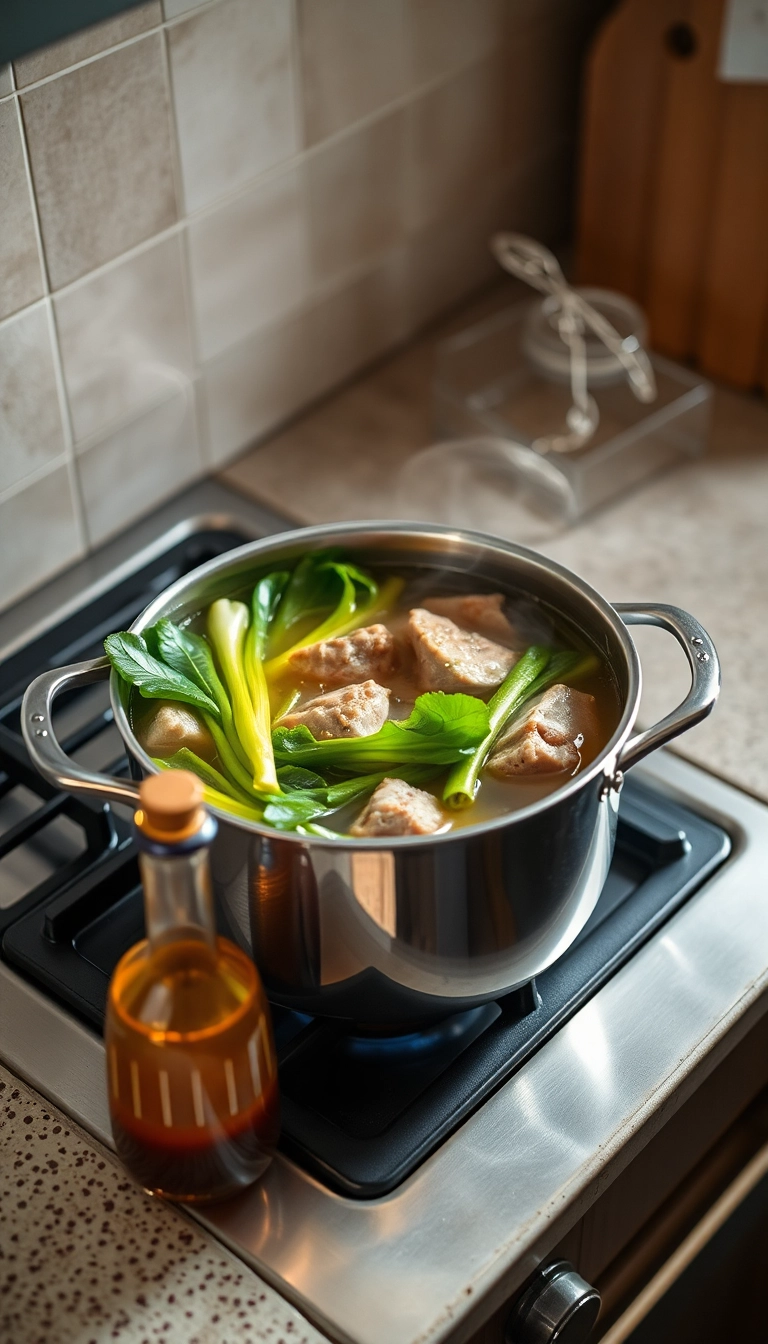
Fish sauce is indispensable in Vietnamese cuisine, and for Canh Bi Dao, it’s the key to balancing the flavors. It’s the magic ingredient that adds depth and complexity, transforming the soup from ordinary to extraordinary. I add a splash of good-quality fish sauce during the cooking process, tasting as I go to get that perfect savory depth. The quality of the fish sauce significantly impacts the final flavor, so selecting a high-quality, premium brand is highly recommended. A little fish sauce adds umami richness and enhances the natural flavors of the pork and greens. It’s a subtle addition, but one that makes a world of difference. Remember, start with a small amount; you can always add more, but you can’t take it out once it’s in. This is where patience and careful tasting are crucial. Proper seasoning with fish sauce makes your soup more vibrant and satisfying, adding a layer of umami depth that enhances all the other flavors.
6. Fresh Chili and Lime: A Zesty Finish
To brighten up the flavors just before serving, I love adding fresh chili slices and a squeeze of lime. The heat from the chili complements the savory broth, adding a welcome kick that balances the richness of the pork and the earthiness of the greens. The amount of chili should be adjusted to personal preference; some prefer a subtle warmth, while others enjoy a more pronounced spiciness. The lime adds a zesty freshness that awakens the palate, cutting through the richness of the broth and creating a vibrant, refreshing contrast. I usually serve these condiments on the side, so everyone can adjust the spice and acidity to their liking. This small touch adds a layer of complexity and makes the dish more lively and inviting. The interplay between the heat of the chili and the brightness of the lime elevates the soup to a new level of deliciousness.
7. Optional Herbs and Garnishes: Elevating the Aroma
For me, nothing beats a sprinkle of chopped cilantro or green onions on top of the hot soup. These herbs provide a fresh aroma and a slight crunch that contrasts beautifully with the tender pork and greens. The bright, herbaceous notes of cilantro and green onions add a refreshing counterpoint to the richness of the broth and the earthiness of the greens. Sometimes, I also add a few slices of Thai basil or mint for an extra aromatic burst. These herbs add layers of complexity to the aroma, creating a more fragrant and inviting dish. Fresh herbs are essential finishing touches that elevate your Canh Bi Dao from good to exceptional, giving it that authentic Vietnamese signature aroma and flavor. The visual appeal of the garnishes also enhances the overall presentation, transforming the soup from a simple meal into a culinary delight.
8. Quality Cooking Utensils and Technique: Mastering the Art
Cooking the perfect Canh Bi Dao isn’t just about ingredients; the tools and techniques matter too. The right equipment and techniques can make all the difference in achieving the desired results. I prefer using a large, heavy-bottomed pot that distributes heat evenly, preventing hot spots and ensuring even cooking. This is crucial for achieving a tender, flavorful broth without burning the ingredients. When boiling the ribs, I simmer gently to prevent the broth from becoming cloudy. Rapid boiling can cause the broth to become murky and affect the overall presentation. Skimming impurities regularly ensures clarity, and I avoid stirring too much once the greens are added to maintain their texture. Patience and gentle handling are the keys to a beautifully clear and flavorful soup. The process of making Canh Bi Dao is as much about technique as it is about ingredients.
9. Timing for the Perfect Greens: Preserving Freshness
Timing is everything when adding bi dao to your soup. Overcooking the greens will result in a loss of flavor and texture, so precise timing is crucial. I usually add the greens in the last 2-3 minutes of cooking. This quick addition keeps them vibrant and slightly wilted without turning mushy. The greens should retain their bright green color and slightly crisp texture; they should not be limp or overcooked. Overcooking greens can result in a foul smell and loss of flavor, so I keep a close eye on them during the final stages of cooking. Proper timing ensures the greens retain their nutrients, color, and fresh taste, making your soup more appetizing and nutritious. The freshness of the greens is a key element in creating a truly delicious and authentic Canh Bi Dao.
10. Balancing Flavors: Achieving Culinary Harmony
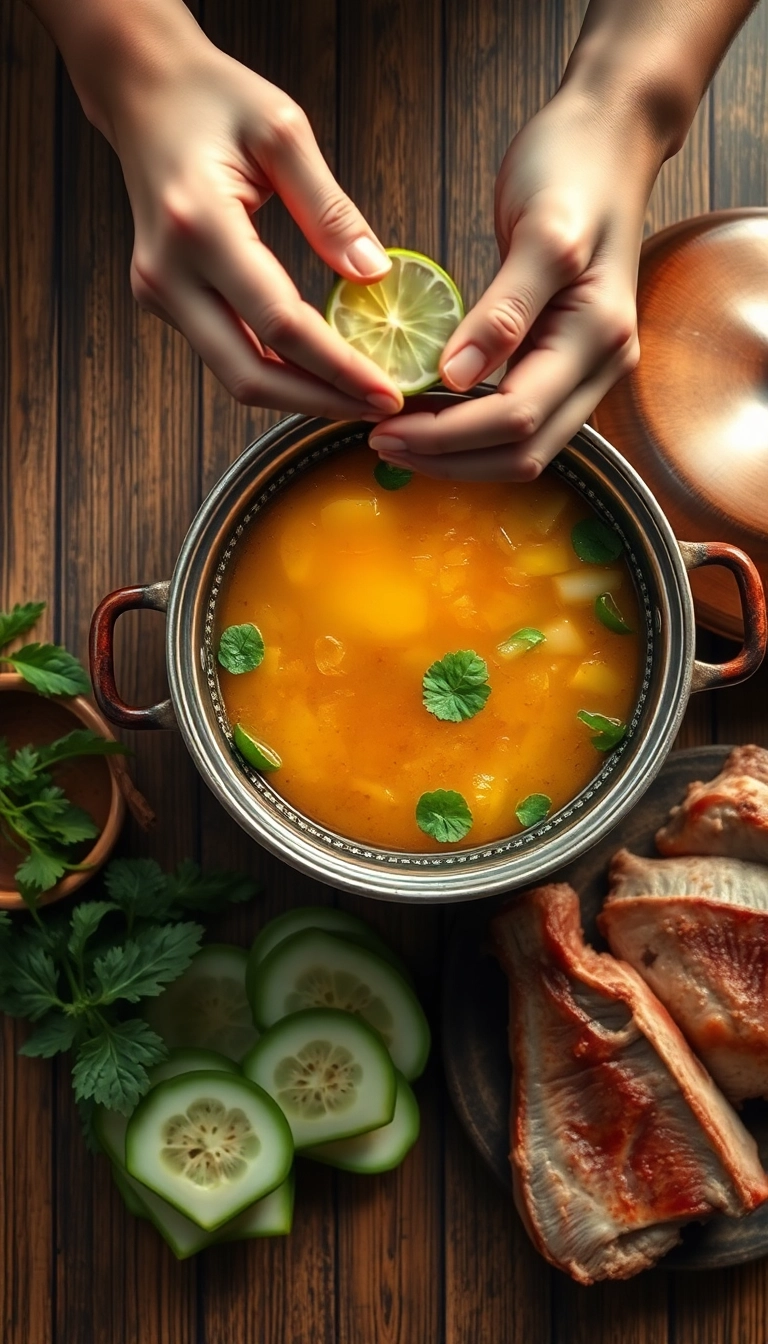
As I develop my Canh Bi Dao recipe, I pay close attention to balancing the flavors—salty, sweet, sour, and umami. This is where the art of cooking truly shines. I taste the broth at different stages and adjust seasonings accordingly. This involves constant tasting and fine-tuning to achieve the perfect balance. Sometimes, a pinch more sugar or a splash of lime can transform the dish entirely. The process of balancing flavors is an iterative one, requiring patience and attention to detail. Achieving harmony among ingredients is what makes your soup truly unforgettable. Easy winter melon soup recipe can offer similar techniques for simplicity, and I encourage you to trust your palate and experiment until you find that perfect flavor balance that delights you and your loved ones. The final flavor profile should be a harmonious blend of savory, sweet, and slightly tangy notes, with a hint of spice and a refreshing finish.
Elevate weeknight dinners using authentic Vietnamese recipes for any taste.
A Culinary Masterpiece
Finally, presentation matters. The way you present your dish is just as important as the taste. I like to serve Canh Bi Dao hot in a beautiful bowl, garnished generously with fresh herbs, chili, and lime slices on the side. A visually appealing presentation enhances the overall dining experience, making the meal more enjoyable and memorable. Accompanying it with a side of steamed rice makes for a complete and satisfying meal. The simple elegance of steamed rice perfectly complements the richness and complexity of the soup. I find that a visually appealing presentation not only enhances the eating experience but also shows respect for the ingredients and effort you put into cooking. Remember, the way you serve your soup can turn a simple dish into a memorable feast. Take pride in your culinary creation and present it Vietnamese pork rib melon soup style to reflect the care and attention you’ve put into its preparation, while keeping in mind canh bi dao pork ribs tips for optimal results. Additionally, an easy winter melon soup recipe might inspire variations, and serving Vietnamese pork rib melon soup with care ensures everyone enjoys the flavors.
Can’t wait to try this! Have you ever added fish sauce for an umami boost?
Adding fish sauce really enhances the flavor. Have you tried adding fresh herbs too?
Adding fish sauce really takes the flavor to another level! Have you tried it yet?