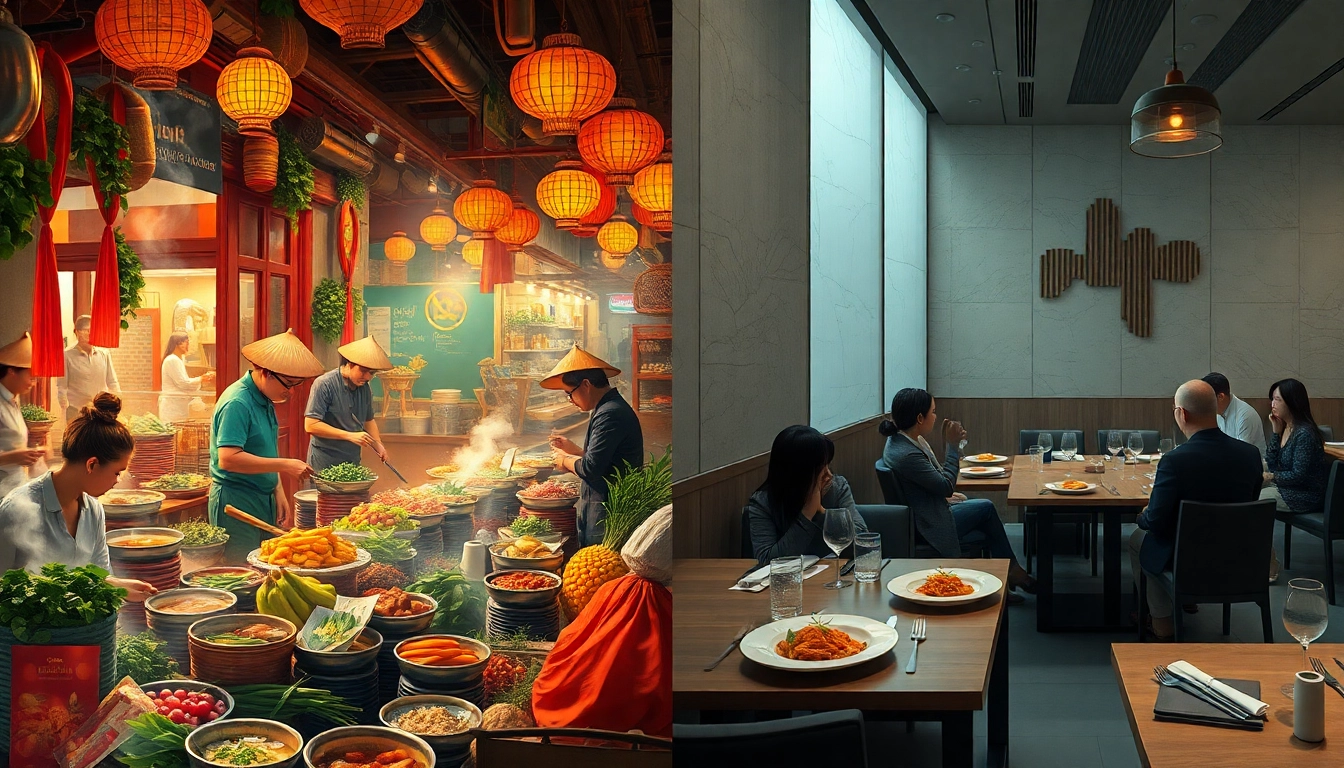
So, you’re craving some pho, huh? Good choice. But let’s talk about Vietnamese food authenticity comparison. The vast difference between truly authentic Vietnamese cuisine and its Westernized cousins is notable. I’ve spent years exploring both, from bustling Hanoi street stalls to surprisingly decent pho joints in, well, let’s just say places you wouldn’t expect. And let me tell you, it’s a wild ride. From the fragrant herbs to the perfectly balanced broths, authentic Vietnamese food is a culinary experience unlike any other. But how much of what we find in Western restaurants truly reflects the heart and soul of Vietnamese cooking?
The Flavor Divide: Subtleties Lost in Translation
The most significant difference lies in the flavor profiles. Authentic Vietnamese food often boasts a complex symphony of sweet, sour, salty, spicy, and bitter notes, all carefully balanced. Westernized versions often simplify this, leaning heavily on one or two flavors, usually sweet and salty. Think of the difference between a subtly nuanced broth simmered for hours versus a quick-fix version boasting a hefty dose of fish sauce and sugar. This simplification often stems from a misunderstanding of the ingredients and their roles in creating the overall flavor harmony. Differences between Vietnamese cooking styles play a key role here. Authentic recipes often call for specific types of fish sauce, each with its own unique salinity and umami. Similarly, the type of chili used can dramatically alter the heat level and overall flavor profile of a dish. Westernized versions may opt for generic fish sauce or chili paste, sacrificing the complexity and depth of flavor that defines authentic Vietnamese cuisine.
Ingredient Integrity: From Farm to Table (or Not)
Another key distinction revolves around ingredients. Authentic Vietnamese cooking emphasizes fresh, seasonal produce and high-quality meats. Westernized versions sometimes substitute readily available (and often cheaper) alternatives. That perfectly balanced five-spice blend? Might get replaced by a single, pre-ground spice in your local supermarket. It’s a subtle shift, but it makes a world of difference. Think about the freshness of the herbs – mint, cilantro, Thai basil – essential to many Vietnamese dishes. In Vietnam, these are often picked fresh daily, their vibrant flavors adding a crucial layer of complexity. In Westernized versions, these herbs might be days old, their flavors muted and less impactful. The same applies to meats. Authentic recipes often call for specific cuts and preparations to achieve the desired texture and flavor.
The Art of Balance: More Than Just a Recipe
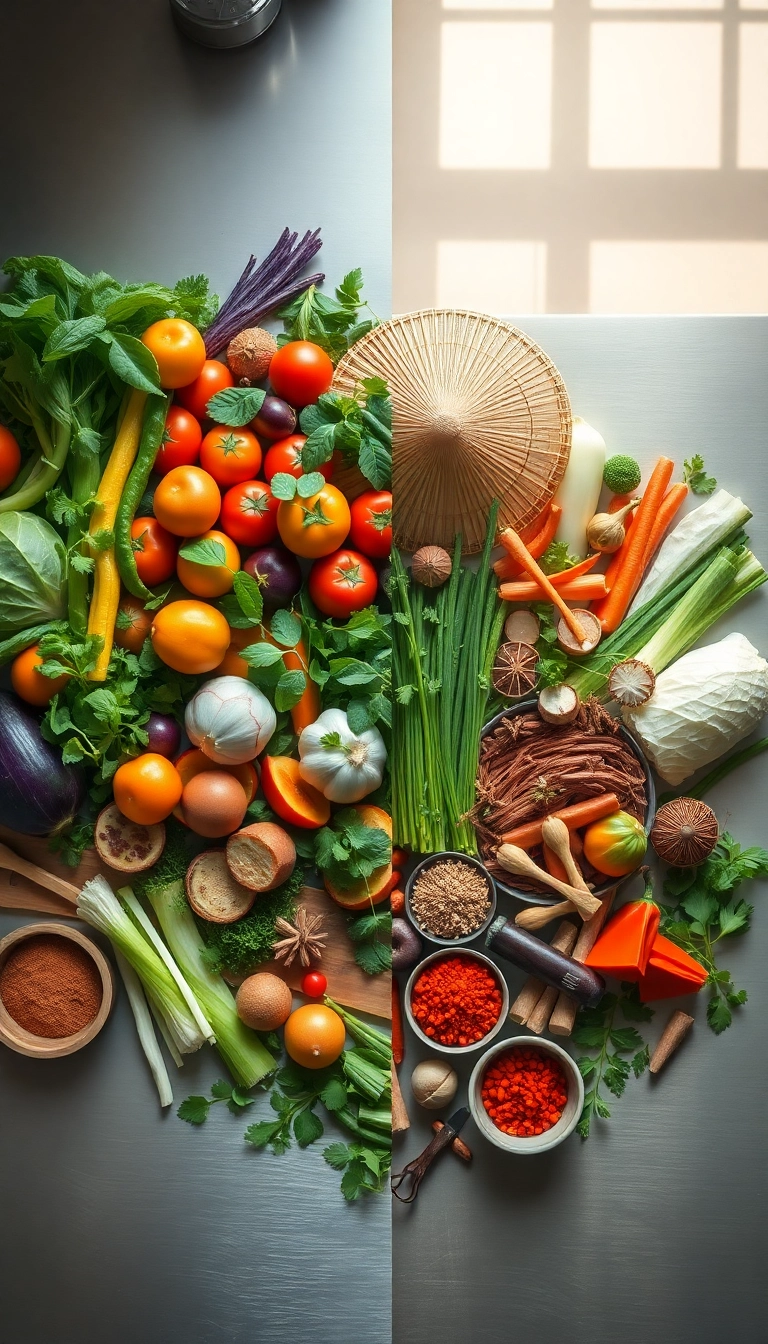
I’ve learned that Vietnamese cooking isn’t just about following a recipe; it’s about understanding the principles of balance and harmony. It’s about the subtle interplay of textures and aromas, the careful layering of flavors. Westernized versions often miss this nuance, resulting in dishes that are tasty but lack the depth and complexity of their authentic counterparts. This balance extends beyond the individual ingredients to the overall presentation of the dish. Authentic Vietnamese cuisine often emphasizes visual appeal, with colorful ingredients artfully arranged to create a feast for the eyes as well as the palate. Westernized versions may prioritize speed and convenience over presentation, resulting in dishes that are less visually appealing and less representative of the care and attention that goes into authentic Vietnamese cooking.
A Personal Anecdote: My Pho Fail
I once attempted to make pho at home using a “simplified” Western recipe. Authentic vs Westernized pho recipes show clear contrasts, and mine was a prime example. The result? Edible, yes. Authentic? Absolutely not. It lacked the depth of flavor, the subtle sweetness of the broth, the perfect balance of herbs. It taught me a valuable lesson: some recipes are better left to the experts (or at least, to those who’ve spent years mastering the art). I skimped on the star anise, used pre-ground ginger, and didn’t have the patience to properly char the onion and ginger before simmering. The result was a bland, lifeless broth that bore little resemblance to the fragrant, complex pho I’d enjoyed in Vietnam. It was a humbling experience that reinforced the importance of using fresh, high-quality ingredients and following authentic techniques.
Cooking Methods: The Slow Simmer vs. the Quick Fix
Authentic Vietnamese cooking often involves slow, careful preparation. Broths simmer for hours, sauces are meticulously crafted, and dishes are often prepared with an eye towards highlighting the natural flavors of the ingredients. Westernized versions frequently opt for quicker, more convenient methods, sometimes at the expense of flavor complexity. The slow simmering of pho broth, for example, is crucial for extracting the maximum flavor from the bones and spices. This process can take anywhere from 8 to 12 hours, allowing the flavors to meld and deepen over time. Westernized versions may shorten this process, using pre-made broth or bouillon cubes to save time, resulting in a less flavorful and less authentic pho experience.
Beyond the Dish: The Cultural Context
It’s important to remember that Vietnamese food is more than just a collection of recipes; it’s deeply intertwined with Vietnamese culture and history. Each dish tells a story, reflecting the country’s rich culinary heritage. Westernized versions often lose this cultural context, reducing the food to simply a meal rather than an experience. The act of sharing a meal is central to Vietnamese culture, and many dishes are designed to be enjoyed family-style, with everyone sharing from communal plates. This emphasis on sharing and togetherness is often lost in Westernized versions, where individual portions are more common.
Where to Find Authentic Vietnamese Food
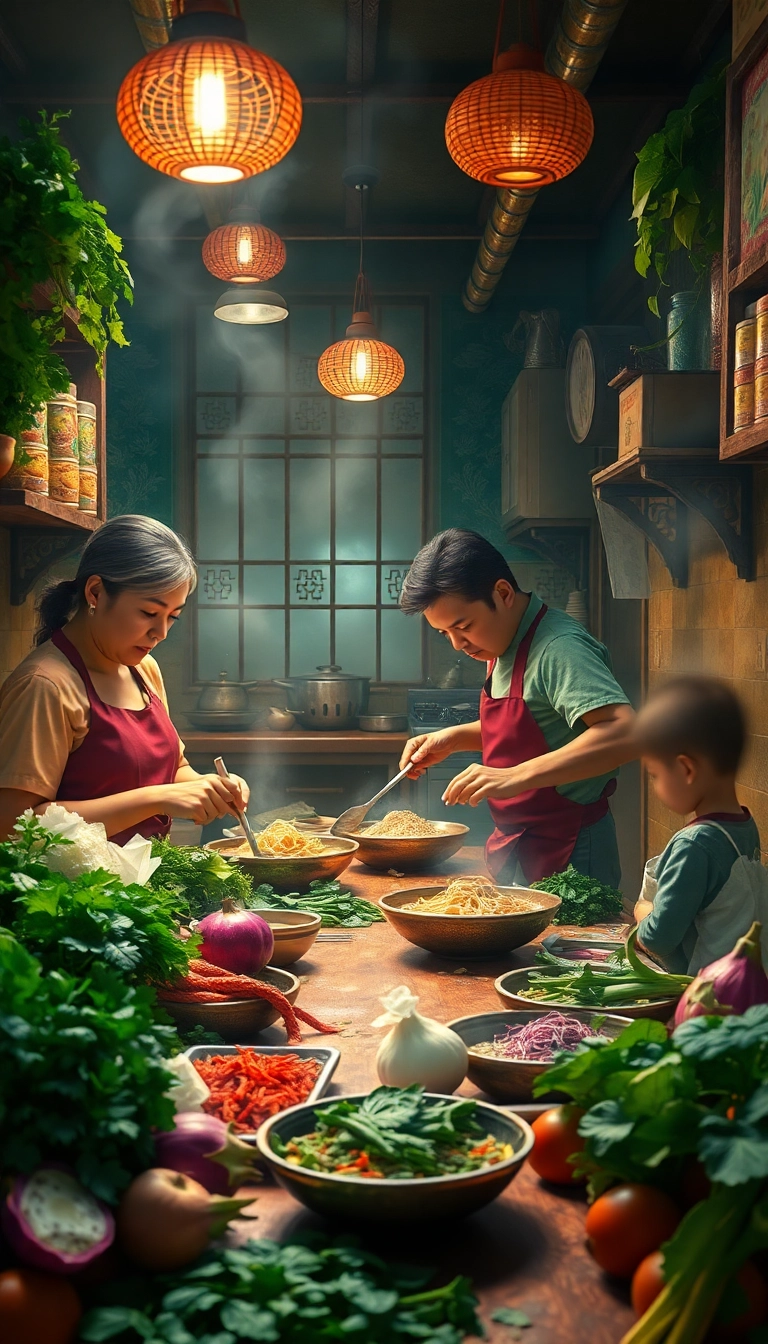
So, how do you find truly authentic Vietnamese food? My advice? Venture beyond the familiar. Explore ethnic enclaves, look for family-run restaurants, and don’t be afraid to try something new. Ask questions, engage with the staff, and let your taste buds be your guide. You might be surprised at what you discover. Look for restaurants where the staff speaks Vietnamese, a good sign that the food is being prepared according to traditional methods. Don’t be afraid to ask about the ingredients and preparation techniques. Authentic Vietnamese restaurants are often proud to share their culinary heritage.
My Top Tips for Authentic Vietnamese Cooking at Home
If you’re keen to try your hand at authentic Vietnamese cooking, I recommend starting with simple recipes and focusing on quality ingredients. Don’t be afraid to experiment, to adjust seasonings to your taste, and most importantly, to savor the process. It’s a journey, not a race! Invest in a good mortar and pestle for grinding spices, and don’t be afraid to experiment with different types of fish sauce and chili peppers. Vietnamese food authenticity comparison can help guide you. Most importantly, be patient and persistent. Authentic Vietnamese cooking takes time and practice, but the rewards are well worth the effort. With a little dedication, you can create delicious, authentic Vietnamese dishes in your own home and experience the true flavors of Vietnam.
Learn to balance flavors perfectly—discover new Vietnamese food recipes each week.
Have you ever tasted authentic Vietnamese food? Each dish is a flavor adventure! Making pho at home is easier than you think, and you’ll definitely impress your friends!
Have you thought about how regional differences in Vietnam shape recipe authenticity and practices?
What you often find in Western restaurants may have a sprinkle of Vietnamese flair, but it’s like adding a dash of hot sauce to a bowl of bland soup. it just doesn’t capture the full flavor! Sure, it’s tasty, but if you want the real deal, you’ve got to dive into the kitchens of Vietnam where every dish tells a story. If you’re ready to elevate your culinary adventure, explore the vibrant world of regional Vietnamese dishes that often get overlooked in favor of more popular options like pho and banh mi. Plus, watching a skilled chef create perfect rice paper rolls is like seeing a magician at work, minus the top hat!