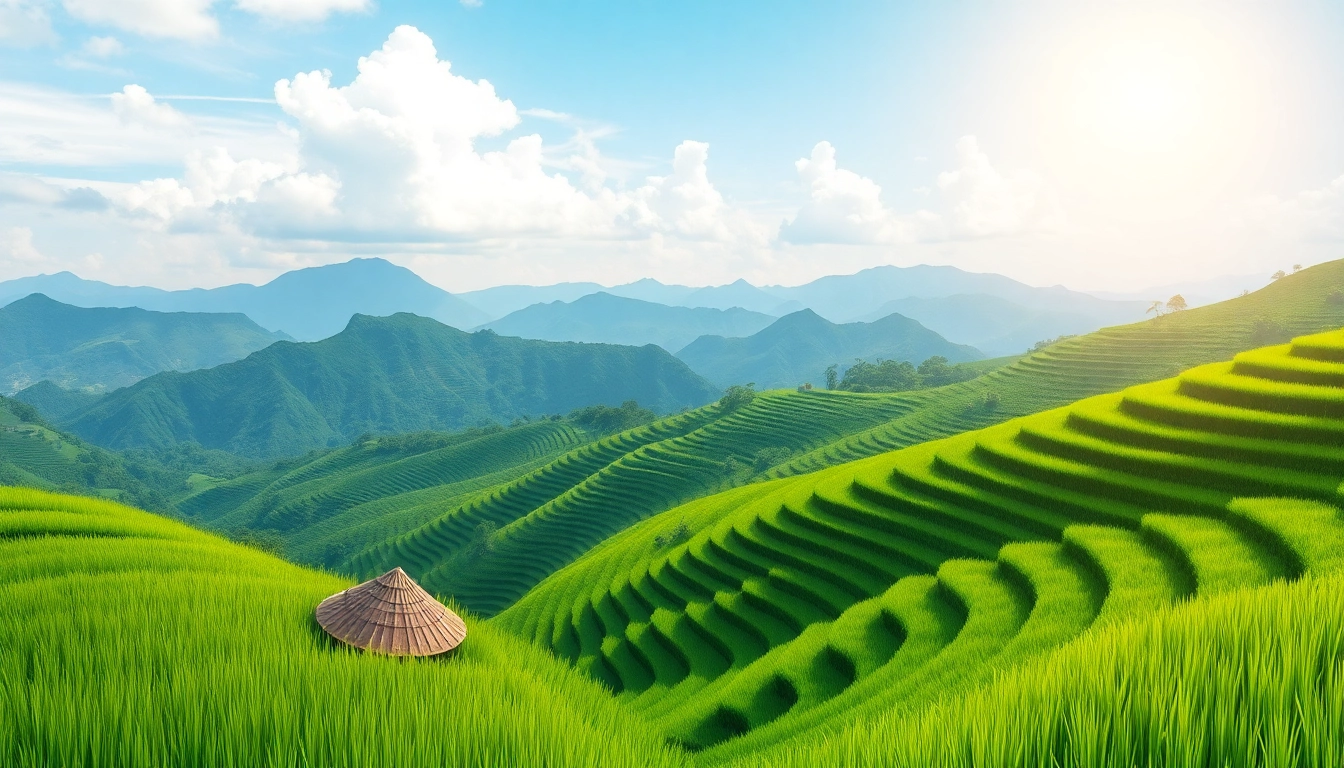
When I first planned my trip to Vietnam, I quickly realized that the country’s climate varies dramatically from north to south. This diversity means that Vietnam’s best travel months depend heavily on where you want to go and what experiences you’re seeking. Vietnam stretches over 1,000 miles, with mountains, beaches, and bustling cities, each with its own weather pattern.
In the north, including Hanoi and Ha Long Bay, winters are cool and dry from November to April, making it ideal for sightseeing without the sweltering heat or monsoon rains. Conversely, the south, including Ho Chi Minh City and the Mekong Delta, enjoys warm weather year-round, but the rainy season peaks from May to October, which can impact your travel plans. Best time to visit Vietnam for backpackers varies based on these regional differences.
Central Vietnam, like Hoi An and Da Nang, has a more unpredictable climate, with the summer months being hot and humid, and the rainy season hitting from September to December.
The Best Time to Visit Northern Vietnam
If you’re dreaming of exploring Hanoi’s vibrant streets or cruising in Ha Long Bay, I recommend visiting between late September and April. During this period, the weather is generally cool, dry, and comfortable, perfect for outdoor adventures and city exploration. Vietnam ideal travel weather can be found here during these times.
Be cautious of the winter months from December to February, when it can get quite chilly, especially in the evenings. However, the cool climate actually enhances the experience, making sightseeing more pleasant than during the scorching summer.
The Ideal Season for Southern Vietnam
For those heading to Ho Chi Minh City, the Mekong Delta, or Phu Quoc Island, the best time is between December and April. During these months, the weather is hot but dry, with plenty of sunshine, perfect for beach days, boat trips, and exploring the lush landscapes. Vietnam’s best travel months for such areas align with this timeframe.
From May to October, the rainy season kicks in, bringing short, intense showers almost daily. While this can be refreshing and help cool down the heat, it also means your outdoor plans might be interrupted.
The Transition Seasons: A Sweet Spot for Travelers
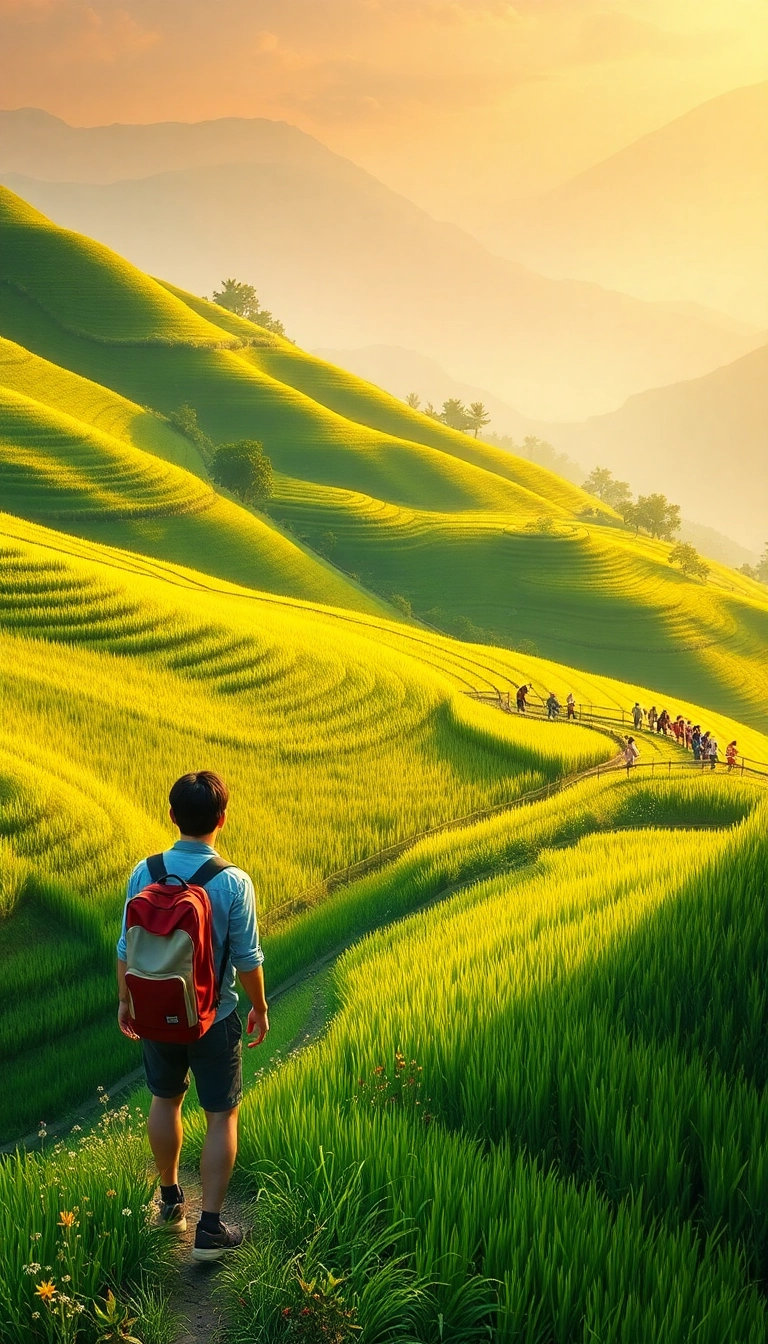
Transition periods—spring (March to April) and autumn (September to October)—are often overlooked, but they offer some of the best weather conditions. In the north, spring boasts blooming flowers and pleasant temperatures, while in the south, early autumn can be a wonderful time before the rains intensify. Best time to visit Vietnam for backpackers often includes these transitional phases for more affordable options.
During these months, crowds are thinner, prices are lower, and the weather is generally moderate, making it a smart choice for flexible travelers.
Timing Your Visit for Festivals and Events
If you’re interested in immersing yourself in Vietnamese culture, timing your visit around festivals can be incredibly rewarding. For example, Tet, the Vietnamese Lunar New Year, usually falls in late January or early February.
Alternatively, the Mid-Autumn Festival in September offers colorful lantern displays and lively street parades, especially in Hanoi and Ho Chi Minh City. Vietnam ideal travel weather during these events can enhance your enjoyment of the celebrations.
My Personal Favorite Time to Visit Vietnam
Speaking from personal experience, I think the best overall time is late autumn—October and November. The weather is delightfully mild across the entire country, the landscapes are lush and green, and the tourist crowds are manageable.
Additionally, traveling during this shoulder season often means better deals on accommodations and tours. I visited Hanoi in November, and the cool, crisp air made exploring the Old Quarter and cruising through Ha Long Bay an unforgettable experience. Vietnam ideal travel weather in this period is truly unmatched for comfort.
Consider the Monsoon and Typhoon Seasons
One of the most important factors to consider is the monsoon and typhoon seasons, which can significantly impact your trip. Northern Vietnam’s rainy season peaks from May to September, with heavy rains and occasional typhoons.
In the south, the rainy season from May to October can be quite intense, especially in September and October. While the scenery is incredibly vibrant and green, I recommend avoiding these months if you want to steer clear of frequent downpours and travel disruptions.
Practical Tips for Planning Your Trip
When planning your Vietnam adventure, always consider the regional climate differences. If your schedule is flexible, aim for the months that suit your preferred activities—beach lounging, cultural sightseeing, or trekking. Best time to visit Vietnam for backpackers typically involves seeking out dry and moderate conditions.
Another tip is to book your accommodations and tours well in advance during peak seasons, especially around major festivals or holidays.
Navigate the three regions of Vietnam effortlessly with our Vietnam travel regional breakdown.
Why Timing Matters
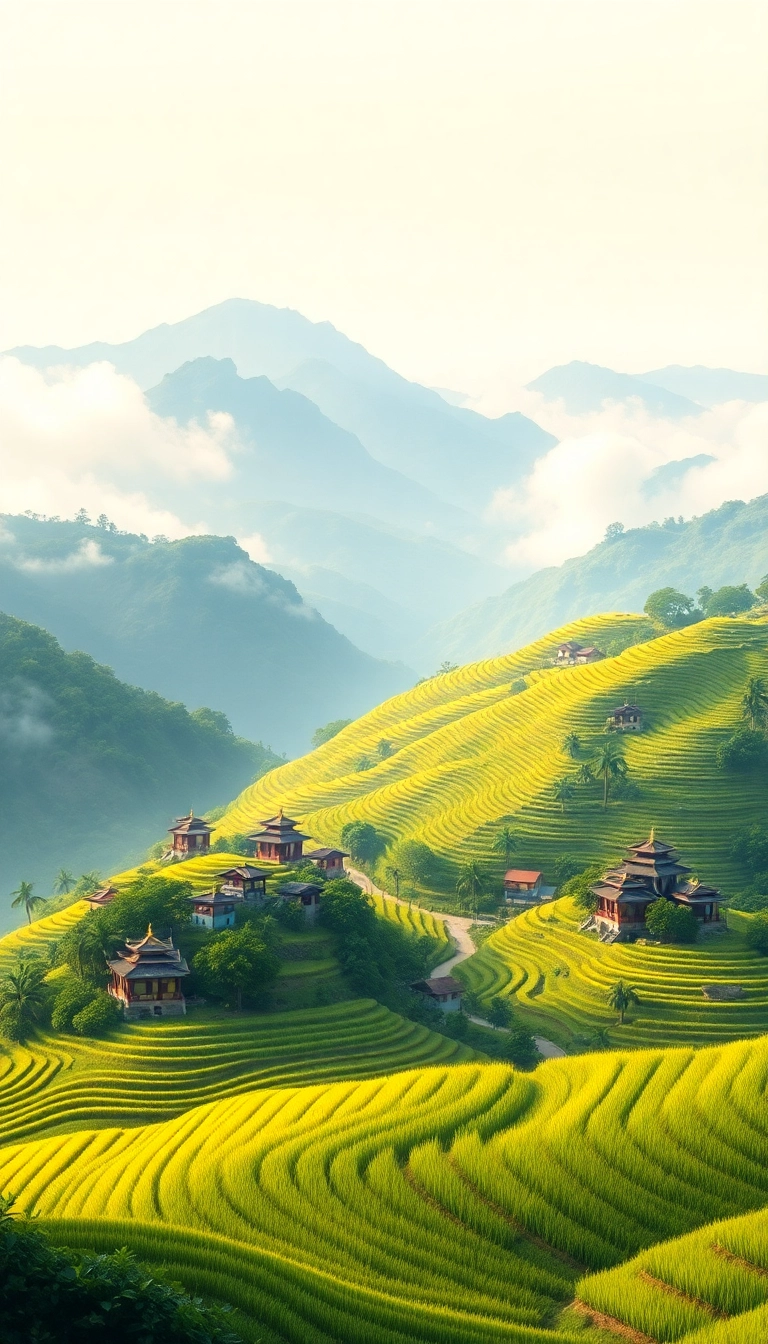
Vietnam’s diverse climate means there’s no one-size-fits-all answer to the best time to visit. It truly depends on your interests and where you want to explore. Vietnam’s best travel months are those that align with your travel style and preferences.
By choosing the right season, you’ll enjoy better weather, fewer crowds, and more authentic experiences. Whether you prefer the cool northern air, the sunny southern beaches, or the cultural festivals sprinkled throughout the year, Vietnam rewards travelers who plan thoughtfully around its climate.
Summary of Key Recommendations
- Visit northern Vietnam from late September to April for mild, dry weather.
- Plan southern adventures between December and April to enjoy sunshine and warmth.
- Consider shoulder seasons—spring and autumn—for balanced weather and fewer tourists.
- Avoid the peak monsoon months (May to October) if you dislike heavy rains.
- Time your trip around major festivals like Tet or Mid-Autumn for cultural immersion.
- Be flexible and prepared for weather changes, especially during transitional seasons.
- Book accommodations early during high seasons to secure better rates and availability.
- Pack appropriate clothing for varying climates—layers, rain gear, and sun protection.
- Monitor weather forecasts closely, particularly during the typhoon season.
- Enjoy Vietnam’s natural beauty and vibrant culture, tailored to the best seasons for your interests.
- Remember, the right timing transforms your visit into a memorable adventure that captures Vietnam’s true spirit.
Vietnam’s rainy season brings refreshing showers, but spring and autumn are perfect for visits!
Spring and autumn vibes are the best! I love the colors and weather then!