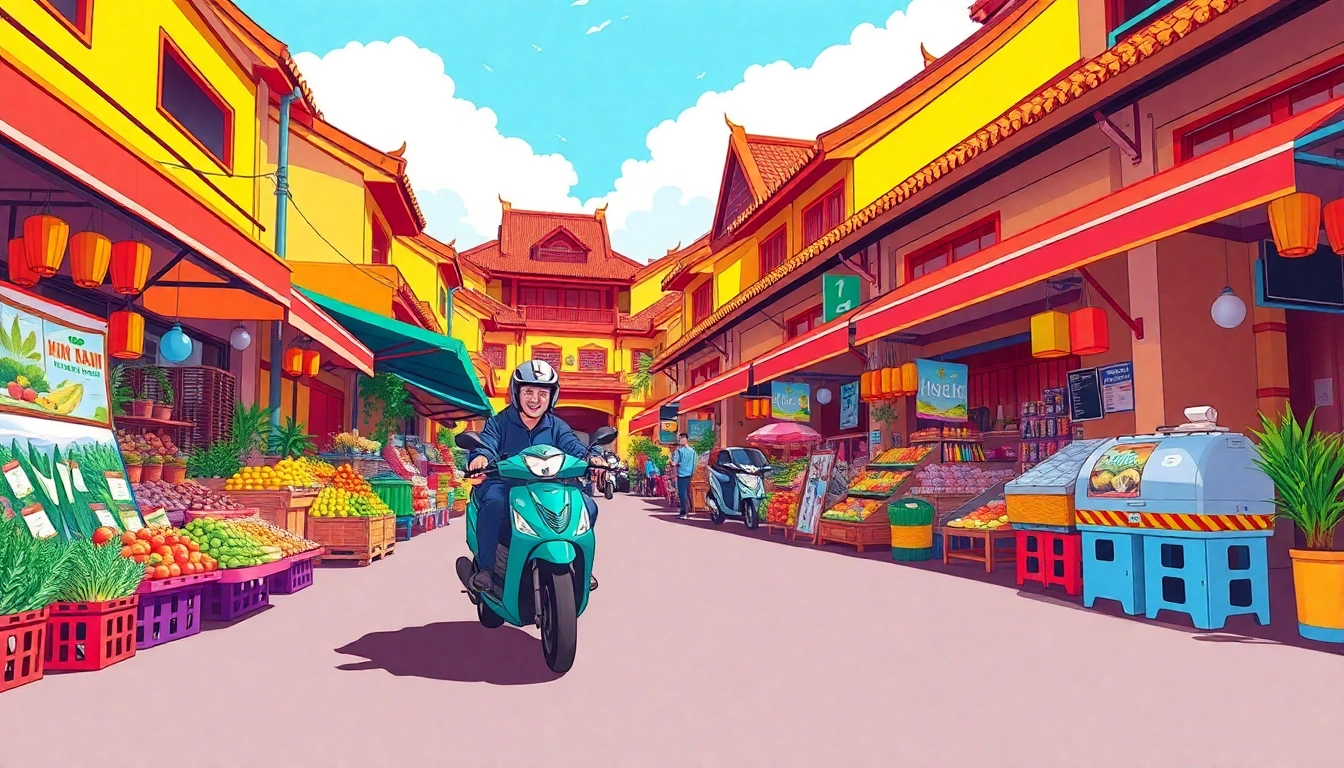
Before you even step foot on the plane, thorough planning is key to a Vietnam solo female travel safety and enjoyable trip. This isn’t just about booking flights and accommodation; it’s about proactively mitigating risks and ensuring a smooth journey. I always begin by making multiple copies of my passport and other essential documents, such as driver’s licenses, travel insurance information, and any necessary visas. These copies should be stored separately from the originals, ideally in different bags or even with different travel companions. Consider scanning them and emailing them to yourself as well—a digital backup is invaluable should you lose your physical copies. This digital backup should be stored in multiple locations, such as your personal email and a cloud storage service. Furthermore, leaving a copy with a trusted individual at home provides an additional layer of security.
Researching your destinations thoroughly is another crucial step. This goes beyond simply looking at tourist attractions. Understand the local customs, laws, and potential risks specific to the regions you’ll be visiting. This includes researching local transportation options, understanding social norms, and being aware of any potential health concerns. Websites like the U.S. Department of State’s travel advisories or equivalent resources for your country of origin can provide valuable insights into potential safety concerns and necessary precautions. Reading travel blogs and forums can also provide firsthand accounts and valuable tips from other travelers.
Health and Wellness: Protecting Yourself
Protecting your health is paramount, especially when traveling to unfamiliar locations. Consult your doctor or a travel clinic well in advance of your trip. Discuss necessary vaccinations and booster shots based on your itinerary. Some vaccines require multiple doses administered weeks apart, so early planning is essential. Your doctor can also advise you on any necessary medications, including preventative medications for common travel-related illnesses like malaria or typhoid fever. Remember to pack a comprehensive first-aid kit with essentials like antiseptic wipes, bandages, pain relievers (both over-the-counter and prescription), anti-diarrheal medication, motion sickness remedies, and any personal medications you require. Consider including any allergy medications or other specific needs.
Beyond medications, consider your personal health habits. Staying hydrated is crucial, especially in warmer climates. Pack a reusable water bottle and refill it frequently with safe drinking water. Be mindful of food hygiene and choose reputable restaurants and food stalls. Avoid consuming raw or undercooked foods, and be cautious about street food unless you’re confident in its cleanliness and preparation. If you have any pre-existing health conditions, make sure you have a sufficient supply of necessary medications and inform your doctor about your travel plans.
Travel Insurance: A Necessary Investment
Travel insurance is often overlooked, but it’s an investment that can save you from significant financial burdens and stress during unforeseen circumstances. It’s a small price to pay for peace of mind, offering protection against a wide range of issues. Comprehensive travel insurance should cover medical emergencies, including evacuation if necessary. It should also cover lost or stolen luggage, trip cancellations or interruptions due to unforeseen events (like severe weather or illness), and potential liability for accidents or damage you may cause. When selecting a policy, carefully read the terms and conditions to understand the extent of coverage. Consider the level of coverage you need based on your destination, the type of activities you plan to engage in, and your personal risk tolerance. Don’t hesitate to contact multiple providers to compare coverage and pricing.
Navigating Vietnam’s Transportation: Staying Safe on the Roads
Vietnam’s traffic, particularly in bustling cities like Hanoi and Ho Chi Minh City, can be chaotic and challenging for first-time visitors. Motorbikes are a ubiquitous mode of transportation, and the roads can be congested and unpredictable. For safe motorbike travel in Vietnam, utilizing reputable ride-hailing apps like Grab is highly recommended. These apps provide a safer and more regulated alternative to hailing taxis on the street, offering clear pricing and tracking capabilities. If you choose to use motorbikes, always wear a helmet and prioritize caution. Be extra vigilant at intersections and be aware of the unpredictable movements of other vehicles. Avoid distractions like using your phone while riding, and stick to well-lit and well-traveled routes, especially at night.
When traveling between cities, consider utilizing more organized transportation options like trains or buses. These options offer a safer and often more comfortable journey compared to the uncertainty of long-distance motorbike travel. Research different transportation companies and choose those with positive reviews and a reputation for safety. Book your tickets in advance, especially during peak seasons, to secure your preferred travel times and avoid potential delays.
Accommodation and Local Interactions: Choosing Wisely
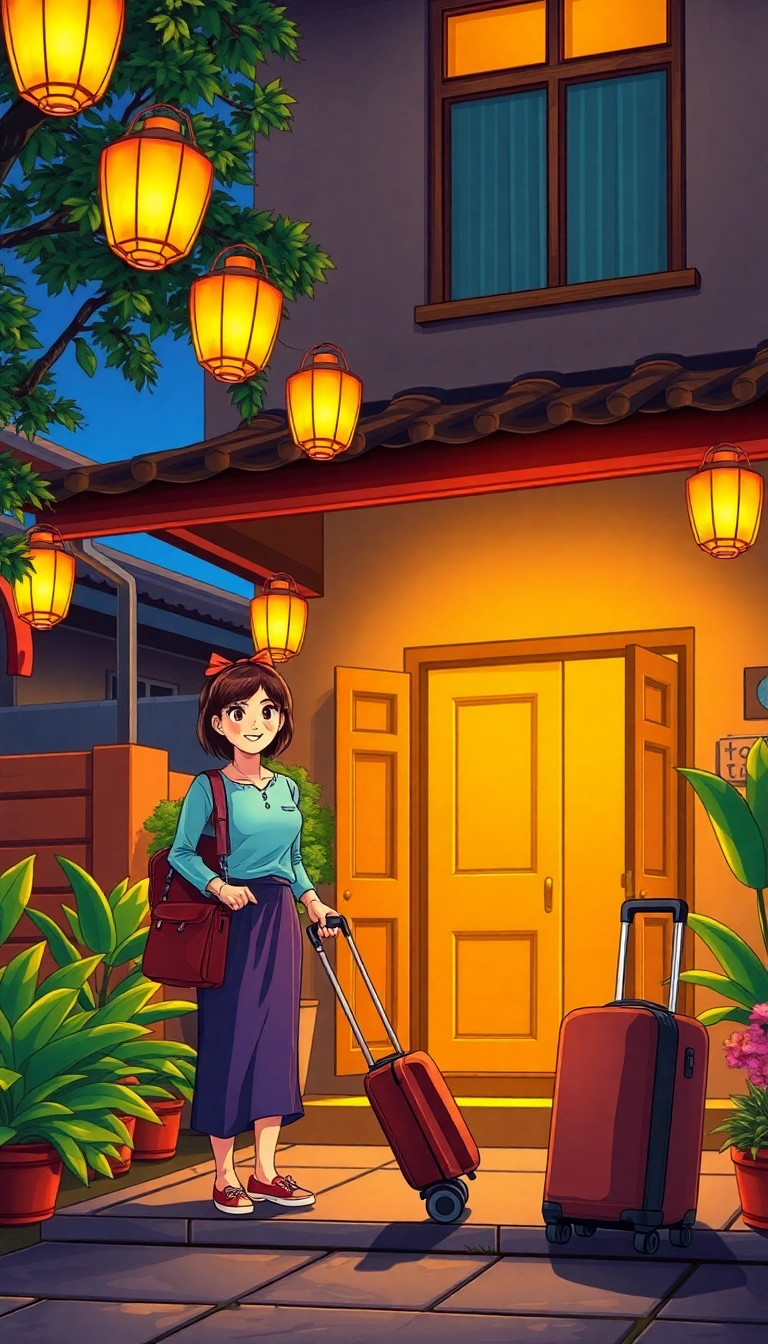
Choosing your accommodation wisely contributes significantly to your safety and overall experience. Research your options thoroughly, reading reviews on reputable platforms like Booking.com, TripAdvisor, or Agoda. Opt for hotels or guesthouses with positive reviews regarding safety and security measures. Look for establishments with secure entrances, well-lit areas, and staff who are readily available to assist you. When interacting with locals, remember that cultural sensitivity and respect are key to a positive experience. Learn a few basic Vietnamese phrases – even a simple “xin chào” (hello) and “cảm ơn” (thank you) can go a long way in demonstrating your respect and building rapport.
Be mindful of local customs and traditions. Avoid any actions that could be considered disrespectful or offensive. Engage in conversations respectfully and politely, and remember that non-verbal communication also plays a significant role. Observe how locals interact with each other and try to mirror that behavior. If you’re unsure about something, it’s always best to ask rather than assume. This approach will not only contribute to a more enjoyable trip but also enhance your understanding of Vietnamese culture.
Money Matters: Safeguarding Your Finances
Managing your finances while traveling requires careful planning and awareness. Carry only the necessary amount of cash and keep your valuables secure at all times. Use ATMs in well-lit and populated areas during daylight hours. Avoid using ATMs in isolated or poorly-lit locations, as these are prime targets for criminals. Be mindful of Vietnam scams to avoid and avoid engaging with individuals offering unusually good deals or services. Notify your bank of your travel plans, including your dates and destinations, to prevent your cards from being blocked due to unusual activity. Consider using a combination of credit cards and a small amount of local currency for everyday expenses. Credit cards offer better protection against theft or loss and provide a record of your transactions.
Consider using a travel money card, which is a prepaid card that can be loaded with funds before your trip. This can provide an extra layer of security compared to carrying large amounts of cash. Keep track of your spending and regularly reconcile your accounts to ensure you’re aware of your financial situation. In case of lost or stolen cards, contact your bank or card provider immediately to report the loss and cancel your cards. Having a backup method of payment, such as a secondary credit card or some emergency cash, is always a good idea.
Staying Connected: Communication is Key
Maintaining reliable communication is crucial for safety and peace of mind. Purchasing a local SIM card is often the most cost-effective option for data and calls. Local SIM cards typically offer affordable data plans compared to international roaming charges. However, ensure your phone is unlocked before purchasing a local SIM card. Alternatively, check with your mobile provider about international roaming options and the associated costs. Before your trip, download offline maps and translation apps. These apps can be invaluable when you don’t have access to internet connectivity, allowing you to navigate unfamiliar areas and communicate with locals.
Share your itinerary with a trusted friend or family member back home and check in regularly. Providing them with your planned route, accommodation details, and contact information allows them to monitor your progress and contact you if necessary. Consider using a location-sharing app to allow your loved ones to track your whereabouts in real-time. This added layer of communication can provide reassurance and a safety net should any unforeseen circumstances arise. Regular communication also allows you to share your experiences and keep loved ones updated on your progress.
Respecting Local Customs and Laws: Cultural Sensitivity

Vietnam boasts a rich and vibrant culture with unique customs and traditions. Respecting these customs is essential for a positive and enjoyable experience. Researching local etiquette and norms beforehand helps avoid unintentional offenses. This includes understanding appropriate behavior in social settings, religious sites, and public spaces. Be aware of local laws and regulations, particularly those related to photography, alcohol consumption, and public displays of affection. Some areas may have restrictions on photography, especially in religious or military areas. Familiarize yourself with these regulations to avoid any legal issues.
Remember that cultural sensitivity extends beyond simply following rules; it’s about demonstrating genuine respect for local traditions and values. Engage in respectful interactions, be mindful of your behavior, and avoid actions that could be perceived as disrespectful. This includes being mindful of noise levels, dressing modestly when visiting religious sites, and being aware of local customs surrounding greetings and interactions. By demonstrating respect and understanding, you’ll not only enhance your own travel experience but also contribute to positive cross-cultural interactions.
Delve into the specific attractions and experiences of each Vietnam region with our Vietnam travel regional overview.
Knowing What to Do
Knowing how to react in an emergency situation is paramount. Keep emergency contact numbers readily available, including your embassy or consulate’s contact information, local emergency services numbers (such as police, fire, and ambulance), and the contact details of your travel insurance provider. Store these numbers in multiple locations, such as your phone, a physical copy in your wallet, and possibly a digital backup in your email. Familiarize yourself with local emergency procedures and protocols before your trip. In the event of an emergency, remain calm and follow instructions from local authorities.
If you find yourself in a dangerous situation, prioritize your safety and try to remove yourself from the immediate threat. If you require assistance, contact emergency services immediately. If you’re a victim of a crime, report it to the local police and contact your embassy or consulate for assistance. For added reassurance, focus on Vietnam solo female travel safety. Remember, your safety is the top priority, and seeking help promptly is crucial in managing any emergency effectively. Having a plan in place before you travel can help you stay calm and react appropriately in a crisis.
When I traveled to Vietnam, I backed up my docs, researched, and stayed hydrated. So important!
Traveling in Vietnam? Bring your meds, get insurance, use ride-hailing, and try learning basic Vietnamese!
Great tips! Don’t forget to stay aware of your surroundings and keep your valuables secure.
Have you considered carrying a portable charger for emergencies during your travels?
Carrying a portable charger is such a smart move for any trip! What tips do you have?
Carrying a portable charger is such a smart move for your travels. it ensures you’re connected.
Staying connected keeps us safe and ready for any adventure that comes our way.