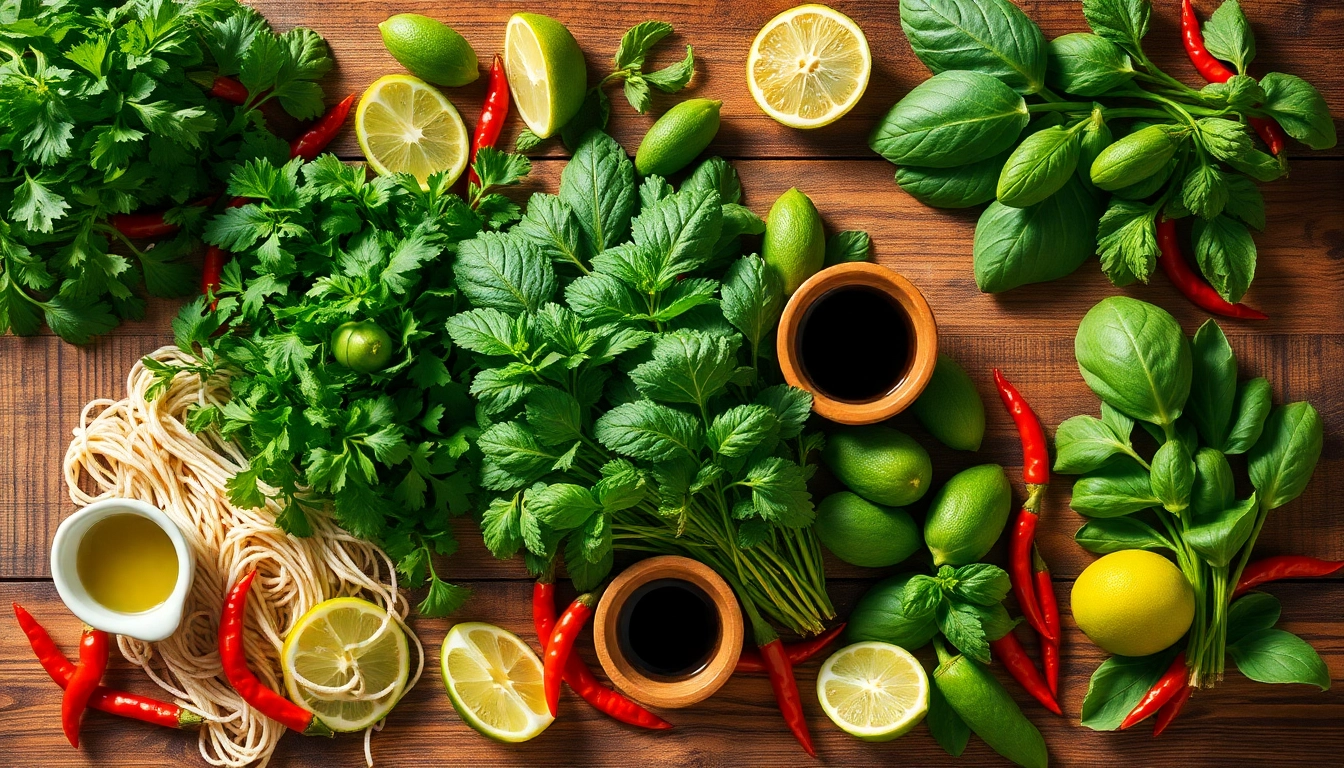
If you’ve ever sampled authentic Vietnamese cuisine, you know it’s a symphony of fresh, vibrant flavors. The secret to many of these dishes lies not just in the ingredients, but in the herbs that elevate their taste. As someone who loves exploring culinary traditions, I’ve found that understanding and using Vietnamese herbs in pho can truly transform your cooking. Today, I want to share my personal insights and practical tips on these three essential herbs that are the backbone of Vietnamese flavor.
The Magic of Cilantro in Vietnamese Cuisine
Cilantro, also known as coriander leaves, is arguably the most iconic herb in Vietnamese cooking. Its bright, citrusy aroma instantly transports me to bustling street markets or family dinners filled with fragrant bowls of Pho or fresh spring rolls. I’ve learned that cilantro’s flavor is bold yet delicate, making it perfect for garnishing and flavoring a variety of dishes.
How to Recognize Fresh Cilantro
When shopping for cilantro, look for vibrant green leaves that are crisp and free from yellowing or wilting. The stems should be firm but not woody. Fresh cilantro has a pungent, slightly lemony aroma that is unmistakable. Trust your nose—if it smells fresh and lively, it’s the right choice.
Practical Uses in Your Cooking
I recommend adding cilantro at the end of cooking or as a fresh garnish, as heat dulls its flavor. It’s perfect for Pho broth, salads, and rice paper wraps. Personally, I love chopping cilantro and mixing it into dipping sauces or sprinkling it generously over grilled meats to add a burst of freshness. This approach aligns with using Vietnamese herbs in pho, where fresh additions enhance the overall dish.
Growing Cilantro at Home
If you’re a home cook like me, growing Vietnamese herbs at home is a rewarding activity. It’s relatively easy to grow and thrives in cooler weather. Regular harvesting encourages bushier growth, ensuring you always have fresh cilantro on hand. Plus, the aroma of growing cilantro is a delightful addition to your home environment.
Mint: The Refreshing Touch in Vietnamese Dishes
Mint is another staple herb that I personally can’t imagine Vietnamese cooking without. Its cool, crisp flavor adds a layer of freshness that balances spicy, sour, and savory elements in dishes. Whether it’s in a refreshing drink or a fragrant salad, mint’s versatility shines through.
Identifying Fresh Mint
Look for vibrant green leaves that are tender and aromatic. Avoid herbs with yellowing or wilted leaves. The smell should be intensely minty—fresh and invigorating. Different varieties of mint exist, but spearmint is most common in Vietnamese cuisine.
Using Mint in Your Kitchen
I love adding mint to Vietnamese spring rolls along with cilantro and basil for a multi-layered herb experience. It also works beautifully in cucumber salads, balancing the crispness with its cooling effect. Don’t forget to tear or chop mint leaves before adding them; this releases their essential oils and maximizes flavor.
Growing Mint at Home
Mint is incredibly hardy and spreads quickly, so I recommend growing Vietnamese herbs at home in containers to control its growth. It’s one of the easiest herbs to grow indoors on a windowsill, making it accessible year-round. Regular pruning encourages bushier growth and keeps the plant healthy.
Sweet and Savory Basil: The Heart of Vietnamese Flavors
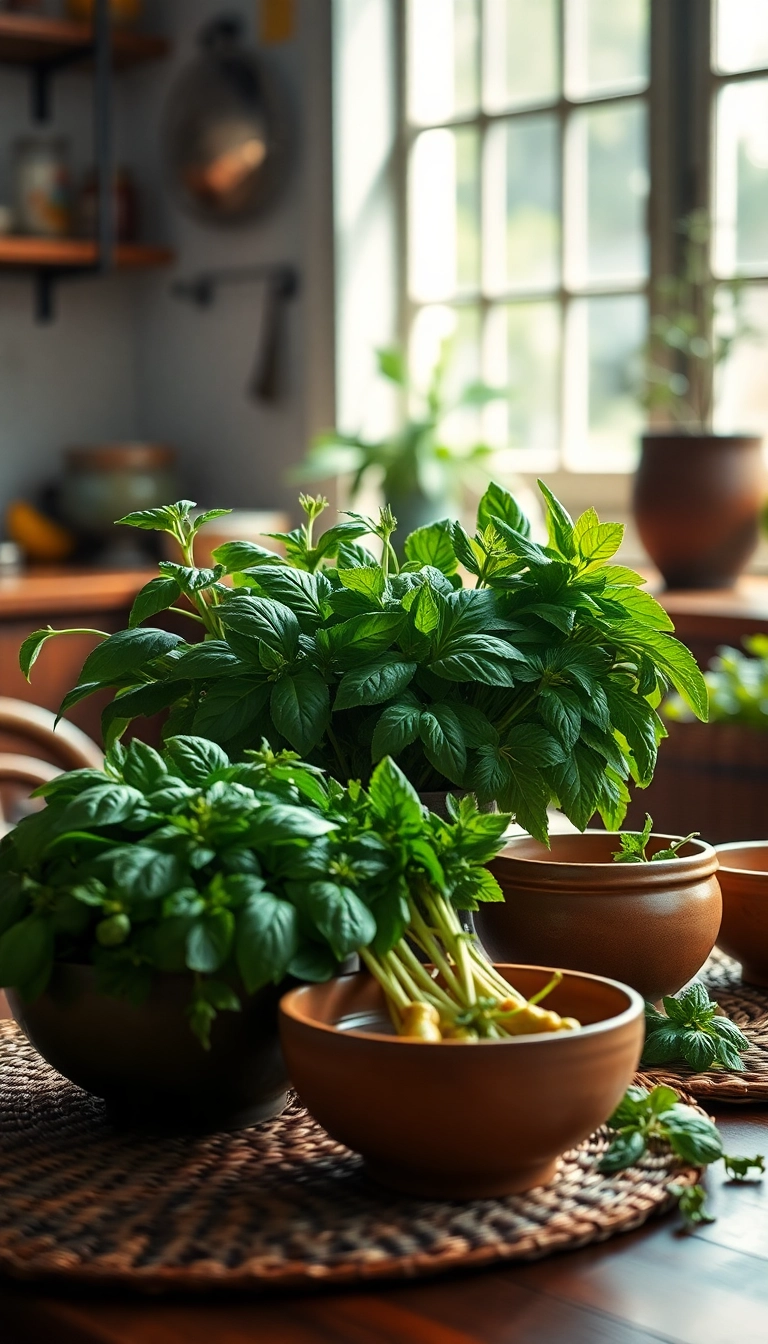
Basil, especially the Thai basil variety, is integral to many Vietnamese dishes. Understanding Vietnamese basil vs Thai basil highlights the subtle differences that can affect your recipes. Its slightly spicy, sweet aroma is comforting and adds depth to soups, stir-fries, and noodle dishes. I’ve found that the right amount of basil can elevate a simple meal into something extraordinary.
Spotting Fresh Basil
Fresh basil should have bright green, tender leaves with a sweet, aromatic scent. Avoid herbs with black spots or yellowing leaves. Thai basil often has purple stems, which can be a visual cue for authenticity. The aroma is unmistakably sweet and slightly spicy, reminiscent of anise or licorice.
Incorporating Basil into Your Cooking
I prefer adding basil towards the end of cooking or as a fresh topping. It’s essential to avoid overcooking basil, as heat diminishes its flavor. In Vietnamese Pho, I always add a handful of basil just before serving, allowing its aroma to infuse the broth. Exploring Vietnamese basil vs Thai basil can help you choose the best option for such dishes, as each brings unique qualities.
Growing Basil at Home
I’ve found that basil thrives in warm, sunny spots. Regular pinching encourages bushier growth and prevents flowering, which can turn the leaves bitter. Growing basil indoors is simple—just place it in a pot with well-draining soil and water regularly. It’s a fragrant addition to your herb garden that never fails to impress.
Combining Herbs for Authentic Flavor
One of my favorite ways to enjoy these herbs is to combine cilantro, mint, and basil in a single dish. The layered aromas create a complex, vibrant flavor profile that captures the essence of Vietnamese cuisine. Whether in a fresh salad, a dipping sauce, or a noodle bowl, mixing these herbs elevates your dish to a new level.
Practical Tips for Using Vietnamese Herbs
My top tip is to always start with fresh herbs—dried herbs simply won’t give you the same bright flavor. When preparing dishes, add herbs at different stages: some during cooking for infusion, and others fresh at the end for a burst of flavor. Keep herbs wrapped in damp paper towels in the fridge to prolong freshness.
Storing Your Herbs Properly
To keep cilantro, mint, and basil fresh longer, store them properly. The best method is to trim the stems and place them in a jar of water like cut flowers, covering loosely with a plastic bag. Store in the fridge or on a windowsill if the herbs prefer warmth. Change the water daily, and you’ll have fresh herbs for days.
If you’re searching for a coffee that is both rich and comforting, then how to make egg coffee at home is a skill you need to learn.
Unlock the secrets of Vietnamese cuisine with our Vietnam food tips and restaurant guides.
Health Benefits of Vietnamese Herbs
Beyond flavor, these herbs offer numerous health benefits. Cilantro is rich in antioxidants and may help detoxify heavy metals. Mint aids digestion and can relieve headaches. Basil has anti-inflammatory properties and is packed with vitamins. Incorporating these herbs into your diet isn’t just delicious—it’s good for you too.
Final Thoughts and Personal Recommendations
If you’re serious about bringing authentic Vietnamese flavors into your home cooking, I encourage you to start with growing Vietnamese herbs at home and experimenting with cilantro, mint, and basil. They’re versatile, easy to care for, and can truly transform your culinary creations. I’ve found that the freshest herbs make all the difference—so always aim for quality, and don’t be afraid to be generous with your herbs.
Expand Your Culinary Horizons with Vietnamese Herbs
Finally, I urge you to explore beyond these three herbs. Vietnamese cuisine employs a variety of herbs like sawtooth coriander, perilla, and lemongrass, which can add even more depth to your cooking. But mastering cilantro, mint, and basil provides a solid foundation for authentic Vietnamese dishes and inspires you to create vibrant, flavorful meals every day. For instance, considering using Vietnamese herbs in pho in creative ways can enhance your everyday meals with authentic touches.
